The Shibuya Survival Guide: Crossing, Shopping, and Nightlife

Blog

The Shibuya Survival Guide: Crossing, Shopping, and Nightlife

Written by Mrigakshi Apr 09, 2026

If you want to feel the energy of modern Japan, you have to spend a day in Shibuya city. This guide helps you handle the world’s busiest crossing, find the best deals in Shibuya Ward Tokyo, and enjoy the lights after dark. From meeting at the Hachiko statue to dancing until the first morning train, here is how you "survive" and enjoy the most exciting part of the capital. 

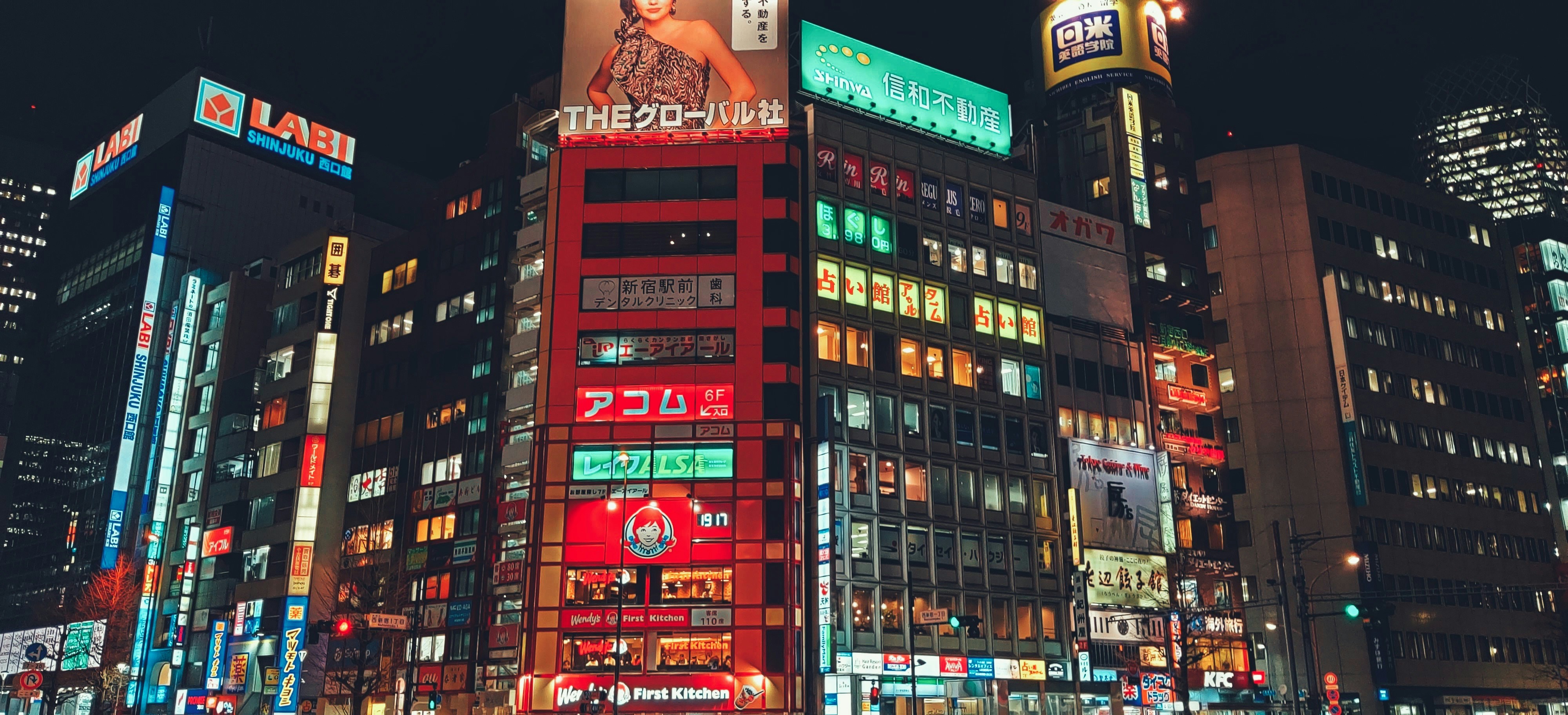
Shibuya is much more than a famous place to cross the street. It is the heart of young style and the spot where almost all of Japan’s cool new trends in clothes and music begin. In Shibuya City, the sidewalks are like a giant stage. Here, young people show off new ways of dressing that later become popular all over the world. The area is filled with huge shopping malls and tall buildings that have everything you could ever want to buy. You can find expensive luxury items in one shop and wild, new styles in the next.

1. The Scramble: How to Cross Like a Pro

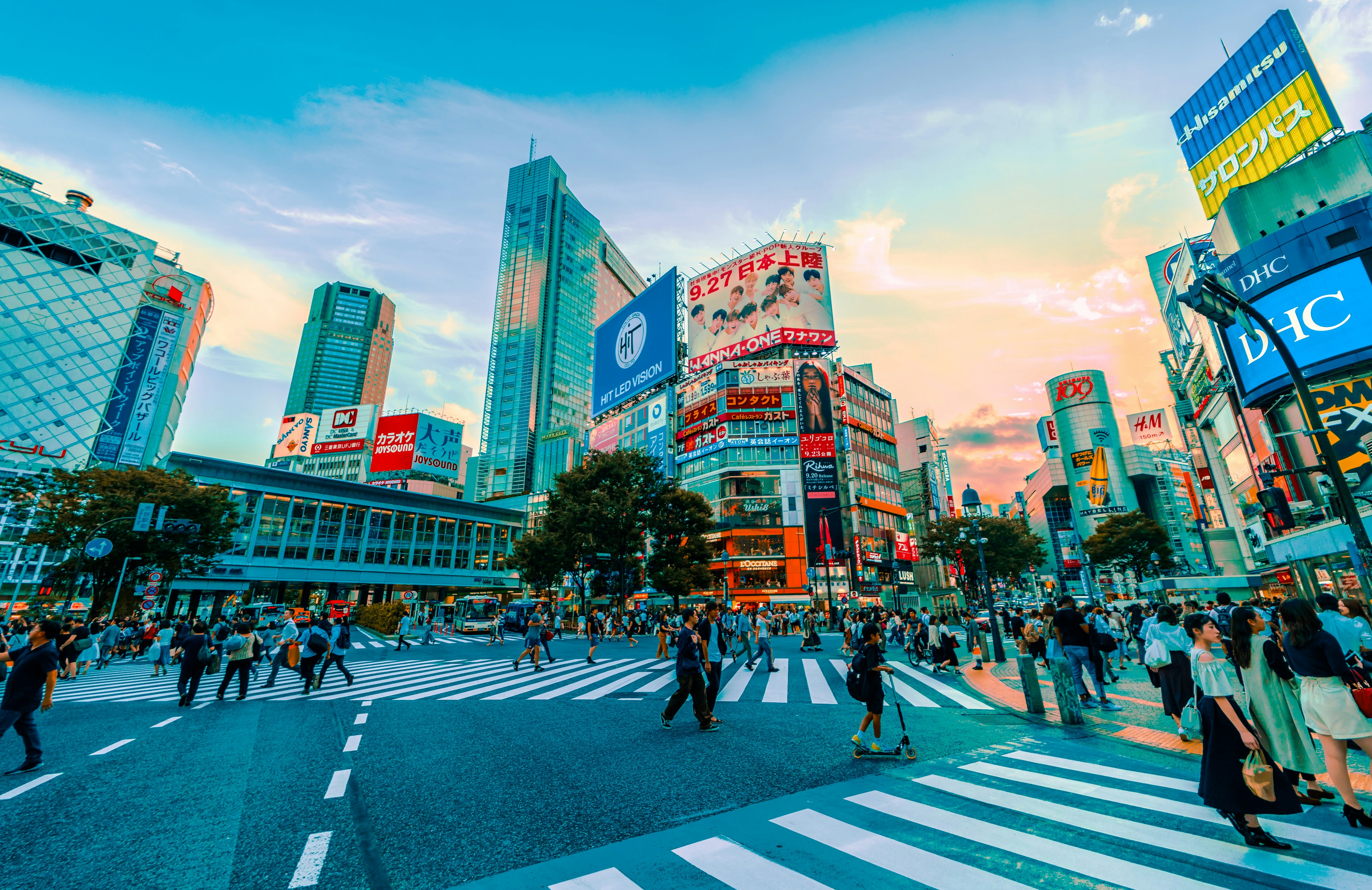
The Shibuya Scramble is the world's busiest intersection. Up to 3,000 people cross every time the light turns green!

  • The Best View:  For a great photo, head to the second floor of the Starbucks in the Qfront building or the "Shibuya Sky" rooftop.

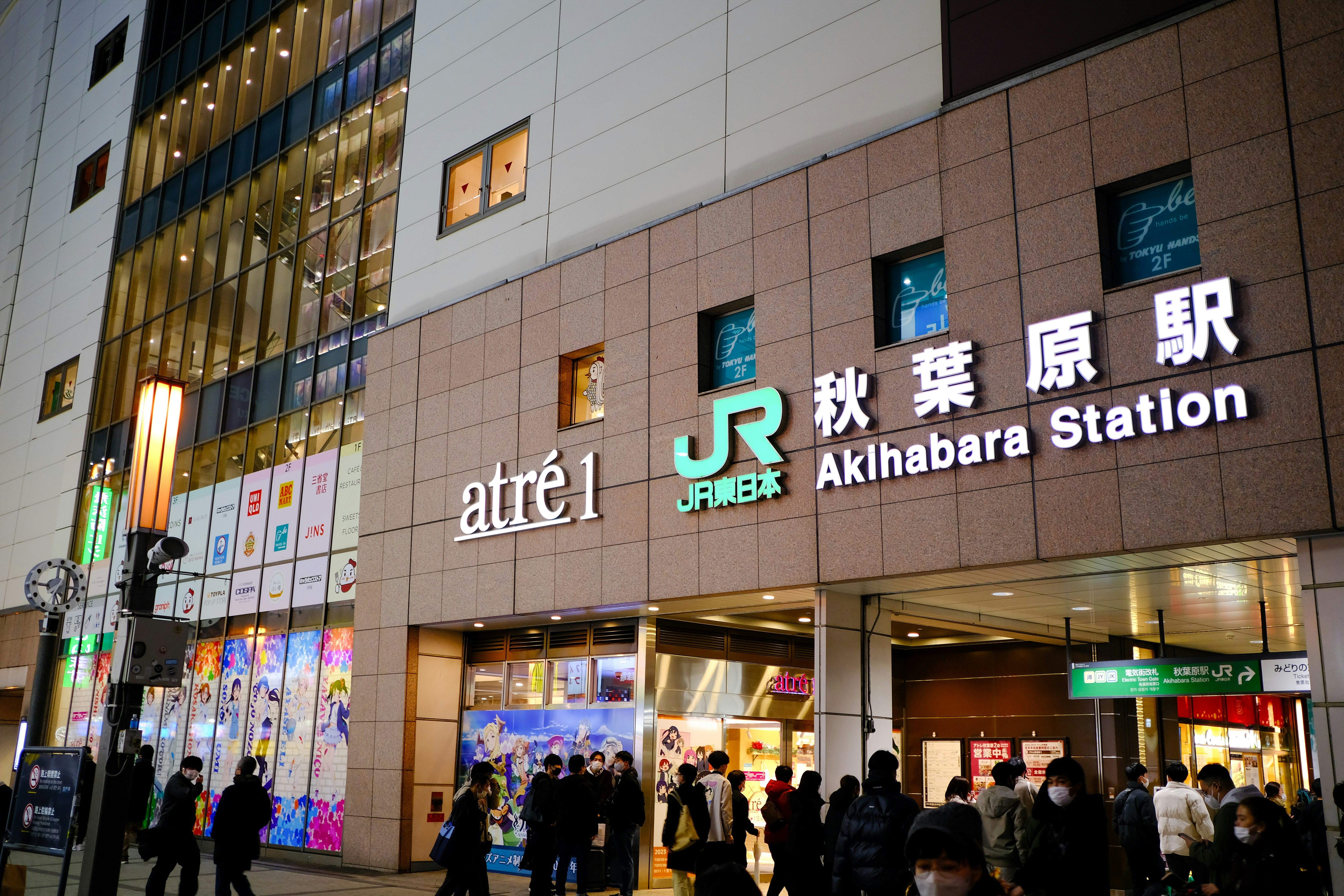
  • The Meeting Point:  Almost everyone meets at the Hachiko Statue right outside the station. It’s a small bronze dog with a big story about loyalty.

  • Survival Tip:  Don't stop in the middle of the crossing for a selfie - keep moving with the flow to avoid a human traffic jam!

2. Shopping: The Battle of the Malls

Shibuya has been a fashion center for decades. Much of the area is owned by two big rival companies: Tokyu and Seibu.

  • For the Trends:  Visit Shibuya 109 for the latest youth fashion. If you want something more modern and high-end, check out the new Shibuya Sakura Stage or Shibuya Scramble Square.

  • The Big Stores:  Loft and Hands are massive shops where you can find everything from cool pens and stickers to home decor and unique gifts.

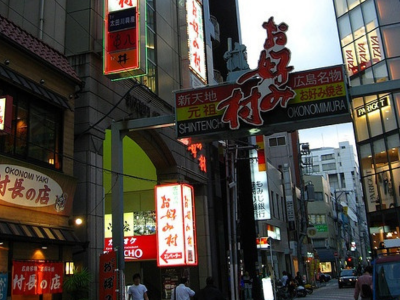
  • Hidden Alleys:  Walk down Center-Gai for bright signs and fast food, or find Cat Street for smaller, trendy boutiques and quiet cafes.

3. Nightlife: From Tiny Bars to Huge Clubs

When the sun goes down, Shibuya city really comes to life.

  • Drink Like a Local:  Head to Nonbei Yokocho (Drunkard’s Alley). It is a tiny street with miniature bars that only seat about 5 or 6 people. It feels like stepping back in time.

  • Dance All Night: The Dogenzaka area is full of famous dance clubs like Womb and Camelot.

  • Survival Tip:  Most clubs stay open until 5:00 AM. Since trains stop running around midnight, most people plan to stay out until the "first train" in the morning. If you need a break, grab some late-night ramen in one of the 24-hour shops nearby.
4. Finding a Moment of Calm

Even in the middle of all this noise, you can find peace. A short walk from the station takes you to Yoyogi park. It is a huge green space where you can sit on the grass, watch street performers, or just enjoy the fresh air. It’s the perfect way to recharge your batteries before heading back into the neon lights of Shibuya Ward Tokyo.

No matter where you turn, Shibuya is always changing. Enjoy the rush, eat the amazing food, and don't be afraid to get a little lost in the side streets—that’s often where the best stories begin!

Related Posts

FAQ & Expert Tips

What is the "Golden Route" in Japan?

The Golden Route is the most popular travel circuit for first-time visitors, typically starting in Tokyo, passing through the Hakone/Mount Fuji region, and ending in Kyoto and Osaka. It offers a balanced mix of Japan’s ultra-modern technology and its ancient, preserved history.

How many days are needed for the Japan Golden Route itinerary?

We recommend a minimum of 9 to 12 days. This allows for 3–4 days in Tokyo, 1 night in a traditional Ryokan in Hakone, and 3–4 days to explore the cultural landmarks of Kyoto and Nara.

Is the Japan Rail Pass (JR Pass) worth it for this package?

Yes, for the Golden Route, the JR Pass is often cost-effective as it covers the Shinkansen (bullet train) journeys between Tokyo, Odawara (Hakone), and Kyoto. However, our travel specialists provide a personalized cost-benefit analysis based on your specific side trips to ensure it’s the best value for you.

What is the best time of year to travel the Golden Route?

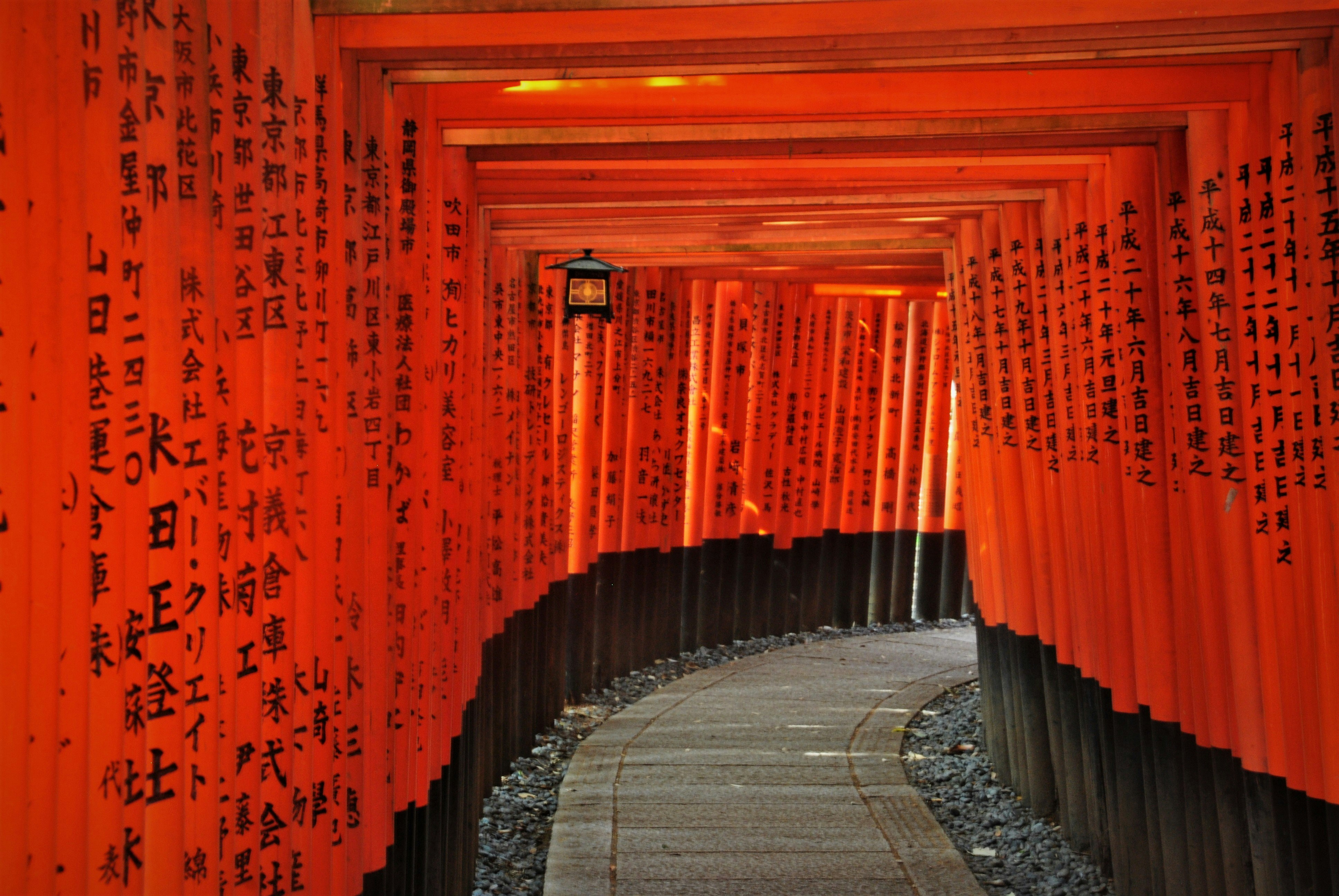
The most popular times are Spring (late March to mid-April) for the Cherry Blossoms and Autumn (November) for the vibrant fall foliage. However, traveling in the "shoulder seasons" of May or September offers milder weather and fewer crowds at major sites like Fushimi Inari.

Can this Golden Route package be customized for families?

Absolutely. Catterfly specializes in "slow travel" and can adapt the itinerary to include family-friendly spots like the Ghibli Museum in Tokyo, the Hakone Open-Air Museum, or a traditional ninja workshop in Kyoto, ensuring the pace is comfortable for all ages.

What are the must-see sights on the Golden Route?

  • Tokyo: Senso-ji Temple and the Shibuya Crossing.
  • Hakone: A Lake Ashi cruise and views of Mount Fuji.
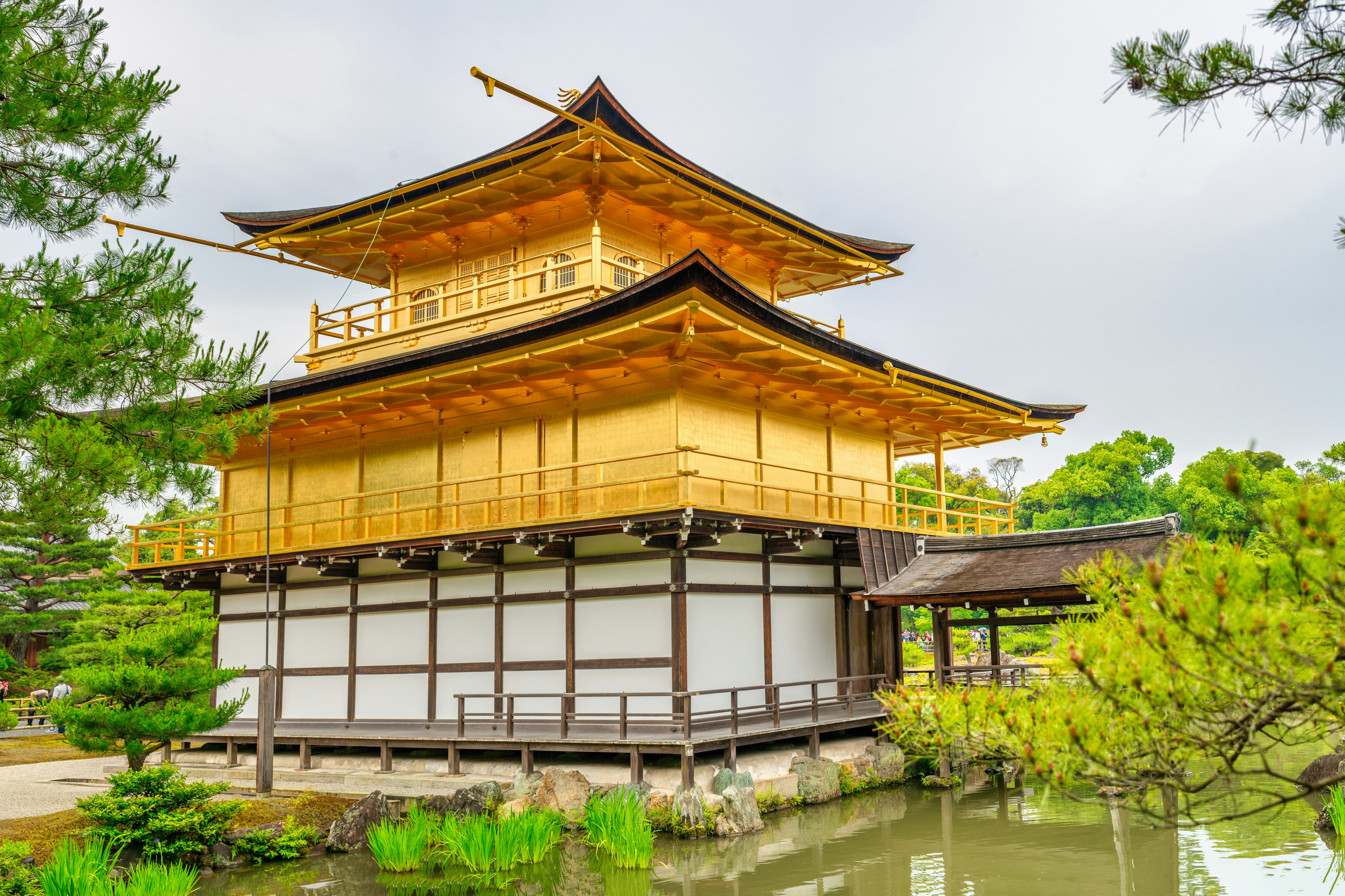
  • Kyoto: The Kinkaku-ji (Golden Pavilion) and the Arashiyama Bamboo Grove.
  • Nara: The giant Buddha at Todai-ji Temple and the bowing deer of Nara Park.

Do I need a guide for the Golden Route?

While the Golden Route is easy to navigate via public transport, Catterfly offers "Local Insiders" for specific days. Having a guide in Kyoto, for example, helps you navigate the hidden alleys of Gion and understand the deep historical context that isn't found on signboards.
  • 0
  • 0

Cart

  • {{ item.documentId.name }}