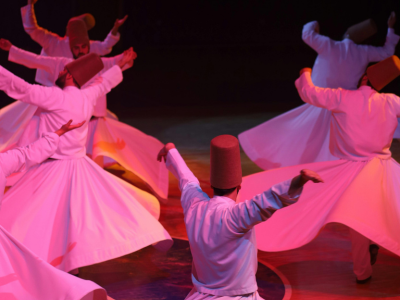
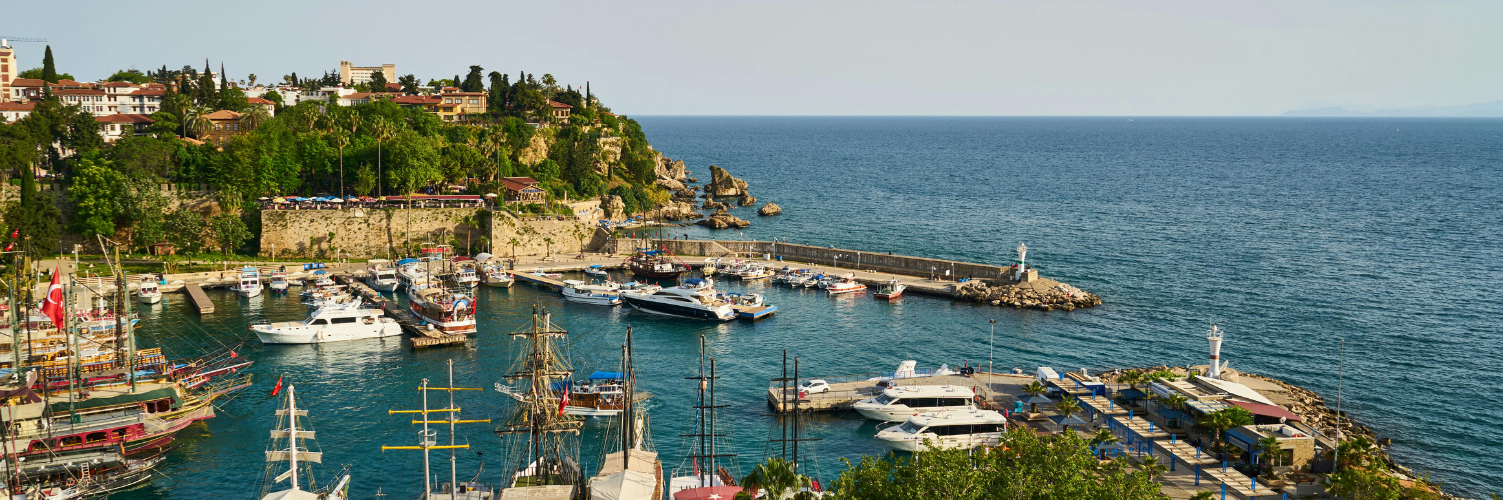
Turkey doesn’t fit neatly into a category — and that’s precisely its power.
It’s where Europe meets Asia.
Where Roman amphitheatres still echo.
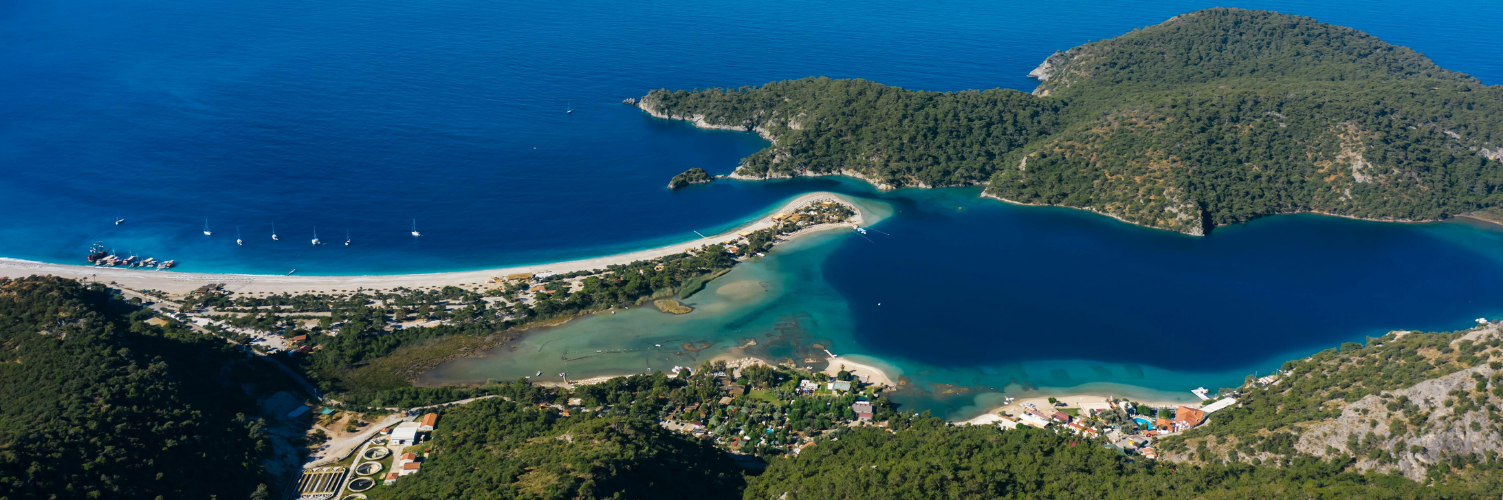
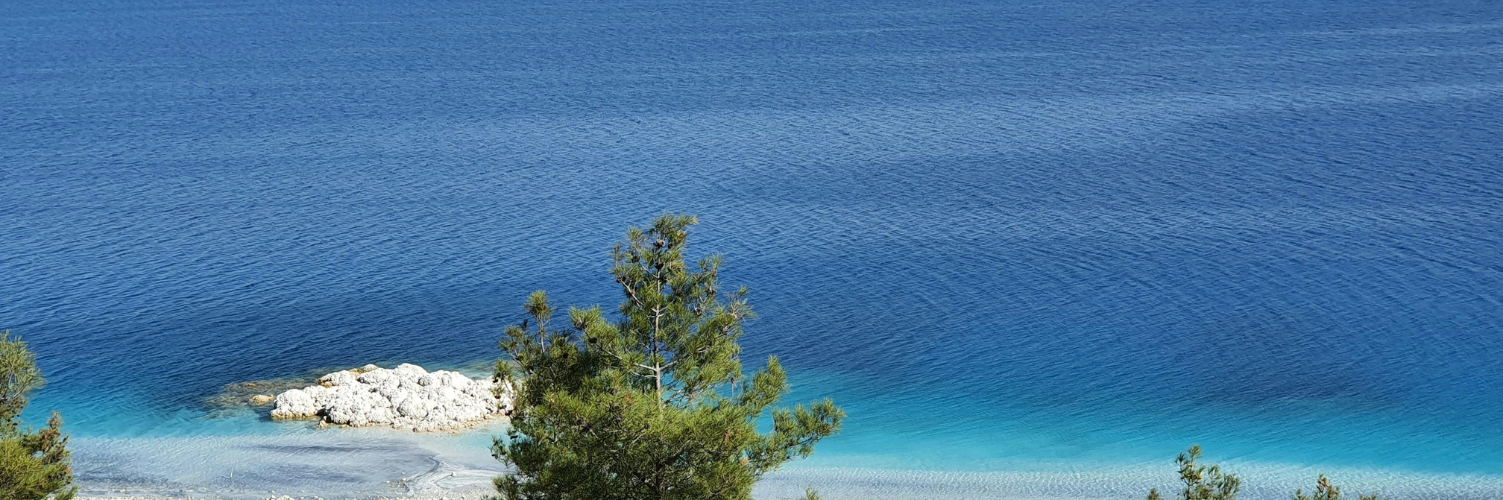
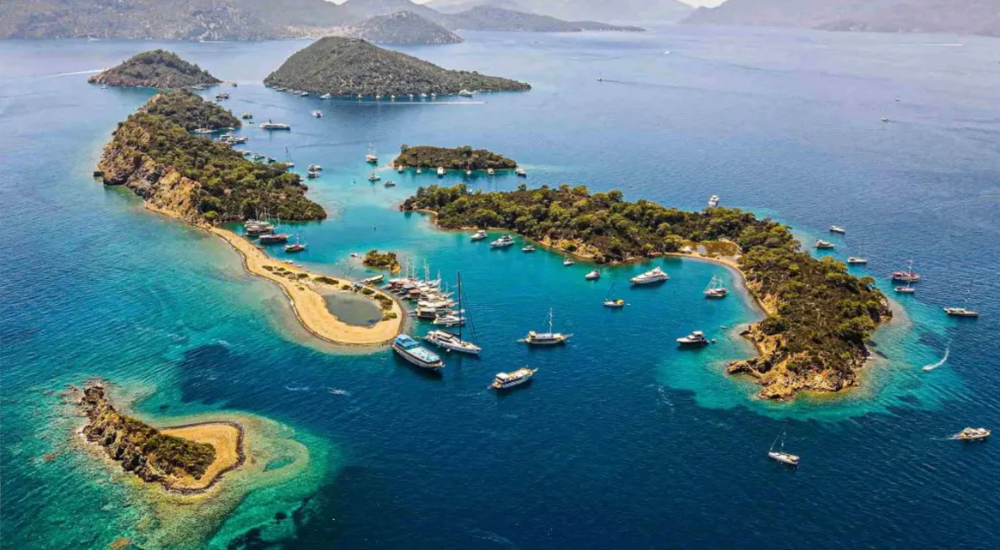
Where Mediterranean water glows electric blue.
At Catterfly, we don’t just send travellers to Türkiye — we plan a total immersive experience. Whether you’re planning a solo journey, a multi-generational family trip, or a 29-day Mediterranean arc, this is our 2026 guide to experience the best of Turkey in a week, 10 days or at a leisurely pace over a month.
I. Practical Essentials: What to Know Before You Go
1. When to Visit Turkey
Timing shapes everything — temperature, crowds, pricing, energy.
Spring (April–May) & Autumn (September–October)
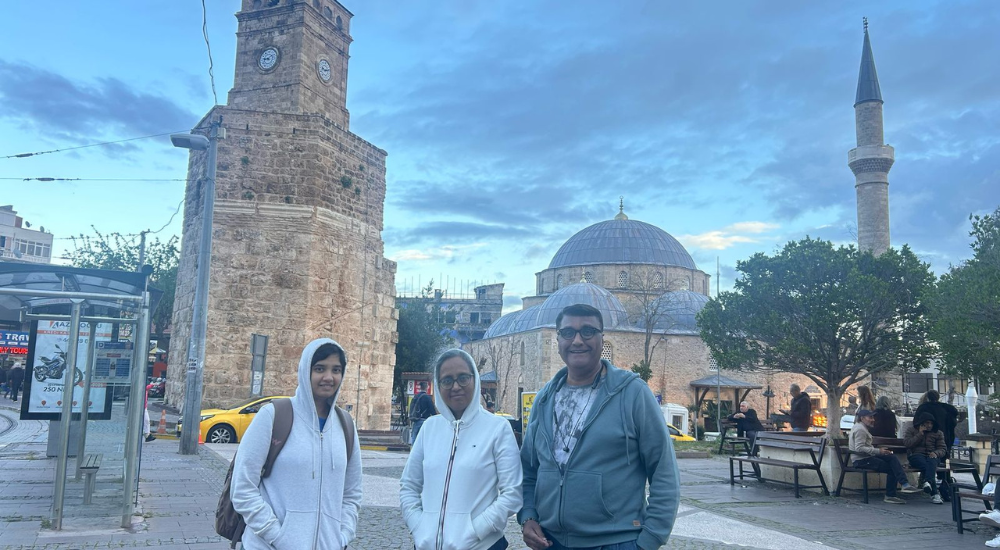
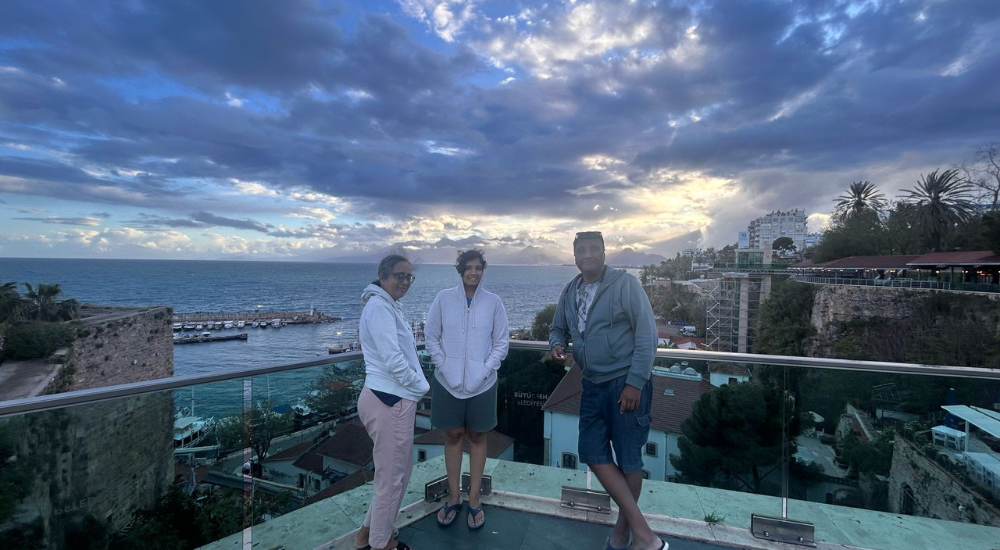
This is prime season. Ideal for hikers, history enthusiasts, and anyone who wants Mediterranean warmth without peak humidity. Aroon Dasappa and his family travelled in April and enjoyed Antayla’s coastal beauty without summer intensity.
Summer (June–August)
Perfect for the D400 Turquoise Coast drive. Inland sites will be hot, so we make sure to avoid open-air sites in peak afternoons as much as possible - and get that cool ocean breeze instead.
Winter (December–February)
Cappadocia under snow feels otherworldly. Istanbul slows down. Traditional boza shops become gathering spots. It’s intimate and atmospheric.
2. Logistics & Connectivity
eSIM Over Airport SIM
We advise skipping the $40 airport SIM kiosks.
Download an eSIM (Airalo or Holafly) before departure.
Roughly $15 buys 10GB — more than enough for 18 days of navigation and bookings.
Istanbulkart - Is it a must?
The Istanbulkart functions as a transportation master key. It works across ferries, trams, buses, and metros throughout Istanbul — and it simplifies the city dramatically. You can still use your own card (at a higher fee) to pay for the journey, but if you plan to use public transport several times, with family - the extra charges can quickly add up. Plus, the card is used to access many public toilets: another occasion when you will appreciate having one!
That being said, it’s not something we generally recommend, as Istanbul’s main sights are within a fairly compact geography - and the ones that are not are very easily reachable by rideshare apps and cabs.
The D400 Turquoise Drive
The coastal stretch from Antalya to Kaş is easily one of the world’s top road trips. While we highly recommend driving here, it’s not essential - there are intercity buses and cheap shared taxis if one is not able to drive.
But if you ask, is it safe to drive in Turkey, we would say go for it! Hidden overlooks, cliffside beaches, and impromptu Lycian ruins will be the highlights of your trip. Expect well-kept roads and light traffic in rural areas, though the local driving style may require an adjustment period for anyone used to rigid traffic enforcement.
3. 2026 Costs - Which passes are worth it?
Expect a mid-range daily budget of €80–€120, excluding international flights.
Entrance fees across Turkey are generally reasonable compared to most of Europe. However, if your itinerary is archaeology-heavy — including multiple major sites in Istanbul, Cappadocia, Ephesus, Pamukkale, and along the Mediterranean — costs can accumulate faster than most travellers expect.
The 15-Day MuseumPass Türkiye becomes worthwhile when you plan to visit a high concentration of included sites across multiple regions. It also allows you to bypass ticket queues at many major attractions, which can be valuable during peak season.
That said, if your itinerary leans more toward coastal relaxation, boutique stays, food experiences, and selective landmark visits, we would recommend regional passes to aligning with your pace.
Given the steep rise in entry fees and the replacement of interactive tours with audio-only formats, we find that the Istanbul Tourist Pass no longer provides the same level of utility as in previous years.
II. Where to Go — And How Long to Stay
1. Istanbul: The Soul of the Silk Road (4–5 Days)
A metropolis split by the Bosphorus — Europe on one side, Asia on the other. This is not a two-day stopover city.
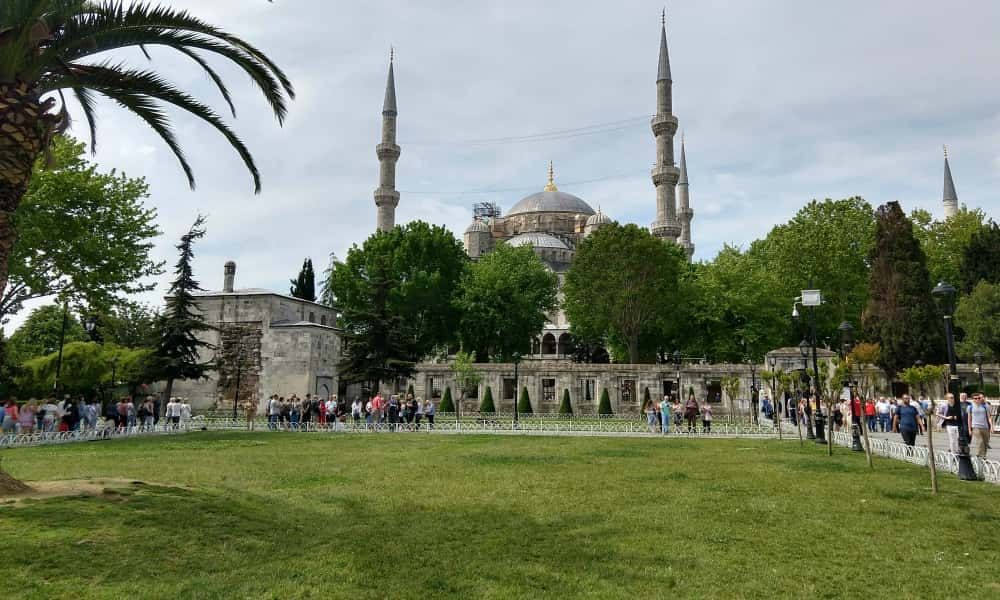
Beyond the Hagia Sophia and the Blue Mosque, we advise prioritizing the Harem section within Topkapi Palace for its intricate tilework and insight into imperial life.
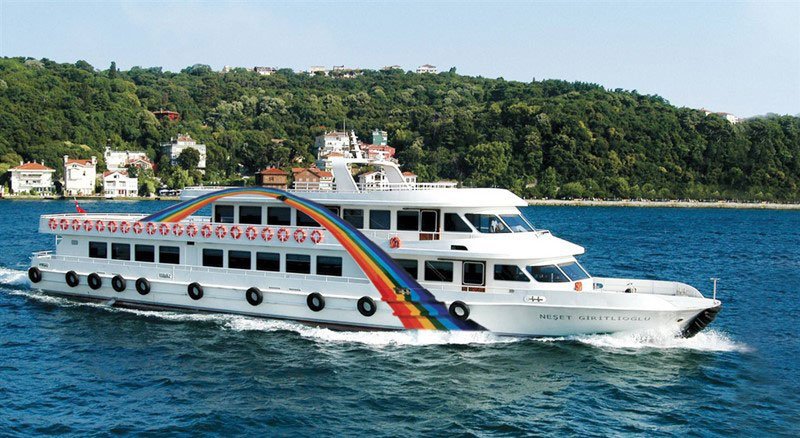
Vaibhav, Sameer, and their group of 11 were concerned about navigating Istanbul at scale. A private Bosphorus cruise solved that instantly — giving the entire group context, orientation, and breathing space.
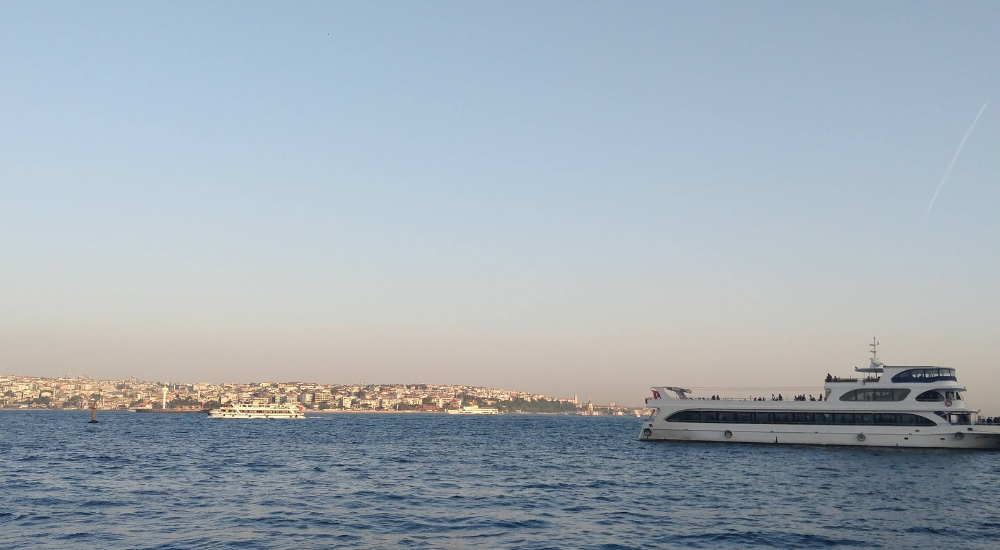
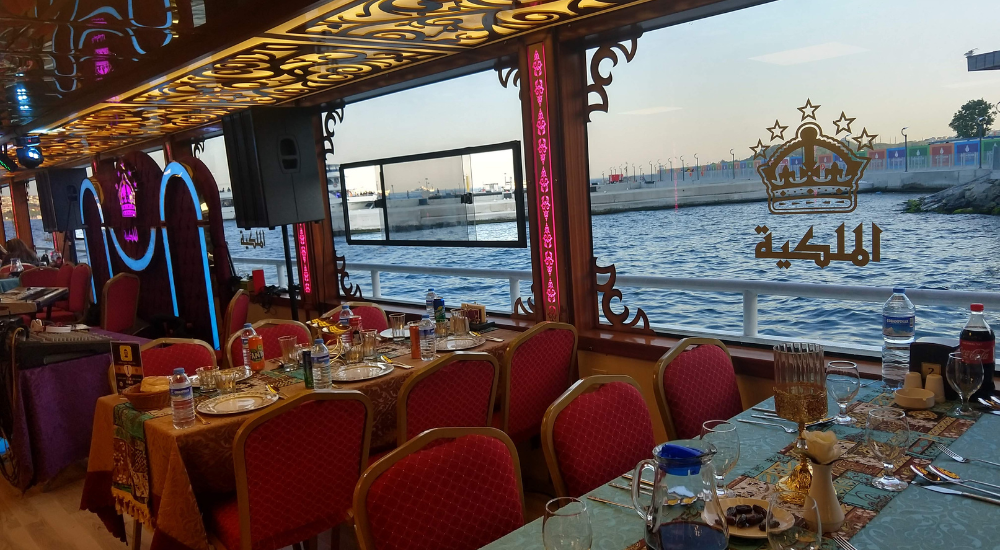
Where the City Comes Alive
Beyond the Asian side, Istanbul’s energy thrives in districts like Karaköy, where industrial roots have given way to a trendy blend of art galleries and rooftop bars. For a more traditional pulse, Beşiktaş offers a high-energy, unpretentious atmosphere centred around its historic market and local student life. Meanwhile, the waterfront mansions of Arnavutköy provide a sophisticated social scene, famous for its upscale cocktail bars and seafood dining.
Recommended Day Trips
Bursa — the first Ottoman capital. Take the Teleferik up Mount Uludağ.
Iznik (Nicaea) — famed for blue ceramics and the site of the First Ecumenical Council.
2. Cappadocia: The Lunar Landscape (3 Days)
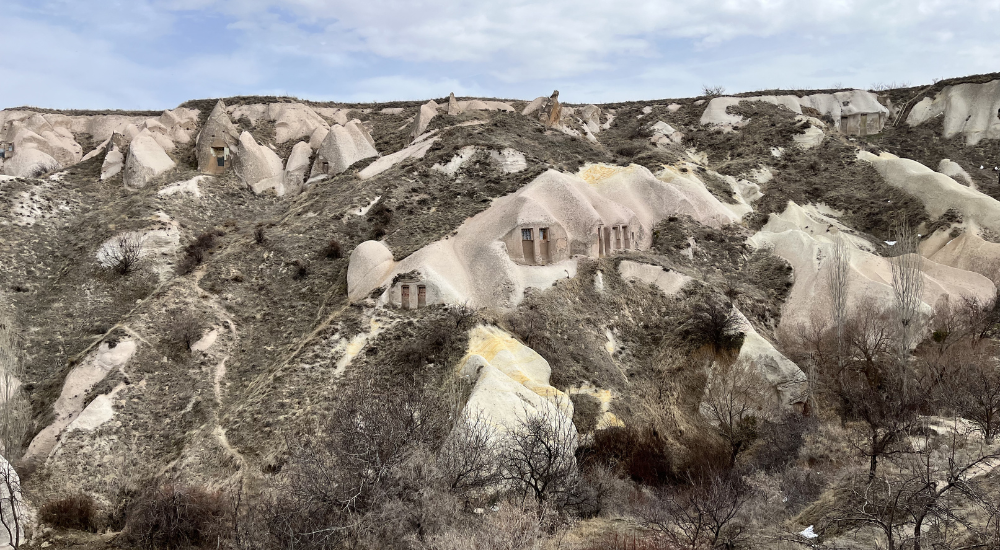
Cappadocia feels extraterrestrial — fairy chimneys, cave dwellings, and underground cities carved from volcanic stone.
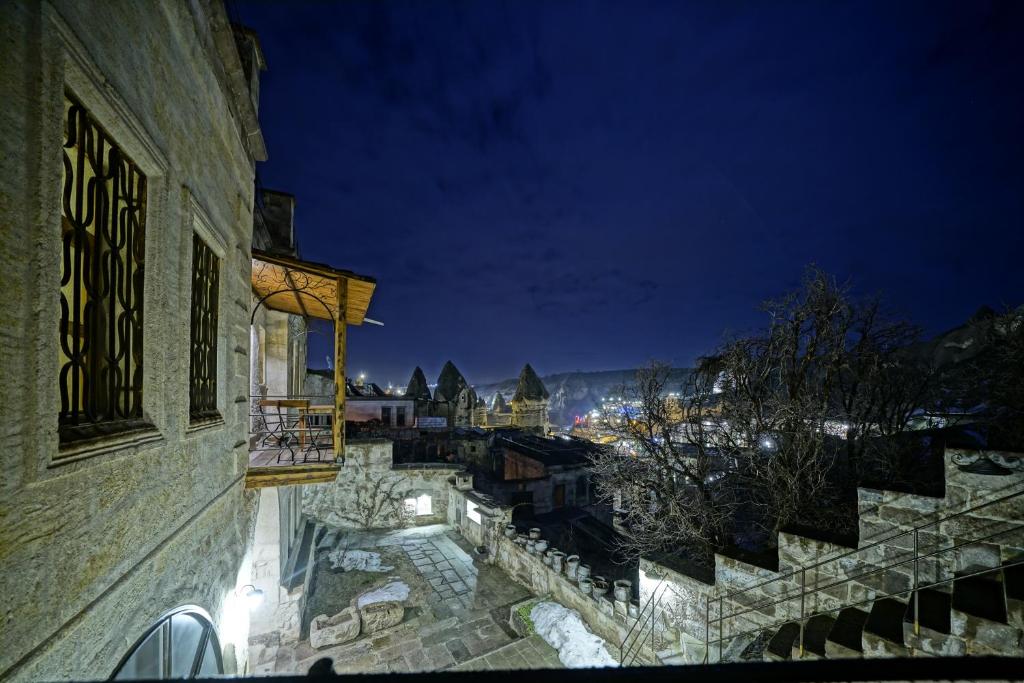
Jitesh Saboo and his family stayed in authentic cave apartments, ensuring they got the full ‘underground’ experience without compromising on comfort.
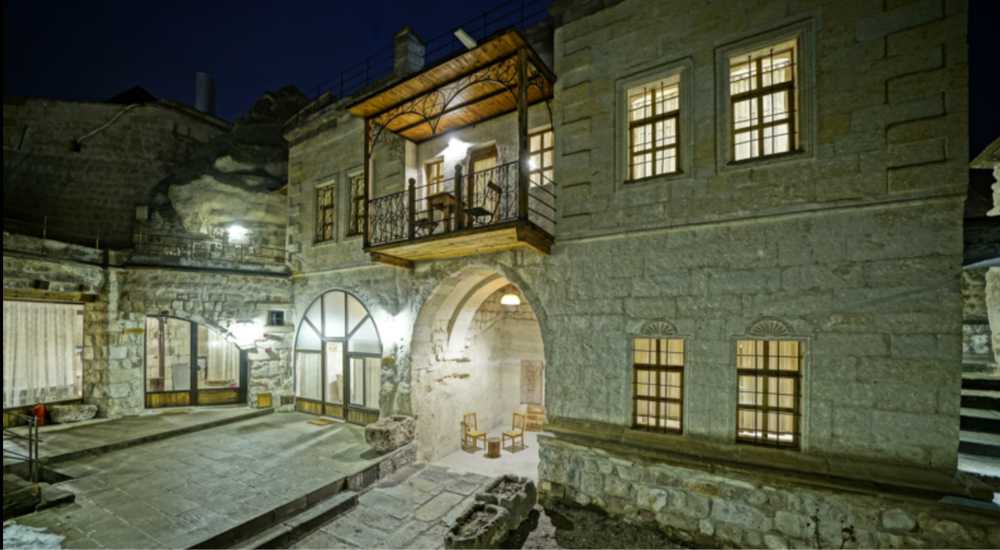
While Derinkuyu Underground City is the deepest, Kaymaklı Underground City is often preferred for its wider tunnels and accessibility. For those seeking something more immersive, we arrange horseback riding through Rose Valley — quiet, raw, and beautifully cinematic.
3. The Turquoise Coast: Antalya & Kaş (5–6 Days)
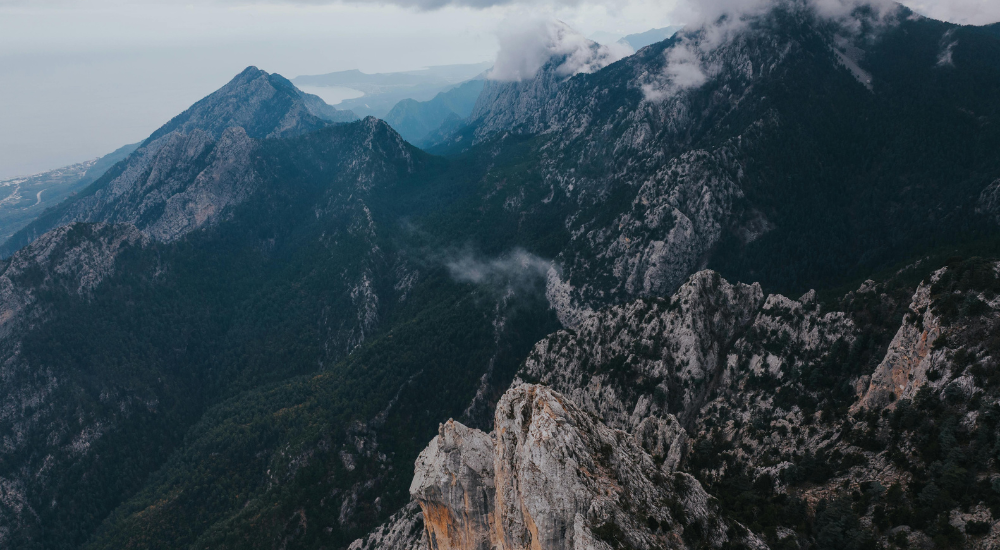
This region is where the Taurus Mountains crash into the Mediterranean. It’s the emotional heart of Turkey.
Antalya: The Imperial Gateway
Within Antalya, retreat into Kaleiçi’s winding alleys. At dusk, walk through Hadrian’s Gate toward the Roman harbour for waterfront dining.
Follow Aroon and the family’s example and take the Olympos Teleferik to Mount Tahtalı — rising from sea level to 2,365 meters in ten minutes.
Visit Aspendos, one of the most impeccably preserved Roman theatres in existence. Its acoustics remain flawless 2,000 years later.
The D400 Coastal Masterpiece
Break the drive at Demre and Myra to explore Lycian rock tombs and the Church of St. Nicholas.
Stop early at Kaputaş Beach — its electric-blue waters are created by underground springs meeting the sea.
Arrive before 9:00 AM in peak season.
Kaş & Kalkan: The Sophisticated Coast
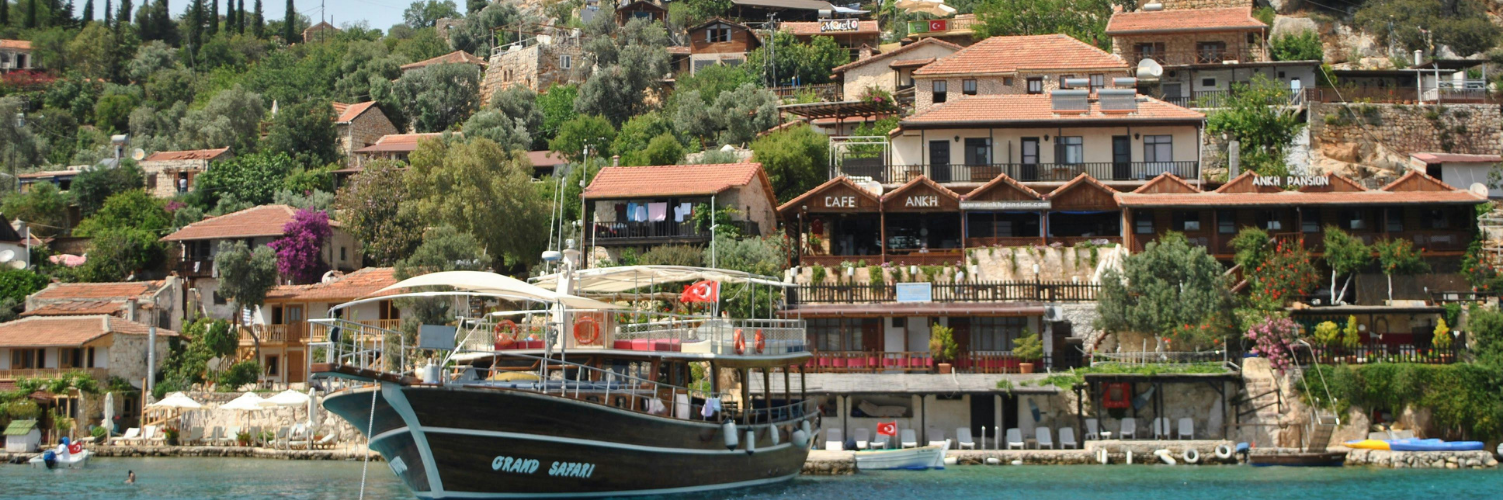
Charter a boat to explore the submerged ruins of Kekova. Disembark at Kaleköy and hike to the Byzantine castle above.
Kaş remains Turkey’s premier diving destination — including the Uluburun Wreck replica and a submerged C-47 Dakota aircraft.
End in Kalkan, where whitewashed architecture and rooftop dining create a refined, shielded atmosphere.
The Mountain Escape: Sagalassos
At 1,750 meters above sea level, Sagalassos offers cool relief and the still-flowing Antonin Fountain— where you can drink the same mountain water that once served Roman emperors. The hike, accompanied by a local guide, is not for the faint hearted; although well worth the effort.
4. Ephesus, Pamukkale & The Aegean (4–5 Days)
The Aegean is monumental in scale — historically and visually.
Ephesus: The Roman Giant
The Library of Celsus remains one of the most photographed monuments in the world.
Walk toward the 25,000-seat Great Theater, where even a whisper carries upward.
Do not skip the Terrace Houses — elite Roman villas preserved under protective cover with mosaics and frescoes intact.
Pair with Şirince’s hillside charm or Pergamon’s ancient Asclepion.
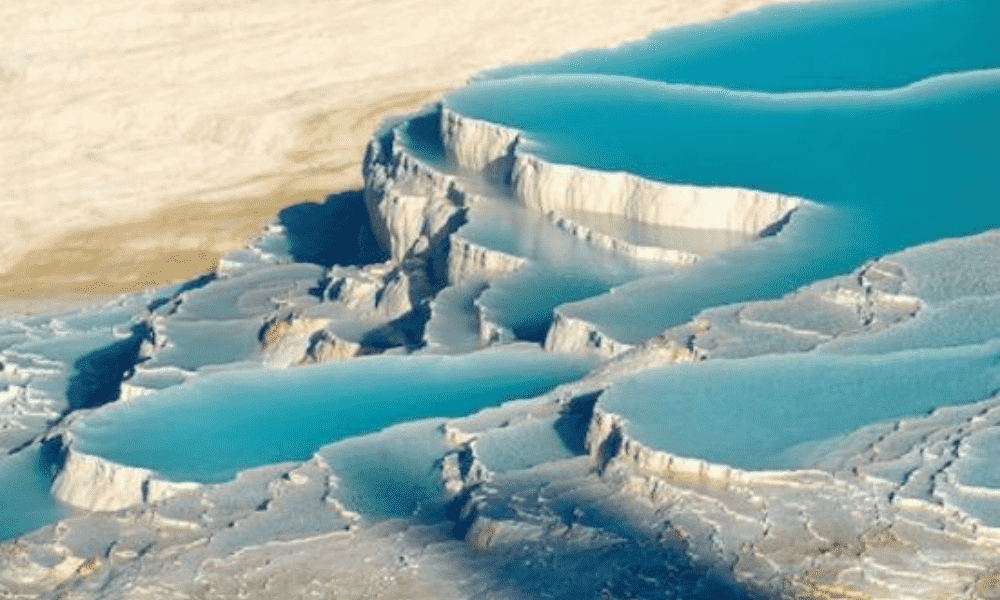
Pamukkale: The Cotton Castle
We never recommend Pamukkale as a day trip, unless short on time. It can be done from Antalya, Fethiye or Izmir/Kusadasi.
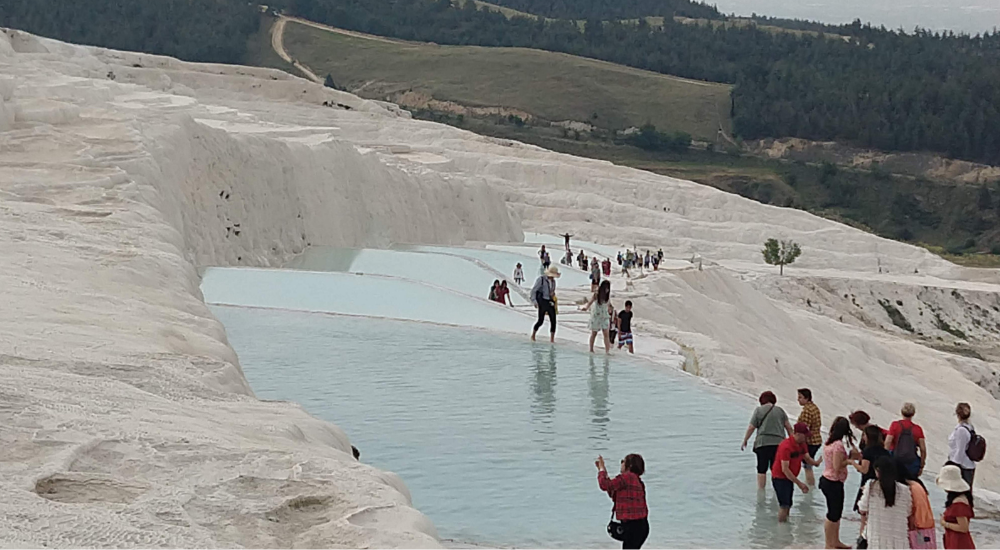
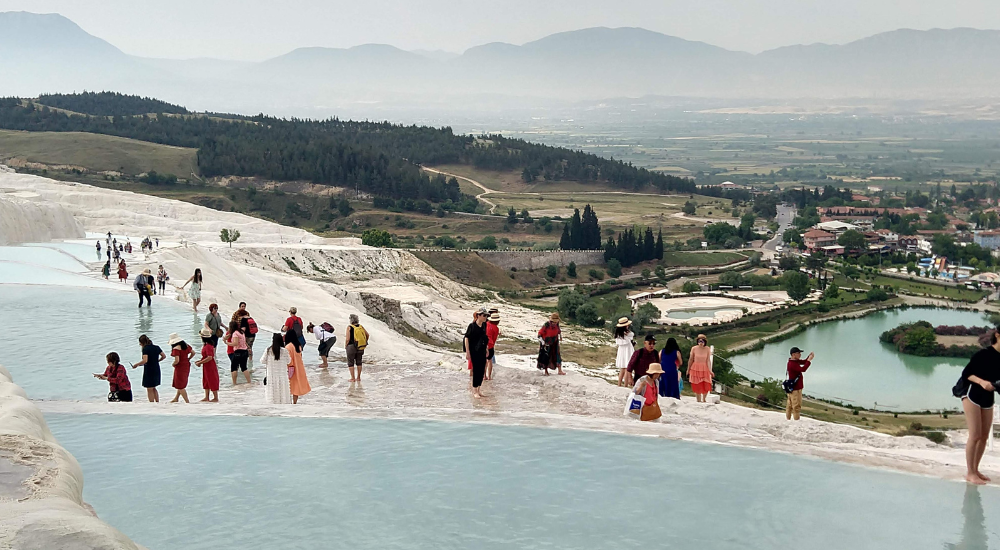
Staying one or two nights allows:
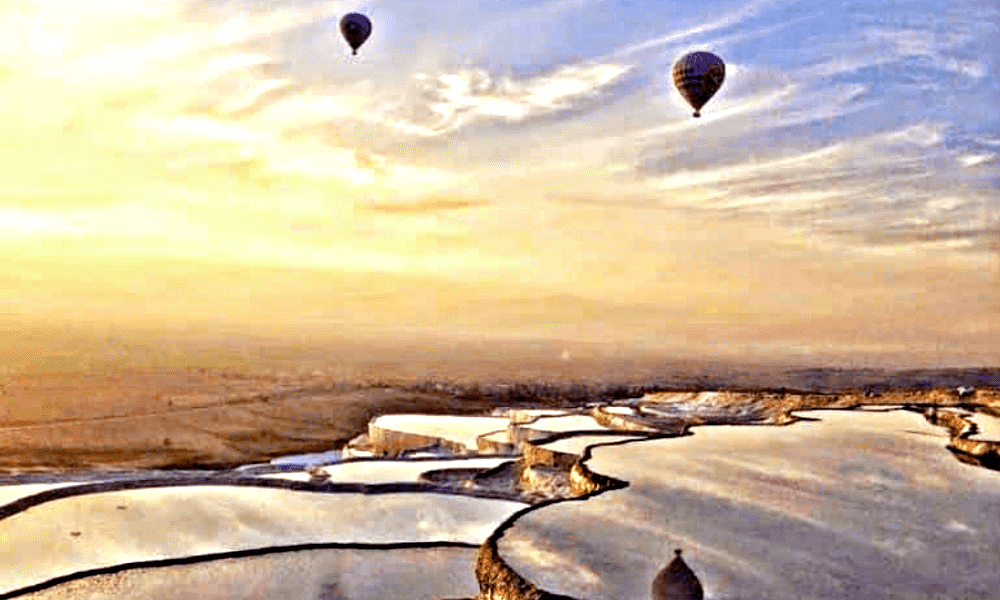
• Sunrise balloon flights
• Full exploration of Hierapolis
• A swim in Cleopatra’s Antique Pool among fallen Roman columns
With extra time, explore Laodicea (one of the Seven Churches of Revelation) and Aphrodisias, a UNESCO World Heritage site dedicated to the Goddess of Love.
Izmir: The Modern Counterpoint
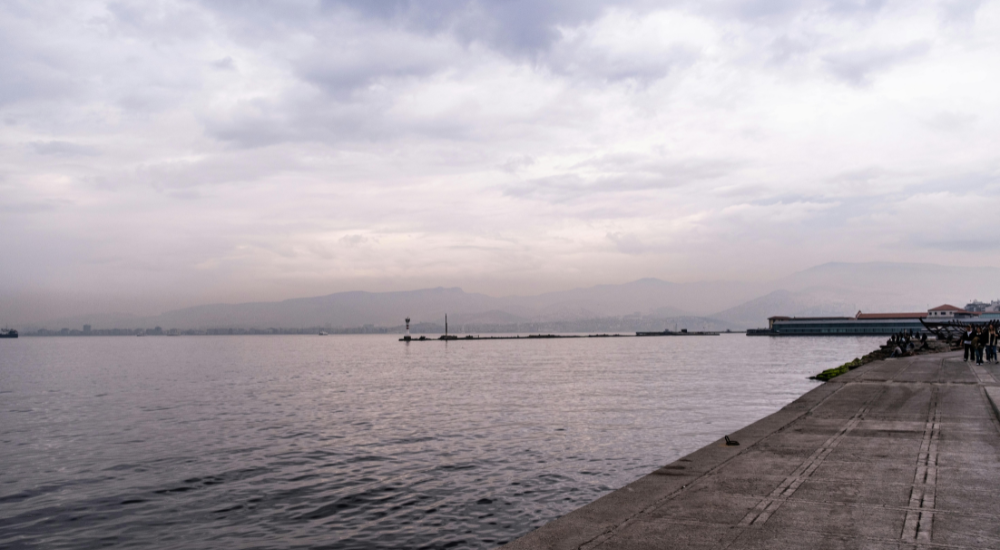
While Istanbul captures the headlines, Izmir reveals a more authentic, less-touristed side of Turkey. This coastal gem balances three millennia of trade history with a breezy, modern waterfront lifestyle. Mukut and Manisha’s exploration of
Local Life in Konak & Kemeraltı
The pulse of Izmir beats in Konak Square, anchored by the iconic 1901 Clock Tower and the delicate Konak Mosque. A few steps away, the Kemeraltı Bazaar offers a raw look at local life; unlike more famous markets, this maze of spice and craft alleys remains the city's primary shopping hub for residents. Deep inside, the 17th-century Kızlarağası Han courtyard provides a perfect spot to enjoy Turkish coffee alongside local musicians.
Historic Heights & Waterfront Views
Trace the city’s roots at the Agora of Smyrna, where ancient Roman water channels still flow, before heading to the Historical Elevator. Built in 1907, it connects the city levels and offers a romantic balcony view of the bay. The walk there via the cafe-lined Dario Moreno Street is a hidden gem often missed by day-trippers.
Sunset on the Bay
Mukut and Manisha spent two days in Izmir, and each day concluded with the ultimate local ritual: walking the Kordon promenade at sunset. To see the city's full "U-shape," the car ferry from Üçkuyular to Bostanlı provides a scenic, one-hour crossing that serves as the perfect vantage pointfor Izmir’s glittering coastline.
III. Build Your Journey, Your Way
The Golden Triangle (7–9 Days)
Istanbul → Cappadocia → Ephesus.
The Solo Multi-Continental Jaunt
Follow the intrepid solo traveller’s lead — Istanbul, then onward to Brussels or Amsterdam.
The Grand Mediterranean (29 Days)
Can you combine Turkey with Greece? Absolutely. The Greek Isles are accessible via ferry:
• Kuşadası to Samos: A smooth, culturally rich transition from the ancient grandeur of Ephesus into a quieter, greener Greek island experience with a relaxed Aegean rhythm.
• Bodrum to Kos (~30 minutes): A quick, energetic day trip from Turkey’s stylish Riviera into a lively Greek island atmosphere that blends beaches, history, and cosmopolitan flair.
IV. Our 2026 Insider Recommendations
Turkey travel is evolving — and if you want to experience the country like a pro this year, these shifts matter.
The “Night Museum” Movement
Summer temperatures often climb past 40°C. Instead of battling midday cruise crowds, we now design evenings around Turkey’s extended museum hours.
Landmarks like the Basilica Cistern and even sections of Ephesus remain open until 11:00 PM during peak season. Under nighttime lighting, these ruins become atmospheric and cinematic —and far more comfortable to explore.
It’s not just cooler.
It’s better.
The Pamukkale Balloon Alternative
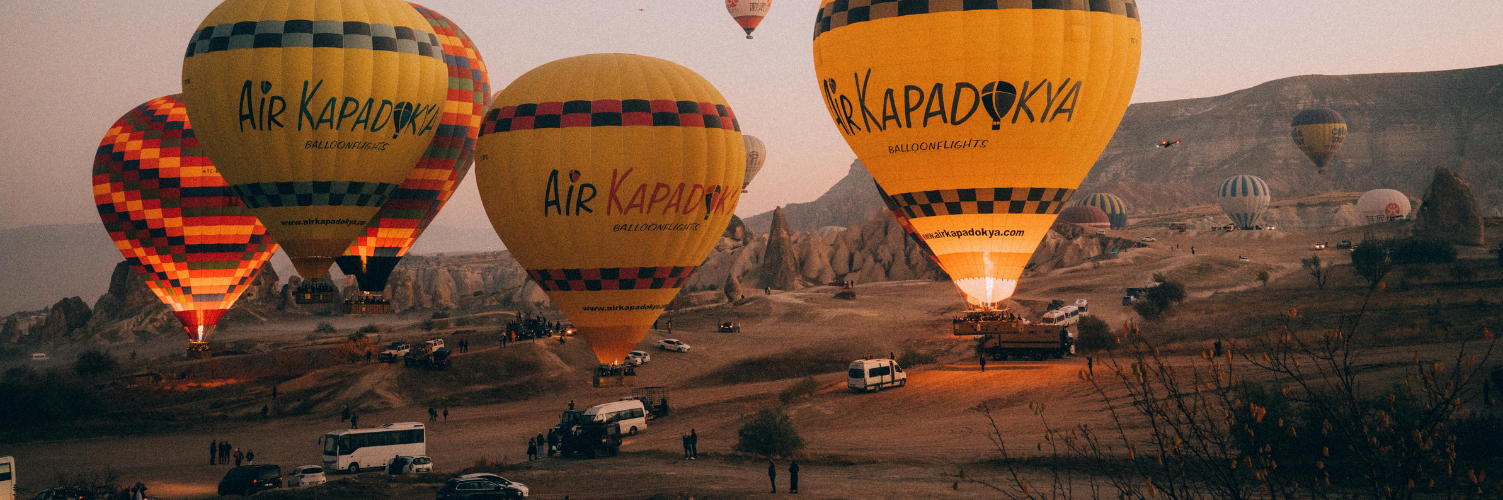
Yes, Cappadocia is still the balloon capital of the world. But in 2026, Pamukkale has quietly emerged as a refined alternative.
Floating above the white calcium travertines at sunrise is surreal — and often more serene, less
crowded, and easier on the budget.
We increasingly recommend this option when routing travellers through the Aegean region.
Digital Turkey Is Real
From Karaköy cafés in Istanbul to design-forward boutiques in Izmir, Turkey is more connected than ever.
Contactless payments are standard. Wi-Fi is reliable. Infrastructure is modern. Although we do recommend carrying some Lira for tips, as is standard practice.
This isn’t a “rough-it” destination. It can be a breeze if you know how to navigate it.
V. The Catterfly Difference
Whether designing for a solo traveler or a group of 11, the feedback is consistent: Peace of mind changes the entire experience.
Our app centralizes tickets, driver contacts, and barcoded entries. And sometimes, the smallest detail says the most:
“Seeing our name on a placard at a small, unfamiliar airport was an immediate sigh of relief.” —Rishi Ravani
Plan your Turkish adventure today. Contact us at info@catterfly.travel