Italy Travel Guide: The Ultimate First-Timer's Journey & Itinerary

Blog

The Ultimate Guide to Traveling in Italy: A First-Timer's Journey

Written by Sep 12, 2025
Welcome to Italy, a country where every turn reveals a new masterpiece, every meal is a celebration, and history comes alive on every street. From the majestic Alps in the north to the sun-kissed shores of Sicily in the south, Italy offers an endless tapestry of experiences. This comprehensive guide will help you navigate this beautiful country, whether you're a first-time visitor or planning your next adventure. We'll cover everything from the iconic cities and breathtaking landscapes to the practicalities of travel, ensuring your journey is nothing short of magical.

Navigating Italy: The Key to a Seamless Trip

Italy is remarkably well-connected, making it a joy to explore by land. The high-speed rail network (Trenitalia's Frecciarossa and Italo) is the most efficient way to travel between major cities like Milan, Venice, Florence, and Rome. These modern trains offer a comfortable and fast journey, allowing you to cover vast distances in just a few hours. For regional travel, local trains are an excellent, budget-friendly option. Check out our ultimate train guide for all you railway enthusiasts! 

While a car can offer flexibility for exploring the Tuscan countryside or the rugged Amalfi Coast, it's not recommended for city centers where traffic, ZTL (Limited Traffic Zones), and parking are a major challenge.

The Regions of Italy: A Journey from North to South

Italy can be broadly divided into three distinct regions, each with its own unique character, culture, and cuisine. Deciding which region to focus on is the first step in planning your trip.

1. Northern Italy: Lakes, Fashion, & History

The north is a land of stunning natural beauty and sophisticated urban life. Here, modern elegance coexists with timeless history, creating a captivating blend.

  • Milan: As a global capital of fashion and finance, Milan is a city of style and grandeur. The awe-inspiring Duomo di Milano, with its intricate spires, and the opulent Galleria Vittorio Emanuele II are a must-see. You can also visit Leonardo da Vinci's iconic masterpiece, "The Last Supper."
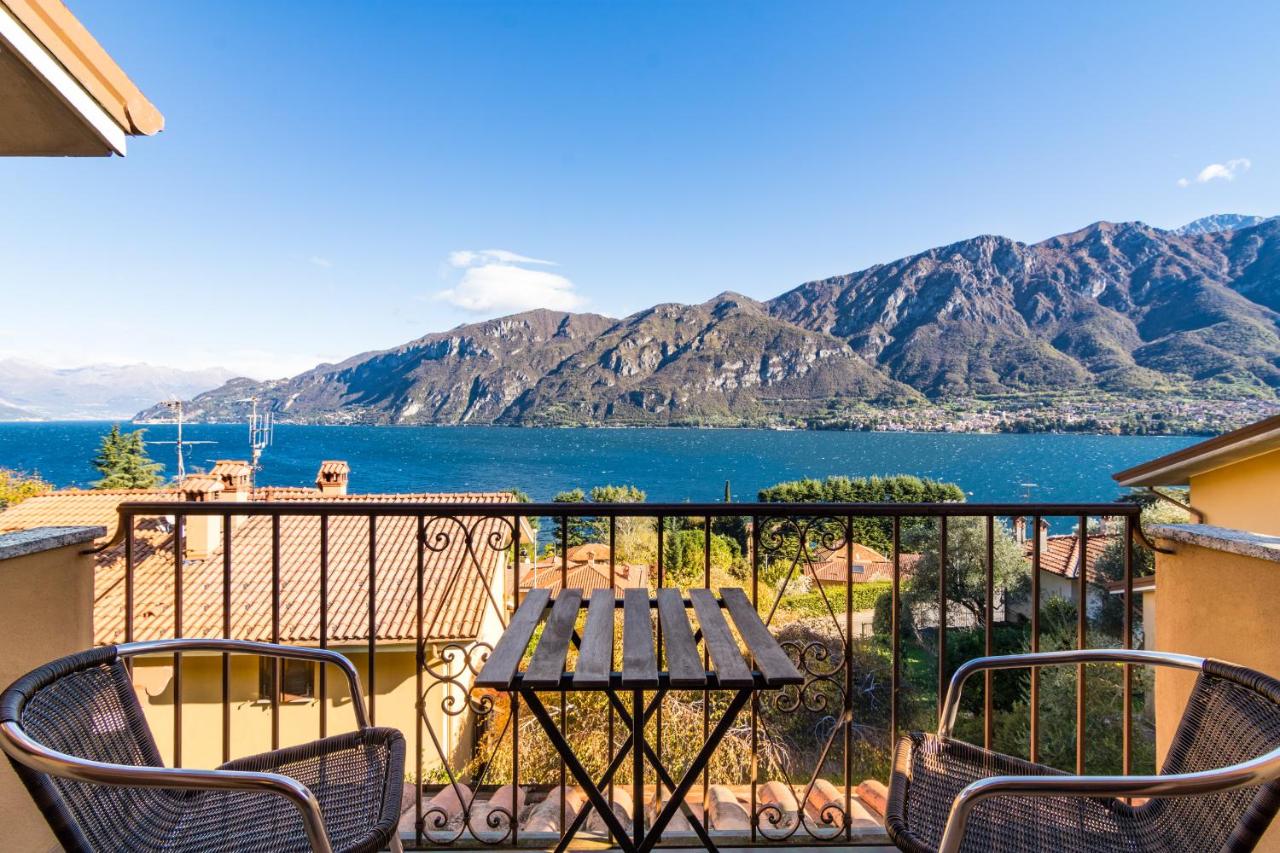
  • The Italian Lakes: Nestled at the foot of the Alps, Lake Como and Lake Garda offer a serene escape. A private boat tour on Lake Como is the best way to explore its charming villages like Bellagio and Varenna. On Lake Garda, the enchanting town of Sirmione, with its thermal baths and ancient fortress, is a highlight.
  • Verona & Venice: A short train ride away, Verona is a city of romance and history, home to Juliet’s House and the magnificent Arena di Verona. The journey culminates in Venice, a city built on water. You’ll glide through its legendary canals on a gondola, explore the grandeur of St. Mark's Square, and discover the artistic wonders of the islands of Murano and Burano.

Find out more about how to explore the beauty of this region in our Northern Italy itinerary.

2. Central Italy: The Heart of Art & Ancient Empire

This is the Italy of postcards, a land of rolling Tuscan hills, Renaissance art, and the magnificent Roman Empire. It's the core of Italy's cultural heritage.

  • The Cinque Terre: Along the Ligurian coast, the five villages of Cinque Terre are a hiker's paradise. Connected by scenic trails that wind through terraced vineyards and cliffside paths, these colorful towns offer some of the most spectacular coastal views in the world.
  • Florence & Tuscany: The cradle of the Renaissance, Florence is an open-air museum. Here, you'll find masterpieces like Michelangelo's "David" at the Galleria dell'Accademia and Botticelli's works at the Uffizi Gallery. From Florence, you can take a day trip into the rolling hills of Tuscany to visit charming medieval towns like Siena and San Gimignano and of course, taste the iconic Chianti wines.
  • Rome: The Eternal City is an extraordinary blend of ancient ruins and vibrant modern life. Stand in awe of the Colosseum and the Roman Forum, toss a coin in the Trevi Fountain, and explore the independent state of Vatican City, home to the Sistine Chapel and St. Peter's Basilica.

Dive deeper into the art and history of this region with our romantic Tuscan adventure itinerary.

3. Southern Italy & Sicily: Sun, Sea, & Ancient Ruins

The south is a land of passionate culture, ancient Greek and Roman ruins, and a vibrant coastal lifestyle. It offers a completely different pace from the north.

  • Naples & Pompeii: The bustling culinary capital of Naples is the gateway to Pompeii, the hauntingly preserved Roman city frozen in time by the eruption of Mount Vesuvius.
  • The Amalfi Coast: A UNESCO World Heritage site, the Amalfi Coast is a breathtaking stretch of rugged coastline dotted with colorful, vertical villages like Positano and Amalfi Town. A boat tour is the best way to appreciate its dramatic beauty.
  • Sicily: The largest island in the Mediterranean, Sicily is a world unto itself. Its rich history is reflected in its ancient Greek temples in Agrigento, its Arab-Norman architecture in Palermo, and the majestic volcano, Mount Etna.

Discover the secrets of the south with our Naples and the Amalfi Coast adventure or take a week-long journey through Sicily.

When to Go: Understanding the Seasons

The best time to visit Italy is during the shoulder seasons of April-May and September-October. The weather is pleasantly warm, the landscapes are at their most beautiful, and the crowds are smaller than in the peak summer months. Summer (June-August) is ideal for beach lovers but can be very hot and crowded, especially in the major cities. Winter (November-March) is a great option for budget travelers who want to explore museums and enjoy a less-crowded atmosphere.

Beyond the Plate: A Guide to Italian Cuisine

Italian food is a regional celebration. While pizza and pasta are staples, each region offers its own unique flavors. In the north, you'll find creamy risottos and hearty polenta. Central Italy is famous for its simple, fresh ingredients, olive oil, and wine. The south, with its long coastline, is known for fresh seafood and vibrant vegetables. No matter where you go, the secret to a great meal is to eat what the locals are eating and savor every moment. Of course, Italian cuisine deserves a deep diveDecoding Italian Food Culture: A Region-by-Region Guide to Eating Like a Local

Italy is more than just a destination; it's a feeling. It’s the taste of a fresh pasta dish, the sound of church bells echoing through a medieval town, and the feeling of standing in the presence of history. Use this guide as your starting point, but don't be afraid to wander off the beaten path and create your own unforgettable Italian story. If you're looking for something off the beaten path, check out the Hidden Gems of Italy: The Dolomites, Liguria, and More
 

FAQ & Expert Tips

What are the best places to visit in Italy?

Be prepared to fall in love with an extraordinary country - the food, the wine, the history, the art and architecture, the countryside, and the hillside towns. There is something here for everyone and obviously the list of places to visit in Italy is long.  

Visiting the iconic Italian cities such as Florence, Venice, and Rome are essential for your first trip to Italy. And, if that's an overdose of history, architecture and culture - it’s great to get off the beaten path a little bit and explore Cinque Terre - the five fishing villages near Tuscany region. And, if time permits Naples, the great archaeological site of Pompeii at the base of Mt. Vesuvius, the magical coastline at Amalfi, and a day trip to the Capri island to be among the celebrities.  

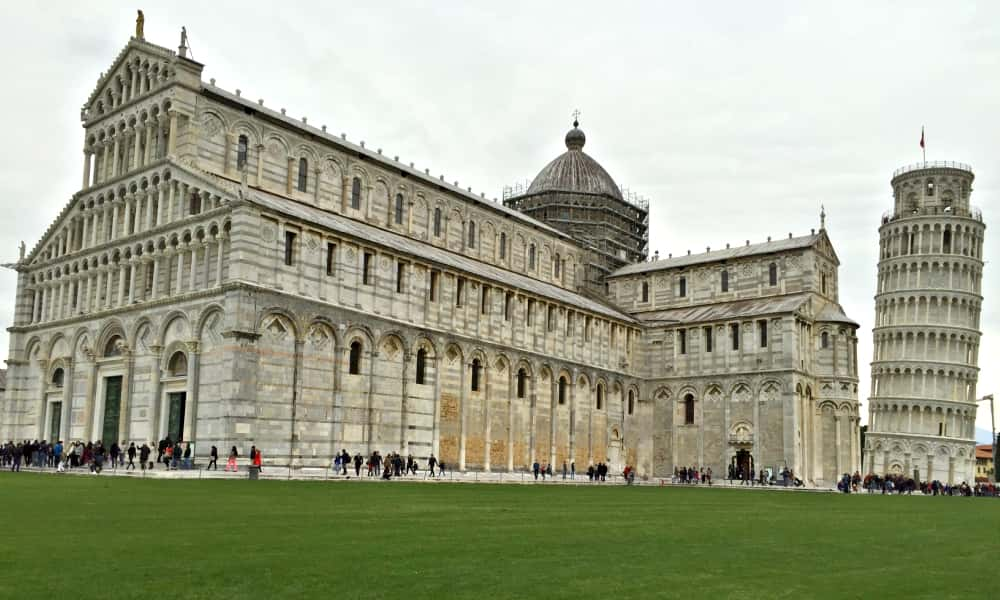
While each of these iconic places deserve a week-long trip in itself, let's move bit further along the list and you may want to consider adding Sienna and Chianti region while visiting Tuscany region. And, if you few more days - take a detour to Lucca, Sarzana in Liguria region while you admire the leaning tower of Pisa during a coffee break.

If you are focused on the northern Italy, then it's hard to resist the visit to Lake Como region made famous by the lakeside villas owned by the celebrities, but then dont miss out on the charming towns around Lake Garda, the Amarone vineyards, Verona - the City of Romeo Juliet, and the Dolomites bordering the Swiss and Austrian Alps. The Formula one lovers are spoilt for choices with Ferrari, Pagani and Lamborghini factories around Modena and it's not a bad idea to spend few days in Milan if big brand shopping is your thing.

For the folks who have more time - we certainly recommend visiting Sicily, the largest Mediterranean island - and you will be suitably rewarded with some of the most pristine beaches in the southern coastline around Ragusa, ancient Greek history and the towns of Cefalu, Palermo, Catania and Syracuse. And, dont forget to go up Mt. Etna - the only active volcano system in Europe and the evening at Taormina - the celebrity hill resort of the island.

We understand it’s a difficult choice to make. Speak with a Catterfly Expert to plan your trip to Italy. 
 

How many days are needed to visit Italy?

Most people have just a week or two to explore this amazing country, and we certainly hope that you are lucky to make several visits. In a week-long trip, you could perhaps visit one region of the Italy (like Northern, Central or Southern region), or focus on the iconic cities of Venice, Rome and Florence with some day tours from these locations. There is more an enough to experience in each of these places for the famous and off beat experiences for everyone’s taste.  

What is the weather in Italy like?

It is similar to the usual Mediterranean climate: the summers are dry and warm, and the winters wetter. However, it can vary significantly across regions. Northern Italy has relatively more moderate temperature during summers as compared to the southern part. But, southern region – Naples and further south literally outshines the Northern Italy during winters. Snowfall is not so common unless you are in Alpine regions in northern Italy (Dolomites or French-Italian border), or some of the ski resorts in the central Italy.  

What is the best time to visit Italy?

The best time to visit Italy is when it suits you and your schedule. The more popular months are in the spring (Mid-March to May) or fall (September and October) when there is nice weather, moderate temperatures, fewer tourists, and lower prices. The summer months can be hot, crowded, and expensive and August is the busiest month with Italians and people from all over Europe on vacation. Coastal and lake areas are very busy with visitors

However, it really depends on the nature of travel that one is planning as there are so many hidden gems in each of the region that works perfectly fine during winters / off peak season. Carnival in Venice, Christmas time in any of the big cities, and the southern region during the early / late winters is perhaps a great choice for folks who are looking to catch the last rays of sunshine when the northern Europe is still hibernating.

How to plan a trip to Italy?

While it depends on your personal travel interests like in architecture, history, country sides, natural scenic beauty, coastal areas - for a 3-5-day trip choose one destination – a city or area. If you have a week to 10 days then 3 places in either the north OR south of Italy, or go for the highlights like Venice, Rome, Florence. For a 2-week trip you could cover both north and south but try not to pack too much in one trip as each of the city or area has lots to experience and explore within and around. 

How to travel to Italy?

If you are planning to travel across places, it's a good idea to start from south and go North (or vice versa). Most people make the mistake of booking inbound and return flights from the same airport, which usually doesn't save money and time if your trip ends in other part of the country. Considering almost all the places and airports in Italy are well connected by public transport and taxis - don't hesitate to fly into relatively smaller airports (e.g. Pisa, Florence, Naples) especially when flying within Europe.  

Where to stay in Italy?

While it depends on your itinerary and personality (and of course the budget) - your choice of where to stay in Italy and the kind of experience is just about endless. and the kind of experience you want to have while visiting Italy. You can perhaps mix and match: stay at hotel big cities like Milan and then rent a villa or apartment in Tuscany when going off the beaten track.

The traditional choice for many is a hotel and Italy has choices in all shapes and sizes - but consider that most Italian hotels are small, family-owned enterprises and relatively few belong to hotel chains like Hyatt, Hilton and Starwood.

We typically recommend professionally managed B&Bs for an authentic local experience as owners are usually very hands-on and generally live on-site. But, thats changing fast where locals have moved out with the Tourist rush and would rather not live in the city e.g. Venice.

Renting a villa or apartment is probably the best way to truly “live like an Italian” and is a great choice for travelers who are a bit more independent and / or happy being supported by Catterfly local experts as they are exploring the country in their personal unique style. It can also be a very affordable option, especially if you are traveling with a larger group.

In recent times, Agriturismo concept has truly picked up in Italy and is being managed very professionally as well. It is typically a working farm that rents rooms or apartments and/or serves meals made from local and fresh products. These are typically not rustic places (while of course you can choose from those options as well) and generally nicely furnished, and often include many amenities available at hotels.

What is the best way to get around in Italy? How does public transportation in Italy work?

For internal transits; one can easily manage the intercity transits with the trains, but for some offbeat places - driving is recommended (e.g. Tuscany countryside, Amalfi coast etc.), but public transport option isn't inconvenient either if driving doesn't excite you enough.  

Most of the cities are connected by fast trains and regional trains as well. Its best to take fast train with seat reservations for transits across major cities. However, short distance connections (e. Florence to Pisa) - regional trains work just fine as well. It is certainly advisable to pre-book the train tickets in the fast trains as the prices can vary significantly and the availability during the peak season may be limited.

Villages or country sides around smaller towns are usually well connected by regional bus network – that may operate with somewhat unpredictable schedule but is quite reliable in terms of operation. It still works.

What are the daily expenses in Italy? What currency to carry?

Let's start with the easy one - Euro is the accepted currency and usually one doesn't need to indulge in carrying a lot of cash. Most places accept the credit cards / digital payments, but it's always a good idea to carry some cash for petty expenses, especially when going off the beaten track.

Daily expense budget is a difficult one to answer as every traveler has their own unique style and depends on the overall itinerary, choices around accommodation, sightseeing and logistic. It also depends on how many people are traveling together - but for two people traveling together (and sharing the accommodation), an average budget of 125-150 euros per day per person is normal to cover the cost of accommodation, sightseeing and internal transits. It will typically cost around 20-30 euros in meals per person per day unless you plan to splurge in fine dining restaurants.

Of course, it's possible to backpack at much lower costs - and that typically comes with usual choices around staying in hostels, traveling in off peak hours, skipping some expensive sightseeing experiences (e.g. Gondola ride in Venice) - but Italy is surprisingly affordable and offers lots of reasonable quality choices at different price points.

When it comes to luxury travel, of course there is no upper limit and its best to say that you will be spoilt for choices for everything starting from some of the best accommodation choices in the cities, but more importantly in the countryside as well. And, then personal concierge, guides, and chauffeurs can always be prearranged when you are traveling with Catterfly with a great local network in all the places.

Whatever be your style and budget of traveling, consult with a Catterfly local expert in the destination and be assured about a great Italian experience in your personal style.

What are the visa and insurance requirements for Italy?

All EU / EEA nationals will only need to present an identification document to enter Italy, due to the common travel area of the Schengen Zone. However, if you are a non-EU/EEA traveler wishing to visit Italy - you will need to present A valid passport or travel document with required validity (at least three more months beyond their planned date of Exit from Schengen, and issued within the last 10 years) and a valid Schengen visa along with required medical insurance cover. Certain passport holders (e.g. British) are exempt from the criteria of passport validity and issuance date.

At the port of entry - an Italian border police / officer may ask you a few questions related to your trip to Italy and holds the final decision if you shall be permitted to enter Italy or not. Please make sure that the Italian border officer stamps your passport when you enter Italy.

The above information is for guidance purpose only and you should consult the official website of Italy - Ministry of External Affairs and / or nearest consular office in your country.

https://www.esteri.it/mae/en/servizi/stranieri/ingressosoggiornoinitalia
  • 0
  • 0

Cart

  • {{ item.documentId.name }}