Combining a trip to Vietnam and Cambodia is one of the most popular ways to experience Southeast Asia. Since these two countries share a border, it is easy to travel between them by a short flight or even a scenic boat trip down the Mekong River. However, because the geography is so diverse, finding the perfect time to visit both in one journey requires a bit of planning.
If you want the most comfortable weather for exploring temples in Cambodia and cities in Vietnam, here is the ideal window for your adventure.
The Best Overall Window: November to February
For most travellers, the months between November and February are the "sweet spot" for a dual-country trip. During this time, both Vietnam and Cambodia are experiencing their dry season, which means you will have plenty of blue skies and very little rain to interrupt your plans.
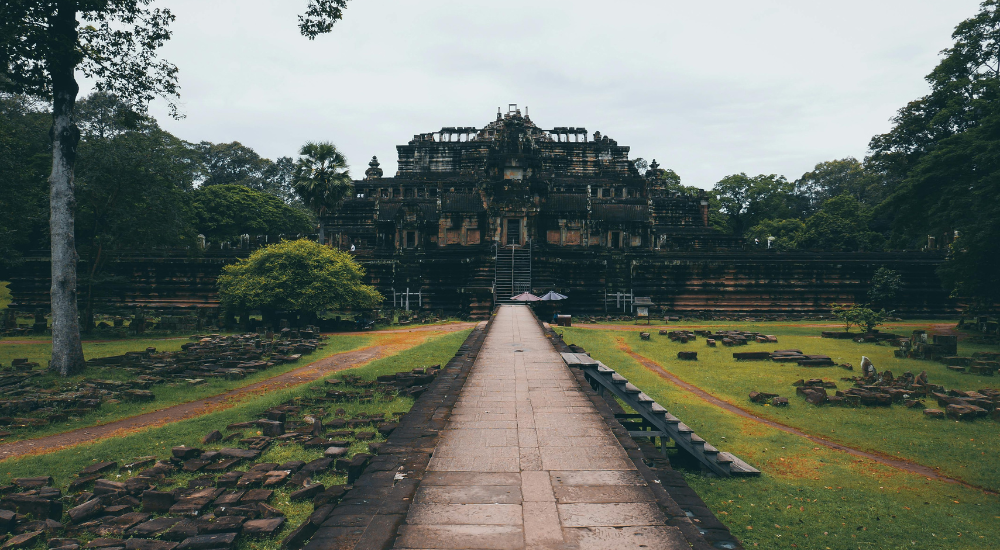
In Cambodia, this is the cool season. Temperatures are much milder, making it a lot easier to spend hours walking through the massive temple complex of Angkor Wat without the intense tropical heat. In Vietnam, the south is perfectly warm and dry, while the north is cool and crisp. This is widely considered the best time for a "grand tour" that covers everything from Hanoi down to Siem Reap.
The Hot and Sunny Season: March to May
If you are a fan of the heat and want to spend time on the beaches, the months of March and April are a great choice. During this period, the coastal areas of Vietnam, such as Da Nang and Nha Trang, are sunny and perfect for swimming.
However, you should be prepared for high temperatures in Cambodia and Southern Vietnam. By April, Cambodia can become extremely hot, with temperatures often rising above 35 degrees Celsius. If you choose this window, it is a good idea to plan your temple tours for the early morning or late afternoon to stay out of the midday sun.
The Green Season: May to October
This is the monsoon season for both countries, but it is not necessarily a bad time to travel. In fact, many people prefer this time because it is known as the "green season." The countryside in Cambodia becomes lush and vibrant, and the moats around the ancient temples fill with water, making for incredible photos.
The rain usually comes in short, heavy bursts in the afternoon, rather than lasting all day. The biggest advantage of travelling during these months is that there are far fewer tourists at major sites, and hotel prices are often much lower. Just keep in mind that Central Vietnam can see more significant rainfall starting in September, so you may want to focus your Vietnam portion on the North and South during these months.
Coordination for a Two-Week Trip
If you have about two weeks to see both, a common strategy is to start in the North of Vietnam and work your way south before hopping over to Cambodia.
For example, starting in Hanoi in November allows you to enjoy the cool autumn air. By the time you reach Ho Chi Minh City and eventually Siem Reap, you will be in the middle of the beautiful dry season. This route ensures that you get a mix of different climates while staying within the most comfortable weather window for the region.