Japan Winter Ski & Onsen Guide: Hakuba, Niseko & Zao Snow Monsters for Off-Peak Travel
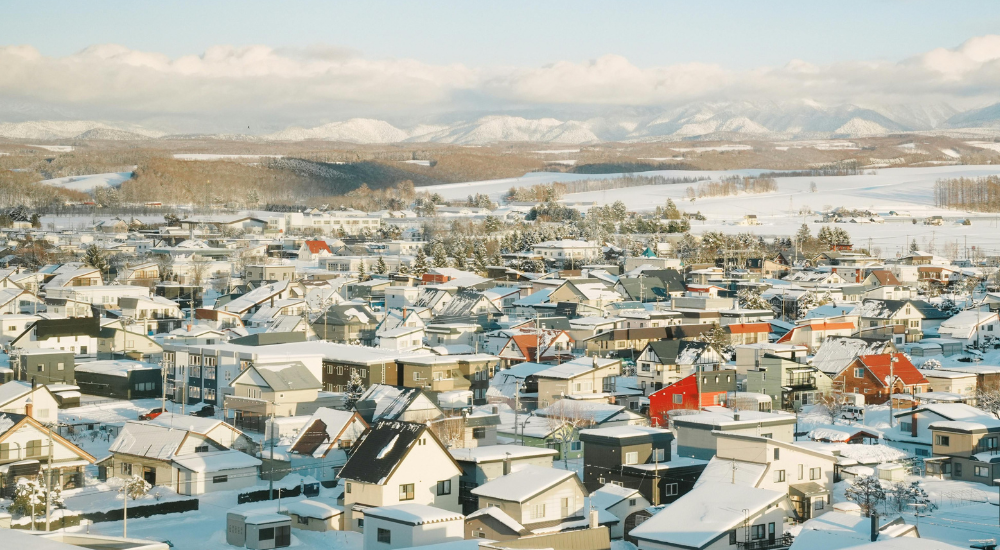
Northern Japan, specifically the island of Hokkaido, is home to vast national parks, wide open roads, and exquisite climate that transforms the landscape with every season. If you are looking for a mix of outdoor adventure and the freshest food in the country, this is your destination.
Northern Japan and the Japanese Alps are world renowned for their pristine powder snow and rich cultural heritage. If you're a traveler from the US or Europe seeking the ultimate winter escape, Japan in January and February offers a wonderful mix of outdoor adventures, nature and soothing cultural relaxation. From the legendary slopes of Hokkaido to the traditional hot springs (onsens), discover the perfect off-peak travel itinerary.
Northern Japan and the Japanese Alps are world renowned for their pristine powder snow and rich cultural heritage. If you're a traveler from the US or Europe seeking the ultimate winter escape, Japan in January and February offers a wonderful mix of outdoor adventures, nature and soothing cultural relaxation. From the legendary slopes of Hokkaido to the traditional hot springs (onsens), discover the perfect off-peak travel itinerary.
Niseko - The Powder Capital of Hokkaido
Exploring Hokkaido island's wilderness, national parks, and local fishing villages renowned for the freshest crab and seafood.
Niseko is famous globally for its deep, dry powder snow. Whether you are an expert skier or just starting out, the resort offers varied terrain for everyone. Exploring Hokkaido's wilderness wouldn't be complete without hitting these legendary slopes, followed by a feast of the region's freshest seafood after a long day in the cold . To make the most of your trip, booking comprehensive niseko ski resort packages ensures you get the best accommodation and lift access sorted before you arrive.
Hokkaido’s charm isn't limited to winter. Once the snow melts, the landscape undergoes a stunning transformation. By July, Furano bursts into vibrant, purple fields of lavender, while Asahikawa further north invites you to see polar bears and penguins thriving in the cooler northern climate.
Hakuba - The Heart of the Japanese Alps
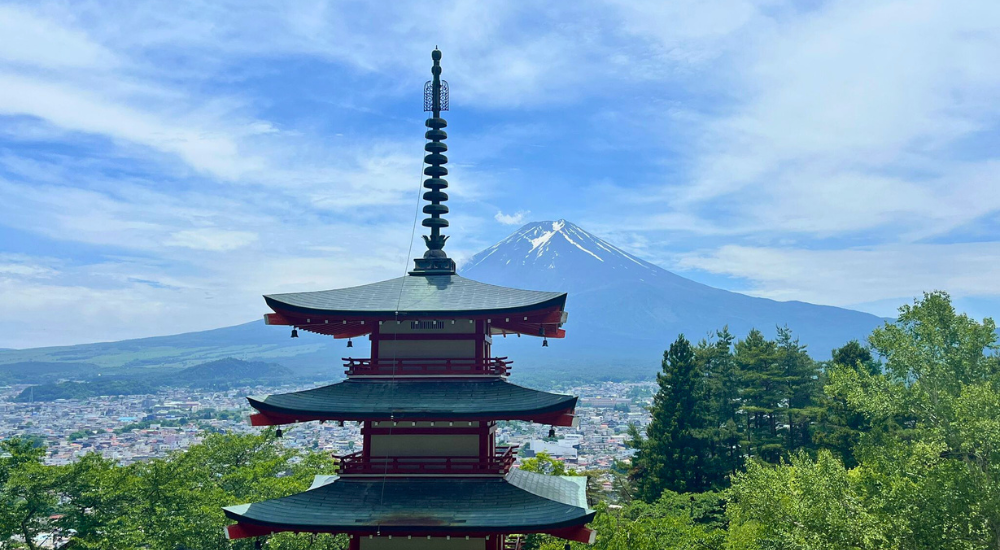
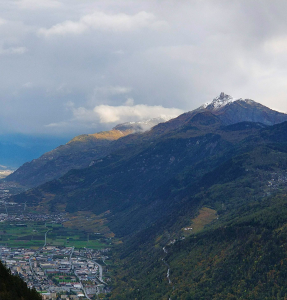
Mountain treks, alpine flora, and summer/autumn outdoor excursions in the Japanese Alps.
Located in Nagano, Hakuba hosted the 1998 Winter Olympics and continues to draw international winter sports and adventure enthusiasts offering thrill-seekers an ultimate playground of deep powder and rugged terrain. Beyond the slopes, Hakuba offers incredible alpine nature and outdoor adventures, allowing you to spend your days skiing and carving fresh powder before relaxing in traditional onsen towns where you can soak in mineral-rich waters surrounded by snow-capped peaks.
When you're off the slopes, the village charm of Hakuba takes over. Traditional wooden chalets, steaming hot spring (onsen) baths, and cozy izakayas serving hearty Nagano comfort food like handmade Shinshu soba noodles made from buckwheat flour provide the ultimate alpine retreat after a day in the powder.
When you're off the slopes, the village charm of Hakuba takes over. Traditional wooden chalets, steaming hot spring (onsen) baths, and cozy izakayas serving hearty Nagano comfort food like handmade Shinshu soba noodles made from buckwheat flour provide the ultimate alpine retreat after a day in the powder.
Zao Onsen & The Legendary Snow Monsters
For a truly unique winter experience, head to Yamagata prefecture. Zao Onsen is not just a historic hot spring village; it is home to the famous 'juhyo'. Witnessing the zao onsen snow monsters japan massive alpine trees heavily encased in snow and ice, creating surreal, towering figures. Is an unforgettable outdoor adventure that perfectly blends nature's artistry with the thrill of winter exploration. It is the ideal place to relax in a hot spring and unwind after wandering in the snow outside for the rest of your day.
Why Visit the North?
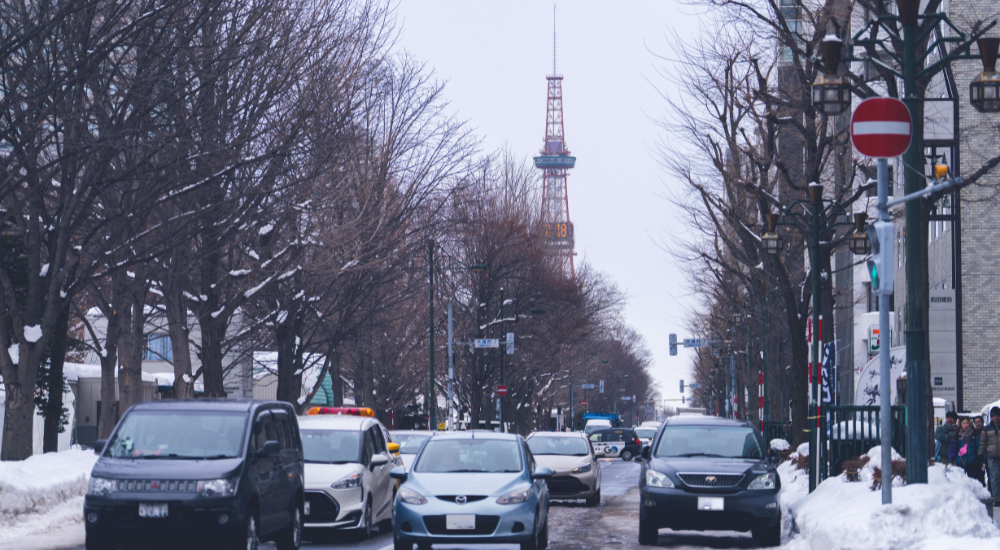
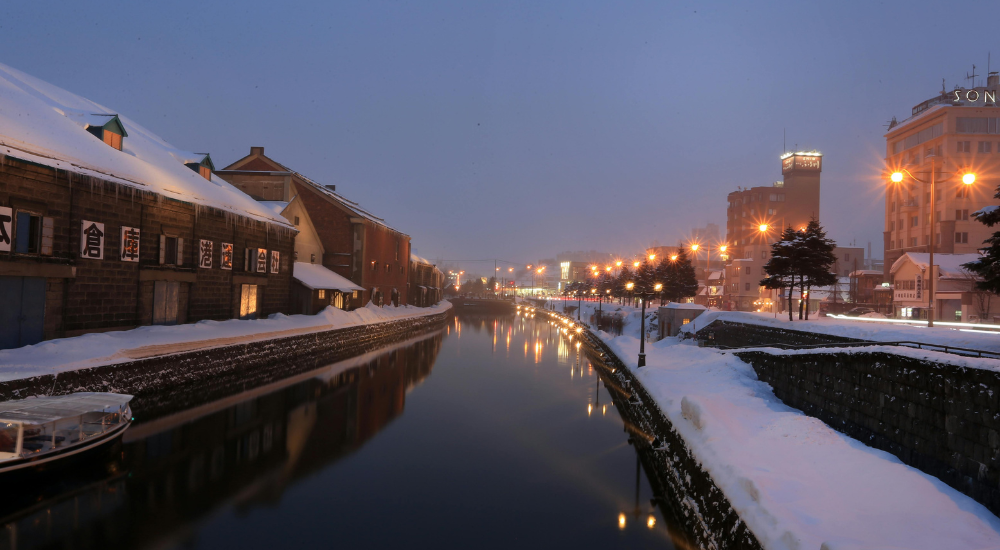
Northern Japan is a place that rewards curiosity, blending soothing snow covered surroundings with thrilling sports adventures. It is less crowded than the central 'Golden Route' and offers a sense of space that is hard to find elsewhere in Japan. Whether you are trekking through a national park, soaking in a natural hot spring overlooking the ocean, or eating a bowl of warm miso ramen in Sapporo, the North provides a deeply authentic and refreshing travel experience.
Conclusion
While Japan is a popular destination year-round, traveling during the winter months (January-February) allows you to experience its most dramatic seasonal beauty. We are currently finalizing exclusive ski and onsen offerings tailored for our global travelers to ensure you get the absolute best of Japan's winter. Booking a tailored package guarantees seamless travel across Niseko, Hakuba, and Zao, complete with authentic culinary experiences. Embrace the breathtaking nature, thrilling outdoor adventures, soothing hot springs, and fresh seafood of Northern Japan on your next winter holiday.