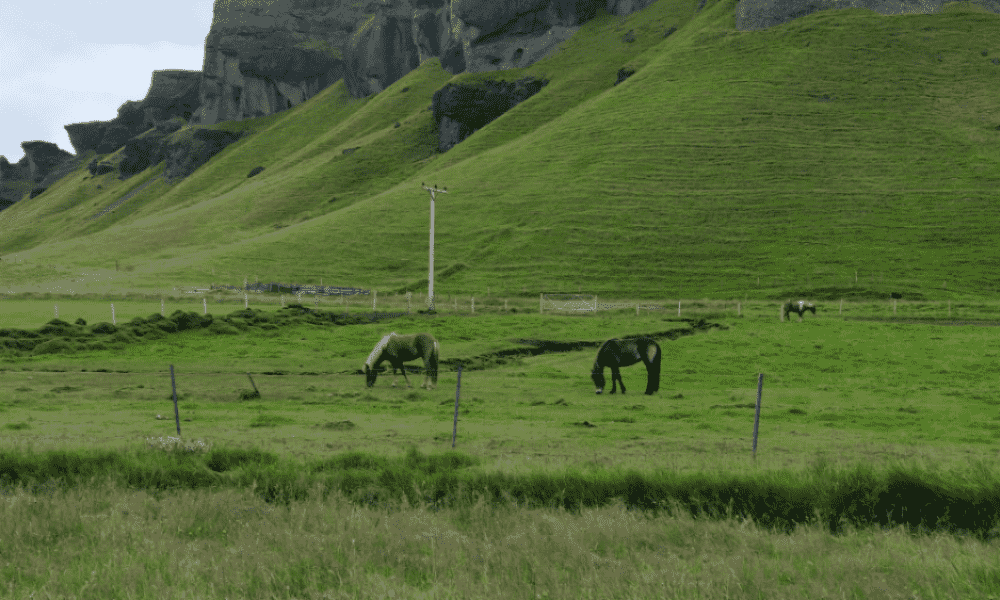
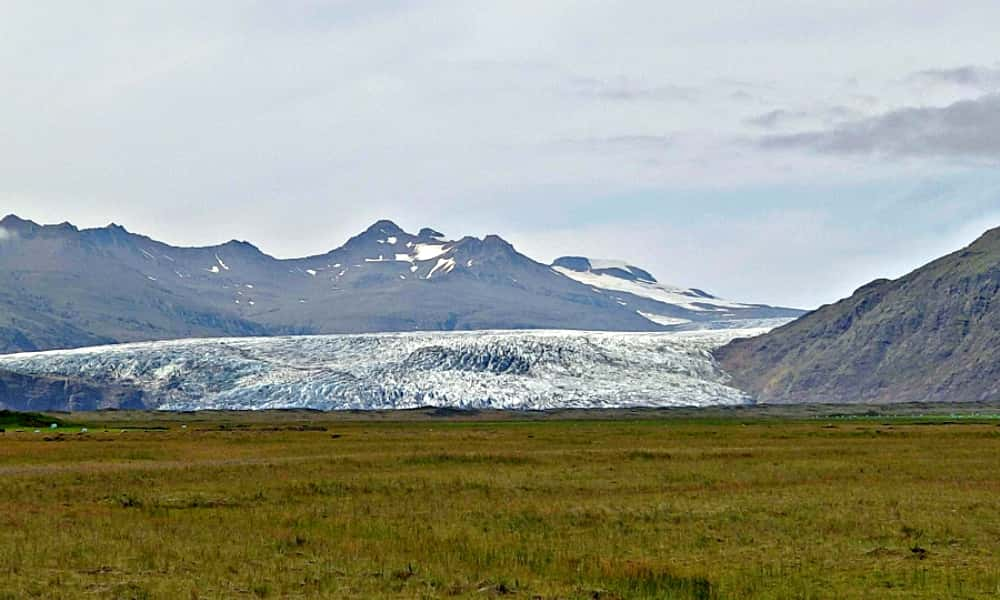
Iceland, the land of Fire and Ice, is a destination of raw, untamed beauty. From the thundering waterfalls and active volcanoes to the ethereal glow of the Northern Lights, this island nation offers a journey unlike any other. Whether you are navigating the famous Ring Road or exploring the "road less rotated" via a clockwise route, Iceland promises a dramatic landscape at every turn.
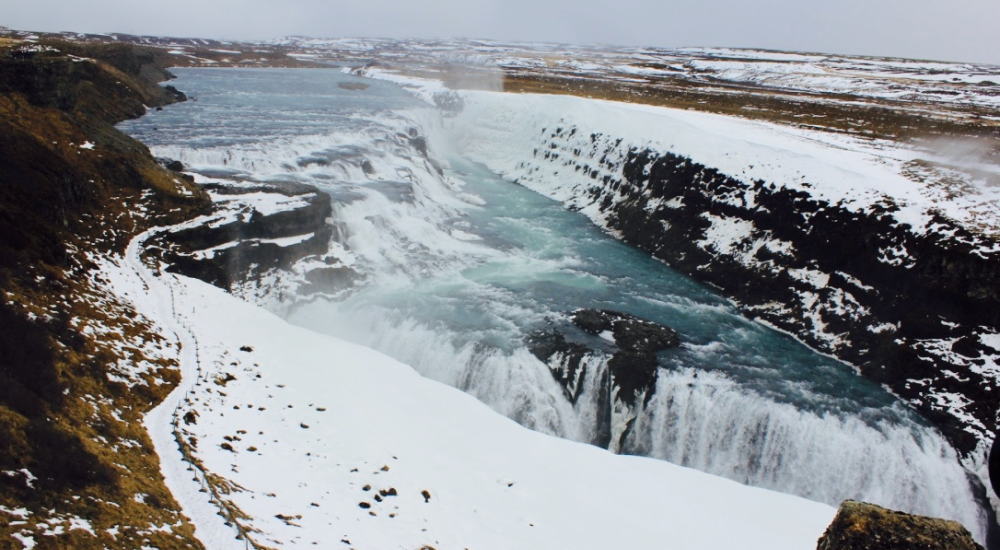
Ready to plan a trip where the earth literally breathes beneath your feet? This essential guide covers everything from the best time to visit to the logistics of a clockwise self-drive adventure!
Why Iceland Should Be Your Next Trip
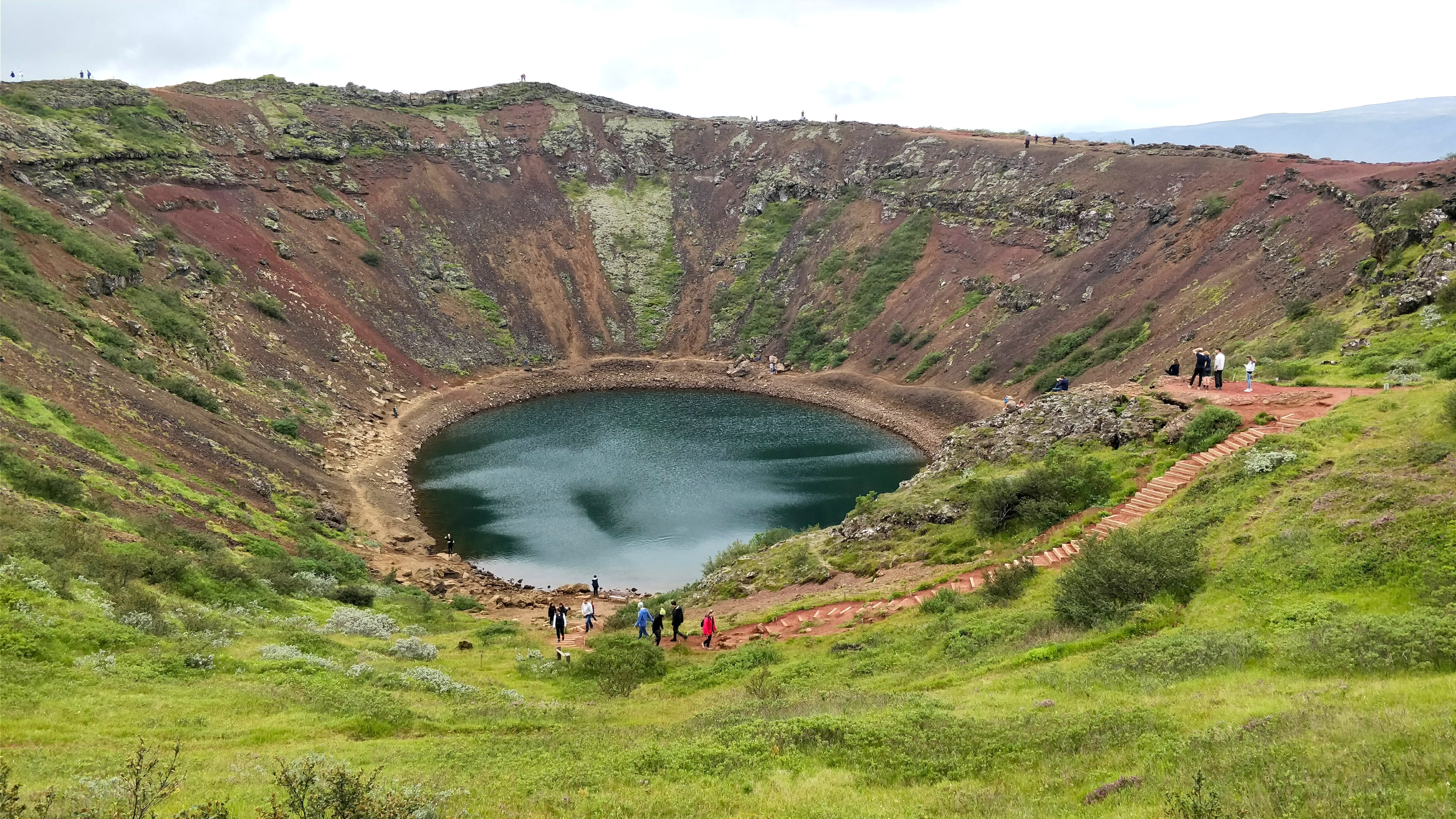
Iceland’s core appeal lies in its surreal, otherworldly landscapes and the sense of freedom it offers:
Geological Wonders: Witness the earth’s creation in real-time with tectonic plates pulling apart at Thingvellir and erupting geysers.
The Ultimate Road Trip: Iceland is built for self-drive enthusiasts. The freedom to stop at every hidden waterfall or scenic turnout is unmatched.
Fire & Ice: Where else can you hike a glacier in the morning and soak in a volcanic hot spring in the evening?
The Northern Lights & Midnight Sun: Experience the celestial dance of the Aurora Borealis in winter or the endless daylight of the Midnight Sun in summer.
When to Go: Seasons, Weather, and Crowds
Summer (June – August): The most popular time. You’ll enjoy the Midnight Sun, open highland roads (F-roads), and the best weather for hiking. This is also the peak time for puffin watching.
Autumn (September – October): A "sweet spot" with fewer crowds, the beginning of Northern Lights season, and beautiful fall colors in the moss-covered lava fields.
Winter (November – March): Ideal for ice cave tours and the best Aurora viewing. Be prepared for short days and challenging driving conditions (ice and high winds).
Spring (April – May): The shoulder season. You’ll see the snow melting and waterfalls at their most powerful, with lower prices and fewer tourists.
The Essentials: What You Need to Know Before You Go
Plugs: Iceland uses Type F and Type C power sockets (standard European). The voltage is 230V.
Driving Logistics: If taking the "Road Less Rotated," a 4WD vehicle is highly recommended, especially for the north and east.
Currency: The Icelandic Króna (ISK). Iceland is almost entirely cashless; you can pay for even a single coffee or a remote parking spot with a card or phone.
Tipping: Much like Switzerland, tipping is not expected as service is included. Rounding up is appreciated but never mandatory.
Getting Around: The Freedom of the Road
Self-Drive (Highly Recommended): This is the gold standard for Iceland. It allows you to explore at your own pace and reach off-the-beaten-path locations in the north.
Guided Small Group Tours: Excellent if you prefer not to drive in unpredictable weather.
Internal Flights: A quick way to reach Akureyri (the capital of the North) if you are short on time.
Reykjavik and South Coast (5 Days)
Don't want to drive? |
Regional Vibe Check
West Fjords: Dramatic cliffs and ancient fjords. This is the place for remote adventure, spotting Arctic foxes, and visiting the thundering Dynjandi waterfall.
The North (Akureyri & Mývatn): The "Capital of the North," Akureyri, offers a vibrant culture. Nearby, the Mývatn region feels like another planet with its volcanic craters and steaming mud pools.
The East Fjords: Steep mountains and narrow fjords. This is the place for slow travel, spotting reindeer, and visiting tiny fishing villages like Seyðisfjörður.
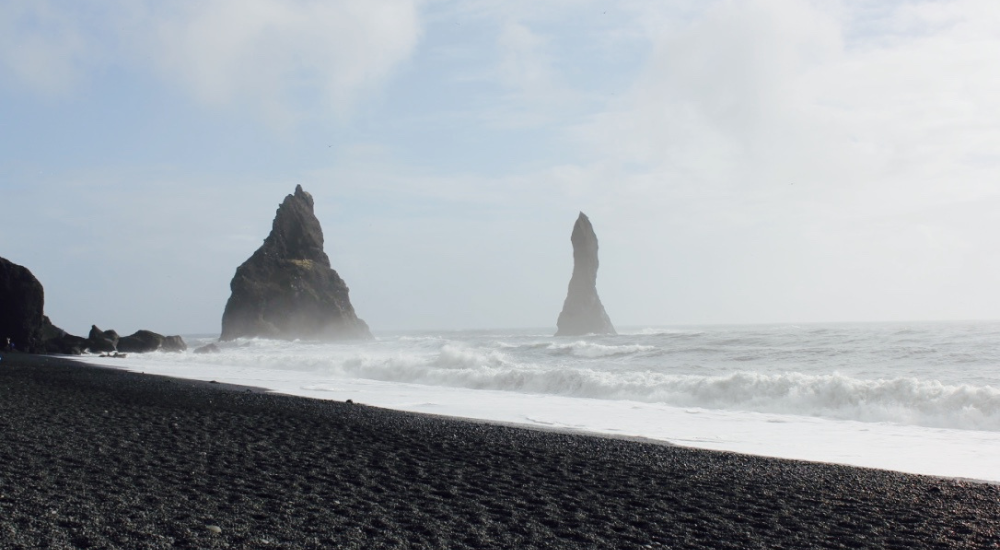
The South Coast: The "Highlight Reel." Home to the famous black sand beaches of Reynisfjara, the Jökulsárlón Glacier Lagoon, and iconic waterfalls like Skógafoss.
The Grand Iceland Ring Road (11 Days)
See it all in one loop |
Must-Do Icelandic Experiences
Soak in the Blue Lagoon: Or the more "local" Mývatn Nature Baths in the north.
Walk Behind a Waterfall: Visit Seljalandsfoss for a 360-degree view of the falling water.
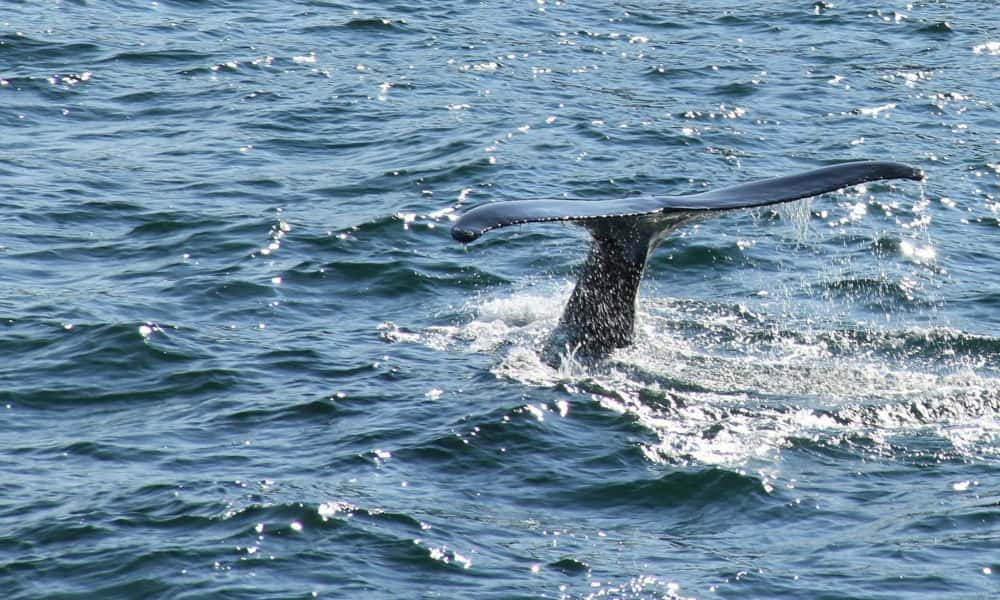
Whale Watching in Húsavík: Known as the whale-watching capital of Europe.
Visit the Diamond Beach: Where icebergs from the lagoon wash up on jet-black sand like giant crystals.
Explore the "Dark Castles": Walk through Dimmuborgir's massive lava formations in the north.
Extended Iceland Ring Road - Westfjords & Off-Roads (14 Days)
For the Ultimate Explorer: |
Pro Tips: Budget & Packing
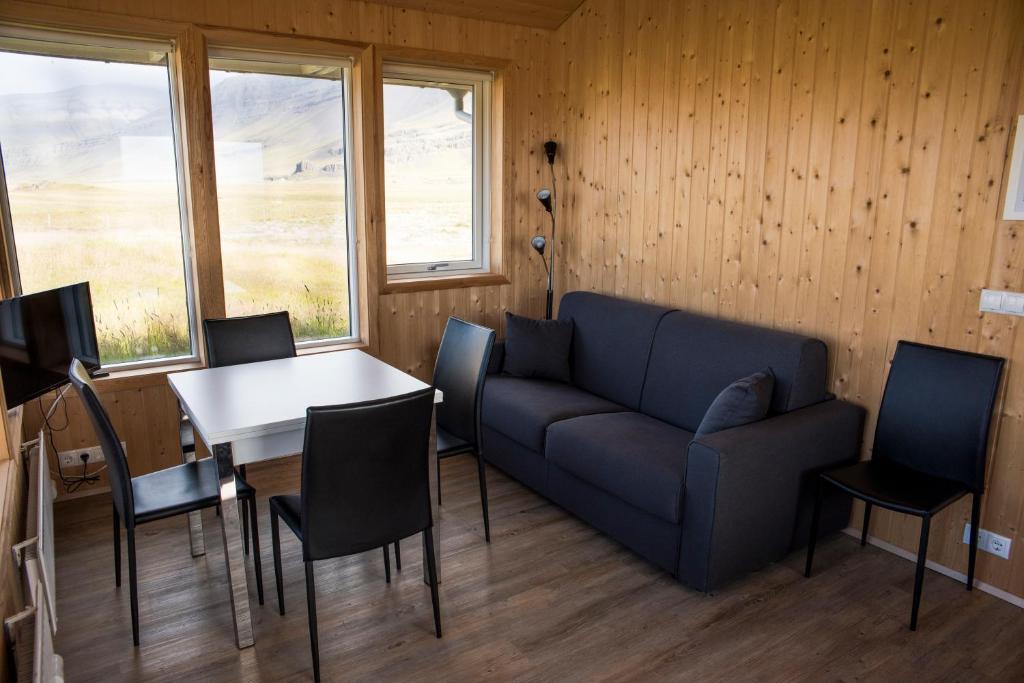
Food Costs: Iceland is expensive. To save, shop at "Bónus" or "Krónan" supermarkets and utilize the apartment-sharing/self-catering options mentioned in our traveler tales.
The "Three-Layer" Rule: No matter the season, wear a base layer (merino wool), an insulating layer (fleece/down), and a waterproof/windproof outer shell.
Alcohol: Buy your alcohol at the Duty-Free store in the airport upon arrival; it is significantly cheaper than in city stores or bars.