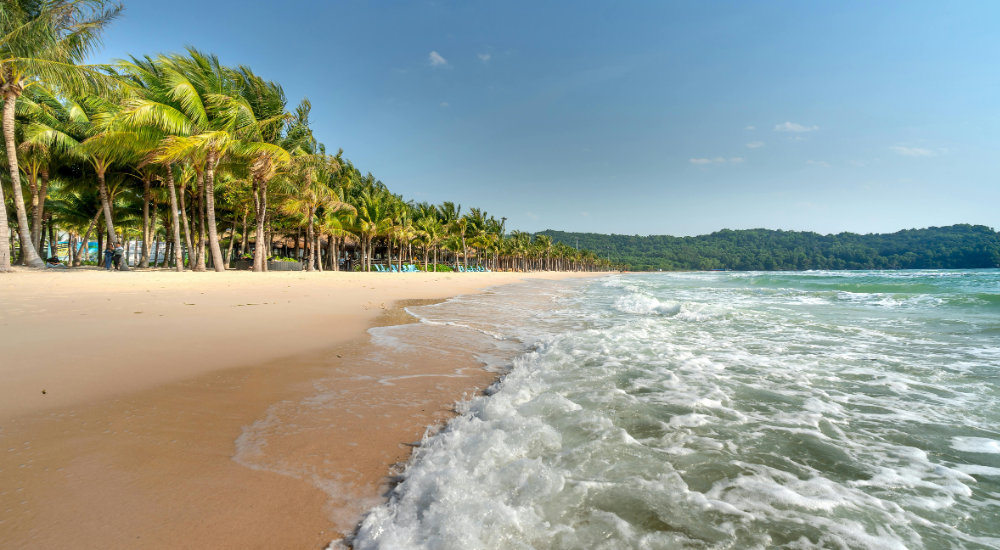
If you are planning a trip to Vietnam, the calendar is your best friend. Because the country is so long, the "best" time to go depends entirely on which region you want to see and whether you want to experience the local festivals. This month-by-month breakdown helps you see at a glance what to expect throughout the year.
January: The Cool and Festive Start
January is one of the most popular months to visit. In the North, it is winter so you will need a jacket for Hanoi and Sapa. The South is in its prime with dry, sunny days.
- Weather: Cold in the North, pleasant in Central, and perfect beach weather in the South.
- Festival: This often coincides with Tet (Lunar New Year), the biggest holiday in Vietnam. It is a time of colourful flowers and family gatherings, though be prepared for many shops to close for a few days.
February: Spring Blossoms
The weather remains similar to January, but the North begins to see the first signs of spring. It is a fantastic time for a cruise in Halong Bay as the mist often creates a poetic, moody atmosphere.
- Weather: Dry across most of the country.
- Festival: The Perfume Pagoda Festival begins near Hanoi, drawing thousands of pilgrims to this stunning cave temple.
March: The Ideal Balance
Many experts consider March the best single month to visit Vietnam. The North is warming up, and the Central beaches are beautiful and sunny.
- Weather: Low humidity and clear skies nationwide.
- What to do: This is the perfect time for trekking in the northern highlands of Sapa or Ha Giang.
April: The Bridge Month
April marks the transition from spring to summer. It is still excellent for travel, but temperatures in the South are beginning to rise.
- Weather: Warm and mostly dry.
- Festival: Reunification Day (April 30) sees big celebrations and fireworks in major cities like Ho Chi Minh City.
May: The Early Summer
The heat begins to pick up in May, and you might see some short, tropical afternoon showers in the South. This is a great time to find lower prices before the peak summer crowds arrive.
- Weather: Hot and increasingly humid.
- What to do: Visit the Ninh Binh region to see the rice fields turning golden just before the harvest.
June and July: Peak Beach Season
These are the hottest months of the year. While the North and South see more rain, the Central coast (Da Nang and Hoi An) stays sunny and dry, making it the best time for a beach holiday.
- Weather: High temperatures and occasional monsoon rains in the North and South.
- Tip: Stick to the coast of Central Vietnam to get the best of the summer sun.
August: The Lush Landscapes
August is wet in many areas, but the rain brings the countryside to life. The rice terraces in the north are a vivid, bright green that looks incredible in photos.
- Weather: Rainy but tropical and warm.
- What to do: This is a great time for photography in the rural mountain regions.
September: The Golden Harvest
September is a magical time in the North. The rice terraces in Mu Cang Chai and Sapa turn a brilliant yellow as they ripen for harvest.
- Weather: Cooling down in the North, but the rainy season begins in Central Vietnam.
- Festival: The Mid-Autumn Festival features lion dances and mooncakes, which are a delight for families and children.
October: Autumn in the Capital
Hanoi is at its most beautiful in October. The air is crisp, the sky is blue, and the city’s trees start to change colour.
- Weather: Perfect in the North, wet in the Central region, and drying out in the South.
- What to do: Take a walking tour of the Hanoi Old Quarter to enjoy the autumn atmosphere.
November: The Return of the Dry Season
As the year winds down, the South enters its best travel window again. The humidity drops, and the Mekong Delta becomes very easy to explore.
- Weather: Dry and sunny in the South, cool and dry in the North.
- What to do: Head to the islands like Phu Quoc for the start of the beach season.
December: The Winter Escape
December is a busy month with many travellers coming for the Christmas and New Year holidays. The atmosphere in the cities is very festive.
- Weather: Chilly in the North (you will need a coat), sunny and warm in the South.
- What to do: Enjoy the rooftop bars in Saigon or the cozy, lantern-lit streets of Hoi An.