Yoyogi Park: A Peaceful Oasis in the Heart of Shibuya

Blog

Yoyogi Park: A Peaceful Oasis in the Heart of Shibuya

Written by Mrigakshi Apr 10, 2026

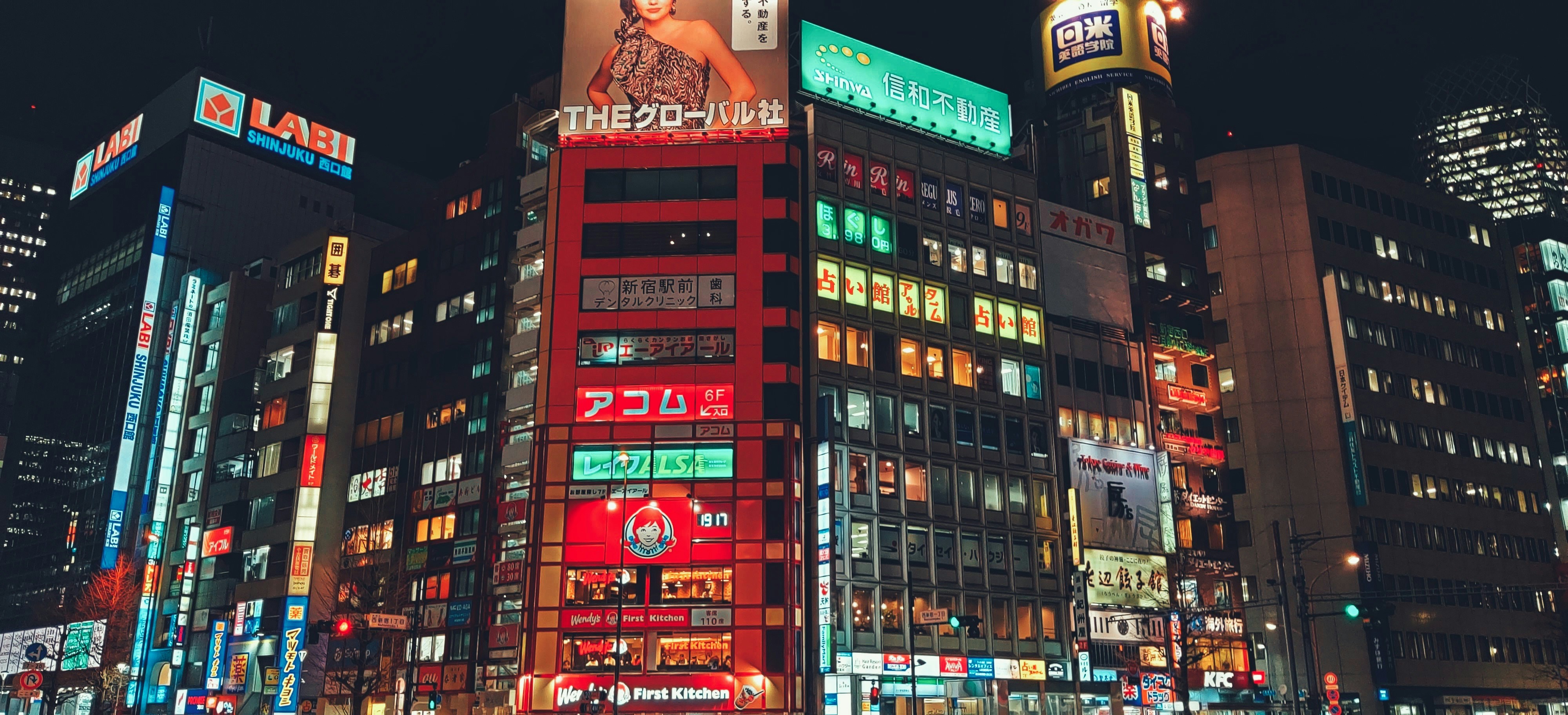
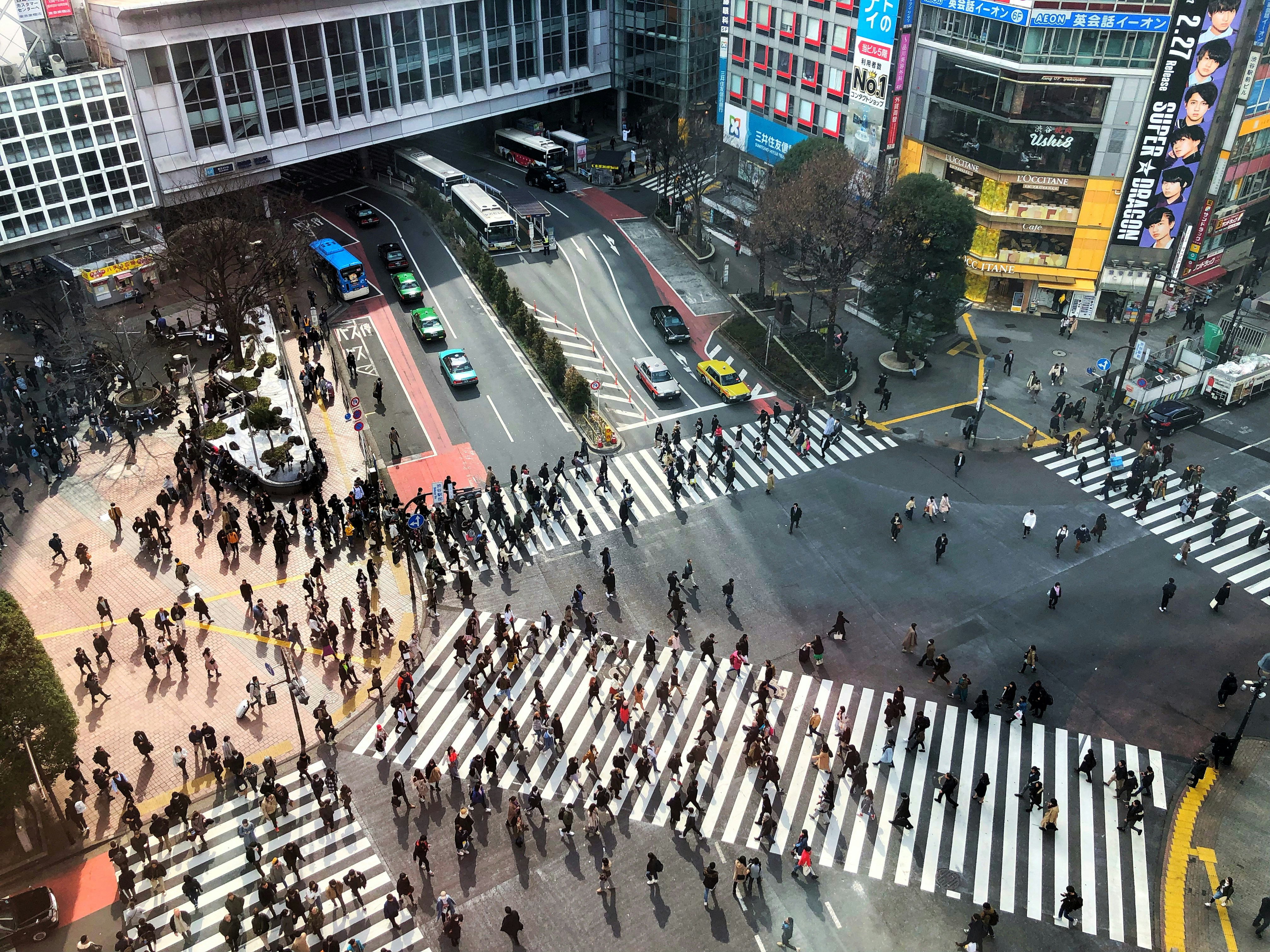
In a city as fast-paced as Shibuya, everyone needs a place to slow down. Yoyogi Park is that place. Known as one of Tokyo’s largest and most popular parks, it offers a huge breath of fresh air just steps away from the famous scramble crossing. It’s one of the best things to do in Shibuya Tokyo when you want to relax and enjoy nature right in the middle of the city.

A Park for Everyone

What makes Yoyogi Park special is that it welcomes everyone. On any given weekend, you’ll see families having picnics, musicians practicing their instruments, and even groups of dancers in 1950s outfits. It’s a great place to see the creative side of Shibuya ward Tokyo.

If you enjoy staying active, the park has a great cycling center where you can 
rent a bike. There are also basketball courts and wide paths perfect for a morning jog. It is truly one of the most fun things to do in Shibuya Tokyo for people who love the outdoors.

A Touch of History

The ground beneath your feet has a very interesting story. Long before it was a park, this area was the site of Japan's first powered flight in 1910. Later, it served as the Olympic Village for the 1964 Tokyo Olympics. Today, you can still see the Olympic Memorial Lodge, a small building that reminds visitors of the park's sporty past.

Seasonal Beauty All Year Round

No matter when you visit Japan, Yoyogi Park has something beautiful to show you:


  • Spring: The park is filled with over 700 cherry trees, making it a top spot for "hanami" (cherry blossom viewing) parties.

  • Summer: The deep green trees provide plenty of shade for those hot Tokyo afternoons.

  • Autumn: The ginkgo trees turn a stunning golden yellow, creating a perfect backdrop for photos.

  • Winter: The open landscape becomes quiet and peaceful, perfect for a long, thoughtful walk.
Planning Your Visit

Yoyogi Park is very easy to find. It is just a short walk from Harajuku Station or Yoyogi-Koen Station. Entry is free, and the park is open 24 hours a day, making it easy to fit into any schedule.

Next time you find yourself overwhelmed by the bright lights and big crowds of the city, remember that a peaceful forest is waiting for you at Yoyogi Park Shibuya.

Related Posts

FAQ & Expert Tips

What is the "Golden Route" in Japan?

The Golden Route is the most popular travel circuit for first-time visitors, typically starting in Tokyo, passing through the Hakone/Mount Fuji region, and ending in Kyoto and Osaka. It offers a balanced mix of Japan’s ultra-modern technology and its ancient, preserved history.

How many days are needed for the Japan Golden Route itinerary?

We recommend a minimum of 9 to 12 days. This allows for 3–4 days in Tokyo, 1 night in a traditional Ryokan in Hakone, and 3–4 days to explore the cultural landmarks of Kyoto and Nara.

Is the Japan Rail Pass (JR Pass) worth it for this package?

Yes, for the Golden Route, the JR Pass is often cost-effective as it covers the Shinkansen (bullet train) journeys between Tokyo, Odawara (Hakone), and Kyoto. However, our travel specialists provide a personalized cost-benefit analysis based on your specific side trips to ensure it’s the best value for you.

What is the best time of year to travel the Golden Route?

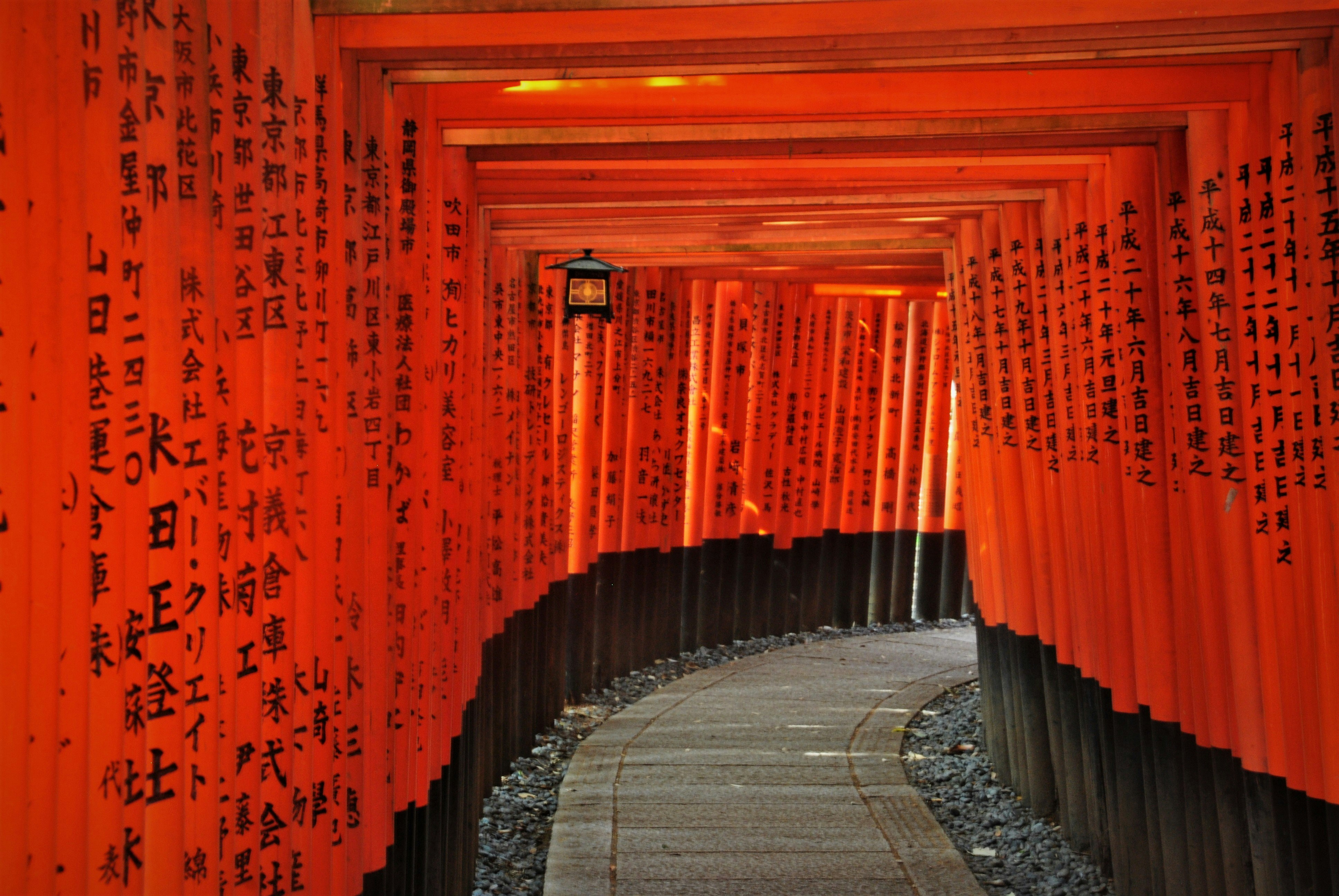
The most popular times are Spring (late March to mid-April) for the Cherry Blossoms and Autumn (November) for the vibrant fall foliage. However, traveling in the "shoulder seasons" of May or September offers milder weather and fewer crowds at major sites like Fushimi Inari.

Can this Golden Route package be customized for families?

Absolutely. Catterfly specializes in "slow travel" and can adapt the itinerary to include family-friendly spots like the Ghibli Museum in Tokyo, the Hakone Open-Air Museum, or a traditional ninja workshop in Kyoto, ensuring the pace is comfortable for all ages.

What are the must-see sights on the Golden Route?

  • Tokyo: Senso-ji Temple and the Shibuya Crossing.
  • Hakone: A Lake Ashi cruise and views of Mount Fuji.
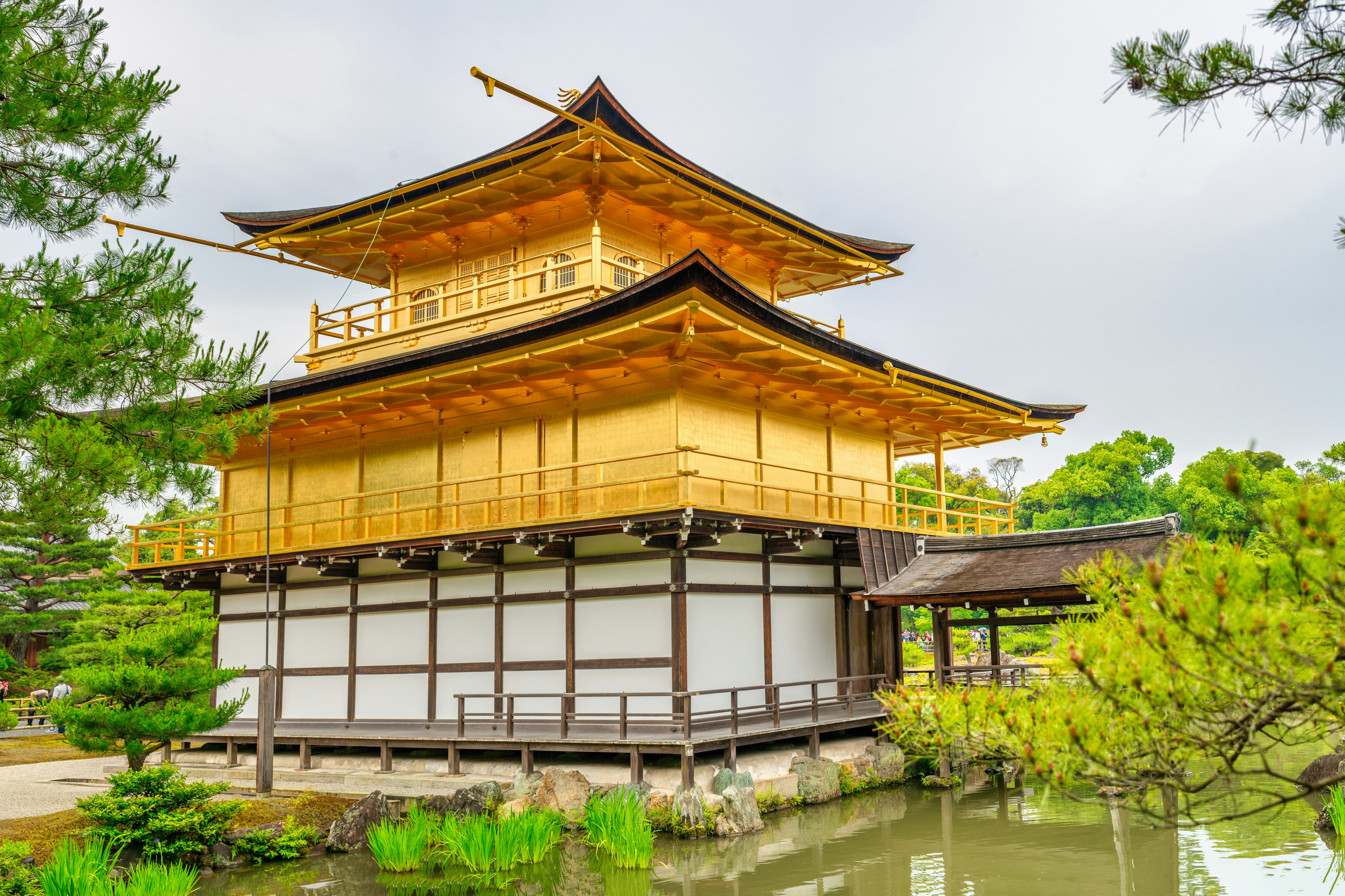
  • Kyoto: The Kinkaku-ji (Golden Pavilion) and the Arashiyama Bamboo Grove.
  • Nara: The giant Buddha at Todai-ji Temple and the bowing deer of Nara Park.

Do I need a guide for the Golden Route?

While the Golden Route is easy to navigate via public transport, Catterfly offers "Local Insiders" for specific days. Having a guide in Kyoto, for example, helps you navigate the hidden alleys of Gion and understand the deep historical context that isn't found on signboards.
  • 0
  • 0

Cart

  • {{ item.documentId.name }}