The Jungfrau Region is one of Switzerland’s most iconic alpine destinations, offering dramatic mountains, sparkling lakes, and charming villages. Nestled in the Bernese Oberland, this region draws travellers from around the world for its combination of adventure, scenic beauty, and accessible mountain excursions. Whether you want panoramic views from mountain peaks, quaint alpine villages, or a taste of adventure sports, the Jungfrau Region has it all.
This guide brings together the best experiences across Interlaken, Lauterbrunnen, Mürren, Gimmelwald, Grindelwald, and Jungfraujoch, allowing you to plan a seamless multi-day visit or select the highlights for a single-day adventure. For longer itineraries, these excursions fit perfectly within a grand Switzerland itinerary or a 10-day Essential Switzerland trip, linking effortlessly to other destinations such as Lucerne, Zermatt, and Lake Geneva. Check out our full (Ultimate Guide to Switzerland) for more insider tips.
Interlaken: The Adventure Capital of the Alps
Interlaken sits between Lake Thun and Lake Brienz, surrounded by snow-capped peaks like the Eiger, Mönch, and Jungfrau. Its central location makes it the perfect base for exploring the surrounding region, offering a balance of outdoor adventure, cultural charm, and lakeside leisure.
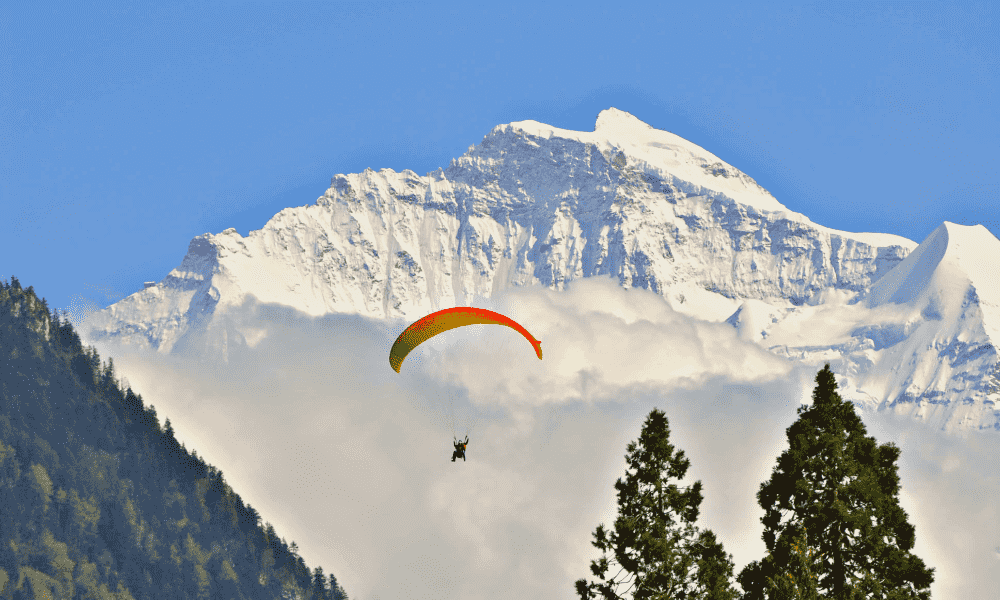
Start with a walk through Unterseen, Interlaken’s historic district, to explore quaint streets, local markets, and views of the Schlosskirche and the Statue of Yash Chopra. A stroll along Höhematte Park offers open-air views of paragliders descending from the mountains. For a different perspective, take a Lake Thun or Lake Brienz cruise, or ride up to Harder Kulm, the local viewpoint, for panoramic vistas over the town and the surrounding lakes.
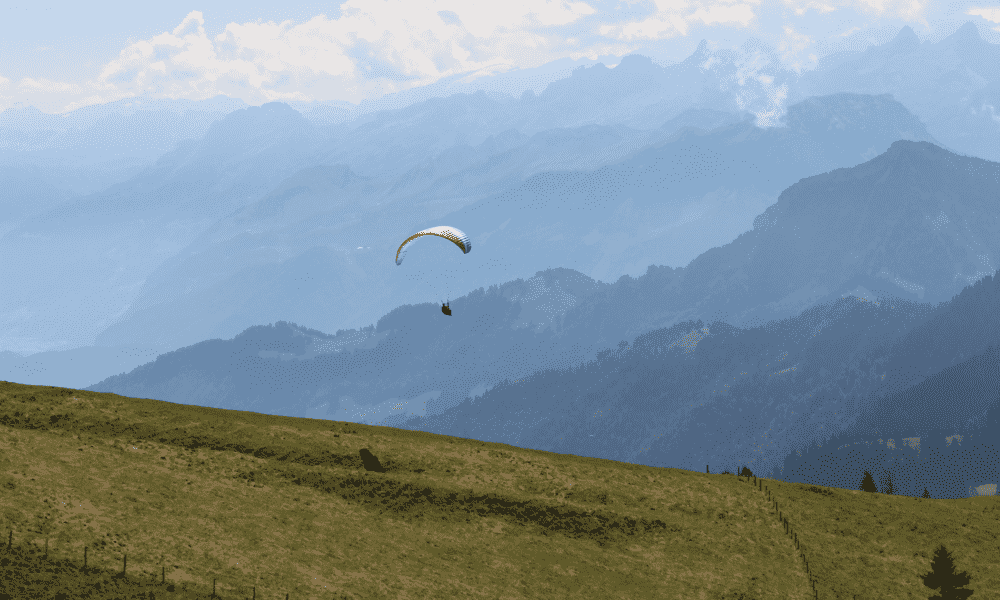
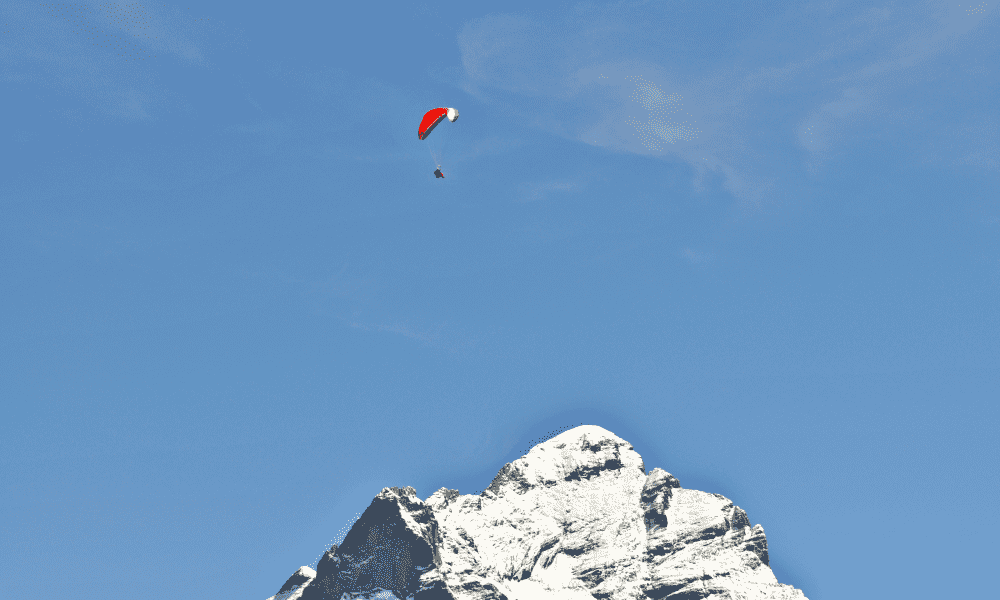
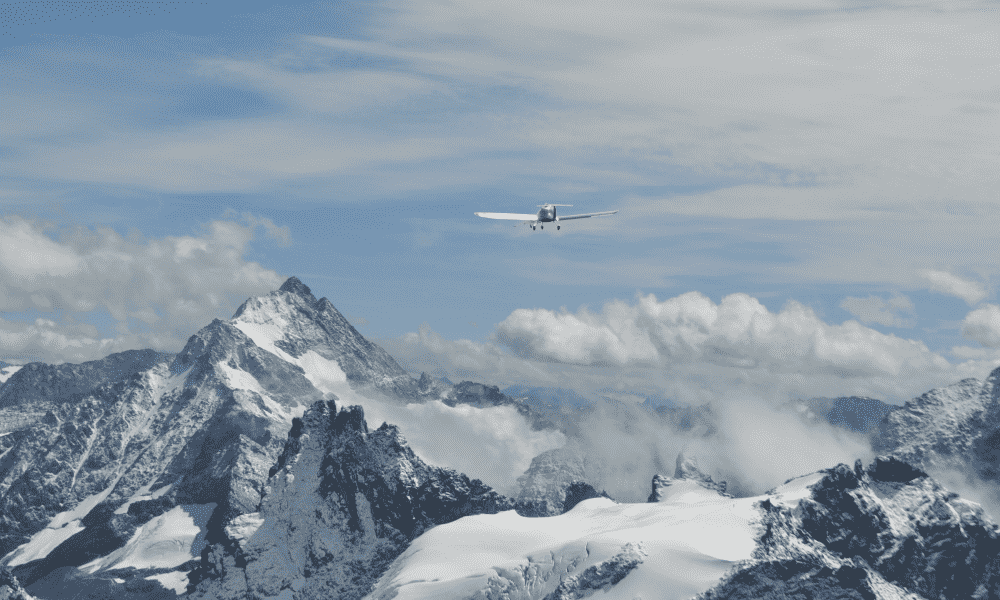
Adventurers can add paragliding or scenic flights for unforgettable aerial views. Interlaken’s compact size makes it ideal for day trips to nearby valleys, peaks, or alpine villages.
Lauterbrunnen, Mürren & Gimmelwald: Alpine Villages Among Waterfalls
A short journey from Interlaken takes you to Lauterbrunnen Valley, often called the “Valley of 72 Waterfalls.” Towering cliffs, cascading streams, and alpine meadows set a fairytale backdrop for exploration. Visit the Staubbach Falls and Trümmelbach Falls, the latter a series of glacier-fed waterfalls accessible via lifts and tunnels within the mountainside.
From Lauterbrunnen, a cable car and funicular ride bring you to Mürren, a car-free village perched on the cliffside, with panoramic views over the valley and Jungfrau peaks. Nearby Gimmelwald, another tranquil village, offers a slower pace, rustic alpine charm, and hiking trails that connect back toward Lauterbrunnen.
This route is ideal for those seeking scenic walks, waterfall photography, and authentic alpine village life, while remaining within reach of Interlaken for lodging or onward journeys.
Grindelwald: First Mountain and Glacier Gorge Adventures
Grindelwald is a hub for mountain activities in the Jungfrau Region. Start your visit with a ride on the First cable car, which opens access to hiking trails, panoramic viewpoints, and adrenaline experiences like the First Cliff Walk. The hike to Bachalpsee Lake is particularly scenic, with reflections of the Eiger and surrounding peaks in the crystal waters.
Nearby, the Glacier Gorge (Gletscherschlucht) offers dramatic views of the fast-flowing Lütschine River through narrow, rock-carved channels — a thrilling natural spectacle for families and adventurers alike. Grindelwald also provides traditional alpine dining and souvenir shopping in its charming village streets.
Jungfraujoch: The Top of Europe
No visit to the Bernese Oberland is complete without reaching Jungfraujoch, Europe’s highest railway station at 3,454 meters. Accessible from Interlaken via Kleine Scheidegg, the journey passes Wengen and Grosse Scheidegg, offering breathtaking alpine vistas along the way.
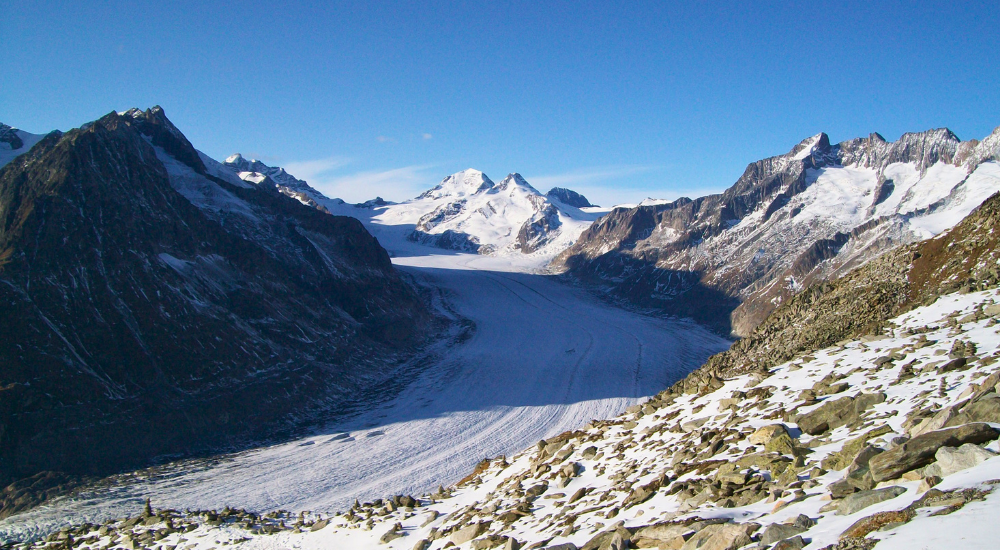
At Jungfraujoch, visitors can explore the Ice Palace, enjoy year-round snow activities, and stand on the Sphinx Observation Deck with 360-degree views of the Aletsch Glacier and surrounding peaks. This high-alpine excursion is ideal for those seeking the ultimate panoramic experience, but it requires a full day due to travel time and high-altitude acclimatization.
Planning Your Jungfrau Region Highlights
You don’t need a week to experience the best of the Jungfrau Region - although it's highly recommended. With a smart plan, you can see all the highlights in two days, or fit many of them into a single day if your schedule is tight.
The secret is linking trains and cableways efficiently so you maximize sightseeing without rushing. A suggested two-day plan could look like this:
- Day 1: Schynige Platte: Enjoy alpine meadows and panoramic mountain views.
Männlichen: Easy hikes with sweeping vistas of the Lauterbrunnen Valley.
Schilthorn: Iconic cliffside views and a James Bond connection.
- Day 2: Jungfraujoch: The “Top of Europe” with year-round snow and glacier landscapes.
Grindelwald-First: Adventure trails, cliff walks, and the Glacier Gorge.
Tips for smoother travel:
- Base yourself near Interlaken Ost or Wilderswil for quick access to Lauterbrunnen and Grindelwald.
- Avoid driving; the region is best explored by rail and cableway.
- Use a Swiss Travel Pass, Jungfrau Travel Pass, or Berner Oberland Pass for seamless journeys.
Following this approach lets you experience majestic peaks, serene alpine villages, waterfalls, and lakes in the most efficient way possible.