The Best Ryokans in Kyoto: Experience Traditional Hospitality

Blog

The Best Ryokans in Kyoto: Experience Traditional Hospitality

Written by Mrigakshi Pradhan Apr 13, 2026

To truly feel the "old Japan" vibe, you should stay at least one night in a Ryokan (a traditional Japanese inn). These historic buildings are more than just places to sleep; they are places to experience fundamental aspects of Japanese culture like the garden, the bath, and the cuisine all at once.

The True Ryokan Experience

Staying in a Ryokan is a unique way to slow down and enjoy legendary Kyoto service. Here is what makes the experience so special:

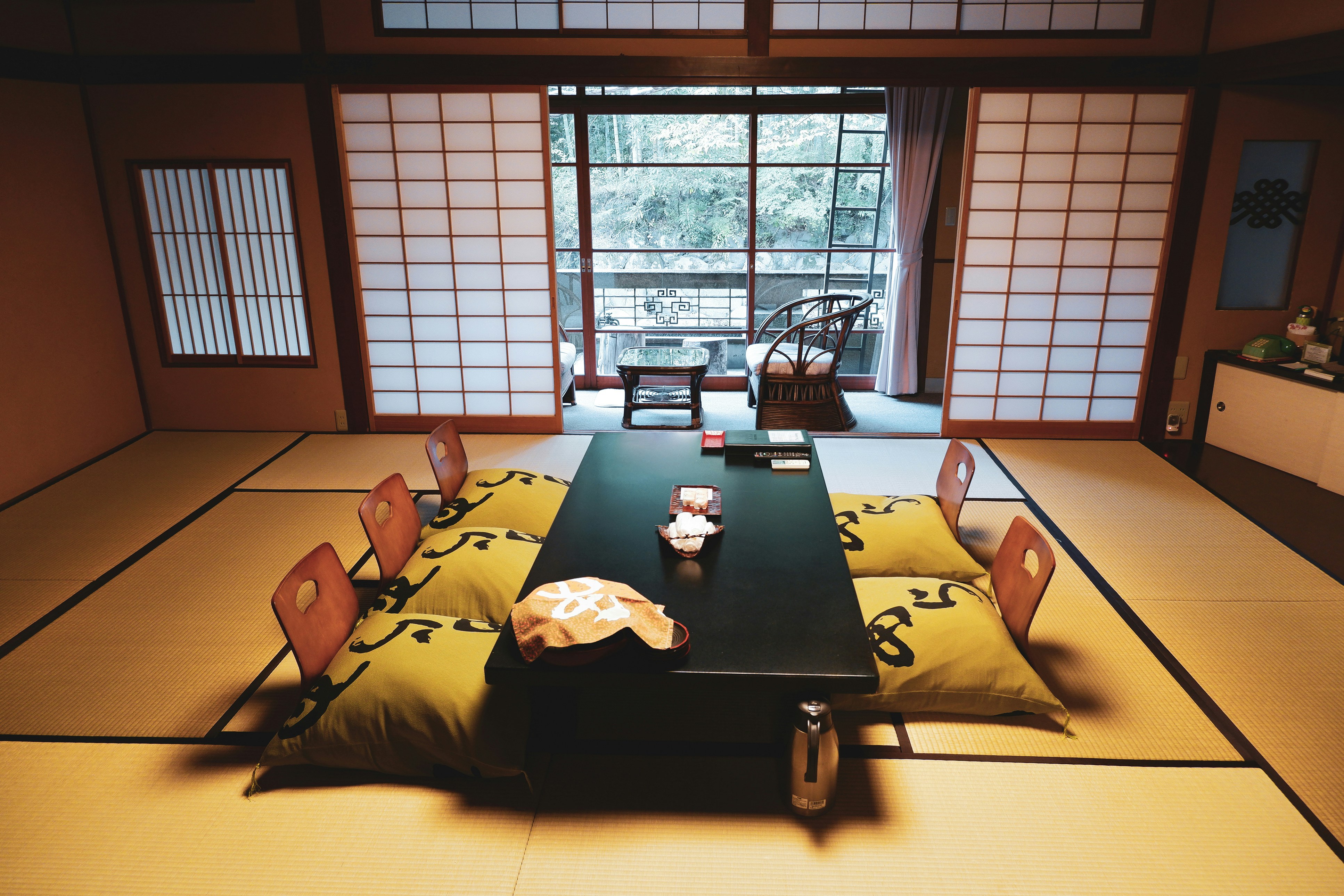
  • The Room: You will live in a space with tatami (straw mat) floors and a peaceful atmosphere.

  • Sleeping: At night, a maid will lay out comfortable futons for you to sleep on the floor.

  • Wearing Yukata: Upon arrival, you can change into a yukata (a light cotton robe) provided by the inn to wear during your stay.

  • Kaiseki Dining: High-end ryokans are like "three-star residential restaurants" where you can enjoy a full kaiseki spread - a multi-course dinner of seasonal local specialties.

  • Traditional Baths: You can soak in a large common bath or, in some luxury spots, enjoy a private en suite bathtub overlooking a garden.

Top Picks for Your Stay

Kyoto offers a range of ryokans depending on your budget and what you want to see:

  • Luxury (The Best of the Best): Tawaraya is widely considered the finest ryokan in all of Japan, offering a secret "inner sanctum" feel with just 18 rooms. Other top choices include Hiiragiya and Seikoro, which are famous for their beautiful wooden architecture.

  • Mid-Range (The Sweet Spot): Ishibeikoji Muan is a magical find located on what many call the most beautiful pedestrian lane in Kyoto. Gion Yoshiima and Ryokan Izuyasu are also excellent family-run options that offer great service and traditional surroundings.

  • Budget-Friendly: If you want to try the ryokan life without breaking the bank, Ryokan Shimizu near Kyoto Station is a great foreigner-friendly choice.

Why Gion and Higashiyama?

For the most authentic feel, look for ryokans in the Gion or Southern Higashiyama districts. These areas are the heart of the historic district, where you can walk out of your inn and find yourself on ancient wooden streets, hidden shrines, and even catch a glimpse of a maiko (apprentice geisha) performing. 

Related Posts

FAQ & Expert Tips

What is the "Golden Route" in Japan?

The Golden Route is the most popular travel circuit for first-time visitors, typically starting in Tokyo, passing through the Hakone/Mount Fuji region, and ending in Kyoto and Osaka. It offers a balanced mix of Japan’s ultra-modern technology and its ancient, preserved history.

How many days are needed for the Japan Golden Route itinerary?

We recommend a minimum of 9 to 12 days. This allows for 3–4 days in Tokyo, 1 night in a traditional Ryokan in Hakone, and 3–4 days to explore the cultural landmarks of Kyoto and Nara.

Is the Japan Rail Pass (JR Pass) worth it for this package?

Yes, for the Golden Route, the JR Pass is often cost-effective as it covers the Shinkansen (bullet train) journeys between Tokyo, Odawara (Hakone), and Kyoto. However, our travel specialists provide a personalized cost-benefit analysis based on your specific side trips to ensure it’s the best value for you.

What is the best time of year to travel the Golden Route?

The most popular times are Spring (late March to mid-April) for the Cherry Blossoms and Autumn (November) for the vibrant fall foliage. However, traveling in the "shoulder seasons" of May or September offers milder weather and fewer crowds at major sites like Fushimi Inari.

Can this Golden Route package be customized for families?

Absolutely. Catterfly specializes in "slow travel" and can adapt the itinerary to include family-friendly spots like the Ghibli Museum in Tokyo, the Hakone Open-Air Museum, or a traditional ninja workshop in Kyoto, ensuring the pace is comfortable for all ages.

What are the must-see sights on the Golden Route?

  • Tokyo: Senso-ji Temple and the Shibuya Crossing.
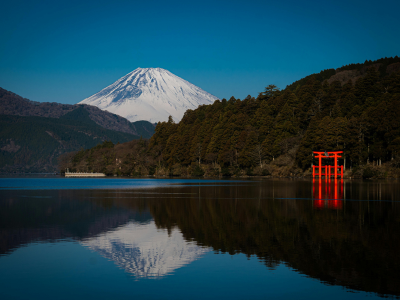
  • Hakone: A Lake Ashi cruise and views of Mount Fuji.
  • Kyoto: The Kinkaku-ji (Golden Pavilion) and the Arashiyama Bamboo Grove.
  • Nara: The giant Buddha at Todai-ji Temple and the bowing deer of Nara Park.

Do I need a guide for the Golden Route?

While the Golden Route is easy to navigate via public transport, Catterfly offers "Local Insiders" for specific days. Having a guide in Kyoto, for example, helps you navigate the hidden alleys of Gion and understand the deep historical context that isn't found on signboards.
  • 0
  • 0

Cart

  • {{ item.documentId.name }}