The Kitchen of Japan: A Deep Dive into Osaka’s Food Scene

Blog

The Kitchen of Japan: A Deep Dive into Osaka’s Food Scene

Written by Mrigakshi Pradhan Apr 07, 2026
Osaka is famously known as the "Capital of Cuisine," where the food is as spirited and welcoming as the local people. Most of Osaka’s iconic dishes are "economical fares," making it the perfect destination for travelers who want to eat well on a budget.

Top Iconic Dishes You Can't Miss:

  • Takoyaki (Grilled Octopus Balls): This is Osaka's most famous "soul food". These ball-shaped snacks are made from a flour and egg-based batter filled with octopus slices, pickled ginger, and green onion. They are topped with a savory sauce, mayonnaise, green laver (aonori), and dancing bonito flakes (katsuobushi).

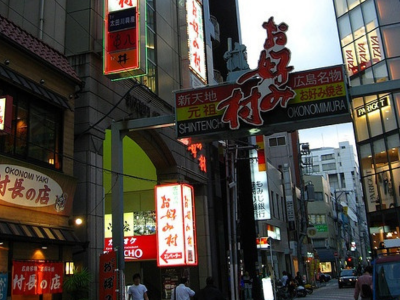
  • Okonomiyaki (Savory Pancakes): Unlike the layered version in Hiroshima, Osaka-style okonomiyaki mixes all the ingredients—shredded cabbage, flour batter, and your choice of meat or seafood—together before grilling. You can often cook these yourself on a hot plate at your table for a fun, interactive meal.

  • Kushikatsu (Fried Skewers): These are battered and deep-fried pieces of meat, seafood, and vegetables on skewers. While pork and lotus root are classics, some places even fry exotic items like strawberries. Pro Tip: In traditional kushikatsu joints, never double-dip your skewer in the communal sauce bottle!

  • Kitsune Udon: A simple, comforting bowl of thick wheat noodles served in a hot soup with a piece of deep-fried tofu (aburaage) on top. It’s named "Kitsune" (fox) because folklore says fried tofu is a fox’s favorite treat.

  • Teppanyaki: For a more refined experience, teppanyaki involves a chef skillfully grilling high-grade beef or fresh seafood on an iron griddle right in front of you.


Where to Eat: The Best Food Districts

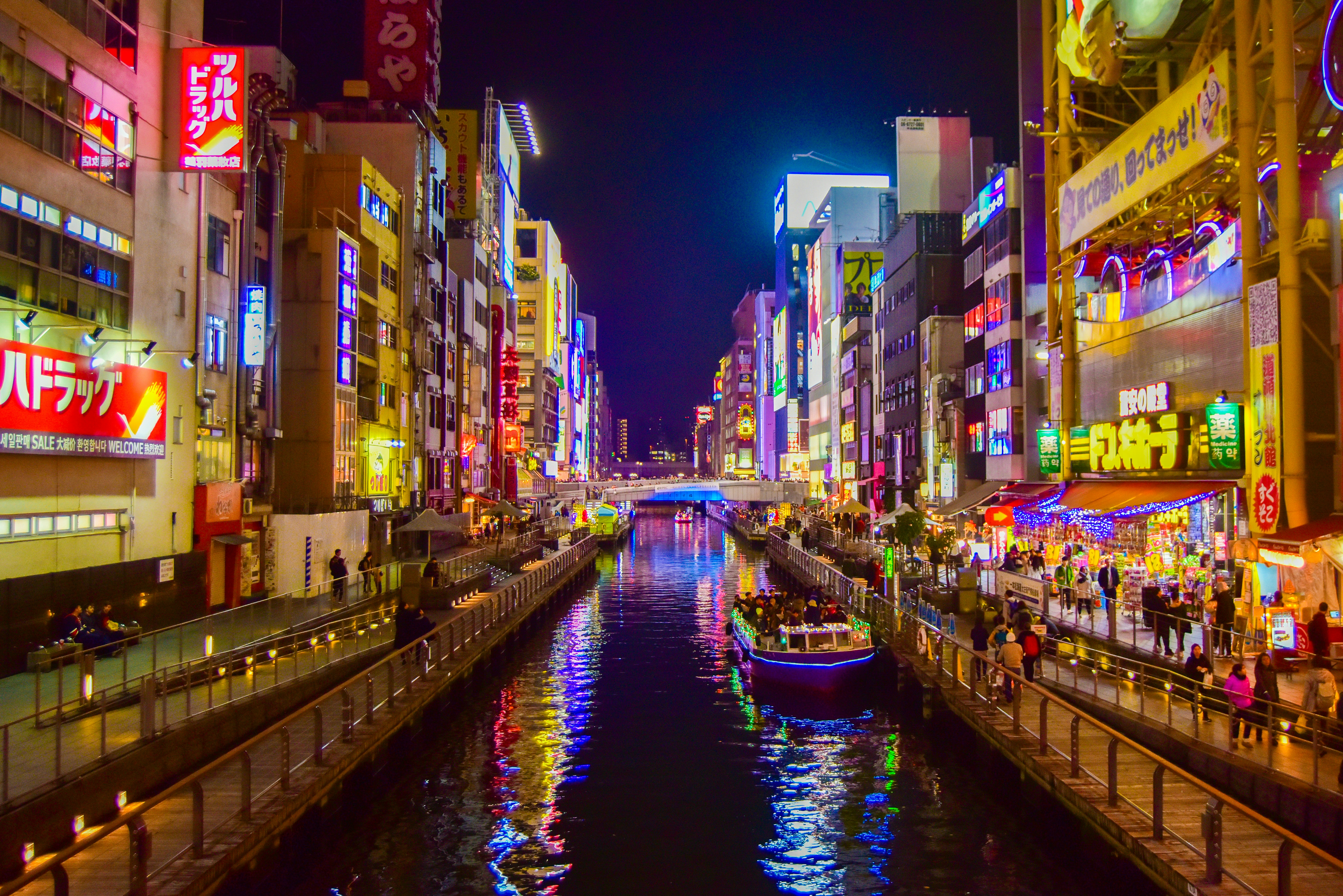
  • Dotonbori (Minami): The ultimate neon-lit food hub. This is the best place to find an endless variety of takoyaki stands and okonomiyaki restaurants.

  • Shinsekai: The best place to enjoy kushikatsu in a nostalgic, retro Osaka atmosphere that feels like a trip back in time.

  • Kuromon Ichiba Market: Often called "The Kitchen of Osaka," this market is perfect for sampling fresh seafood, such as grilled oysters and scallops, or fresh tuna sashimi.

Related Posts

FAQ & Expert Tips

What is the "Golden Route" in Japan?

The Golden Route is the most popular travel circuit for first-time visitors, typically starting in Tokyo, passing through the Hakone/Mount Fuji region, and ending in Kyoto and Osaka. It offers a balanced mix of Japan’s ultra-modern technology and its ancient, preserved history.

How many days are needed for the Japan Golden Route itinerary?

We recommend a minimum of 9 to 12 days. This allows for 3–4 days in Tokyo, 1 night in a traditional Ryokan in Hakone, and 3–4 days to explore the cultural landmarks of Kyoto and Nara.

Is the Japan Rail Pass (JR Pass) worth it for this package?

Yes, for the Golden Route, the JR Pass is often cost-effective as it covers the Shinkansen (bullet train) journeys between Tokyo, Odawara (Hakone), and Kyoto. However, our travel specialists provide a personalized cost-benefit analysis based on your specific side trips to ensure it’s the best value for you.

What is the best time of year to travel the Golden Route?

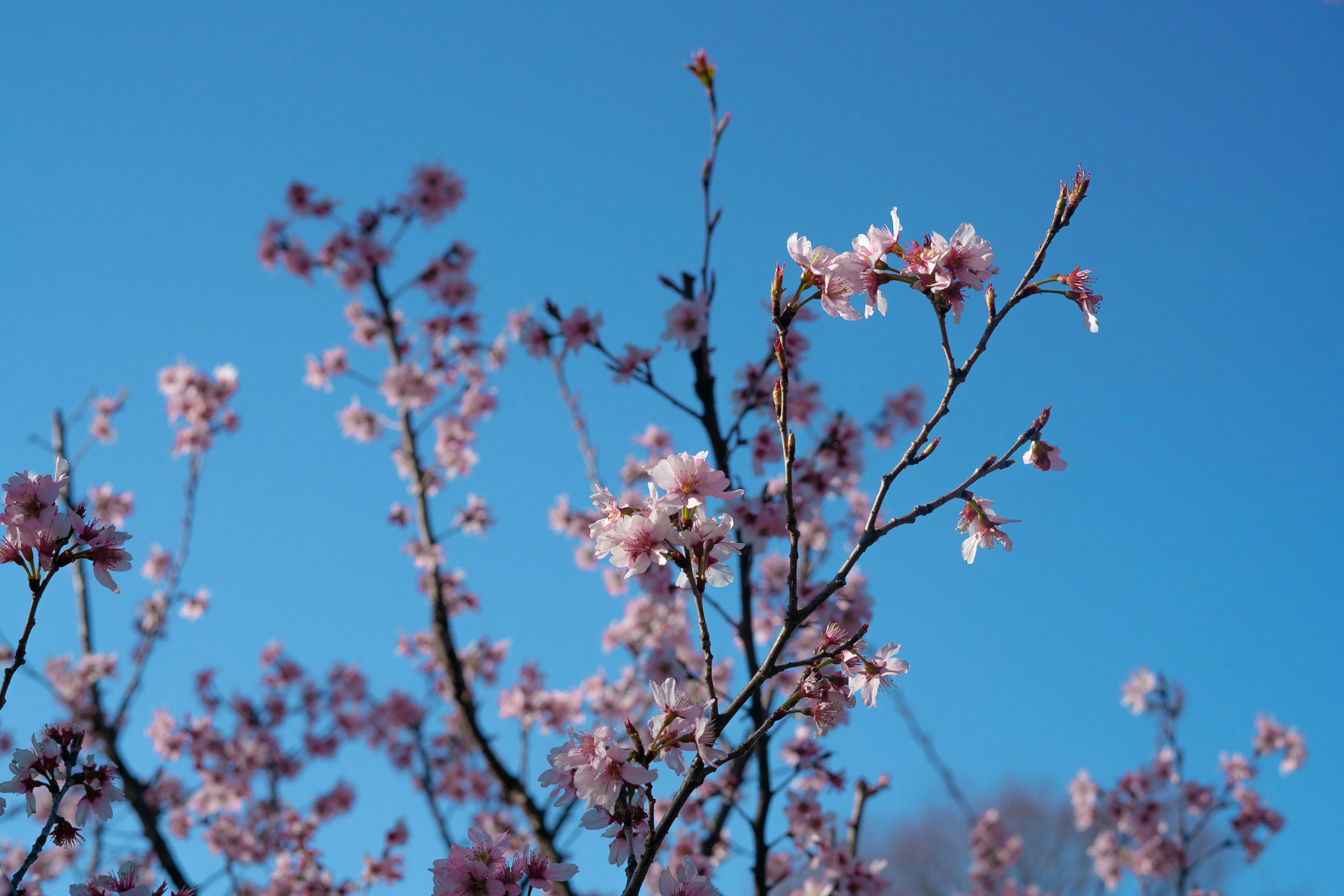
The most popular times are Spring (late March to mid-April) for the Cherry Blossoms and Autumn (November) for the vibrant fall foliage. However, traveling in the "shoulder seasons" of May or September offers milder weather and fewer crowds at major sites like Fushimi Inari.

Can this Golden Route package be customized for families?

Absolutely. Catterfly specializes in "slow travel" and can adapt the itinerary to include family-friendly spots like the Ghibli Museum in Tokyo, the Hakone Open-Air Museum, or a traditional ninja workshop in Kyoto, ensuring the pace is comfortable for all ages.

What are the must-see sights on the Golden Route?

  • Tokyo: Senso-ji Temple and the Shibuya Crossing.
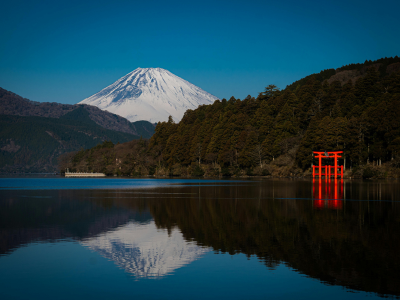
  • Hakone: A Lake Ashi cruise and views of Mount Fuji.
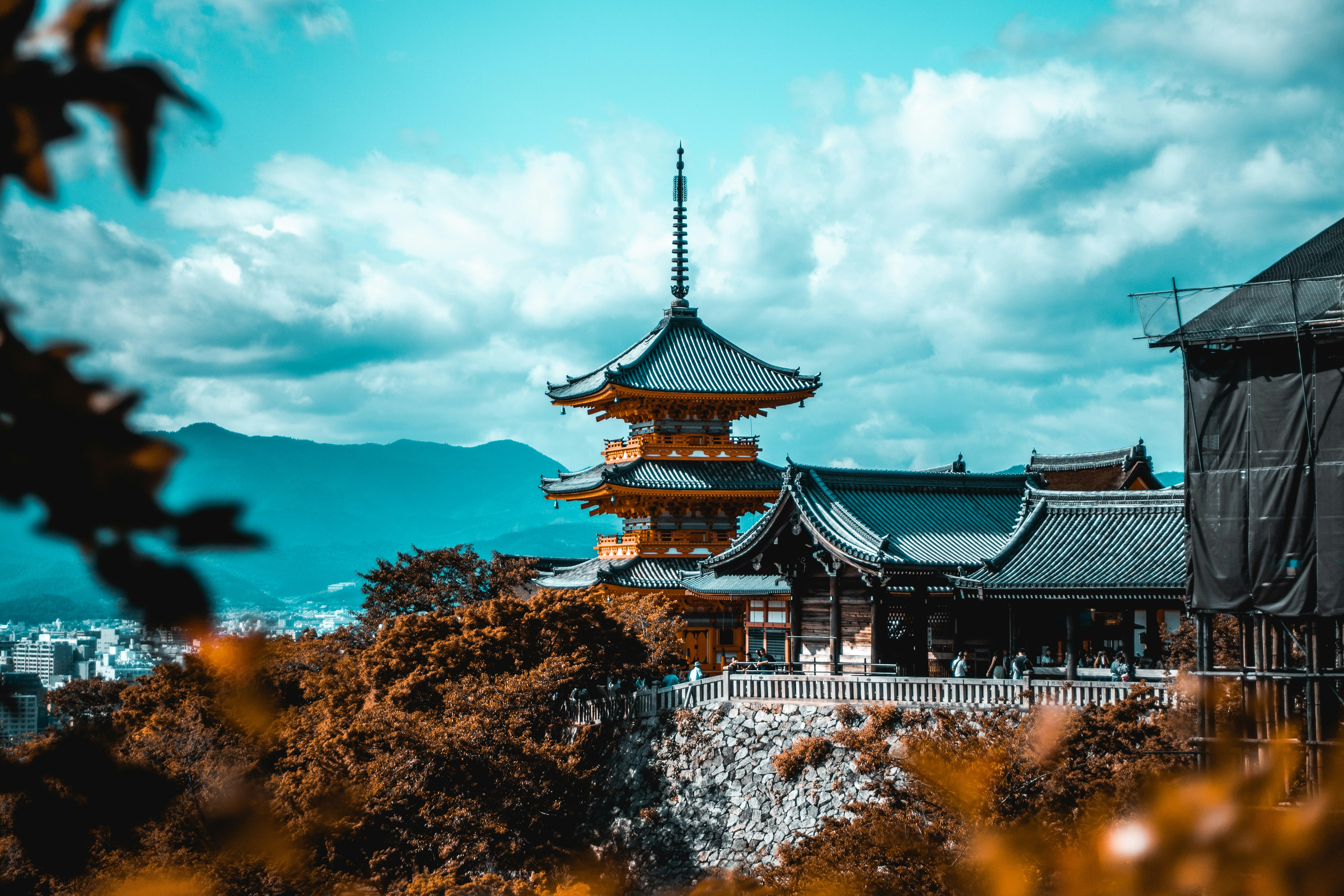
  • Kyoto: The Kinkaku-ji (Golden Pavilion) and the Arashiyama Bamboo Grove.
  • Nara: The giant Buddha at Todai-ji Temple and the bowing deer of Nara Park.

Do I need a guide for the Golden Route?

While the Golden Route is easy to navigate via public transport, Catterfly offers "Local Insiders" for specific days. Having a guide in Kyoto, for example, helps you navigate the hidden alleys of Gion and understand the deep historical context that isn't found on signboards.
  • 0
  • 0

Cart

  • {{ item.documentId.name }}