Travel To Oman

Blog

Discovering Oman: A Hidden Gem for Travelers

Written by Nitin Pradhan Mar 03, 2025


Nizwa: A Step Back in Time
From Muscat, I drove north to Nizwa, a historic fort town nestled in the heart of Oman. It’s a great base for exploring the surrounding mountains, wadis, and traditional villages. The Nizwa Fort, one of the oldest continuously occupied settlements in Oman, offers an immersive experience of Oman’s history. The fort itself is like a mini-fortified town, and you can even stay inside it! I spent half a day there, but it's easy to spend more time exploring.

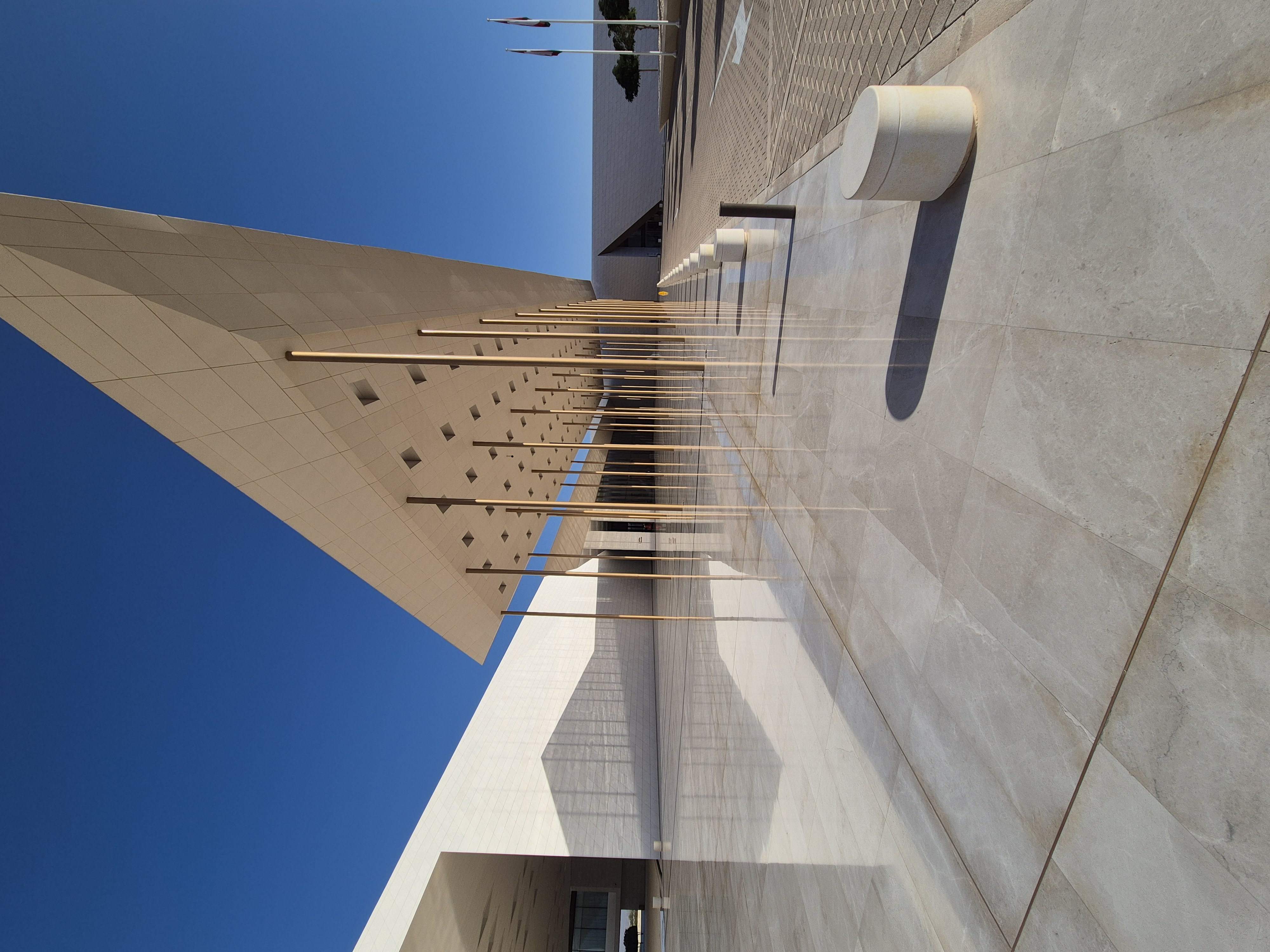
Another highlight of Nizwa is the Oman New Age Museum. With its impressive modern architecture, it’s an informative stop where you can easily lose track of time.


Jabreen Castle and Bahla Fort: Majestic Monuments
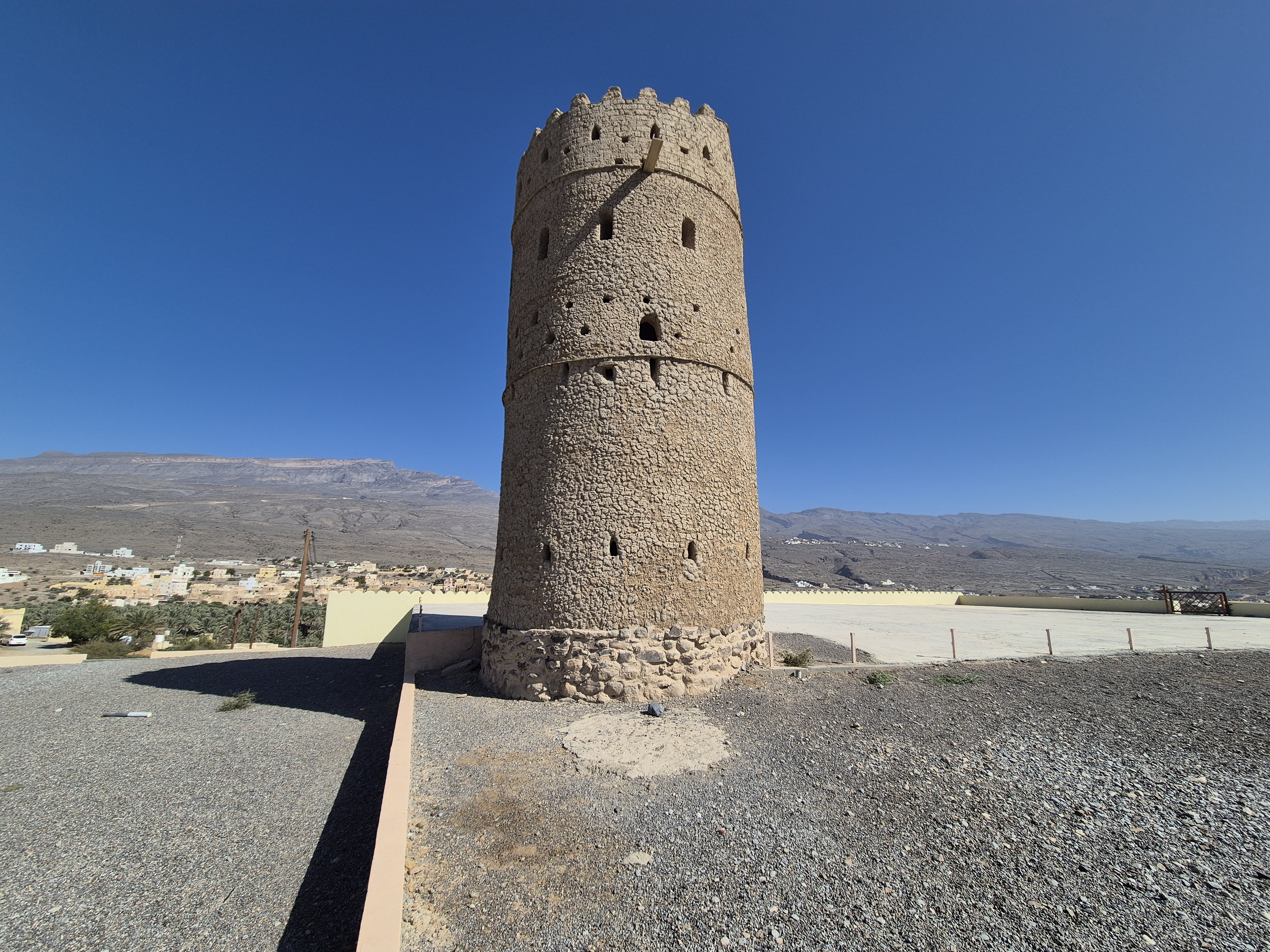
Driving west from Nizwa, I made my way to Jabreen Castle, one of Oman’s most beautiful castles. However, the real gem for me was Bahla Fort. As the largest fort in Oman, it truly lived up to the country’s nickname, “Land of a Thousand Forts.” Bahla Fort, which sits at the foot of the Jebel Akhdar highlands, is one of the four UNESCO-listed forts in Oman. Its sheer scale and historical significance made it a fascinating stop.
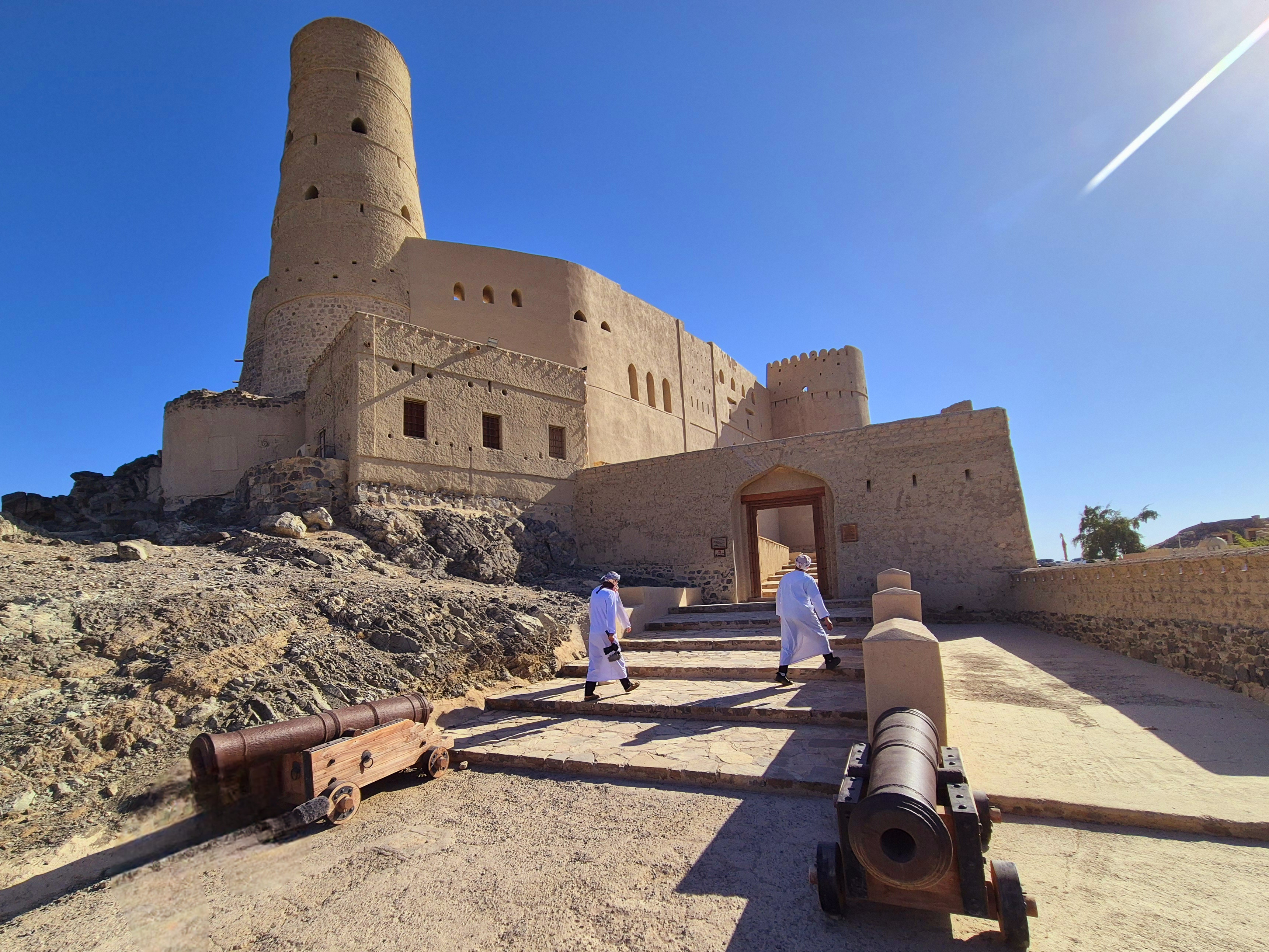
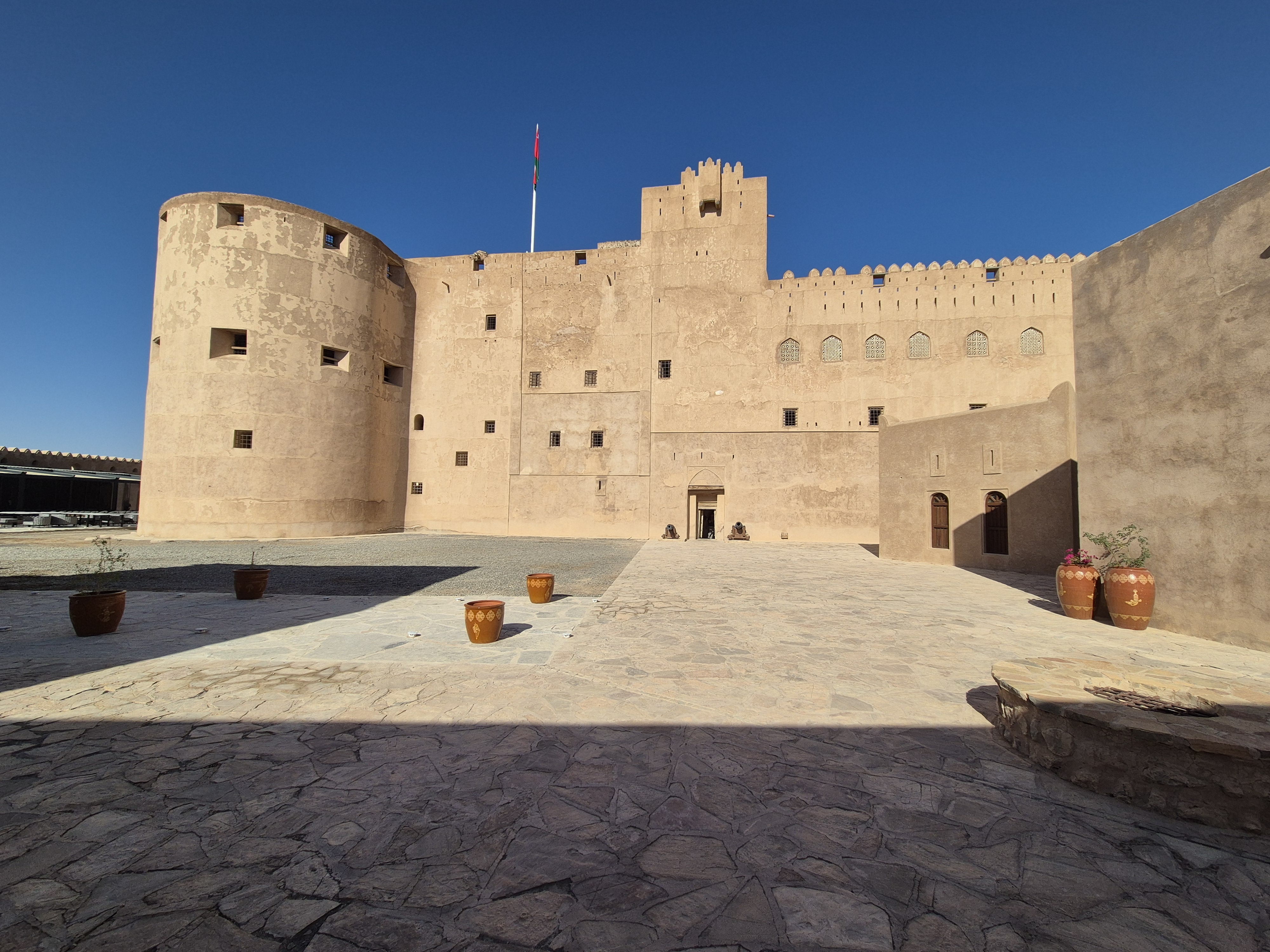


Old Al Hamra: A Glimpse of Authentic Omani Life
An hour further, I arrived at the picturesque village of Old Al Hamra. It was, by far, the highlight of my trip. This village, tucked at the base of the mountains and wadi, offers a rare glimpse into traditional Omani life. The living history museum, Bait al Safah, was one of the most engaging parts of my visit. The village is filled with ruins, and you can walk through the preserved homes that tell the story of Oman’s past. It's a must-visit if you want to understand the authentic Omani culture.
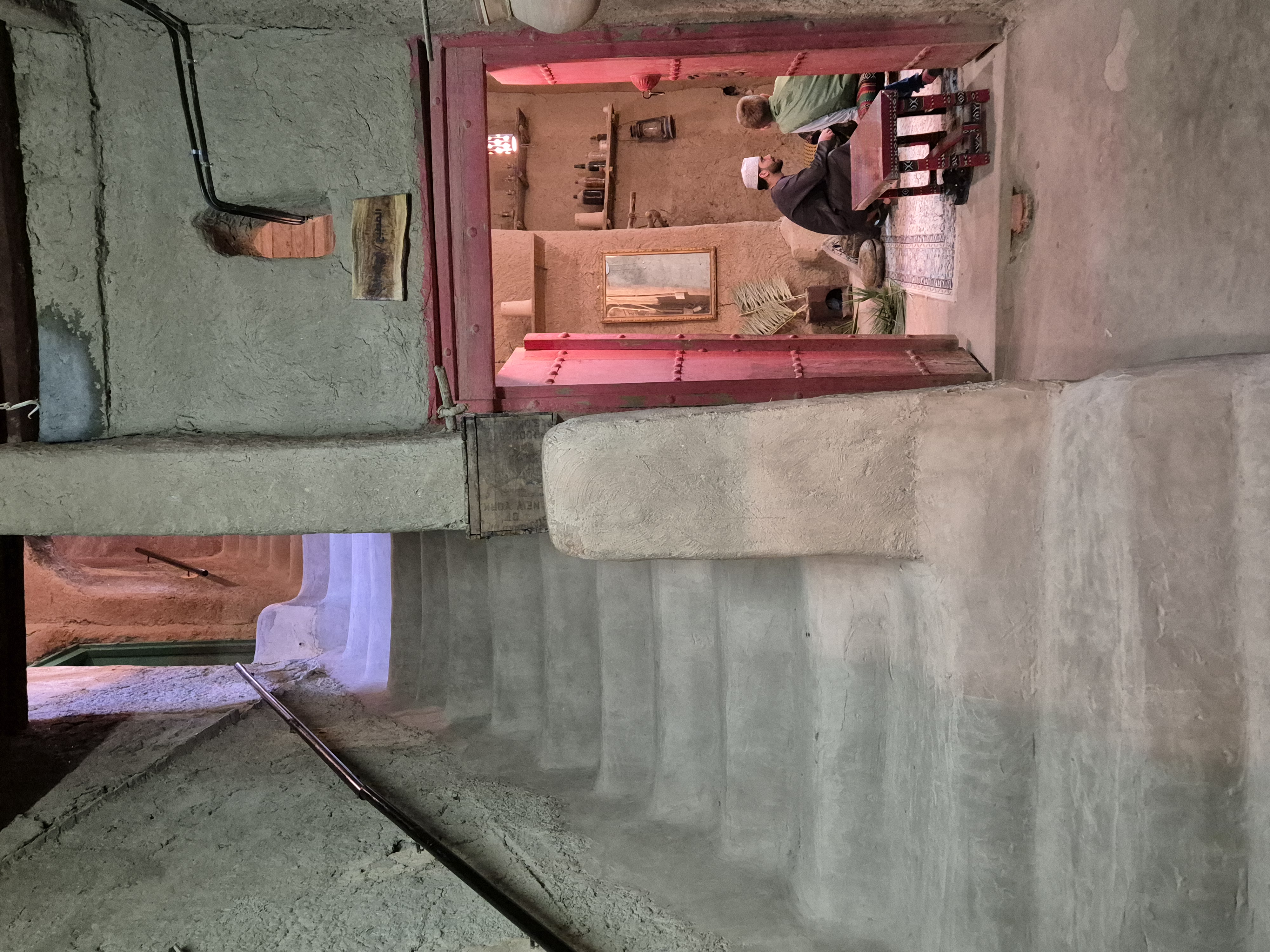
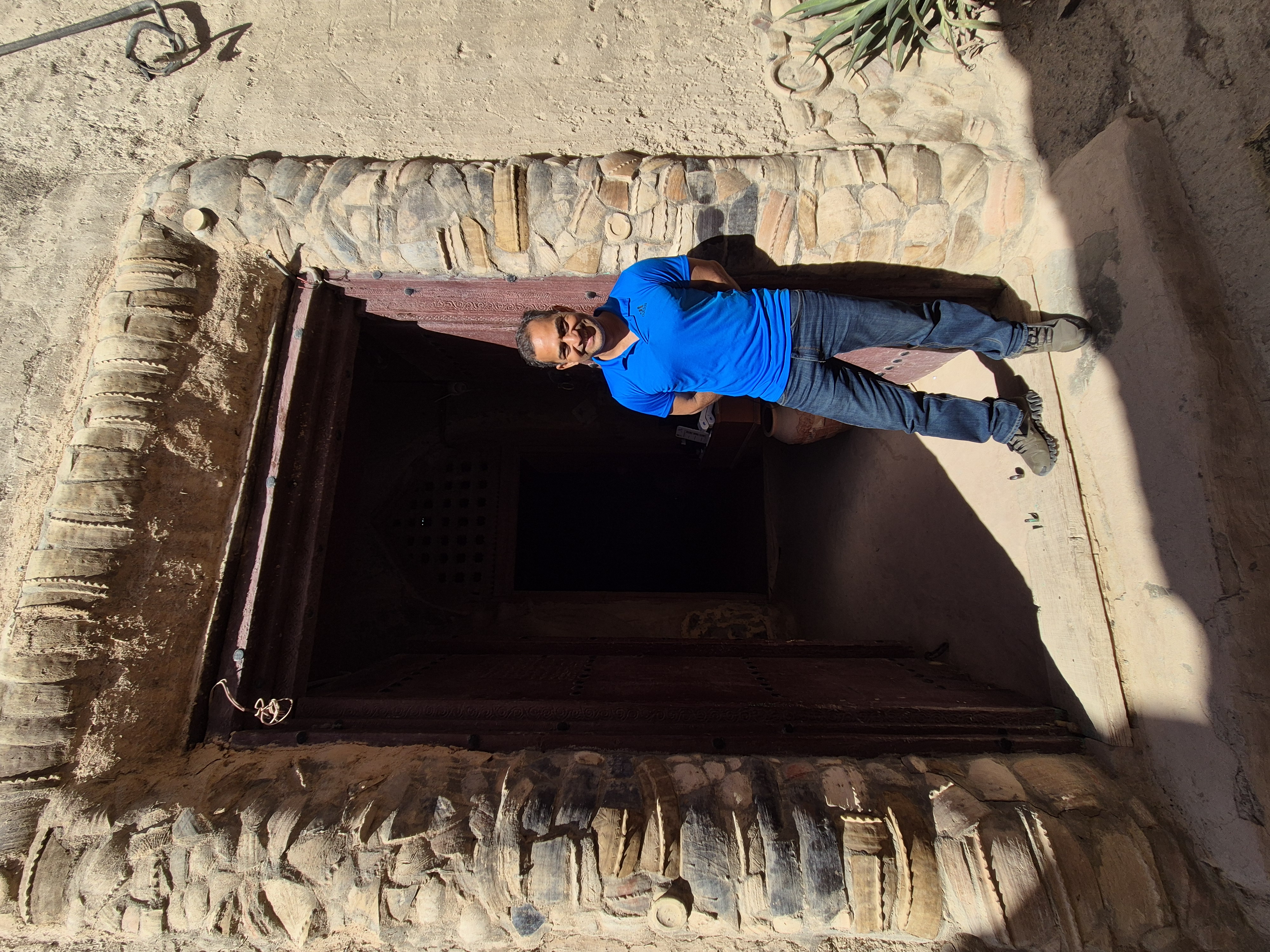


I had hoped to make it to Misfat al Abriyyin and Bald Sayt in the mountains, but unfortunately, I ran short on time. Those places are on my list for my next trip!

More to Explore in Oman
Though I didn’t have time to see everything, Oman has so much more to offer. You can spend days in the desert, staying in luxury camps in the dunes, or relax in seaside resorts along the eastern and southern shores. I’ve been invited by my Omani friends to explore these regions next time, and they’ve assured me that I won’t want to miss them.

Oman is undoubtedly a destination I will revisit. It's a country that offers a fascinating mix of history, culture, and natural beauty. So, if you're ever in the area or looking for a stopover destination, I highly recommend adding Oman to your travel list.


In the meantime, I’ll be planning my next stopover in Oman on my way to India later this year. Who knows what new experiences I’ll uncover? Stay tuned for more travel stories – I’m committed to sharing them with you this time!

Let me know if you’ve been to Oman or have any other recommendations for future trips. Would love to hear from fellow travelers! 
Related Posts

FAQ & Expert Tips

Do I need a visa to visit Oman?

Yes, most travelers need a visa to enter Oman. The type of visa depends on your nationality and length of stay.

  • E-Visa: Many nationalities, including the US, UK, India, EU countries, Canada, and Australia, can apply for an e-visa through the official Royal Oman Police (ROP) website before arrival.
  • Visa on Arrival: Some nationalities can obtain a visa on arrival at the airport, but it’s best to check if your country is eligible.
  • GCC Residents: Citizens of Gulf Cooperation Council (GCC) countries (UAE, Saudi Arabia, Bahrain, Kuwait, Qatar) and some GCC residents with eligible professions can enter visa-free or with a special visa.
It’s recommended to check the latest visa regulations on the official ROP website before traveling.

What is the best time to visit Oman?

Oman has a desert climate, so the best time to visit is between October and April, when the weather is cooler and more comfortable for sightseeing and outdoor activities.

  • Winter (November – February): Pleasant temperatures (20-28°C / 68-82°F), ideal for desert tours, hiking, and visiting cities.
  • Spring (March – April): Still warm but manageable, good for mountain and wadi trips.
  • Summer (May – September): Extremely hot (over 45°C / 113°F), not recommended for desert or outdoor activities, but Salalah in the south experiences the Khareef (monsoon) season, which transforms the region into a lush green paradise.

What is the local currency, and how can I pay?

The currency is the Omani Rial (OMR), which is divided into 1,000 baisa. It is one of the strongest currencies in the world.

  • Cash vs. Cards: Credit and debit cards (Visa, Mastercard) are widely accepted in hotels, malls, and restaurants. However, cash is recommended for local markets (souqs), small shops, taxis, and rural areas.
  • ATMs: Available in cities and major towns. International cards usually work, but it’s best to inform your bank before traveling.
  • Currency Exchange: Available at the airport, banks, and exchange centers. US dollars, euros, and British pounds are easy to exchange.

What should I wear in Oman?

Dressing modestly is expected, especially in public areas.

  • Men: Lightweight trousers or long shorts and shirts/t-shirts are appropriate.
  • Women: Should cover shoulders and knees. Loose-fitting clothing like long skirts, dresses, or trousers with a blouse is best.
  • Swimwear: Allowed at private hotel beaches and pools but not in public beaches or water bodies like wadis.
  • Religious Sites: When visiting mosques (e.g., Sultan Qaboos Grand Mosque), women must wear a headscarf, long sleeves, and long pants or a dress. Men should wear long pants.

What are the top attractions in Oman?

  • Muscat: Visit the Sultan Qaboos Grand Mosque, Mutrah Souq, Royal Opera House, and Al Jalali Fort.
  • Nizwa: Explore Nizwa Fort, the traditional souq, and the Friday goat market.
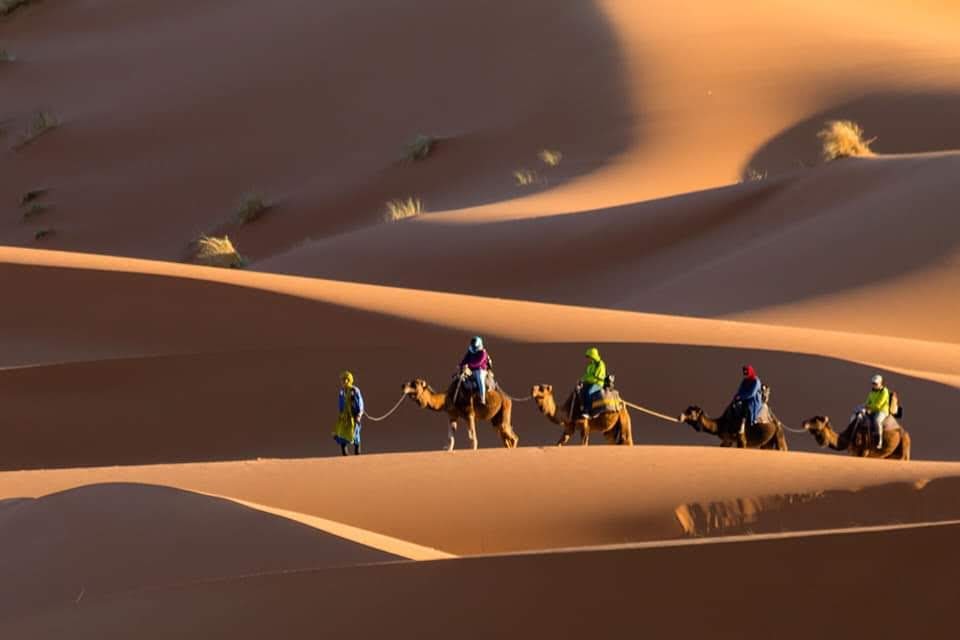
  • Wahiba Sands: Experience desert camping, dune bashing, and camel rides.
  • Jebel Akhdar & Jebel Shams: Perfect for hiking, stunning mountain views, and cool weather.
  • Wadi Shab & Wadi Bani Khalid: Beautiful swimming spots with turquoise water and caves.
  • Salalah: A tropical escape in summer, with waterfalls, green landscapes, and frankincense farms.

What is the local food like?

Omani cuisine is rich in flavors, combining Arabic, Indian, and East African influences.
  • Beshbarmak: Spiced rice with lamb or chicken.
  • Shuwa: Slow-cooked lamb wrapped in banana leaves and cooked underground for up to 48 hours.
  • Mashuai: Grilled kingfish served with lemon rice.
  • Halwa: A sweet dish made from rosewater, saffron, and nuts.
  • Omani Coffee (Kahwa): Lightly spiced coffee, always served with dates as a sign of hospitality.
Relevant Itinerary
Relevant Accommodation
Latest Blogs
Author Blogs
  • 0
  • 0

Cart

  • {{ item.documentId.name }}