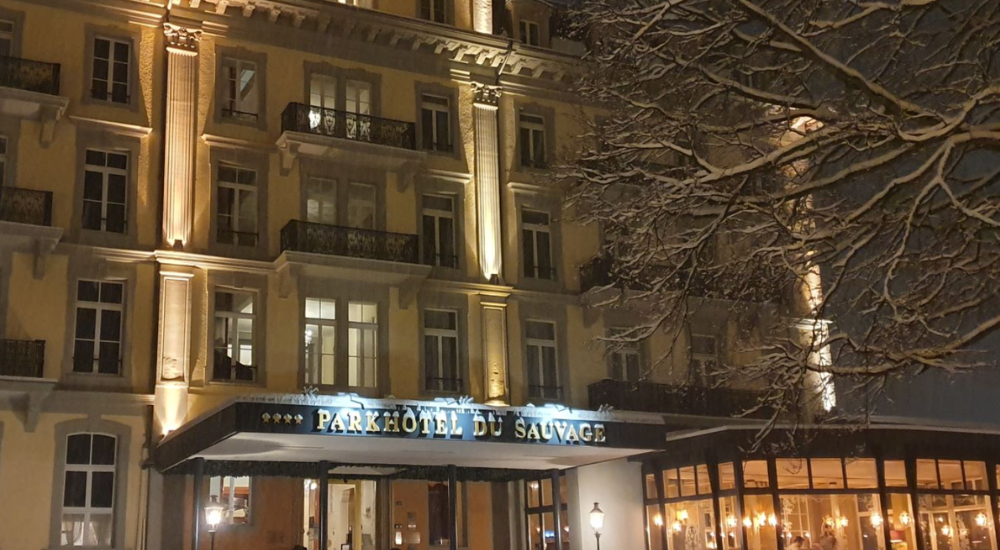
For a small country like Switzerland, it certainly packs in a punch and even after living here for decades, we keep on discovering new experiences. As such Switzerland has 26 Kantons, but it can broadly be categorised into four parts, the German region on the north and north-eastern side bordering Germany and Austria, Central Switzerland (often referred to as Bernese Oberland), The French region in central-west and south-western side bordering France, The Italian region on south-eastern side bordering Italy.
The German Region
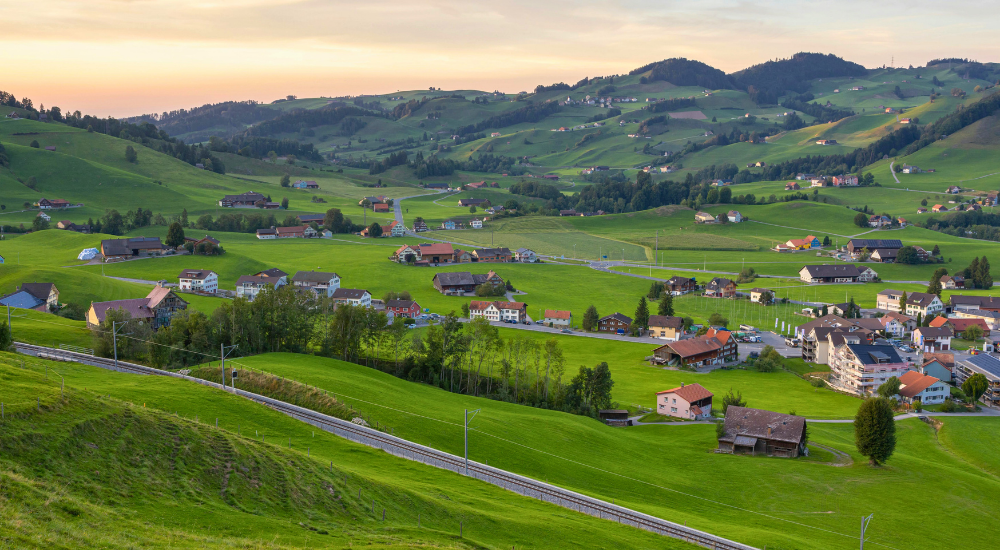
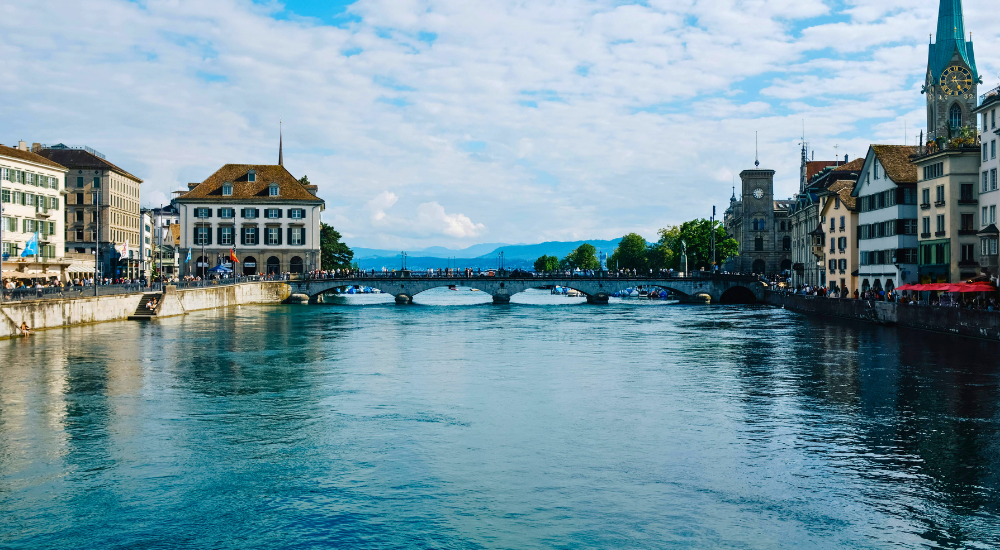
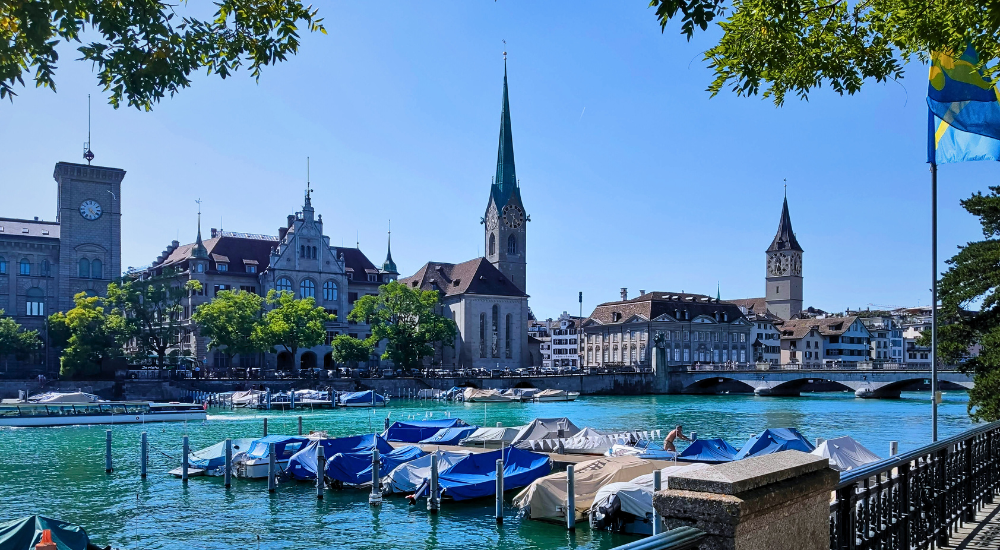
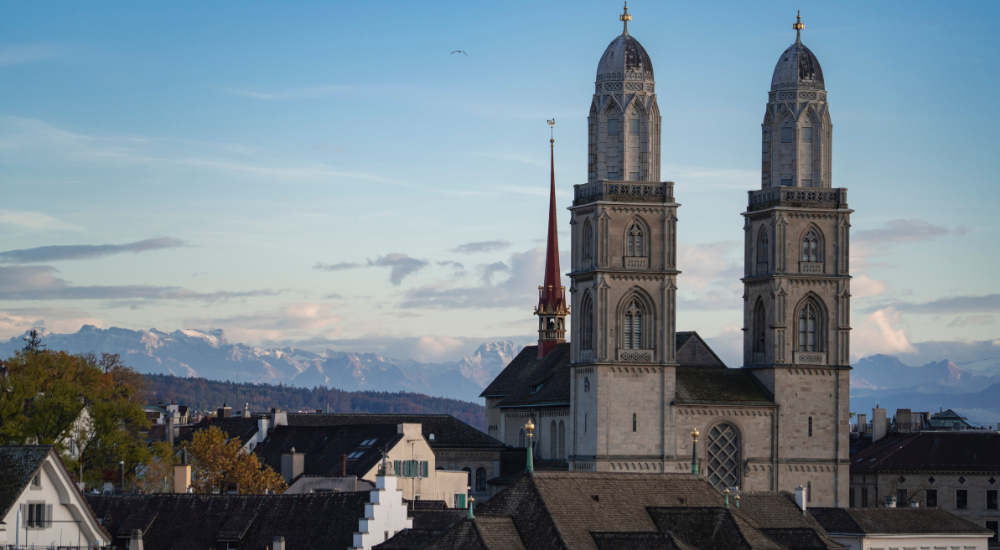
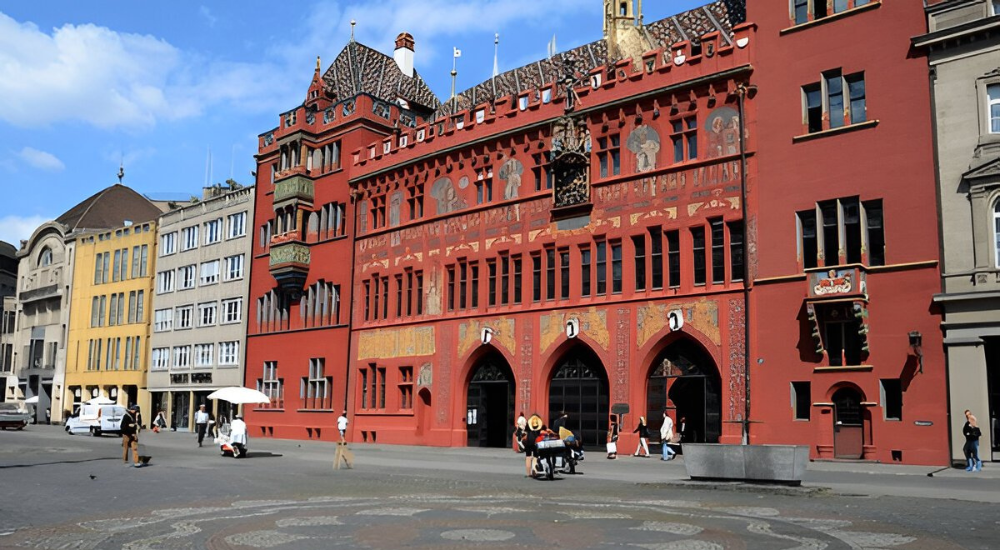
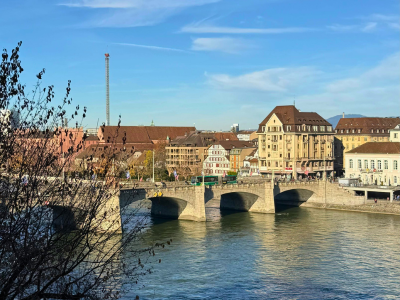
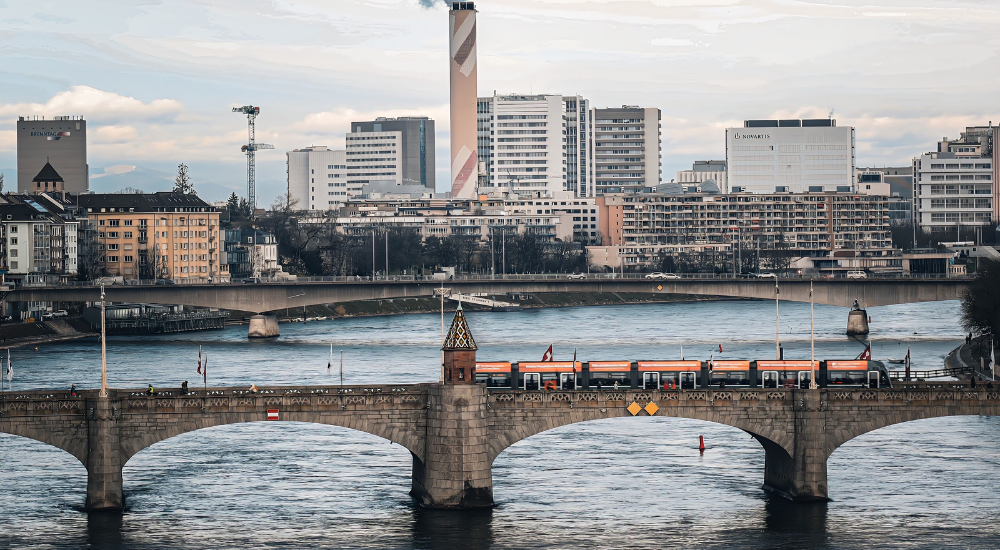
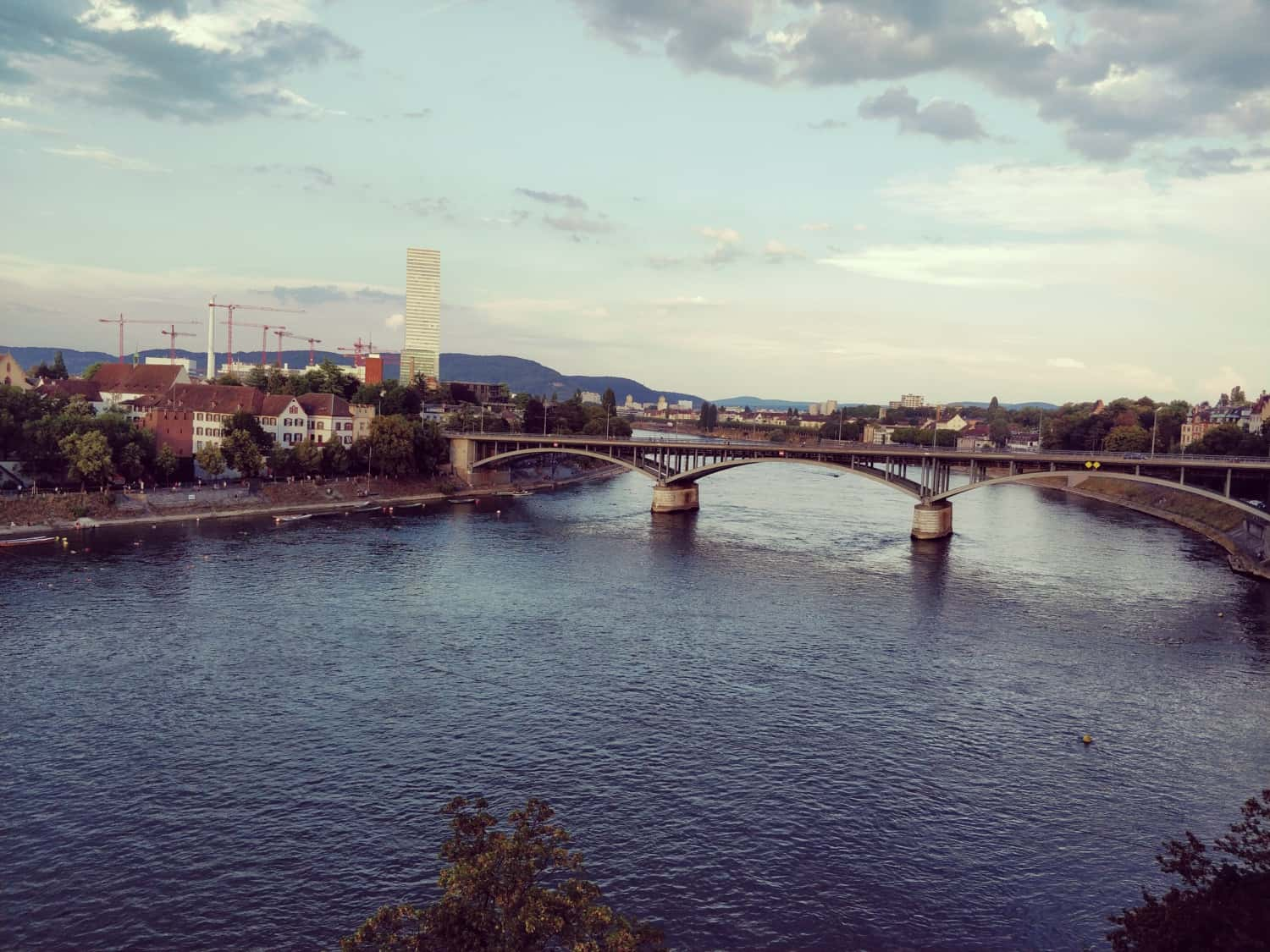
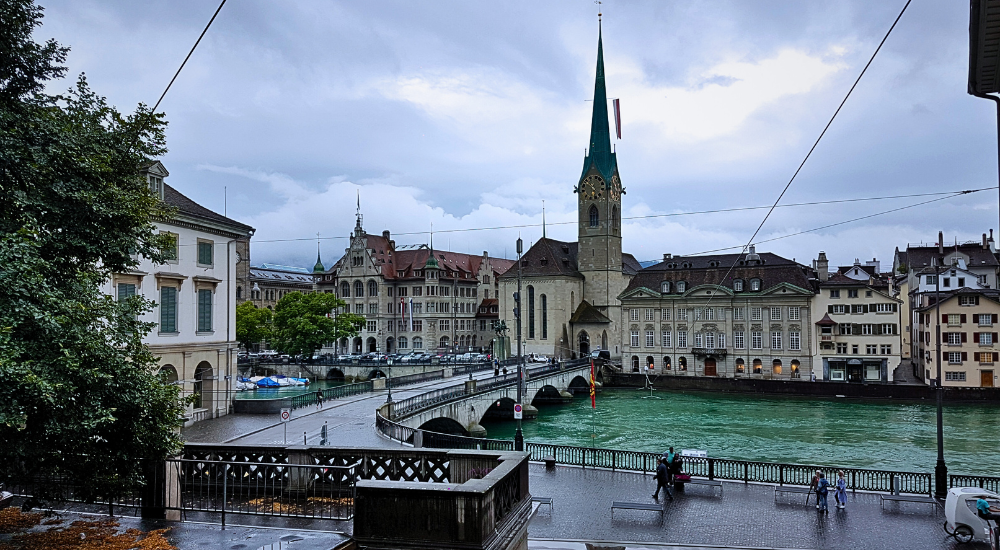
With the obvious choices of visiting cities like Zurich, Basel, one must not miss out the places like Appenzell, St. Gallens, and Lake Konstanz region on the swiss side offers fantastic choices during every season. Then, of course Baden and Rheinfelden famous for its thermal baths and spas along with historic old towns are worth a visit as well. For history buffs, its noteworthy to visit Chur as one of the oldest cities in Switzerland and for its charming old town as well. The neighboring Kanton Schwyz is famous for the Swiss knife valley – and one can perhaps learn how the world famous Swiss knifes are made in an old factory and museum.
The Berne Oberland (Central Switzerland)
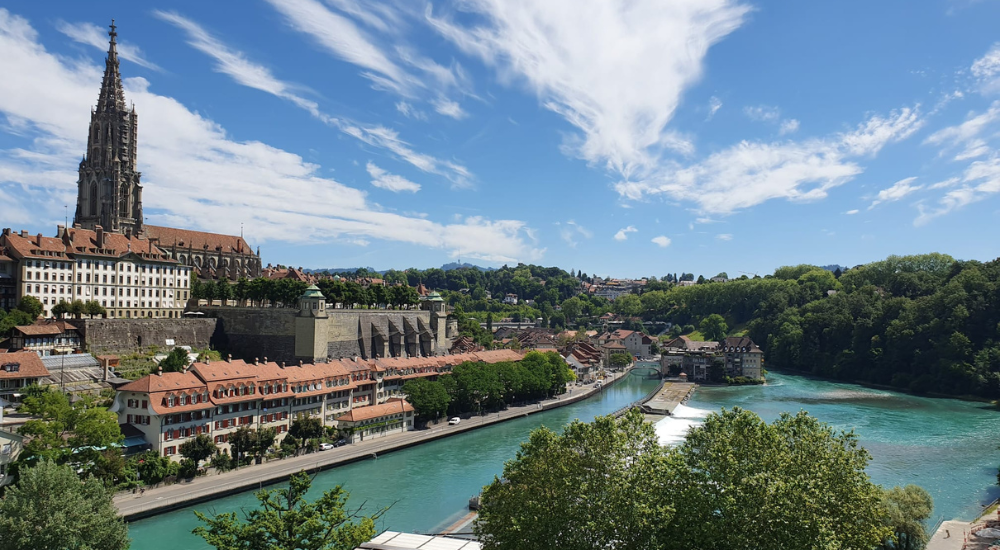
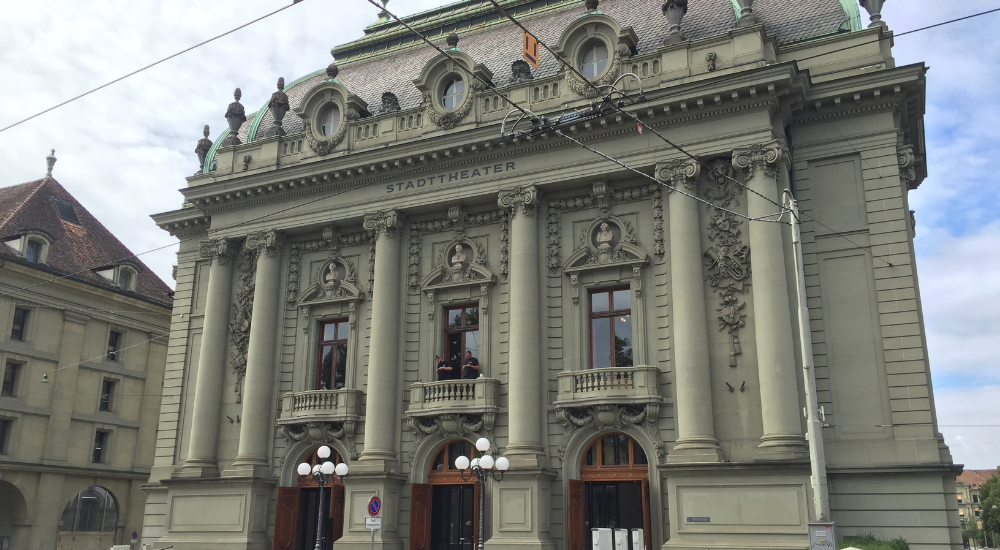
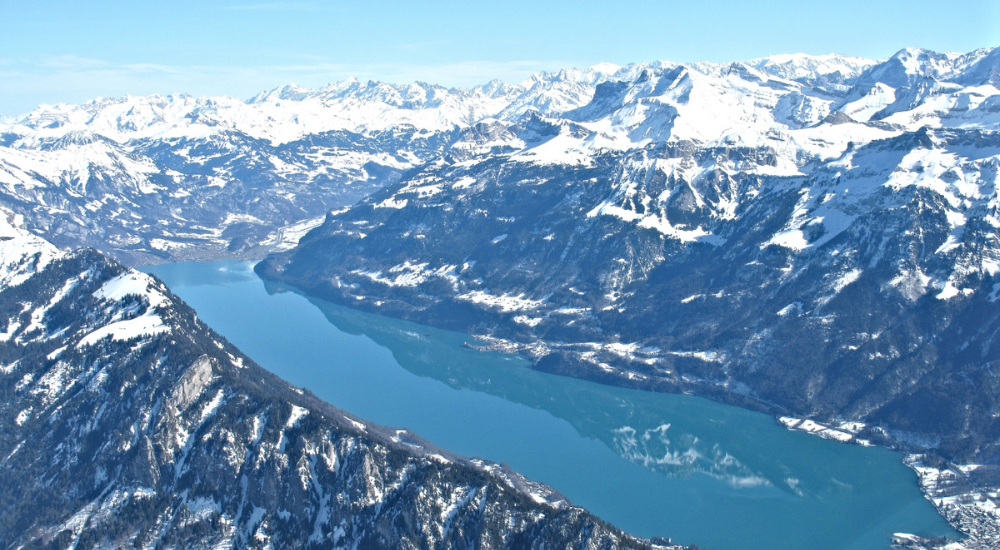
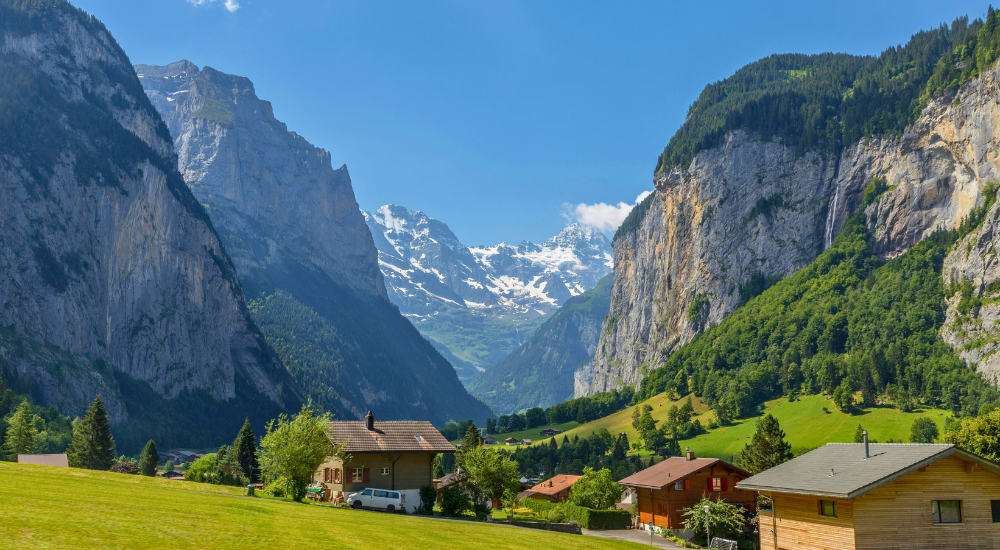
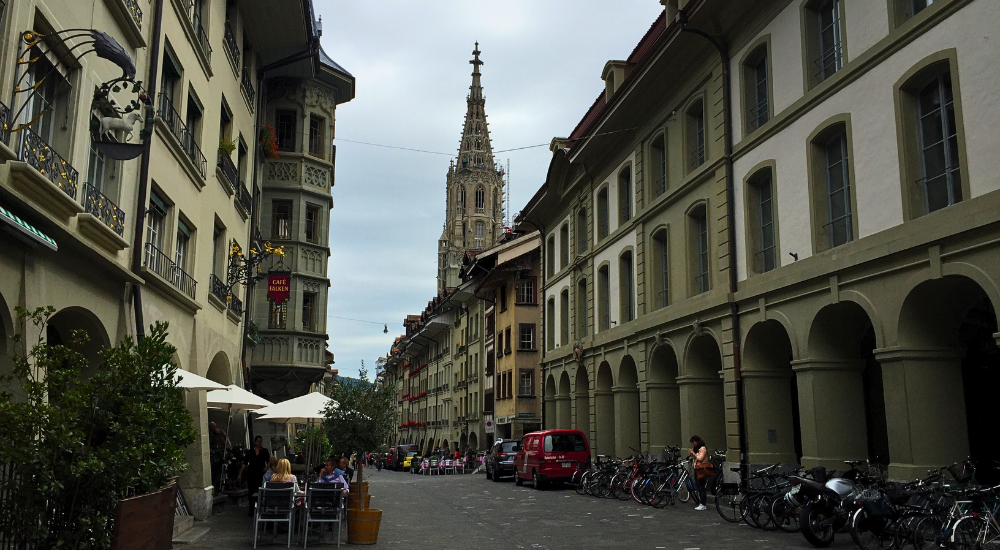
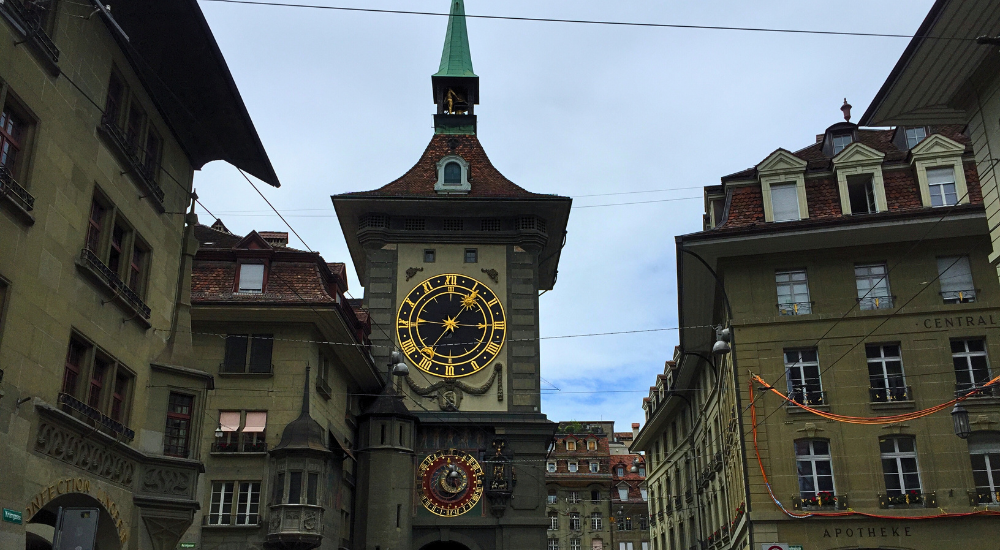
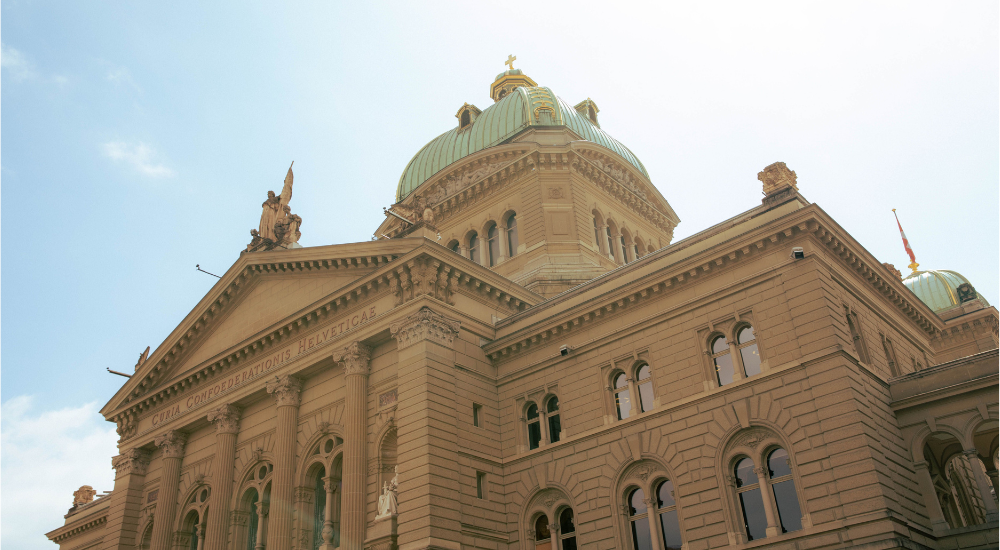
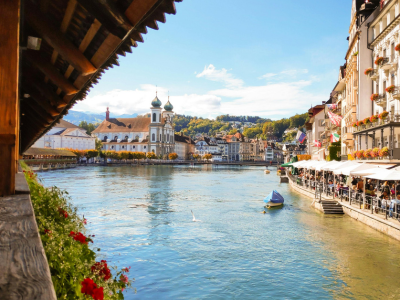
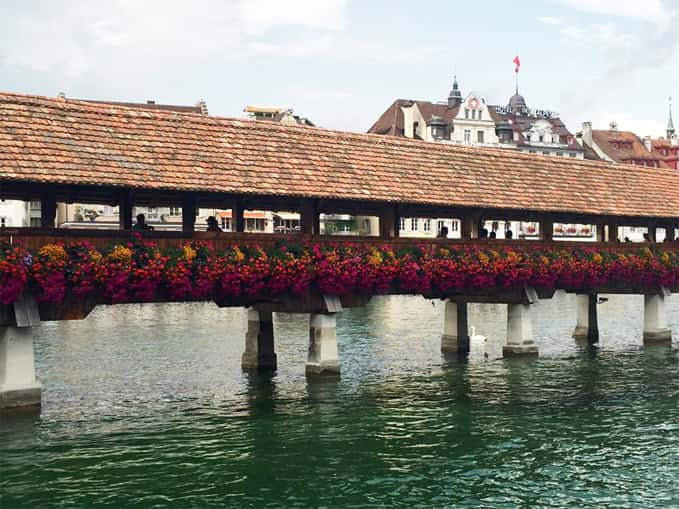
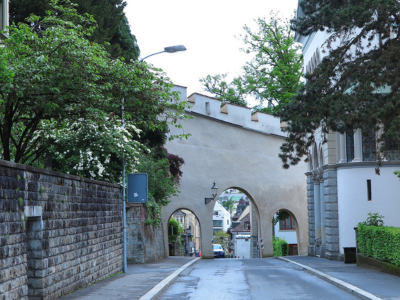
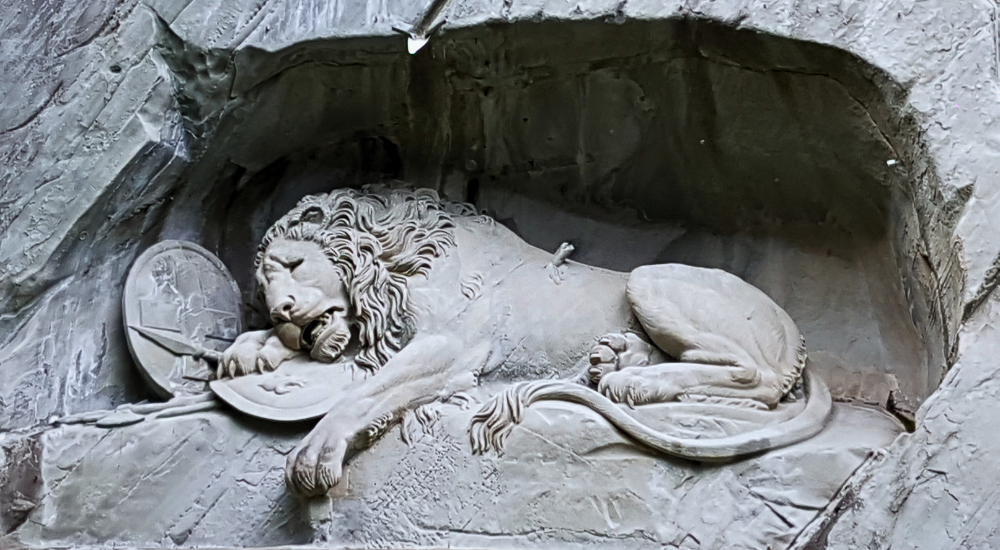
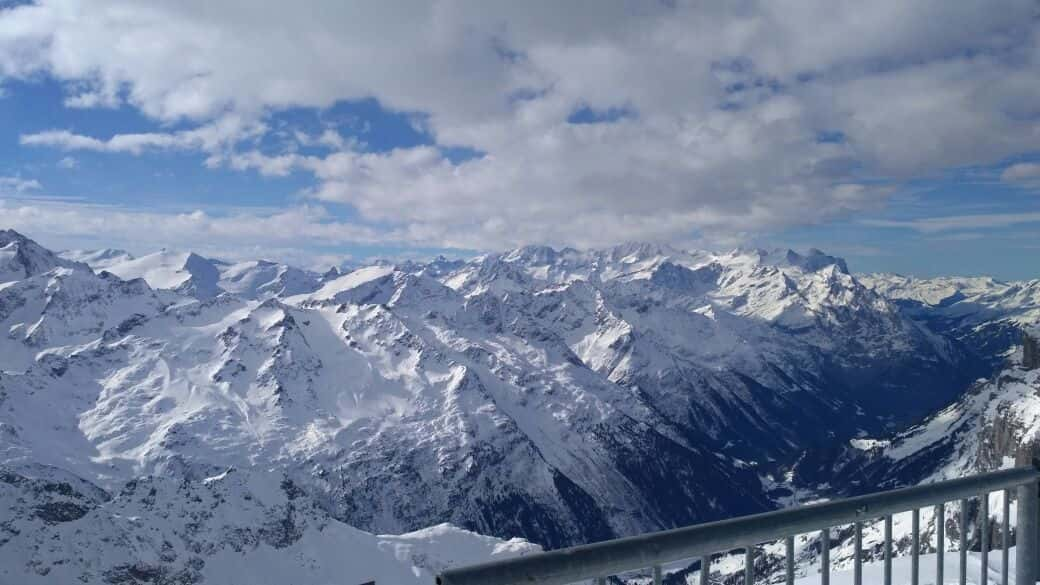
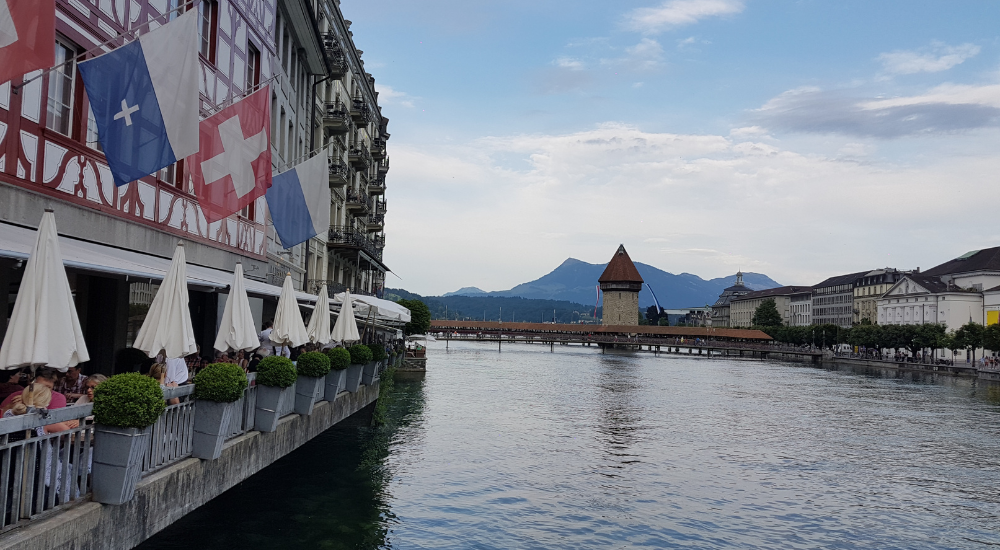
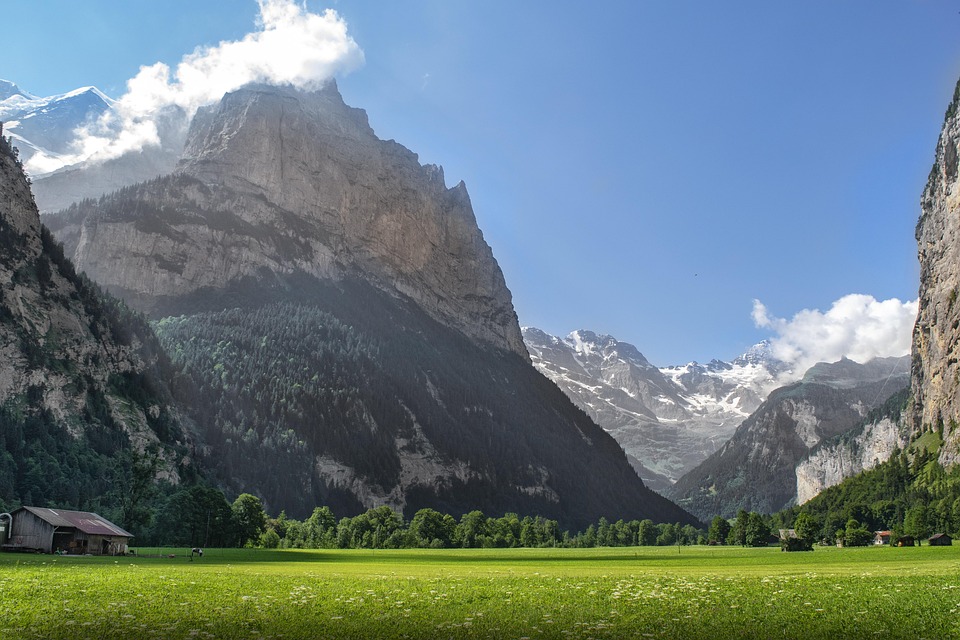
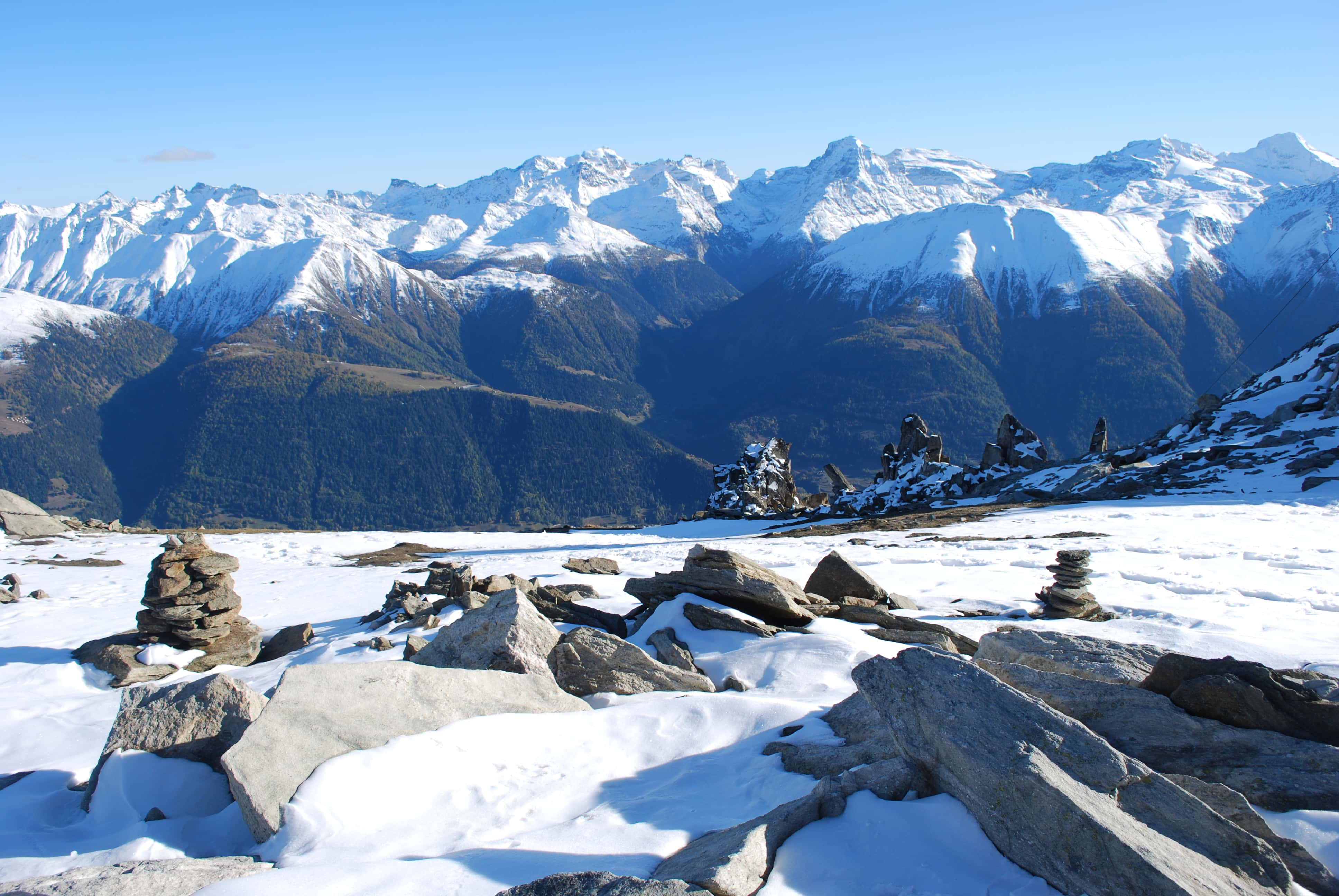
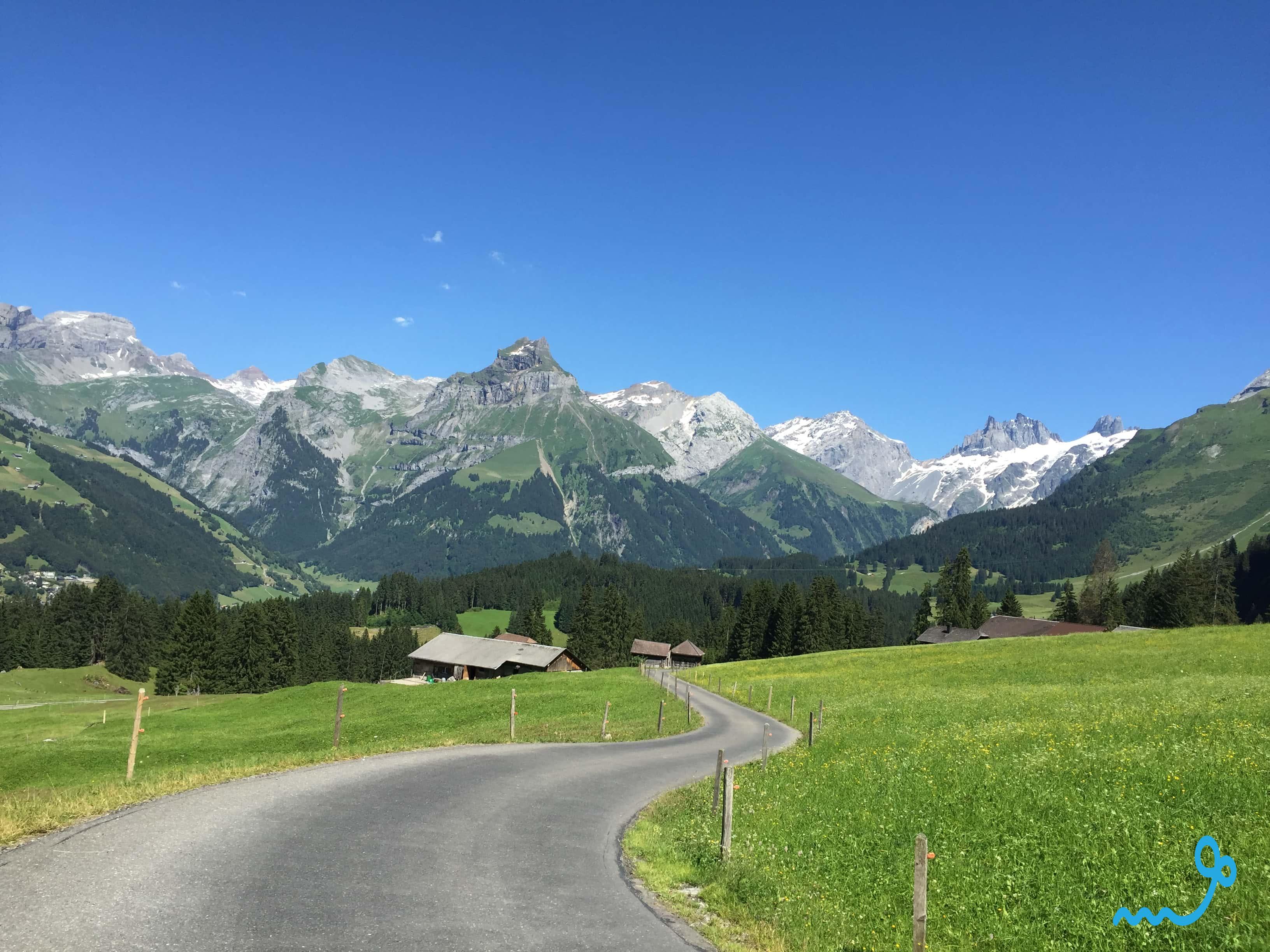
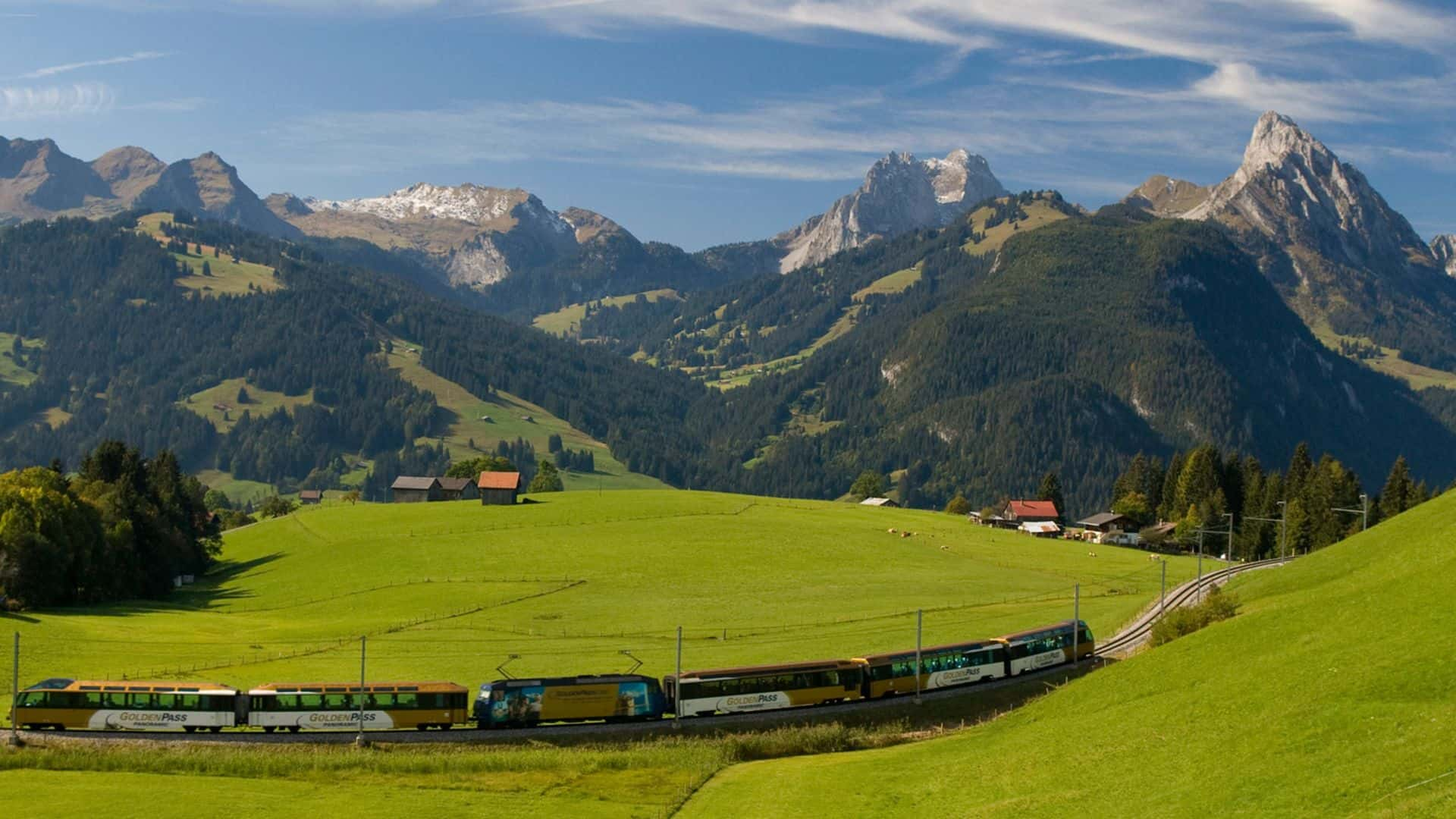
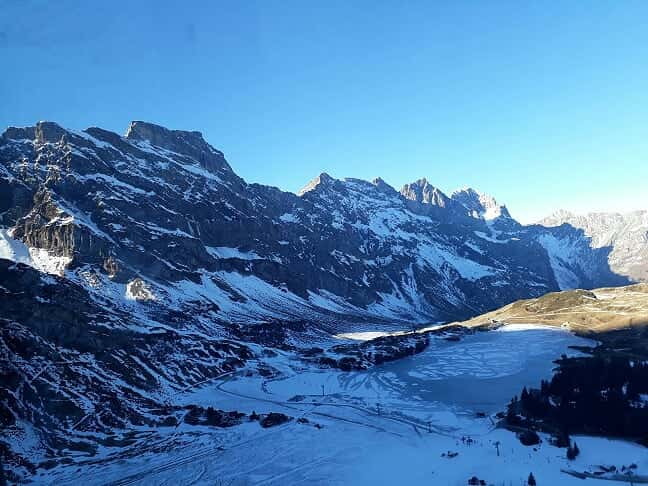
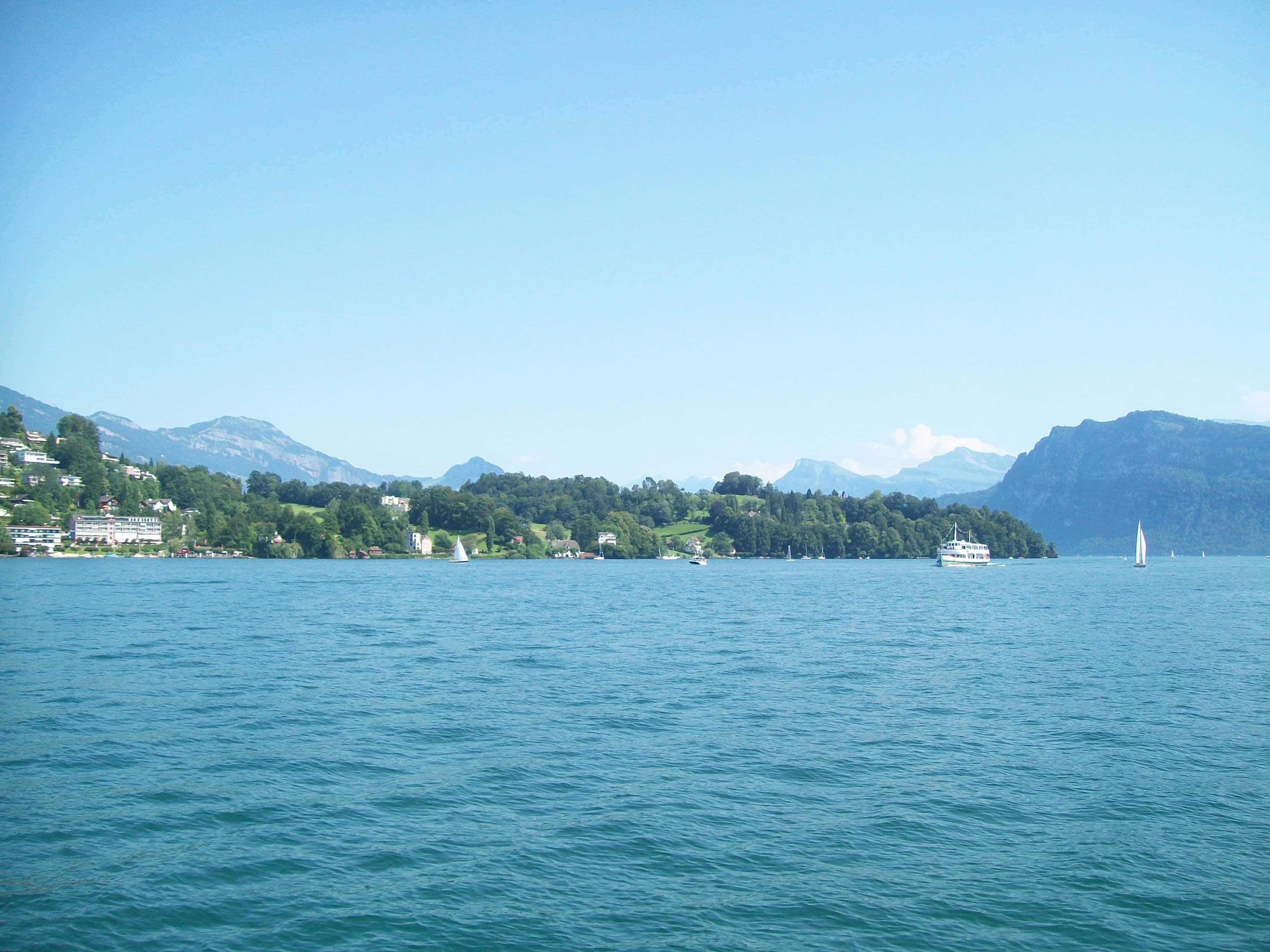
Most commonly held imagery of Switzerland is often of snow covered mountains, alpine peaks, lakes, charming alpine villages and no wonder this region hosts everything that a traveler desires with cities like Lucerne, Interlaken, Bern, and famous alpine peaks – Mt. Titlis, Jungfrau, Eiger, Monch, Pilatus etc. And, if one has more time it’s definitely a very charming experience to spend time in the alpine villages like Grindelwald, Lauterbrunnen, Wengen, Murren, Stanserhorn; most of these are great winter resorts for snow sports, and some of the best hikes (easy to difficult ones) are in this region. Besides this, Kandersteg, Andermatt, Alpine passes, Graubünden, Sedrun etc. will completely change your perspective of what Switzerland got to offer. Of course, in each of these places – there are so many different experiences and hidden gems that without a local expert it’s very difficult to explore all the best sights.
The French Region
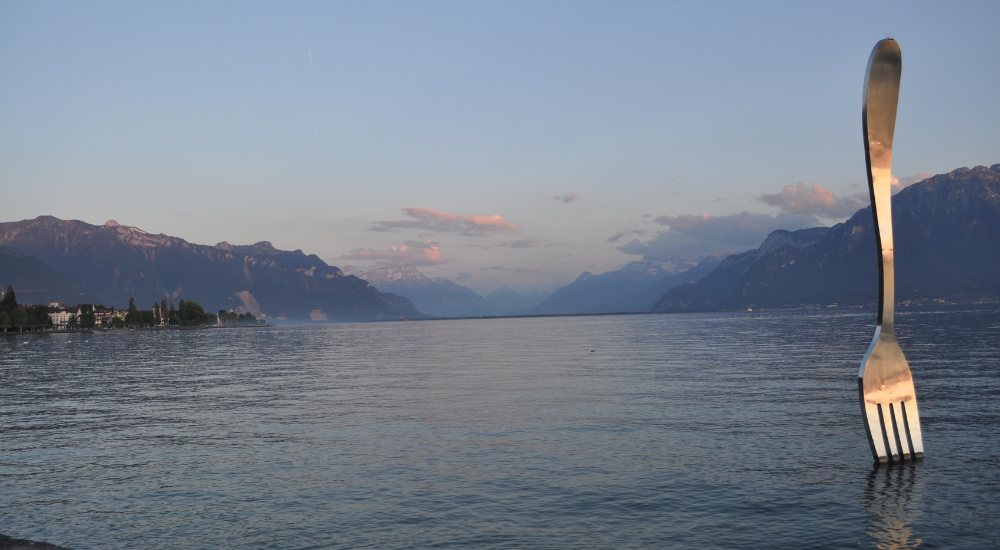
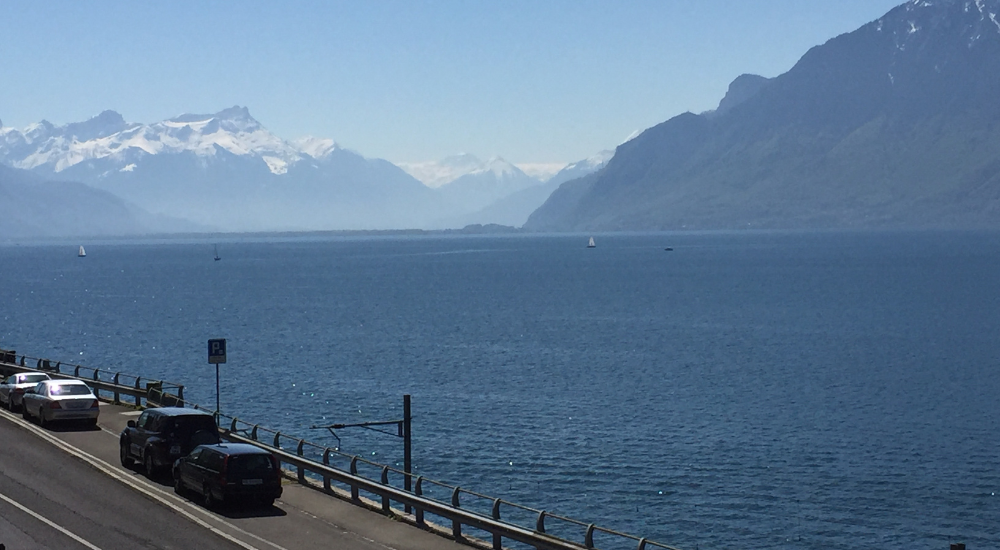
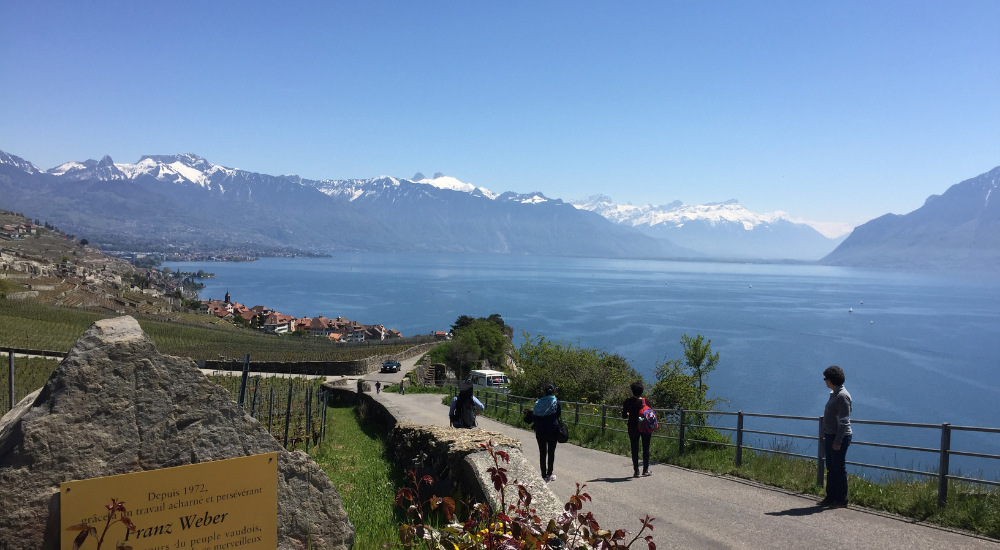
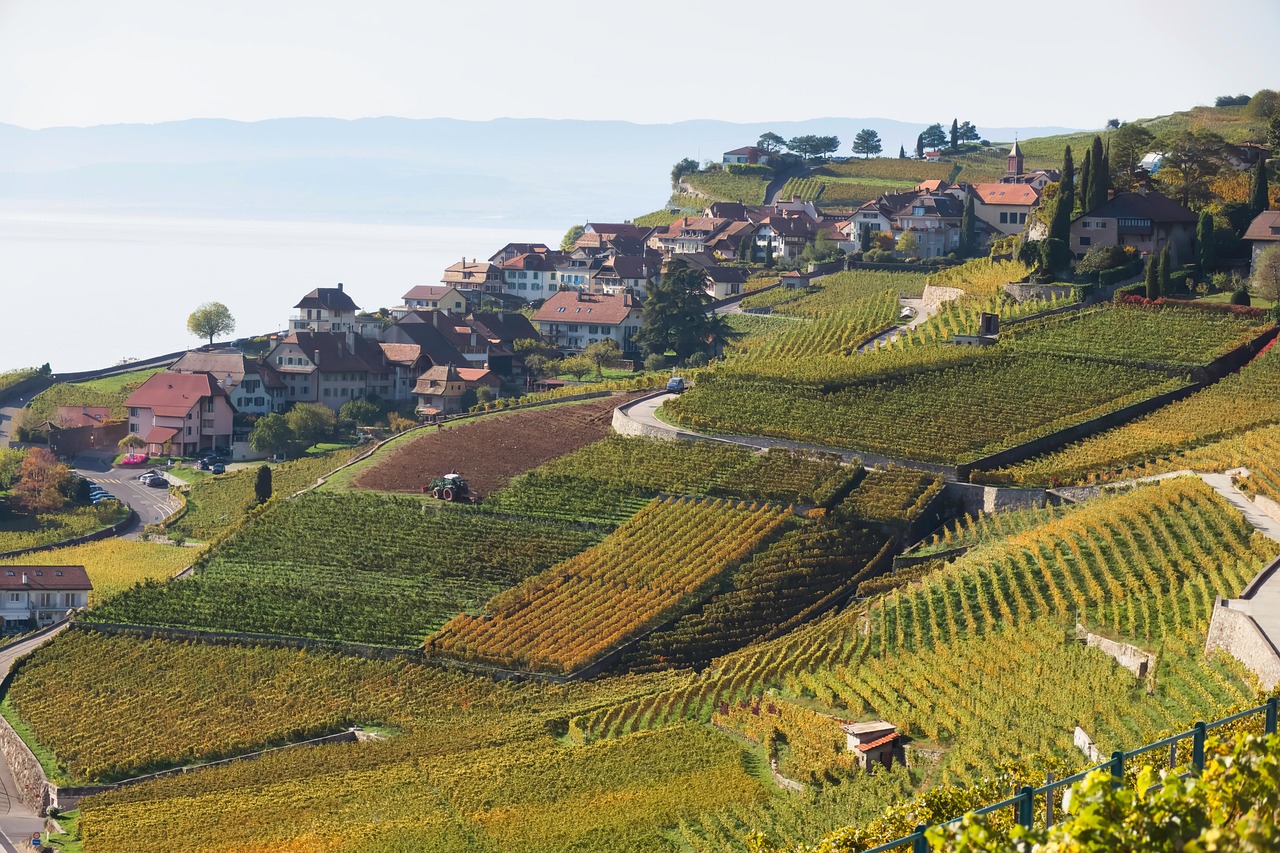
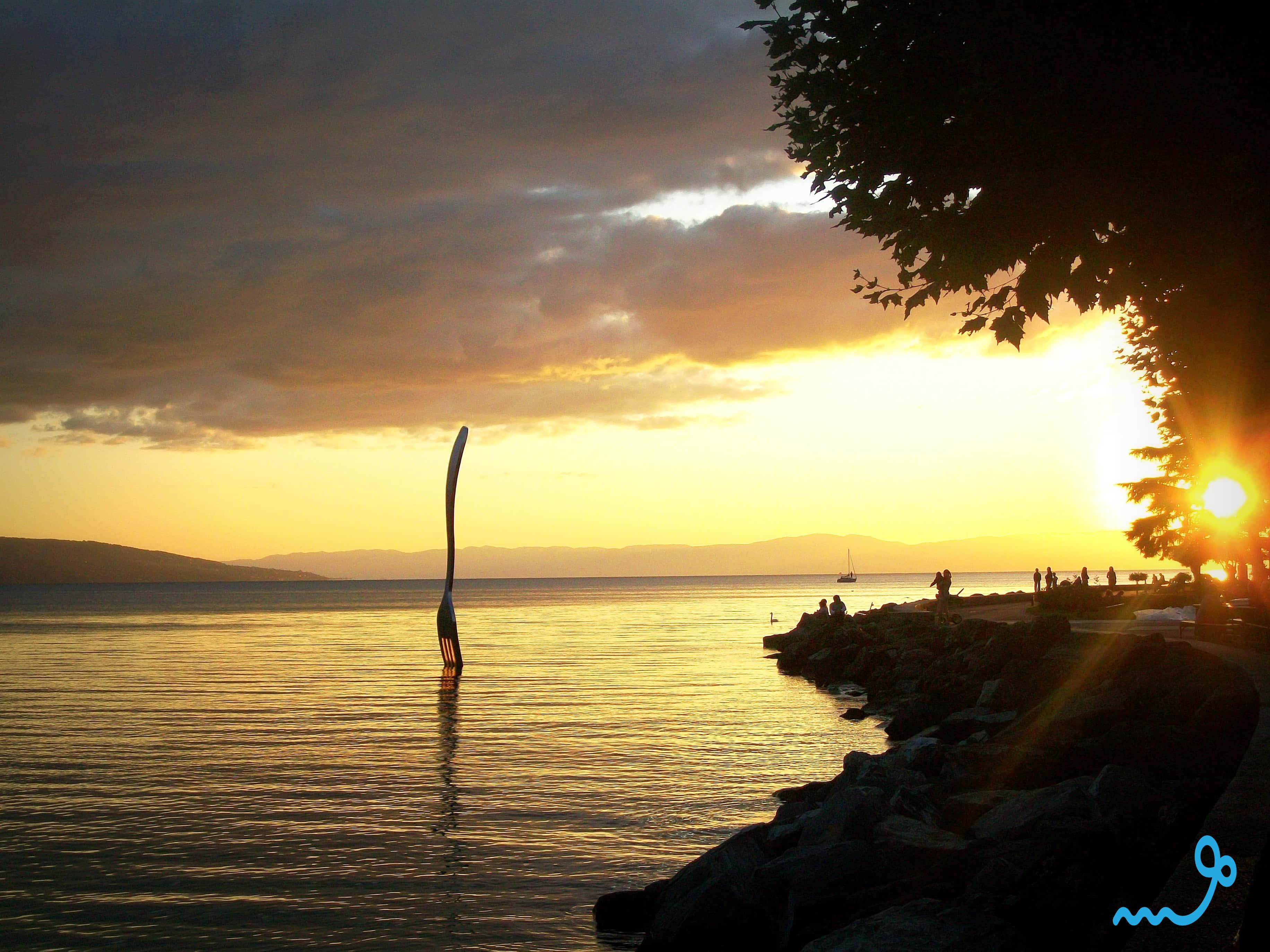
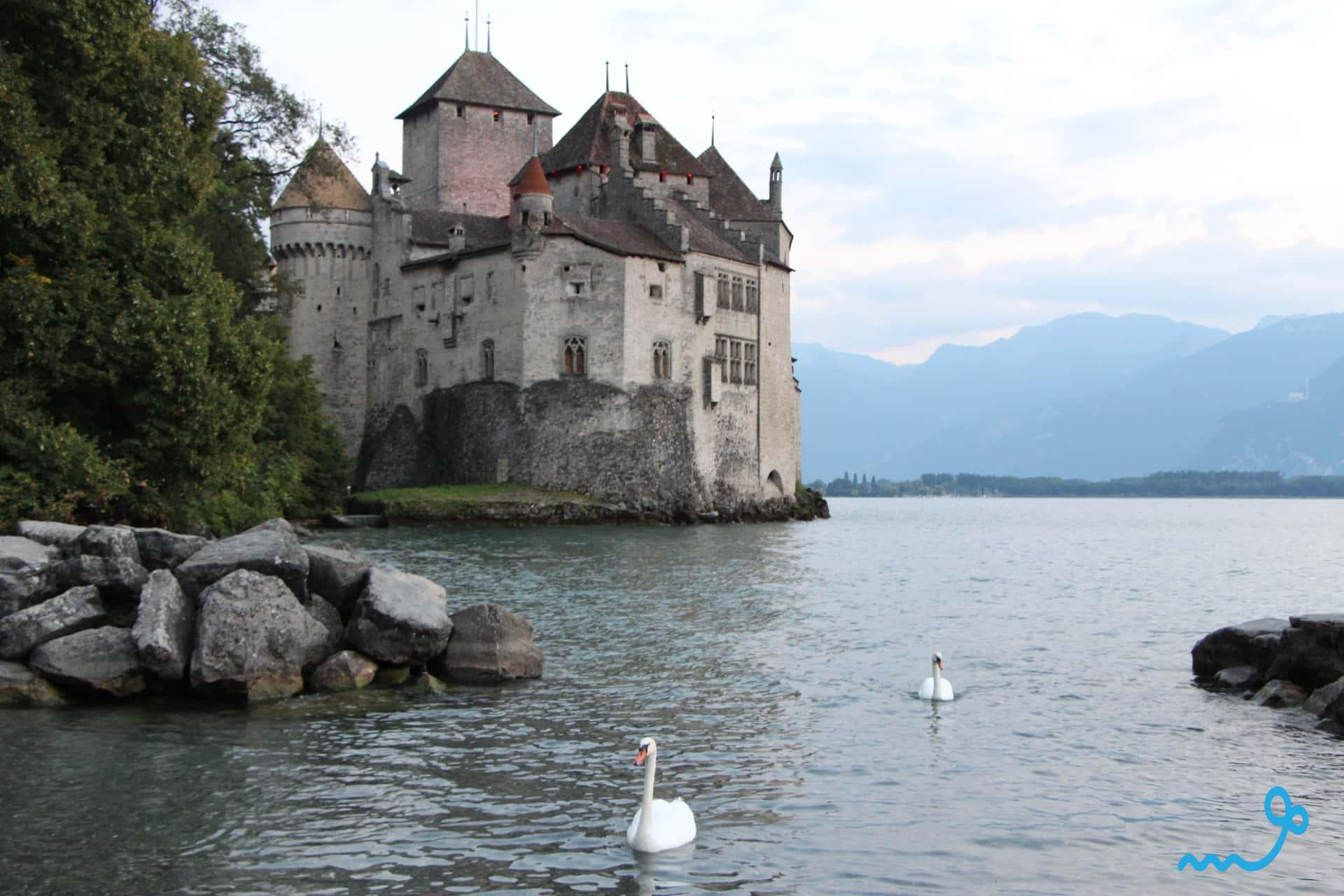
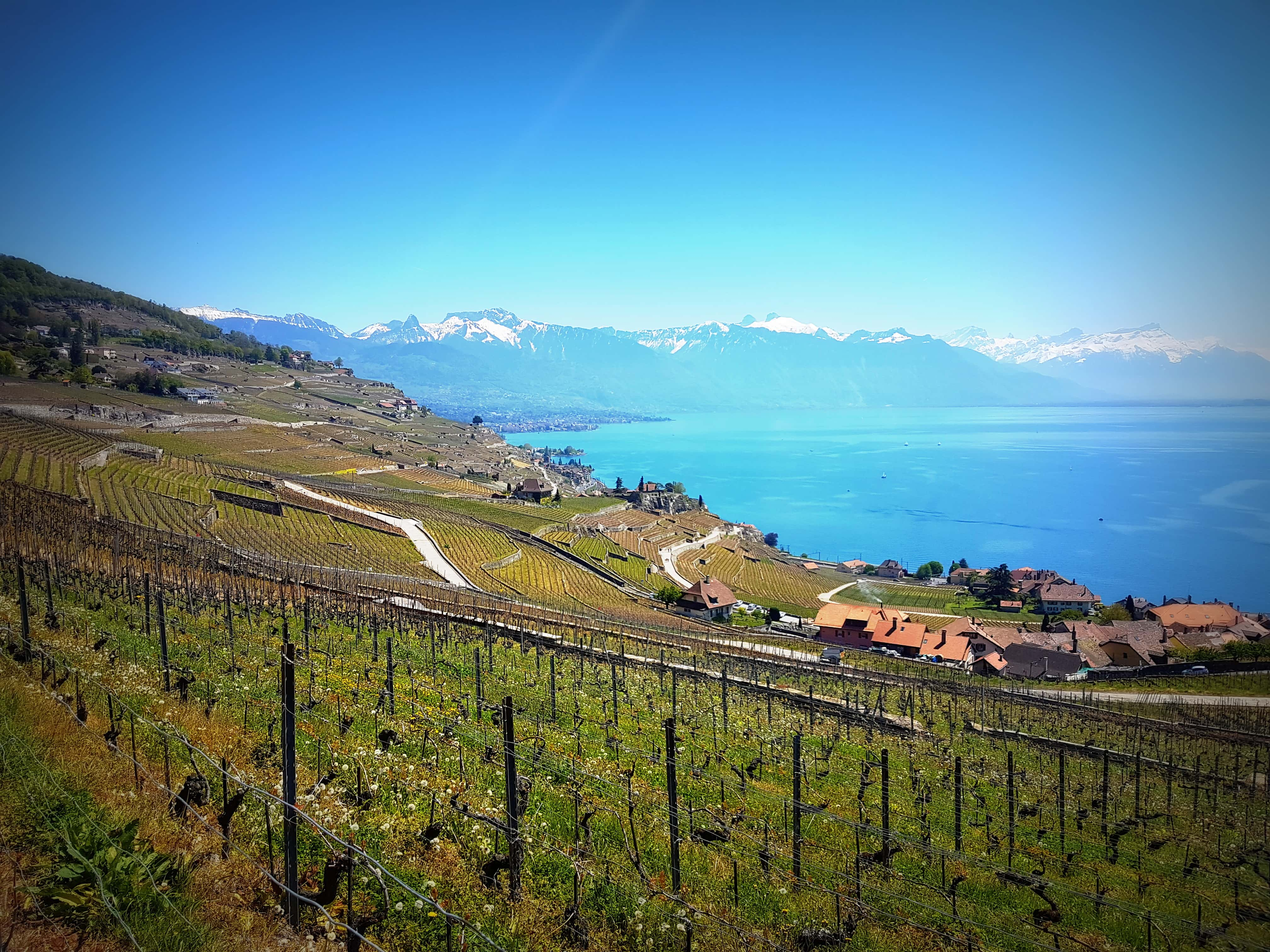
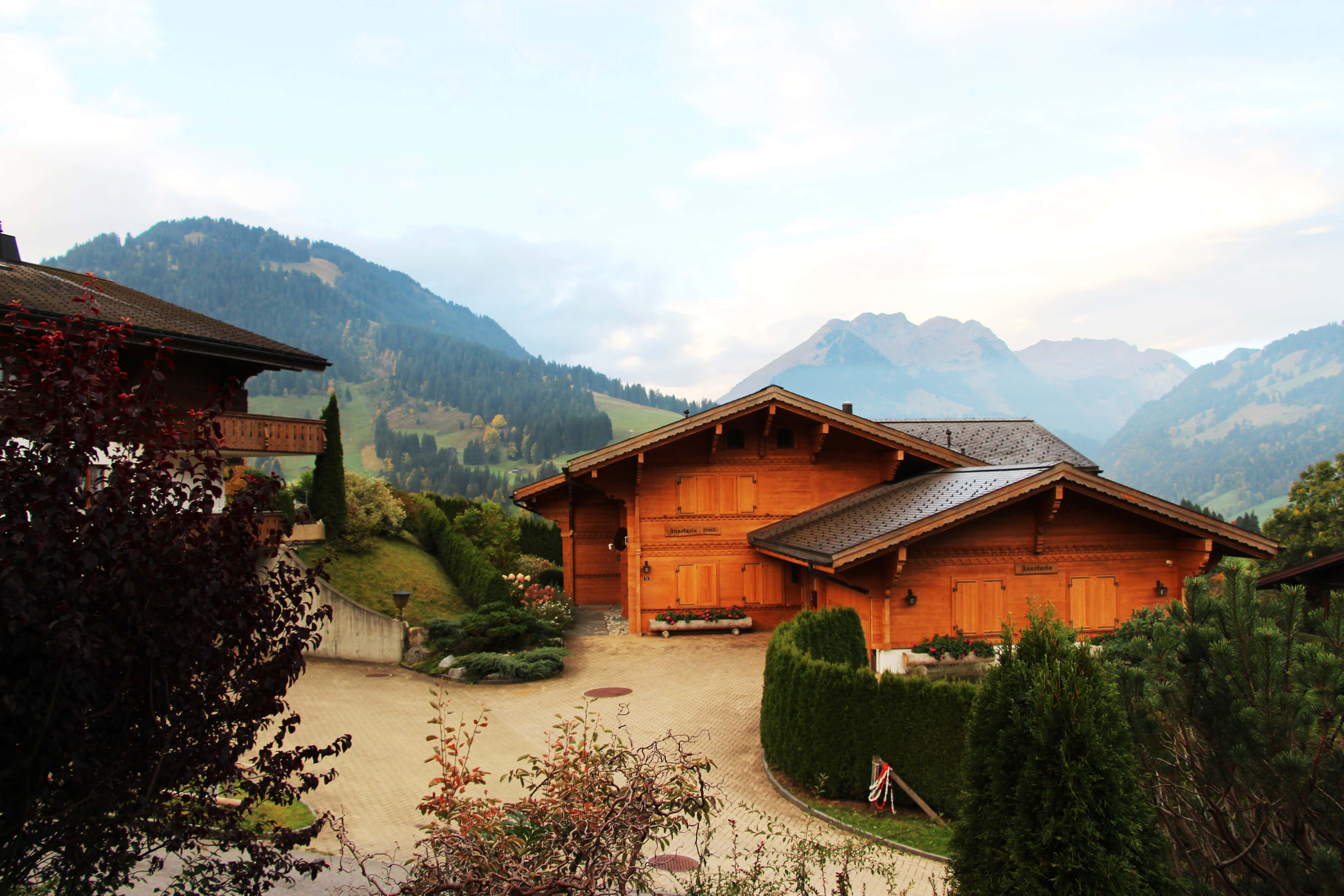
While Lake Geneva region dominates a good part of what this region offers with cities like Geneva, Lausanne, and Vevey-Montreux as the most obvious choices. But, venturing out to Zermatt, Lavaux Vineyards, Leukerbad for it’s thermal baths in winters, and bit up north towards Lake Neuchatel region, Gstaad-Saanen (Ten Chalet Villages) and Fribourg is something that most travelers tend to miss out. There are of course so many unique experiences including famous chocolate and cheese factories, farm house stays, agritourism etc. that one learns to appreciate the French way of life.
The Italian Region
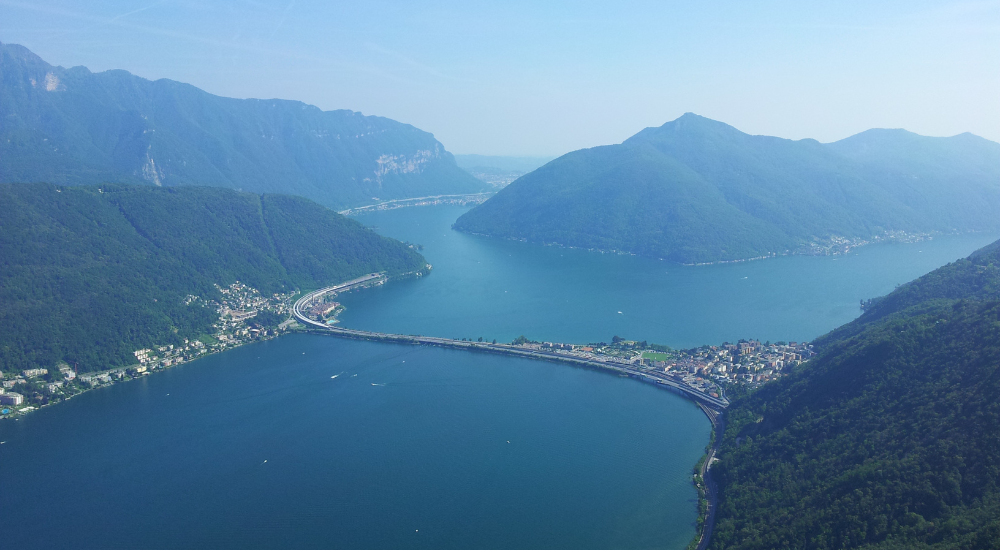
Considering its geographic position, this region of Switzerland has the highest number of sunshine hours in entire Switzerland and with lake side town of Lugano, Locarno – the Italian flair is truly in the air. For folks interested in medieval castles – Bellinzona is definitely worth a visit and if you want to hob-nob with international celebrities and CEOs then visiting the resort town of Davos during World Economic Forum event isn’t a bad idea. Besides this, Davos is also one of the luxury winter resorts in Switzerland and during summer offer great walks and hikes along the lake side and in St. Moritz.
As per a recent survey, most tourists typically end up experiencing not more than 3% of the Switzerland, which is not surprising as mostly they rely on internet searches or stories of fellow travelers – who have come here on group tours in bus coaches. Of course, group tours have their own utility but it’s hardly surprising that most travelers miss some of the great experiences in Switzerland without any support and advice from local experts. We truly believe that local knowledge and support is extremely critical as there are so many hidden gems and a lot of time is lost in figuring out these experiences. When you experience a new country with Catterfly, you are part of our community and are always supported by experts, who design not only the great experiences based on your preferences but also support you all the way through your journey.