Central Tokyo is the perfect place to see how Japan’s amazing history and its modern future live side by side. This area is home to the royal family’s residence and some of the most famous landmarks in the world.
The Tokyo Imperial Palace: The Royal Heart of the City
The Imperial Palace is the main home of the Emperor of Japan. It sits on the same spot where the massive Edo Castle used to stand, which was the center of government for hundreds of years.
A Grand Park: The palace is a huge green area in the middle of the city, surrounded by deep water moats and giant stone walls that were built to protect the old castle.
The Best View: Most visitors go to the large plaza in front of the palace to see Nijubashi, two beautiful bridges that act as the entrance to the inner grounds. One is a stone bridge that people call "Eyeglass Bridge" because of how it looks in the water.
The East Gardens: While the inner palace is usually private, you can walk through the Imperial Palace East Gardens for free. It is a beautiful place to see old castle ruins and perfectly kept Japanese gardens.
Important Tip: The gardens are usually closed on Mondays and Fridays, so be sure to check the schedule before you go.
Tokyo Tower: A Bright Symbol of the City
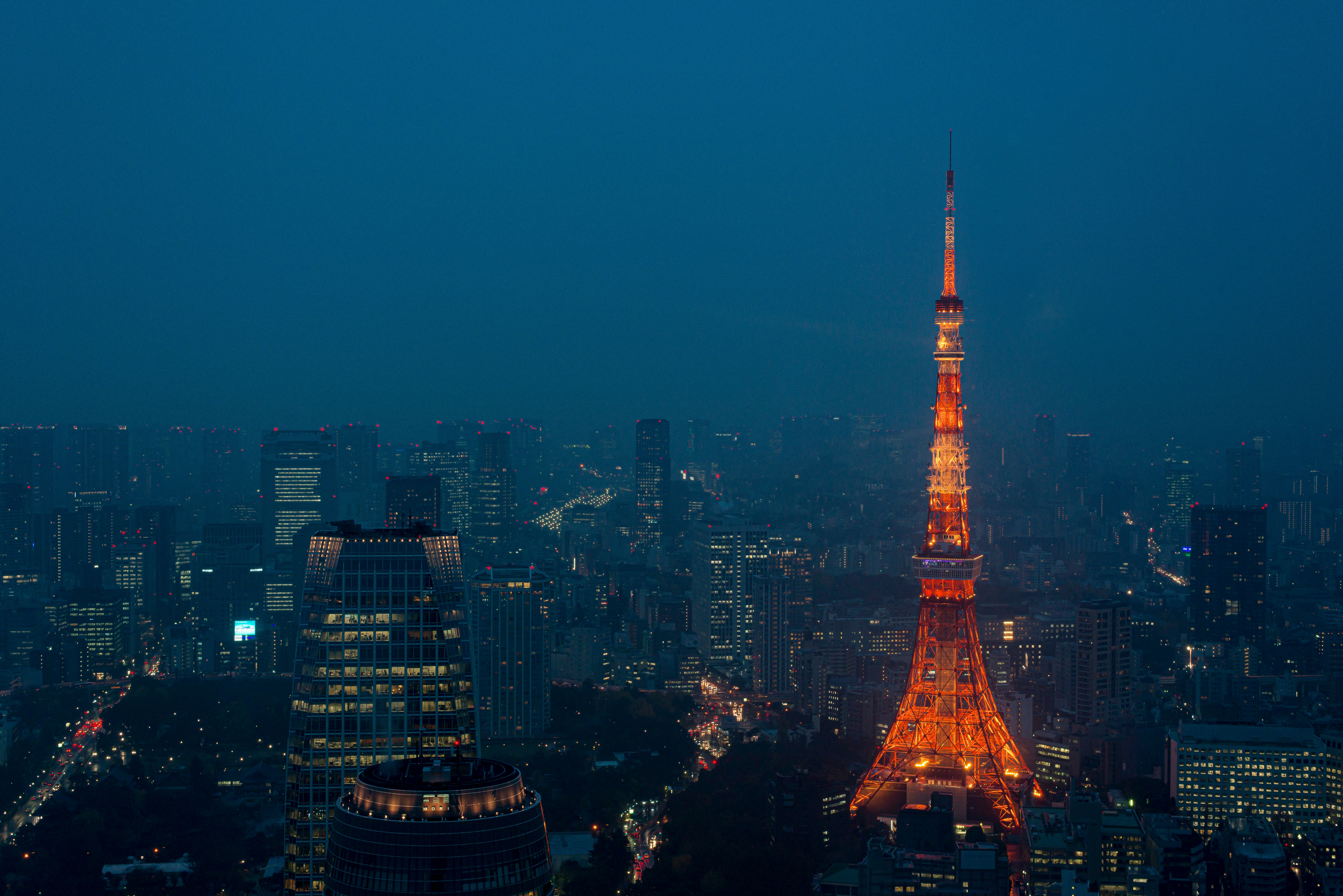
Standing 333 meters tall, Tokyo Tower is one of the most recognizable sights in Japan. When it was built in 1958, it was the tallest tower in the world, and it was inspired by the Eiffel Tower in Paris.
Vibrant Colors: The tower is painted bright orange and white so that planes can easily see it. It serves as a symbol of how quickly Japan grew and changed after the war.
Two Viewing Decks: You can take an elevator up to the Main Deck at 150 meters or the Top Deck at 250 meters. From the top, you can see all of Tokyo, and on clear days, you can even spot Mount Fuji in the distance.
Foot Town: At the bottom of the tower is a building called Foot Town. It is filled with shops, places to eat, and fun areas like an e-sports center where you can play games.
Zojoji Temple: Where the Old Meets the New
Located right next to Tokyo Tower, Zojoji Temple offers one of the most famous views in Tokyo - a traditional wooden temple with a modern orange tower standing right behind it.
A Family Temple: This was the main temple for the powerful Tokugawa family, who ruled Japan for over 250 years. Six of the famous Tokugawa leaders are buried in a special gravesite at the back of the temple grounds.
The Ancient Gate: The huge front gate, called Sangedatsumon, was built in 1622. It is one of the only buildings in the area that survived the fires and wars of the past, making it one of the oldest wooden structures in Tokyo.
Visiting: The temple is free to enter and is a very peaceful place to take a break from the busy city streets.