While the youth culture of Shibuya and Harajuku is exciting, visiting Asakusa and Akihabara shows you a different kind of magic. Heading east, you will find a city that moves from quiet, serene temples to bright, high-tech streets.
Asakusa: Stepping Back in Time
Asakusa is the heart of Tokyo's "low city" (called shitamachi), where you can still feel the atmosphere of Japan from many years ago. This neighborhood is like a beautiful dream where time has slowed down, filled with wooden houses and stunning temples. It is one of the best places to experience old Tokyo because many of its traditions and historic buildings have been kept alive.
The Famous Entrance-Kaminarimon and Nakamise: This neighborhood is like a beautiful dream where time has slowed down, filled with wooden houses and stunning temples.
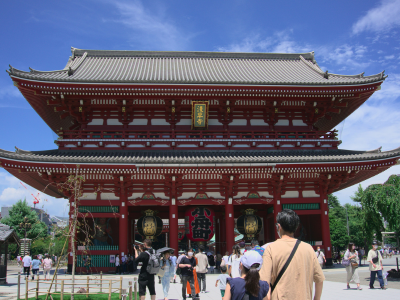
Your journey usually starts at the Kaminarimon Gate (Thunder Gate), which is the famous symbol of Asakusa. This massive gate leads you to the Nakamise Shopping Street, a colorful path that is over 250 meters long. For hundreds of years, visitors have walked this street to find:- Traditional Snacks: Freshly made local treats like melon-pan (sweet bread) and rice crackers.
- Unique Souvenirs: Beautiful Japanese fans, kimonos, and handmade crafts.
- Matcha Treats: You can even find what is claimed to be the world's most intense green tea gelato here.
Sensoji: Tokyo’s Oldest Temple: At the end of the shopping street stands Sensoji Temple, a magnificent Buddhist temple built in the 7th century. Even though parts of it were rebuilt after the war, it remains the oldest and most popular temple in Tokyo. People come from all over the world to offer incense and pray for good luck. Right next to it is the Asakusa Shrine, which survived the air raids of 1945 and hosts one of the city's biggest festivals in May.
Akihabara: The Tech and Anime Dream
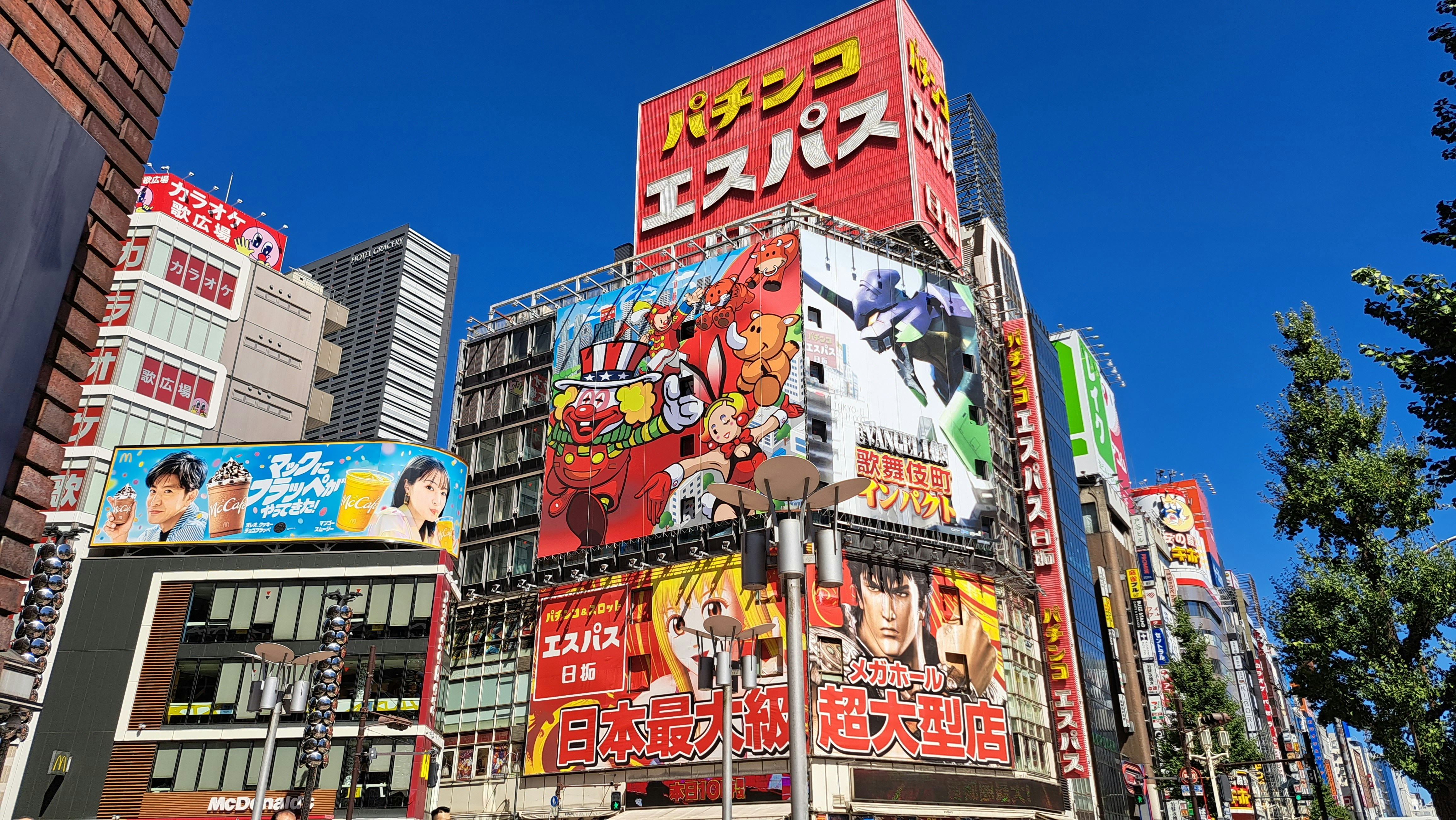
For anyone who loves gadgets, games, or anime, Akihabara (often called "Electric Town") is a paradise. It is a colorful world where technology and pop culture meet.
Electronic Treasures: The streets are packed with multi-floor shops selling everything from the latest cameras to retro video games. A must-visit spot for game lovers is the famous Super Potato shop.
Anime and Manga Hub: Akihabara is the center of modern Japanese culture. You can find entire buildings filled with figures, comic books, and collectibles that you can't find anywhere else.
Unique Eating Experiences: Akihabara is famous for its themed restaurants, like the Robot Restaurant, where you can see a wild show with lights and music. If you are hungry for something delicious, try the roast beef at Roast Beef Ōno Akihabara—it’s a local favorite!