Japan offers a rare luxury: the ability to stand in the heart of primeval forests or on the rim of a volcanic caldera without needing an expedition-grade backpack. Thanks to a world-class network of ropeways and mountain railways, we can get our travellers into rugged, beautiful terrain that would otherwise take days to climb.
For those on an 8-day Golden Route journey or 14-day Japan Deep Dive itinerary, the secret to unlocking these views is the strategic use of regional passes. These turn what could be a logistical headache into a seamless, scenic journey.
The Engineering of Awe: Beyond the JR Pass
While the JR Pass is famous, we find that localized 'Slow Travel' passes are the most efficient way to access Japan’s primeval forests and volcanic calderas.
- The Hakone Free Pass: The gold standard for scenic local routes. It covers eight transport systems, including the Hakone Tozan "Switchback" Railway and the Hakone Ropeway over the sulfuric vents of Owakudani. More on the Hakone Loop here.
- The Nikko All Area Pass: Essential for trips north of Tokyo. It covers the specialized buses climbing the 48 hairpin turns of the Irohazaka Winding Road to reach the high-altitude marshes of Okunikko.
- The Kansai Railway Pass (formerly Kansai Thru Pass): Our top pick for 2026. This rebranded pass is the key to the region’s private lines, allowing seamless "hop-on, hop-off" access to the Mt. Koya spiritual complex or the hidden temples of Ohara without worrying about individual tickets.
Want to explore Japan’s nature without complicated planning?
Email us at info@catterfly.travel, and we’ll help you build a route that combines scenic transport, light walks, and easy connections.
Email us at info@catterfly.travel, and we’ll help you build a route that combines scenic transport, light walks, and easy connections.
Nature & Wellness: Our Favorite "Nature Resets"
You don't need heavy gear for these—just comfortable shoes and a sense of wonder.
- The Nakasendo Way Stroll: For those visiting Takayama or Nagoya, the 8km walk between Magome and Tsumago is a must.
- 2026 Pro Tip: Use the Nakasendo luggage transfer service (available March–November) to send your bags between post towns for ¥1,000, allowing you to walk the stone-paved paths hands-free.
- Spiritual Forest Walks (Kurama to Kibune): This 2-hour trail north of Kyoto is the ultimate escape from the city crowds. It winds through towering cedars and ends at a riverside village known for kawadoko (dining over the water).
- The Sacred Summit Reset (Mount Mitake): While most tourists flock to the crowded trails of Mt. Takao, we recommend the Mount Mitake day hike from Tokyo. Located just 90 minutes from Shinjuku, this is the ultimate "zero-gear" mountain escape.
- The Experience: A vintage cable car whisks you to a mountain village 800m above sea level. From there, it’s a gentle walk to the ancient Musashi Mitake Shrine.
- The Highlight: Follow the "Rock Garden" loop—a 1.5km trail through mossy ravines and past the Ayahiro Falls. It is famously 5°C cooler than central Tokyo, making it the perfect summer escape.
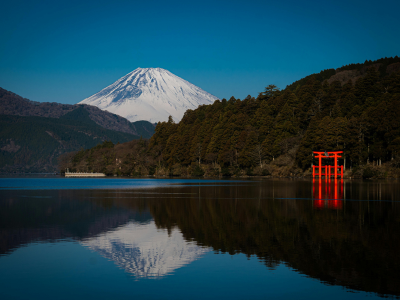
- Hakone’s Ancient Cedar Path: We recommend the Old Tokaido Road (Hakone Hachiri). Walking these moss-covered stones feels like stepping into an Edo-period painting, leading you directly to the shores of Lake Ashi.
The Cultural Reset: Onsen & Sento Etiquette
In 2026, the public hot spring (onsen) remains the bridge to total recovery.
- Geothermal Healing: Because Japan is a volcanic archipelago, baths are rich in sulfur and iron. We suggest a Rotenburo (outdoor bath) for the ultimate "mountain journey" conclusion.
- 2026 Etiquette Check: While many spots are more relaxed, most public onsens still require full nudity and no visible tattoos. If you have ink, we’ll help you find tattoo-friendly onsens or book a Kashikiri (private family bath).
Our Top Picks for a Soak:
- Hakone (Tenzan Tohji-kyo): A stunning, authentic day-use onsen tucked against a mountain slope.
- Kyoto (Funaoka Onsen): A classic sento and registered cultural property featuring intricate wood carvings.
- The Japanese Alps (Hirayu Onsen): One of the oldest alpine onsen towns, famous for its "steam-clouded" mountain views.
Smart Logistics & Safety
When planning your day hikes, we rely on the Japan Travel App by Navitime and YAMAP for trail accuracy. We always monitor "Live Volcano" warnings via the Japan Meteorological Agency for areas like Owakudani to ensure your 2026 journey is as safe as it is beautiful. Want to know more about the best apps to download for 2026? Check out our Complete 2026 Japan Tech Guide
Looking to plan an authentic trip to Japan?
Email us at info@catterfly.travel, and we’ll help you design an itinerary that makes Japan’s landscapes easy to experience and hard to forget.
Email us at info@catterfly.travel, and we’ll help you design an itinerary that makes Japan’s landscapes easy to experience and hard to forget.