The Philosophy: Why We Go
Most people visit Japan and come home with photos of the same five shrines. They see the neon of Shinjuku and the red gates of Fushimi Inari, but they often miss the feeling of Japan—the quiet, intentional hum of a country that has mastered the art of the moment.
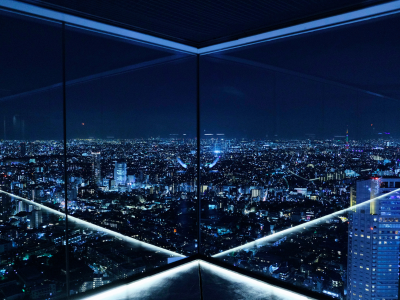
This isn't a checklist. It’s a blueprint for a trip that breathes. We believe a great journey is built on the 70/30 Rule: spend 70% of your time in the iconic, high-energy hubs like Tokyo and Kyoto, but save 30% for the "Timeless"—the places like Takayama or the artisan alleys of Kanazawa where the modern world feels like a distant rumour.
The 4 Secret Weapons of a Perfect Trip
Japan can be a LOT if you try to see and do everything. For experiences with depth and direction, these are the planning tricks we keep in mind.
- The Art of the Flow: Japan is efficient, but if you over-schedule, you lose the "white space" where the real magic happens—the hidden ramen shop, the unplanned temple path. Prioritizing experiences like The Hakone Round Course allows the landscape to reveal itself at your speed, rather than a tour bus's.
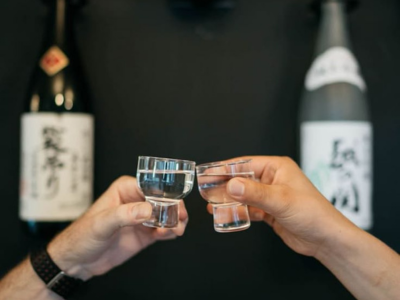
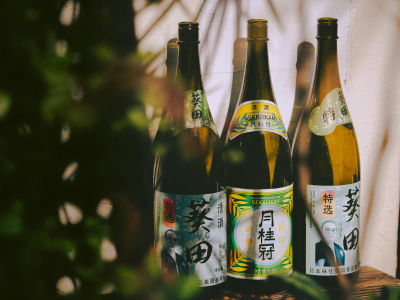
- The Local Rhythm: Don't just stay in hotels. Sleep on tatami in a Ryokan, learn the slow ritual of the Onsen, eat according to the micro-seasons and experience a Sake Brewery Tasting in the Japanese Alps
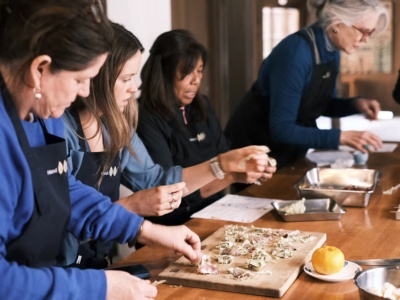
- Beyond the Surface: It’s the difference between looking at a tea bowl and watching a master apply gold leaf in a Kanazawa workshop. From The Kanazawa Market Walk to private studio visits - we ensure you leave with a story, not just a photo.
- Wild (The Rural Heart): 70% of Japan is mountains. To truly see the country, you have to leave the concrete behind for the cedar-scented air of the Alps. This 14 day Japan Grand Tour takes you all the way from Tokyo to the heart of the Japanese Alps. And if you truly want to leave the crowds behind, this smart travel guide is for you!
Planning a trip to Japan and not sure where to start? Write to us at info@catterfly.travel , and we’ll help you plan it step by step.
The Essentials (Without the Boredom)
The Best Time: Everyone wants the Sakura (Spring), and it’s beautiful. But the Autumn (October–November) is the secret—crisp air, fire-red maples, and a certain clarity that makes the landscapes pop.
Moving Around: The Shinkansen is a marvel, but your best friend is actually the IC Card on your phone and the Takkyubin (luggage forwarding) service. Send your bags ahead with Takkyubin (luggage forwarding); don't spend your trip wrestling a suitcase through a crowded station. Smart travel does not have to be hard! More on that here..
Money & Connection: Japan is a high-tech society that still loves cash (although this is slowly changing). Keep ¥10,000 in your pocket for that one-man sushi bar that doesn't take Visa. Grab an eSIM before you land; Google Maps is your lifeline for navigating the maze of Shinjuku Station. Navigate Japan's major tech changes for 2026 with our Japan expert's tech guide.
The JR Pass Myth: Following the significant price hikes, the traditional All-Japan Rail Pass is no longer a "default" purchase for savvy travellers. We help you calculate if a regional pass like the Hakone pass or Kansai Area pass, or simple point-to-point tickets, offer better value for your specific journey.
| For Sudipta & Family, we recommended the 7-day Green Class JR Pass because premium comfort and total flexibility were priorities for a family group. Their journey followed a tight loop (Tokyo–Hakone–Kyoto–Tokyo within 7 days) , where first-class seating and the ability to make and change reservations easily added real value. |
| In contrast, for Samar & Sudhamitra, we recommended individual tickets combined with specific regional passes. Their 12-day journey meant a 7-day pass wouldn’t cover the duration, while a 14-day pass was unnecessary. In this case, the math showed that point-to-point tickets delivered the same travel experience at a lower overall cost—proving that the JR Pass is no longer automatically the best-value option. |
The Roadmap to Japan
Japan is an archipelago of over 6,000 islands, and most journeys focus on the "Big Island," Honshu. To travel with intention, one must understand how the country is layered:
- The 5 Main Islands: While Japan spans from the sub-arctic Hokkaido in the north to the tropical Okinawa in the south, the "Central Belt" that sees the most travellers sits entirely on Honshu—the cultural and economic heart of the nation.
- The 8 Regions: The country is divided into broad regions with distinct dialects and climates. Our Ultimate Japan Trip bridges the high-tech Kanto region (Tokyo), the rugged Chubu region (The Japanese Alps), and the traditional soul of Kansai (Kyoto/Osaka).
- The 47 Prefectures: Think of these as states, each fiercely proud of its local "Meibutsu" (specialty). A perfect 15-day or "Golden Route" circuit isn't just a list of cities; it’s a transition through the distinct personalities of different prefectures.
The Icons
- Tokyo (Tokyo Prefecture | Kanto Region): The world’s most sophisticated organized chaos. We balance the neon-lit energy of Shinjuku with the silent, forested sanctuary of Meiji Jingu—showing you both sides of Japan's capital in a single day. Where to stay in Tokyo? Thought you'd never ask.
- Kyoto (Kyoto Prefecture | Kansai Region): The custodian of Japanese tradition. Beyond the famous "Golden Pavilion," we take you into "Hidden Kyoto"—the Zen gardens and centuries-old tea houses of the northern hills where the city’s true silence is preserved.
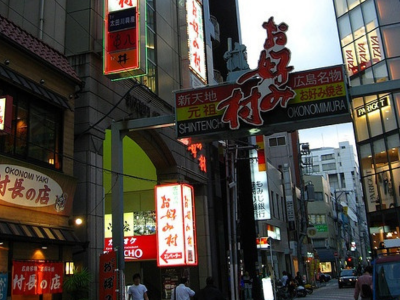
- Osaka & Hiroshima (Osaka/Hiroshima Prefectures): These are the souls of Japanese hospitality. In Osaka, the "Nation's Kitchen," we embrace the street-food culture, while in Hiroshima, we take on the Okonomimura Challenge, navigating a multi-story village dedicated to the region's savoury soul food.
The Hidden Heart:
- Kanazawa (Ishikawa Prefecture | Chubu Region): Located on the "back" of Japan near the Sea of Japan, this is the artisan capital. Untouched by history's wars, explore its Edo- period districts through The Kanazawa Market Walk, uncovering the high-end seafood and gold-leaf crafts that define this coast.
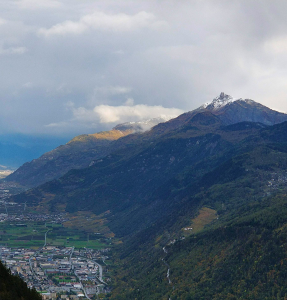
- Takayama (Gifu Prefecture | Chubu Region): A mountain portal high in the Japanese Alps. Known for timber architecture and Hida beef, Takayama feels like a village frozen in time. Our Guided Sake Tasting introduces you to historic breweries that have used the region’s pure alpine water for centuries.
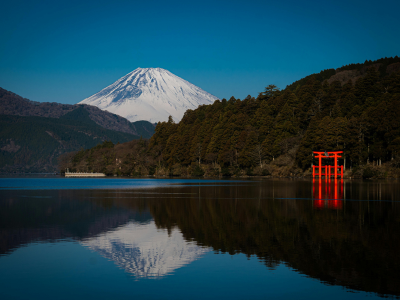
- Hakone (Kanagawa Prefecture | Kanto Region): Part of the Fuji-Hakone-Izu National Park, this is where we find the "Accessible Wild." Using the Hakone Round Course, we navigate volcanic valleys and lake views, using local cable cars and boats as our tools for exploration.
The Journeys
We don’t want you to start from a blank page. We’ve already done the logistical mapping and experience vetting to create two distinct flows:
- The Classic: Our streamlined take on the Tokyo-Kyoto-Osaka Golden Route. It’s the "Greatest Hits," but paced so you actually enjoy them.
- The Extended: This comes highly recommended. It takes you through the neon heart of the cities and deep into the samurai history and mountain traditions of the Japanese Alps.
Don’t start from scratch. The most expensive thing you can waste in Japan is time. We’ve put our 70/30 philosophy into practice so you don't have to guess if the "flow" is right.
Ready to plan your Japan journey with confidence?