To travel through Japan is to witness a profound respect for the "way" things are done—whether it’s the pouring of a drink or the preparing of a bed. We call this the Shokunin (Artisan) spirit, and in our experience, it’s best felt in the quiet ryokans of the mountains and the ancient sake breweries of the Japanese Alps.
The Ryokan Handbook: Mastering the Traditional Stay
We believe an authentic Japan trip is incomplete without at least one night in a Ryokan (traditional inn). Unlike a standard hotel, a Ryokan is a choreographed cultural performance and remains one of the best things to do in Japan in 2026.
- Tatami & Yukata: When you enter, you’ll swap your shoes for slippers. In your room, you’ll find tatami (woven straw) flooring and a yukata (light cotton kimono). We always encourage our travellers to wear their yukata throughout the inn—it’s the standard "uniform" for dinner and the baths.
- The Onsen Ritual: Most high-end ryokans feature onsen (hot springs). We’ll guide you through the etiquette—like washing thoroughly before entering the water—to ensure you feel like a pro during your stay.
- Kaiseki Dining: The highlight is the kaiseki meal—a multi-course dinner showcasing regional specialties. Whether it’s Hida beef in Takayama or Kaga-yasai vegetables in Kanazawa, these meals are a masterclass in seasonal art.
The Shokunin Spirit: Artisans of Takayama & Kanazawa
In the "Alpine" cities of Takayama and Kanazawa, the artisan spirit is woven into the streets themselves. Because these cities were spared from wartime destruction, the wooden legacy of master carpenters is still very much alive. While many ask about spring greenery, we often tell our travellers that the best season to visit Japan for snow (January or February) adds a magical, quiet layer to these artisan hubs.
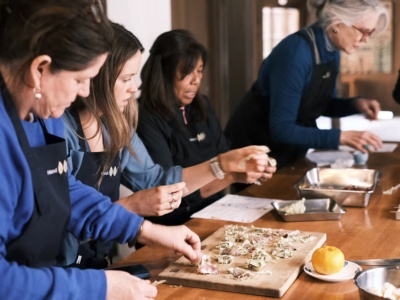
- The Artisans of Kanazawa: Known as the "City of Gold," Kanazawa is the premier destination for gold-leaf application and Kaga-yuzen silk dyeing. We recommend booking a hands-on session in the Higashi Chaya district to see how a shokunin dedicates a lifetime to perfecting a single craft.
- Pottery Villages: If you have space in your Japan travel itinerary, we recommend exploring the local kilns in the surrounding valleys. Seeing the earth transformed into stoneware for tea ceremonies is a major highlight.
The Alchemist’s Art: Heritage Sake Breweries
The Japanese Alps are famous for crystal-clear mountain water—the "secret sauce" for premium sake. When walking through the old town of Takayama, we’ll show you how to spot the sugidama (cedar balls) hanging over doorways; that’s the sign of an active brewery.
Psst, a bright green sugidama means new sake has just been pressed; a brown one means the sake has matured and is ready for peak consumption.
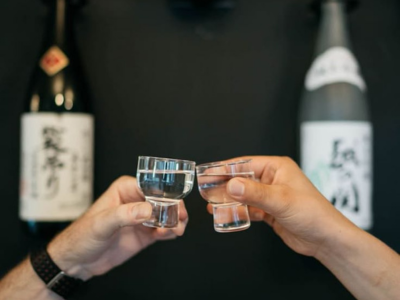
- The Experience: Many breweries offer tastings where you can learn the difference between Junmai and Daiginjo. For us, this is one of the top things to do in Japan to understand the intersection of nature and history.
- The Ritual: You’ll often see sake served in a Masu (wooden box). This is a nod to Japan’s history as a timber-rich nation, and it adds a subtle, earthy aroma to every pour.
Budgeting for Authenticity
When calculating your Japan trip cost, keep in mind that a stay in a high-quality Ryokan usually includes two gourmet meals. While the upfront investment is higher, we find it’s often the most cost-effective way to experience world-class regional food and private onsen access all in one go.
Plan Your Cultural Immersion
Finding a truly authentic ryokan or a hidden brewery requires a bit of local "know-how." Whether you are looking for Japan travel packages or a bespoke Japan travel planner, we’re here to connect you directly with the master artisans and traditional hosts that make this country so special.
Planning a Japan trip focused on culture, not just sightseeing?
Email us at info@catterfly.travel and let us help you design a journey built around ryokans, artisans, and local traditions.
Email us at info@catterfly.travel and let us help you design a journey built around ryokans, artisans, and local traditions.