Travel Packages & Tours | Catterfly Travel

Explore Our Curated Travel Packages & Tours Sri Lanka

Bespoke Itineraries for Deep Exploration.


Sri Lanka is not just a destination; it is a collection of diverse worlds gathered onto a single, emerald jewel in the Indian Ocean. From the mist-shrouded peaks of the tea country to the leopard-tracked wilds of the dry zone and the sapphire waters of the southern coast, the transition between landscapes is as seamless as it is breathtaking.

  • Secluded Sanctuaries: Retreat to restored colonial tea bungalows or minimalist architectural marvels tucked away in the jungle.
  • Curated Heritage: Walk through ancient kingdoms with private historians who bring thousand-year-old stone to life.
  • Wild Elegance: Embark on bespoke safaris in search of the elusive Sri Lankan leopard, followed by starlit dinners in the heart of the bush.

Your Journey, Refined. Whether you have five days to rejuvenate in a coastal villa or three weeks to traverse the island’s cultural heart, the experience is defined by discreet luxury and effortless transitions. In Sri Lanka, you don't have to choose between a mountain retreat and a beach sanctuary—you can inhabit both in a single afternoon. This is an invitation to explore deeper, fly private over rolling hills, and find yourself in a world that feels like a thousand others.

FAQ & Expert Tips

Where is Sri Lanka located and why is its geography unique?

Sri Lanka is an island nation in the Indian Ocean, located just south of India. What makes Sri Lanka unique is how much geographical diversity it packs into a relatively small area. Within a few hours of travel, you can move from palm-fringed beaches to misty hill country, dense rainforests, dry-zone national parks, and ancient cities. This compact diversity makes Sri Lanka ideal for multi-experience itineraries without long travel times.

What is the best time to visit Sri Lanka and how do monsoons affect travel?

Sri Lanka experiences two monsoon systems, which means some part of the country is always in season. The southwest monsoon affects the west and south coasts from May to September, while the northeast monsoon affects the east coast from October to January. The best time to visit the west and south (Colombo, Galle, Bentota, hill country) is December to April. The east coast (Trincomalee, Pasikudah) is best from May to September. Even during monsoon months, travel is very possible with occasional short showers rather than constant rain.

How many days are ideal for a Sri Lanka trip?

Sri Lanka can be explored meaningfully in 7–10 days if focusing on highlights, but 12–14 days allows a more relaxed pace. Shorter trips usually combine cultural sites, hill country, and one beach area. Longer trips allow for wildlife safaris, multiple national parks, and slower travel through tea estates and coastal towns. Because distances are short but roads can be slow, fewer destinations with more time in each place often results in a better experience.

Is Sri Lanka safe for tourists, including families and solo travelers?

Sri Lanka is generally safe for tourists, including families, solo travelers, and senior citizens. Violent crime against tourists is rare. Most concerns involve petty theft, which can be avoided with normal precautions. Sri Lankans are known for their hospitality and willingness to help travelers. Families will find good infrastructure, friendly locals, and a relaxed atmosphere, while solo travelers often feel comfortable due to the country’s welcoming culture.

What are the must-visit cultural and historical sites in Sri Lanka?

Sri Lanka’s cultural and historical sites span over 2,500 years of recorded history, shaped by ancient kingdoms, Buddhism, colonial powers, and trade routes. The island’s heritage is best explored through its ancient cities, sacred temples, royal capitals, and colonial towns, many of which are UNESCO World Heritage Sites. Together, they reveal how Sri Lanka evolved as one of Asia’s most sophisticated early civilizations.

The Cultural Triangle: The Heart of Ancient Sri Lanka
The Cultural Triangle in north-central Sri Lanka is the country’s most important historical region and is home to several UNESCO-listed sites.

Anuradhapura
Anuradhapura was Sri Lanka’s first capital and a major center of Theravada Buddhism. Founded in the 4th century BC, it is known for its vast monasteries, sacred stupas, and advanced irrigation systems. Key highlights include the Sri Maha Bodhi, the oldest historically documented tree in the world grown from a sapling of the original Bodhi tree under which the Buddha attained enlightenment, and massive dagobas such as Ruwanwelisaya and Jetavanaramaya.

Polonnaruwa
Polonnaruwa served as the medieval capital of Sri Lanka and is more compact and easier to explore than Anuradhapura. The city is famed for its well-preserved ruins, royal palaces, and the iconic Gal Vihara, a group of colossal Buddha statues carved from a single granite rock. The site reflects the height of Sri Lankan architecture and urban planning during the 11th and 12th centuries.

Sigiriya Rock Fortress
Often called the “Eighth Wonder of the World,” Sigiriya is an ancient rock citadel rising dramatically above the surrounding plains. Built in the 5th century by King Kashyapa, it features royal gardens, water systems, frescoes, and the famous Mirror Wall. Climbing Sigiriya rewards visitors with sweeping views and insight into one of Asia’s most ambitious ancient constructions.

Dambulla Cave Temple
The Dambulla Golden Temple complex consists of five cave temples adorned with over 150 Buddha statues and vibrant ceiling paintings. Continuously used for worship for more than 2,000 years, it remains one of the best-preserved cave temple complexes in South Asia.
Kandy and the Sacred Hill Capital

Kandy
Nestled in the central hills, Kandy was the last royal capital of Sri Lanka. Its spiritual significance comes from the Temple of the Sacred Tooth Relic, which houses one of Buddhism’s most revered relics. The city also hosts the annual Esala Perahera, one of Asia’s grandest cultural festivals featuring dancers, drummers, and elaborately decorated elephants.
Hill Country Heritage and Colonial Influence

Nuwara Eliya
Often called “Little England,” Nuwara Eliya reflects Sri Lanka’s British colonial past. Surrounded by tea plantations, it showcases colonial-era bungalows, gardens, and the legacy of Sri Lanka’s tea industry. Nearby tea factories offer insight into the country’s most famous export.
Southern Coast and Colonial Forts

Galle Fort
A UNESCO World Heritage Site, Galle Fort is a living monument to Sri Lanka’s colonial history. Built by the Portuguese and later expanded by the Dutch, the fort blends European architecture with South Asian influences. Today, it is filled with cobbled streets, historic churches, museums, cafes, and boutique hotels.
Sacred Cities and Pilgrimage Sites

Adam’s Peak (Sri Pada)
Sri Pada is one of Sri Lanka’s most important pilgrimage sites, revered by Buddhists, Hindus, Christians, and Muslims alike. The mountain is climbed for the sacred footprint at its summit and is especially popular during the pilgrimage season from December to May.

How to get around in Sri Lanka?

Traveling around Sri Lanka is relatively easy, but it requires thoughtful planning as travel times can be longer than expected despite short distances. Most visitors use a combination of private transport, trains, and local travel options, depending on comfort, budget, and itinerary.

The most recommended way to get around Sri Lanka is by hiring a private car with an English-speaking driver. This option offers maximum comfort, flexibility, and peace of mind, especially for families, first-time visitors, and travelers covering multiple destinations. It allows door-to-door travel, easy stops for sightseeing and meals, and eliminates the stress of navigating unfamiliar roads. Drivers often act as informal guides, making this a practical and efficient choice.

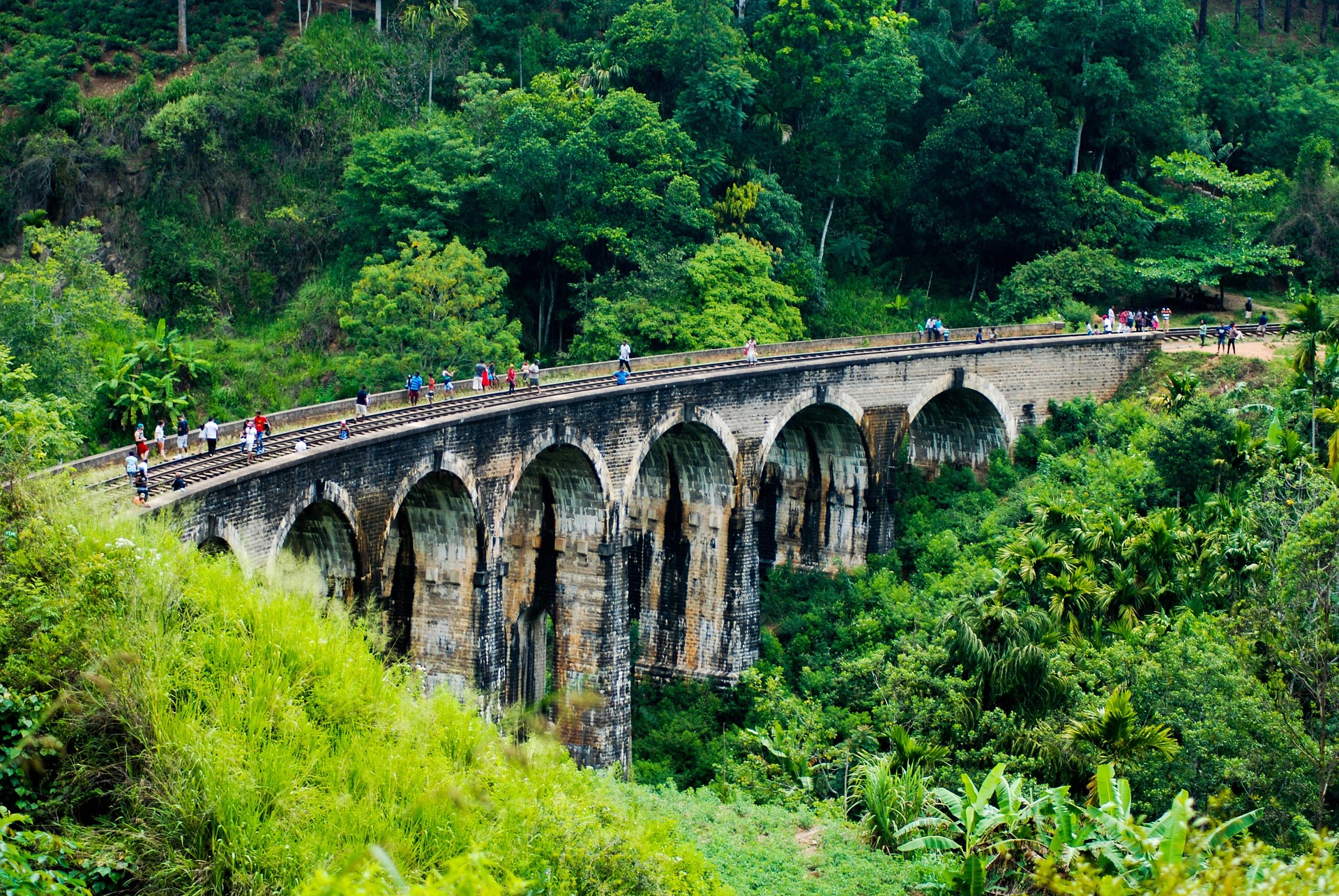
Train travel is another popular and authentic way to experience Sri Lanka, particularly for scenic routes. The journey between Kandy and Ella is considered one of the most beautiful train rides in the world, passing through tea plantations, waterfalls, and misty hills. Trains are affordable and atmospheric, but they are slow, and advance seat reservations are recommended for longer routes. Most travelers use trains for select journeys rather than their entire trip.

For travelers short on time, domestic flights can help cover longer distances, with limited routes connecting Colombo to places like Jaffna and Trincomalee. While flights save time, they operate on smaller aircraft and are subject to weather conditions, so they are best used strategically.
Within towns and cities, tuk-tuks are the most convenient option for short distances. They are widely available and ideal for quick trips, though fares should be agreed upon in advance unless the vehicle is metered. Walking is also practical in compact areas such as Galle Fort and Ella.

Public buses are the cheapest way to travel and connect nearly every corner of the country. However, they can be crowded, fast-paced, and challenging for travelers with luggage or tight schedules, making them less suitable for most tourists.

While self-driving is possible, it is generally not recommended for visitors due to narrow roads, local driving habits, and unfamiliar traffic rules. Hiring a local driver is usually a safer and more relaxing alternative.

Overall, the best way to get around Sri Lanka depends on your travel style. Private cars with drivers offer comfort and efficiency, trains provide unforgettable scenic experiences, and tuk-tuks and walking work well for local exploration. Choosing the right mix ensures a smooth and enjoyable journey through the island.

Is Sri Lanka suitable for family travel with children?

Yes, Sri Lanka is a very family-friendly destination and works well for travelers with children of different age groups. One of its biggest advantages is its compact size, which allows families to experience beaches, wildlife, cultural sites, and hill country without extremely long travel distances when the itinerary is planned well.

Sri Lankans are known for their warm hospitality and love for children, which makes families feel welcome and safe. Hotels, restaurants, and local communities are generally accommodating, and it is common to see families traveling comfortably across the country.

Sri Lanka offers a wide range of child-friendly experiences. Wildlife safaris in parks like Udawalawe and Minneriya are especially popular with kids due to frequent elephant sightings and shorter safari durations. Scenic train journeys, particularly through the hill country, turn travel time into an enjoyable experience rather than a tiring transfer. Beaches such as Bentota, Mirissa, and Nilaveli provide relaxed spaces for children to play and unwind.

Accommodation options are well suited for families, with many resorts, boutique hotels, villas, and apartments offering family rooms, swimming pools, and open spaces. Food is also adaptable for children, as most places offer mild versions of local dishes along with international and Indian cuisine.

For comfort and ease, private transport with a driver is recommended when traveling with children, as it allows flexibility and reduces fatigue. With thoughtful planning and a relaxed pace, Sri Lanka offers a safe, enriching, and enjoyable family travel experience.

What kind of accommodation options are available in Sri Lanka?

Sri Lanka offers a wide range of accommodation options to suit every travel style and budget, from simple guesthouses and homestays to luxury resorts and boutique heritage hotels. Travelers can choose to stay in tea estate bungalows in the hill country, wildlife lodges near national parks, beachfront resorts along the coast, or colonial-era villas that reflect the island’s rich history and architectural heritage.

One of Sri Lanka’s strengths is the quality of accommodation across all price ranges. Even mid-range hotels typically provide spacious rooms, attentive service, good dining options, and well-maintained facilities such as gardens or swimming pools. Many properties emphasize personalized hospitality, giving travelers a more intimate and authentic experience.
Compared to many other popular destinations, Sri Lanka offers excellent value for money, allowing travelers to enjoy comfort, character, and location without significantly increasing their budget.

What cultural etiquette should travelers be aware of?

When visiting temples, modest clothing covering shoulders and knees is required. Shoes must be removed before entering religious sites. Public displays of affection are best kept minimal. It is respectful to ask permission before photographing people. Understanding and respecting local customs greatly enhances the travel experience and fosters positive interactions with locals.

  • 0
  • 0

Cart

  • {{ item.documentId.name }}