Sri Lanka is more than just a destination; it is a rhythmic cycle of celebration. From the thunderous drums of the Perahera to the quiet glow of a full moon, the island’s culture is tied to the stars, the seasons, and the soul.
The Perahera Festivals: Explained Simply
Think of a Perahera as a grand, moving street carnival—but with a deep spiritual purpose. The most famous is the Esala Perahera in Kandy, held annually in July or August.
- The Sight: Hundreds of dancers, fire-breathers, and whip-crackers performing to the beat of traditional drums.
- The Star: A majestic elephant carrying a golden casket containing the Sacred Tooth Relic of the Buddha.
- The Meaning: It is a vibrant petition for rain and a blessing for a good harvest.
The Rhythm of the Moon: Poya Days
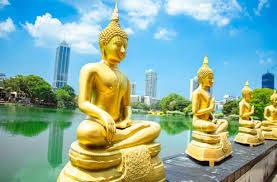
In Sri Lanka, every Full Moon (Poya) is a public holiday. Life slows down, spirits rise, and the island turns white as devotees head to temples.
- Full Moon Nights: These are days for reflection. Alcohol and meat are generally not sold, and the atmosphere is serene.
- Temple Festivals After Dark: On Poya nights, temples like Kelaniya or Gangaramaya are illuminated by thousands of oil lamps. Seeing the white stone stupas glowing against the dark sky is a highlight for any traveler.
Harvest Rituals and New Year Traditions
The island’s calendar is dictated by the sun and the rice paddy.
- The Harvest (Thai Pongal): Celebrated in January, this Hindu ritual thanks the Sun God for a bountiful harvest. Expect to see "Pongal"—a sweet rice dish—being cooked in decorated clay pots.
- Aluth Avurudha (The New Year): Falling in mid-April, this is the most important cultural event for both Sinhalese and Tamils. It marks the end of the harvest season with traditional games, oil-lighting ceremonies, and "Kevum" (oil cakes).
Important Cultural Monuments: The "Must-Sees"
Beyond the festivals, Sri Lanka’s history is carved into its landscape through ancient stone and colonial brick.
- Sigiriya (The Lion Rock): An ancient fortress perched 200 meters high. It is a masterpiece of urban planning and 5th-century art.
- The Sacred City of Anuradhapura: Home to some of the oldest and largest stupas in the world, and the Jaya Sri Maha Bodhi—the oldest human-planted tree in existence.
- Dambulla Cave Temple: Five caves filled with intricate statues and murals that have watched over the island for over 2,000 years.
- Polonnaruwa (The Medieval Capital): A city of ruins and royal palaces. The highlight is the Gal Vihara, where four massive Buddha statues are carved into a single granite rock face.
- The Temple of the Sacred Tooth Relic (Kandy): The most important pilgrimage site in Sri Lanka, especially atmospheric during the evening offering ceremonies.
- Galle Fort (A Living Monument): A 16th-century Dutch fortress where history meets the ocean. It is a unique blend of European architecture and South Asian lifestyle.
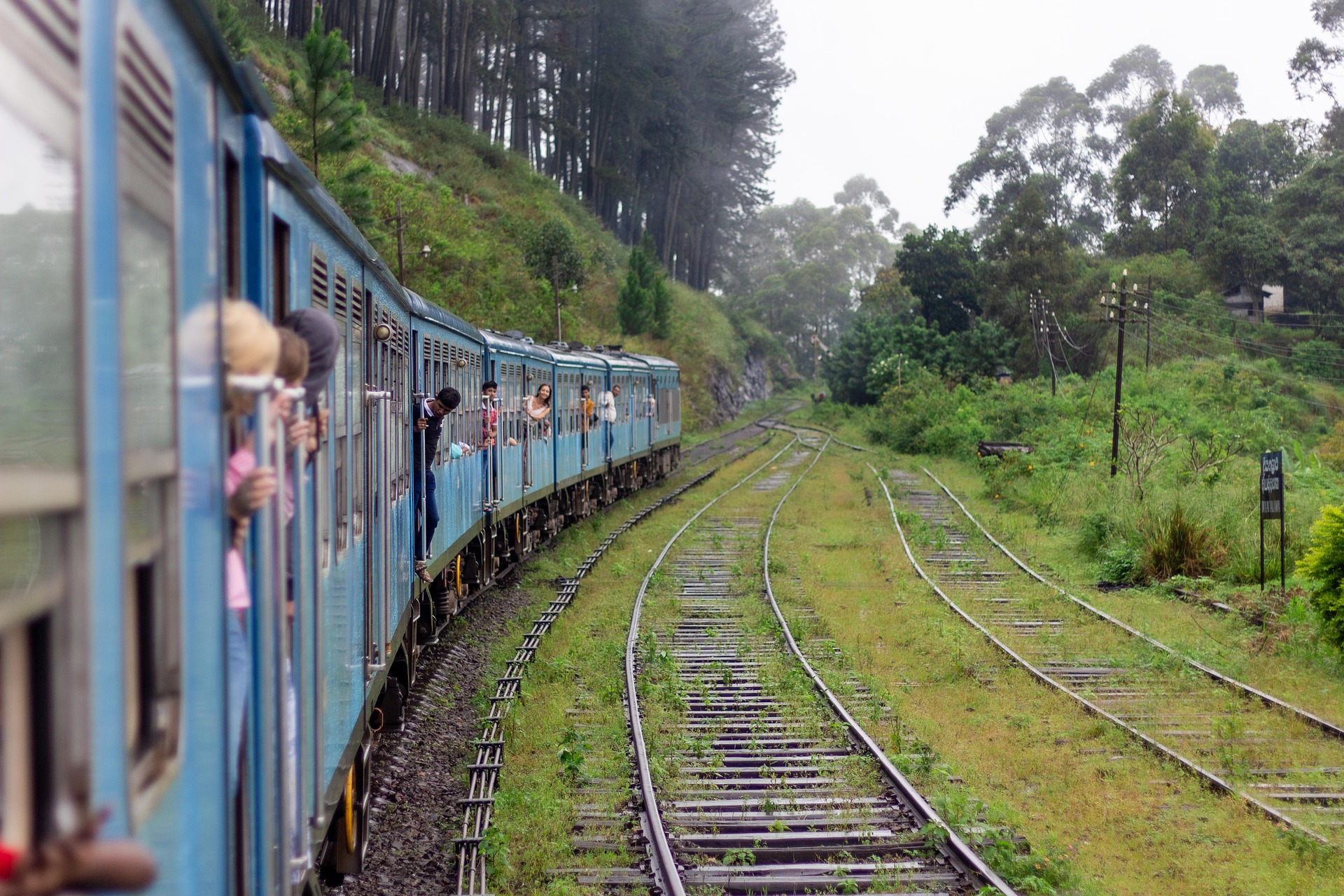
- The Nine Arch Bridge (Ella): A colonial-era engineering marvel built entirely of stone and bricks—without a single piece of steel—tucked away in the misty tea plantations.
If that sounds like a lot to see, you'll be surprised at the breadth of experiences that you can have in one 11 day Sri Lankan adventure.
The Secret to Finding Authentic Sri Lankan Food
Most travelers stick to hotel buffets, but the "secret" to the real taste of Sri Lanka lies elsewhere:
- Follow the Rice and Curry: Authentic food is found in small, unassuming "Rice and Curry" spots. Look for a place with clay pots. A real meal should have at least five different vegetable curries surrounding a mountain of red rice.
- The Street Food Hero: Seek out Kottu Roti. You’ll hear it before you see it—the rhythmic "clank-clank" of metal blades chopping dough, vegetables, and meat on a hot griddle.
- Hopper Stands: For breakfast or dinner, find a roadside stand making Hoppers (crispy rice-flour crepes). An "egg hopper" with Lunu Miris (onion and chili sambal) is the ultimate local experience.