Sri Lanka is one of Asia’s most rewarding destinations, offering an extraordinary mix of landscapes, cultures, and experiences within a compact island. In a single trip, travelers can move from ancient cities and sacred temples to misty tea plantations, wildlife-rich national parks, and palm-fringed beaches. What makes Sri Lanka especially appealing is how accessible it is—distances are short, costs are reasonable, and the country caters well to families, couples, solo travelers, and slow explorers alike.
This guide is designed to help you understand why Sri Lanka is worth visiting, when to go, how to get around, and what to prioritize, whether you’re planning a short highlights trip or a deeper, multi-region journey.
Why Sri Lanka Is Worth Visiting
Sri Lanka’s appeal lies in its diversity packed into a small geographic area. Few destinations allow you to explore UNESCO-listed ancient capitals, spot leopards in the wild, ride one of the world’s most scenic train routes, and relax on tropical beaches—all within the same itinerary.
Culturally, the island reflects over 2,500 years of history shaped by Buddhism, Hinduism, colonial powers, and maritime trade. Nature lovers are drawn to its rainforests, highlands, and wildlife reserves, while food lovers enjoy a cuisine that balances spice, coconut, and regional variety. Add to this the warmth of local hospitality and Sri Lanka becomes both immersive and approachable.
Best Time to Visit Sri Lanka
Sri Lanka’s climate is influenced by two monsoon systems, which means there is almost always a good region to visit year-round.
- December to March is ideal for the south and west coasts (Galle, Bentota, Mirissa) and the hill country (Kandy, Nuwara Eliya, Ella). This is peak season with the best weather but higher prices.
- April to September is best for the east coast (Trincomalee, Pasikudah, Arugam Bay), offering calm seas and fewer crowds.
- Wildlife viewing varies by park:
- Yala National Park is best from February to July
- Minneriya elephant gathering peaks July to September
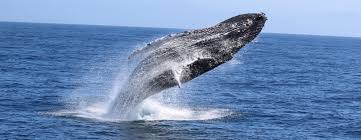
- Whale watching runs November to April (south coast) and May to September (east coast)
Shoulder months like April and October can offer good value but may include short, intense rain showers.
Travel Essentials to Know Before You Go
- Visa: Most travelers require an Electronic Travel Authorization (ETA), easily applied for online before arrival.
- Currency: Sri Lankan Rupee (LKR). Cash is widely used, though cards are accepted in hotels and larger restaurants.
- Plugs & Power: Type D, G, and M plugs are common. A universal adapter is recommended.
- Language: Sinhala and Tamil are official languages; English is widely spoken in tourist areas.
- Safety: Sri Lanka is generally safe for travelers. Normal precautions apply, especially in crowded areas.
Getting Around Sri Lanka
Transportation is straightforward but slower than distances might suggest.
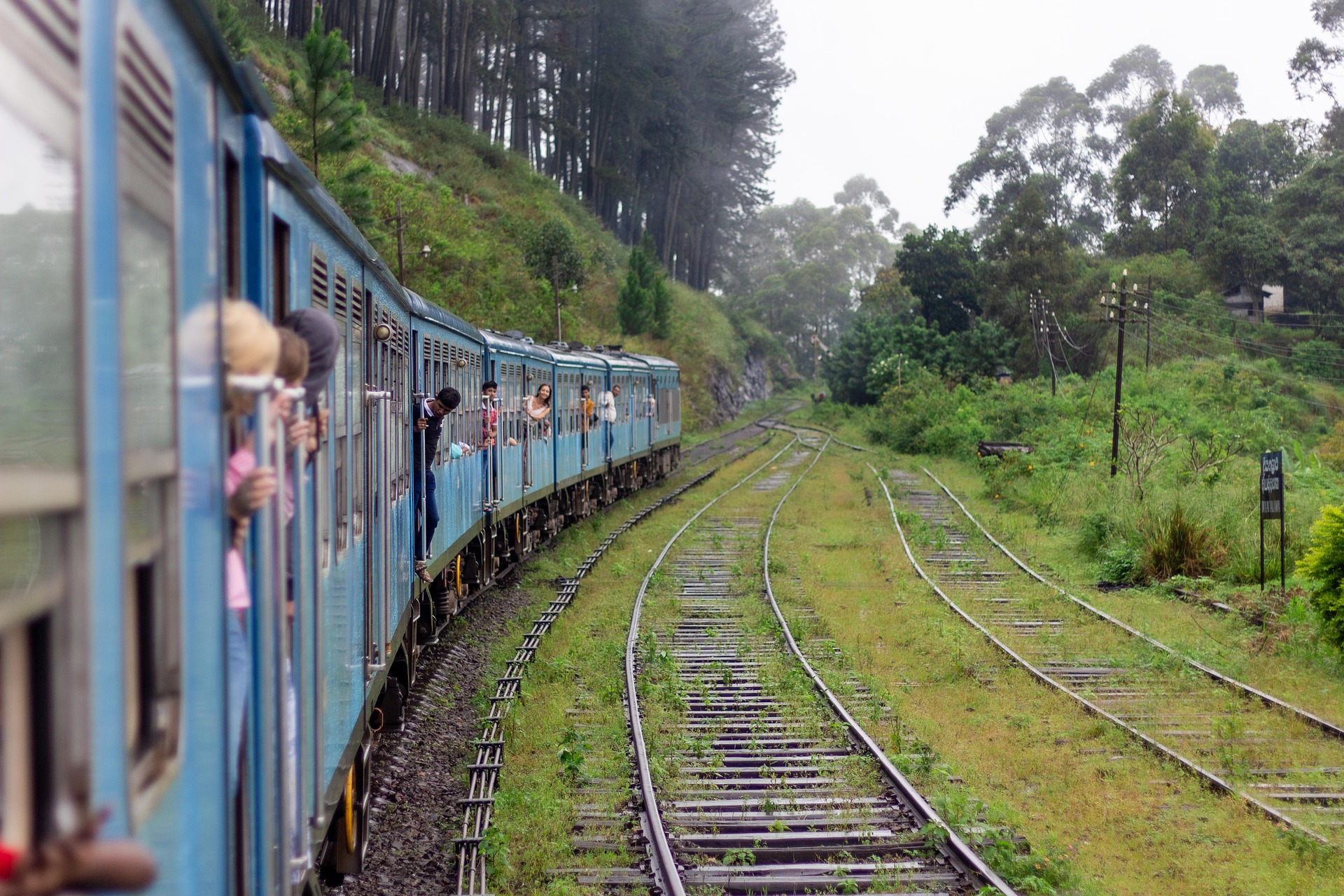
- Trains are scenic, affordable, and ideal for routes like Kandy–Ella and Colombo–Galle. First and second-class reserved seats are recommended.
- Private car with driver is the most comfortable and flexible option, especially for families or multi-stop itineraries.
- Buses are very cheap and extensive but can be crowded and confusing for first-time visitors.
- Tuk-tuks are useful for short distances within towns - although some rental agencies offer them for self-drive tours.
- Domestic flights exist but are rarely necessary due to the island’s size.
Looking to experience that scenic train journey you've seen all over Instagram? Here's how to travel the iconic Kandy-Ella train route and a lot more.
Sri Lanka’s Key Regions Explained
- Cultural Triangle (Sigiriya, Polonnaruwa, Anuradhapura): Ancient capitals, rock fortresses, and temples.
- Hill Country (Kandy, Nuwara Eliya, Ella): Tea plantations, waterfalls, cooler climate, and scenic rail journeys.
- South Coast (Galle, Mirissa, Bentota): Beaches, colonial architecture, whale watching, relaxed coastal towns.
- East Coast (Trincomalee, Pasikudah, Arugam Bay): Quieter beaches, seasonal surfing, excellent snorkeling.
- Wildlife Regions (Yala, Wilpattu, Minneriya): Safaris, elephants, leopards, and birdlife.
Unmissable Experiences in Sri Lanka
- Ride the Kandy to Ella train, one of the world’s most scenic routes
- Go on a jeep safari to spot elephants and leopards
- Taste the iconic Ceylon tea and see how it is produced
- Watch blue whales off the southern or eastern coast
Sample Sri Lanka Itineraries
- 4-7 Days: Cultural Triangle if time permits + Kandy/Ella + South Coast
- 12–14 Days (our personal recommendation): Cultural Triangle, Hill Country, East or South Coast, multiple safaris
Practical Travel Tips
- Costs: Sri Lanka offers excellent value. Mid-range travelers can enjoy comfortable hotels, private transport, and guided experiences without high costs.
- Packing: Light clothing, rain protection, modest wear for temples, sunscreen, and insect repellent are essential.
- Connectivity: Local SIM cards are inexpensive and reliable, with good coverage across most of the island.
- Food: Sri Lankan cuisine can be spicy, but most places adjust heat levels for visitors.
Ready to Plan Your Sri Lanka Trip?
Sri Lanka rewards thoughtful planning. Whether you’re interested in culture, wildlife, slow travel, or family-friendly adventures, the island offers flexible routes and rich experiences.
Explore our detailed Sri Lanka itineraries or contact us to start shaping a journey that matches your travel style and pace.