The Best of Western Europe: Amsterdam, Brussels, Paris & Switzerland

The Best of Western Europe: Amsterdam, Brussels, Paris & Switzerland

The Best of Western Europe: Amsterdam, Brussels, Paris & Switzerland

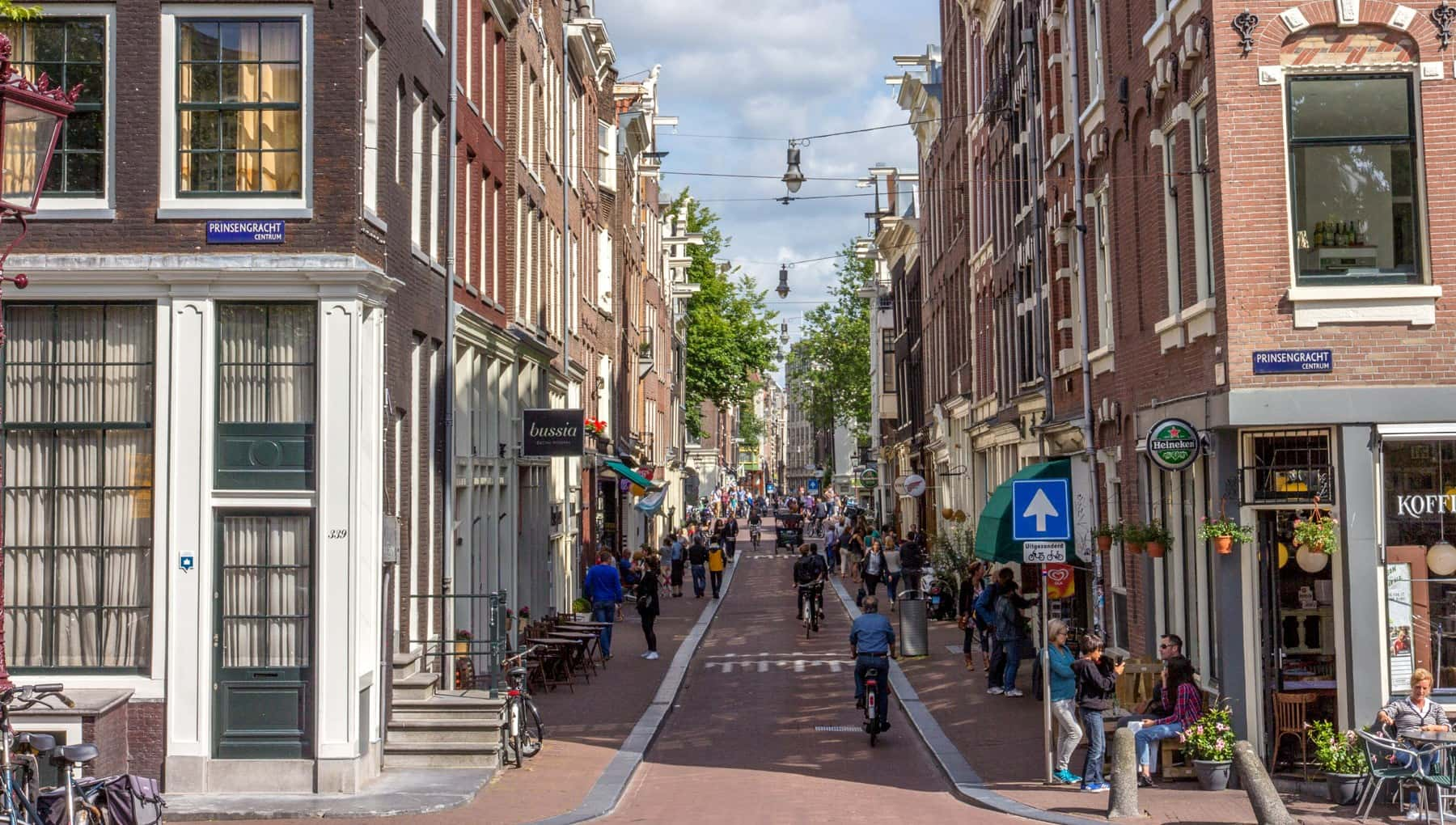
Experience the best of Western Europe on this carefully curated 14-day journey through the Netherlands, Belgium, France, and Switzerland. From Amsterdam's picturesque canals and Belgium's medieval cities to the iconic landmarks of Paris and the breathtaking landscapes of the Swiss Alps, this itinerary brings together some of Europe's most memorable destinations in one seamless trip.

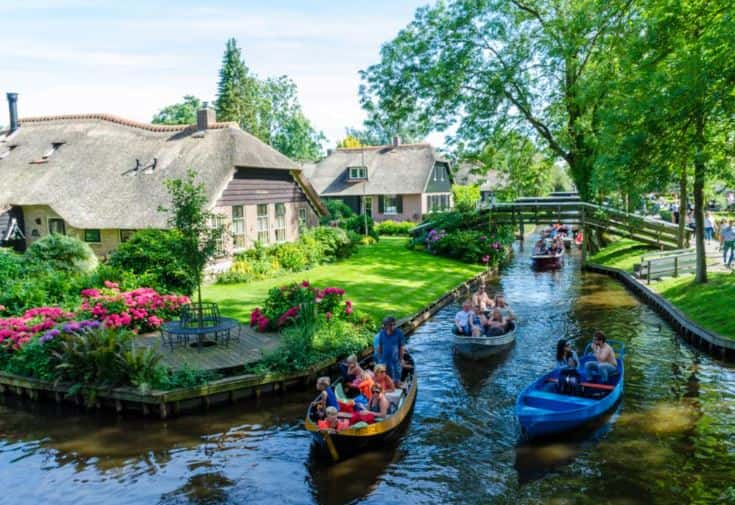
Explore vibrant cities, charming towns, world-famous museums, scenic countryside, and spectacular mountain landscapes while enjoying a well-paced itinerary designed to balance sightseeing, culture, and relaxation. Wander through the historic streets of Amsterdam, discover the timeless beauty of Bruges and Ghent, experience the magic of Paris, and immerse yourself in Switzerland's majestic peaks, crystal-clear lakes, and picturesque villages.

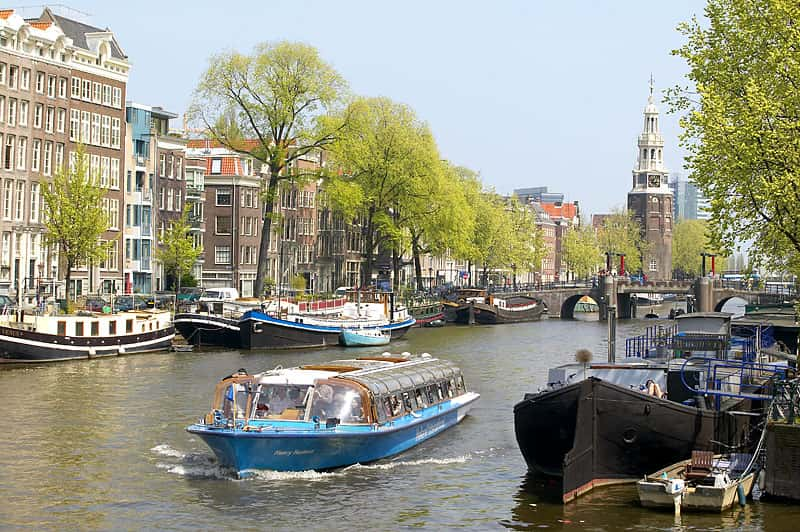
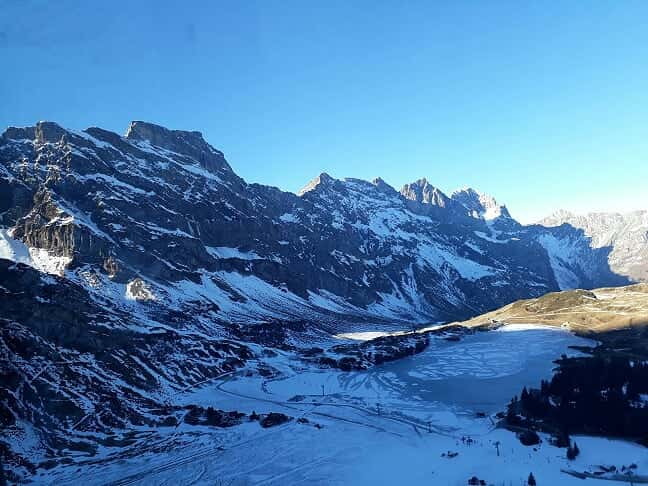
Whether it's cruising along Amsterdam's canals, strolling through Parisian neighbourhoods, or taking in panoramic Alpine views from Mt. Titlis, every destination offers its own unique character and unforgettable experiences. Perfect for first-time visitors as well as those looking to experience the highlights of Western Europe, this itinerary combines history, culture, nature, and local experiences into one unforgettable journey.

Trip Highlights

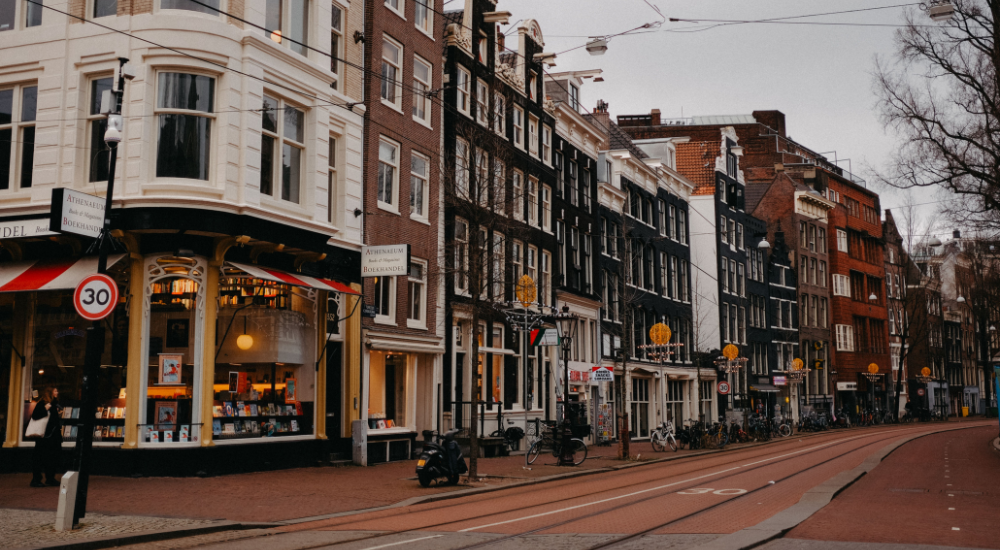
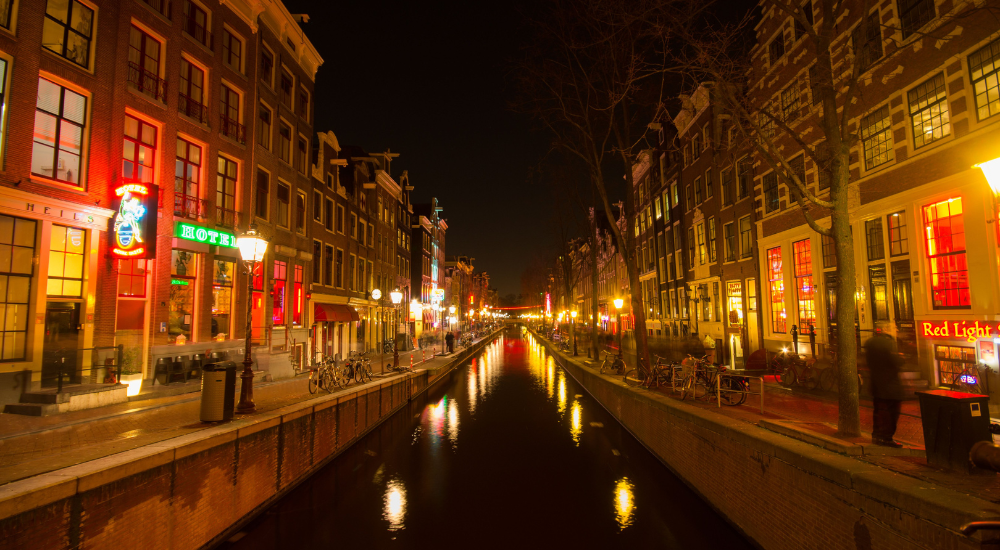
  • Explore the canals, museums, and historic streets of Amsterdam.
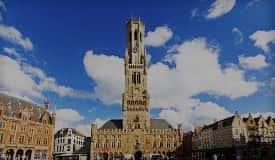
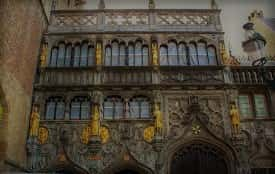
  • Discover the medieval cities of Bruges and Ghent.
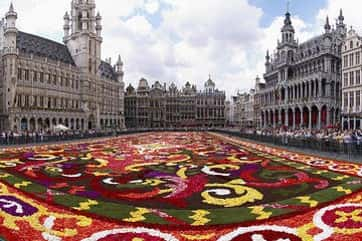
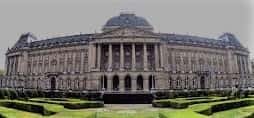
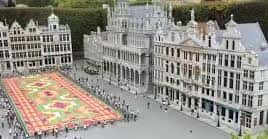
  • Experience the iconic landmarks of Brussels, including the Grand Place.
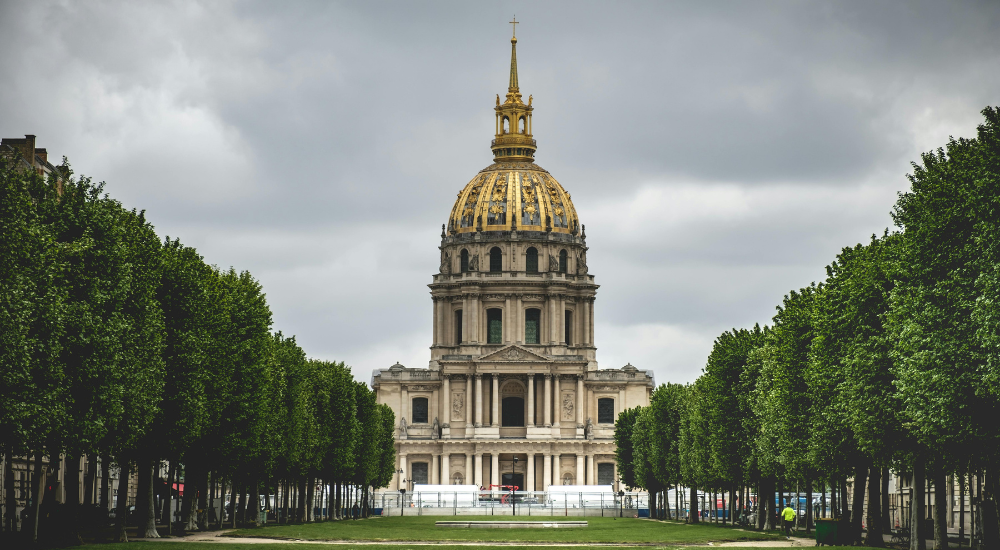
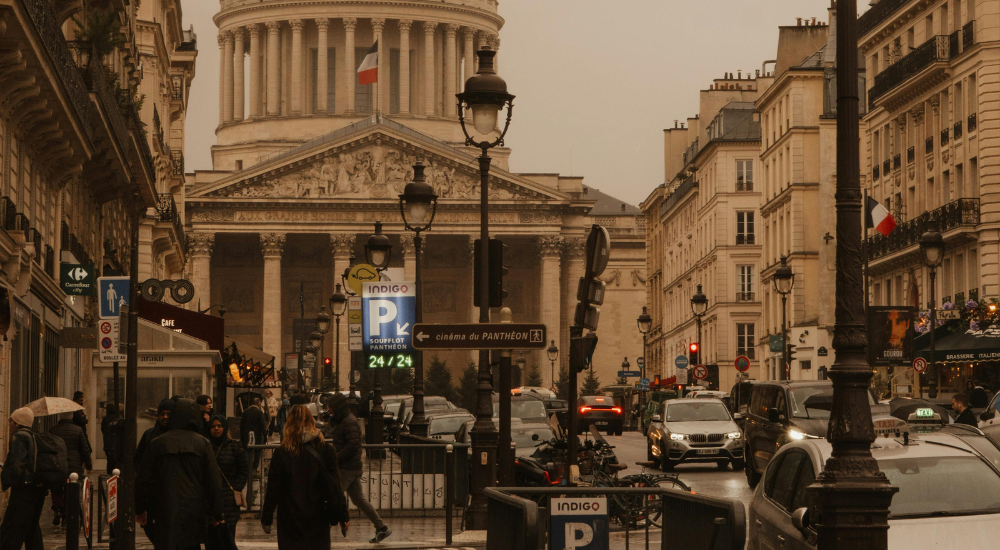
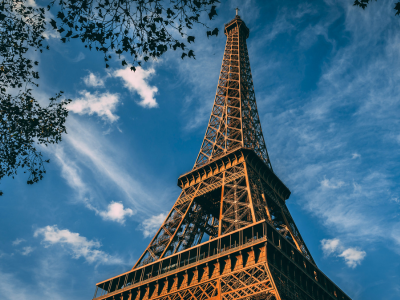
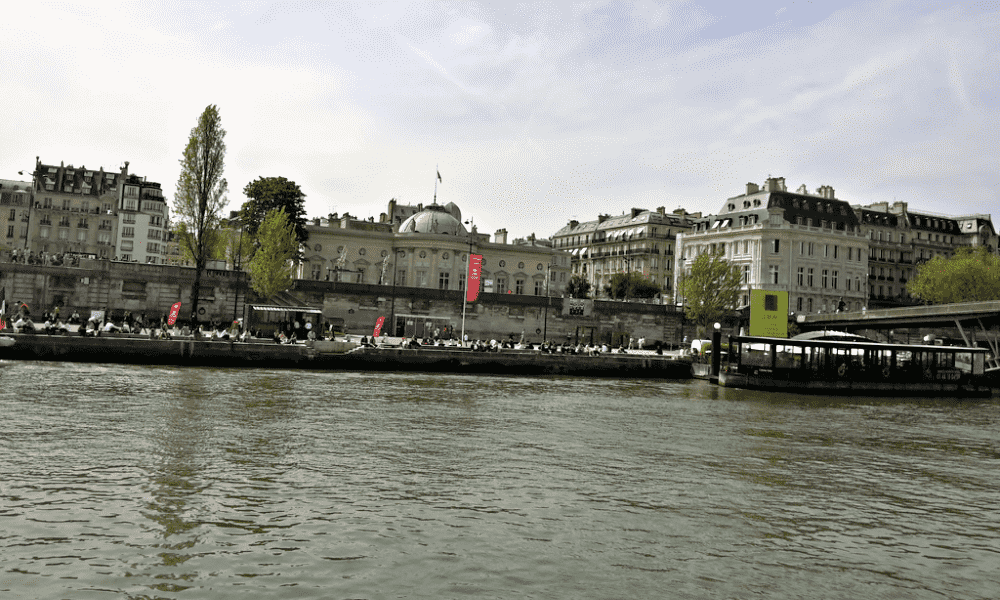
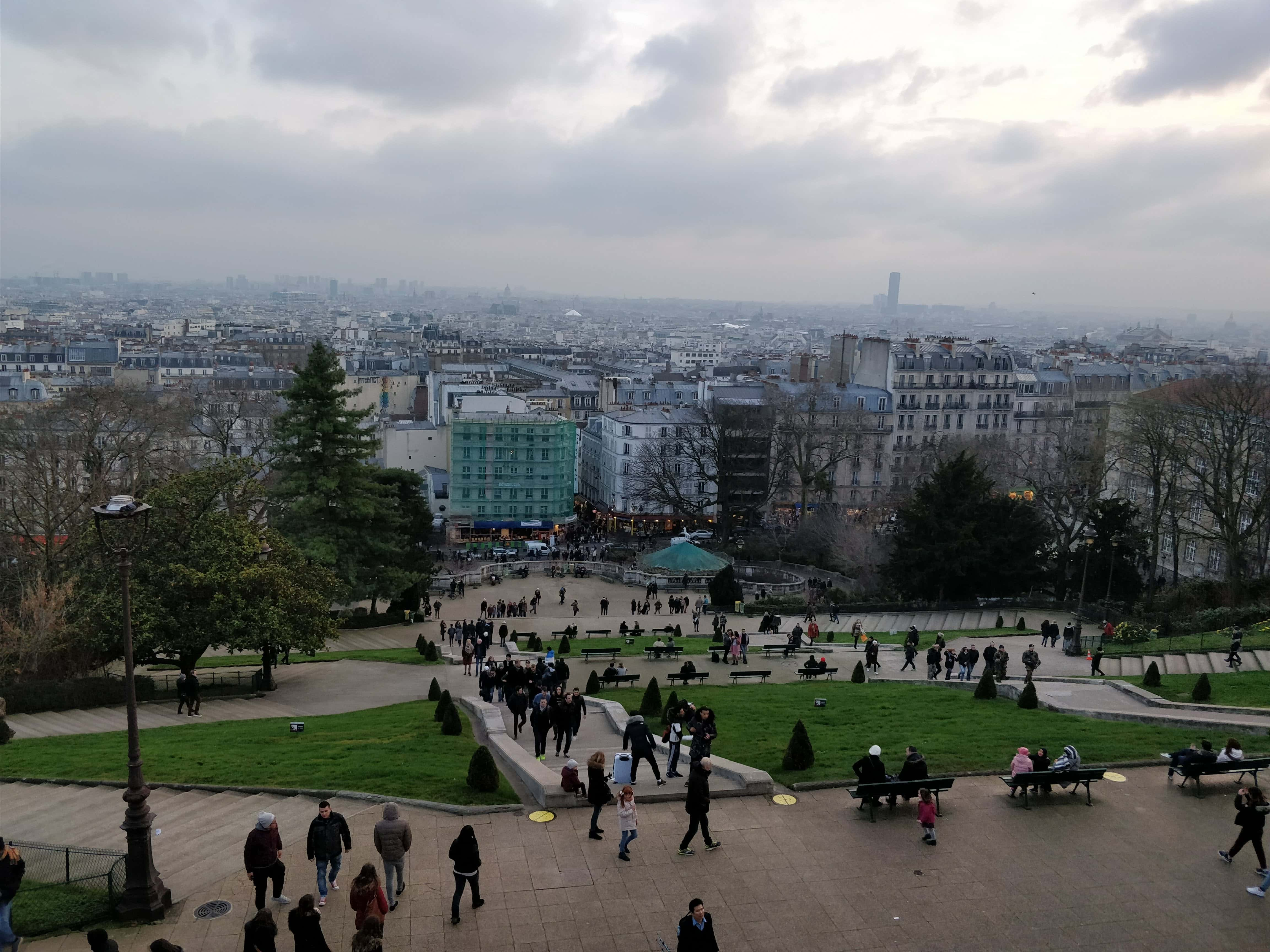
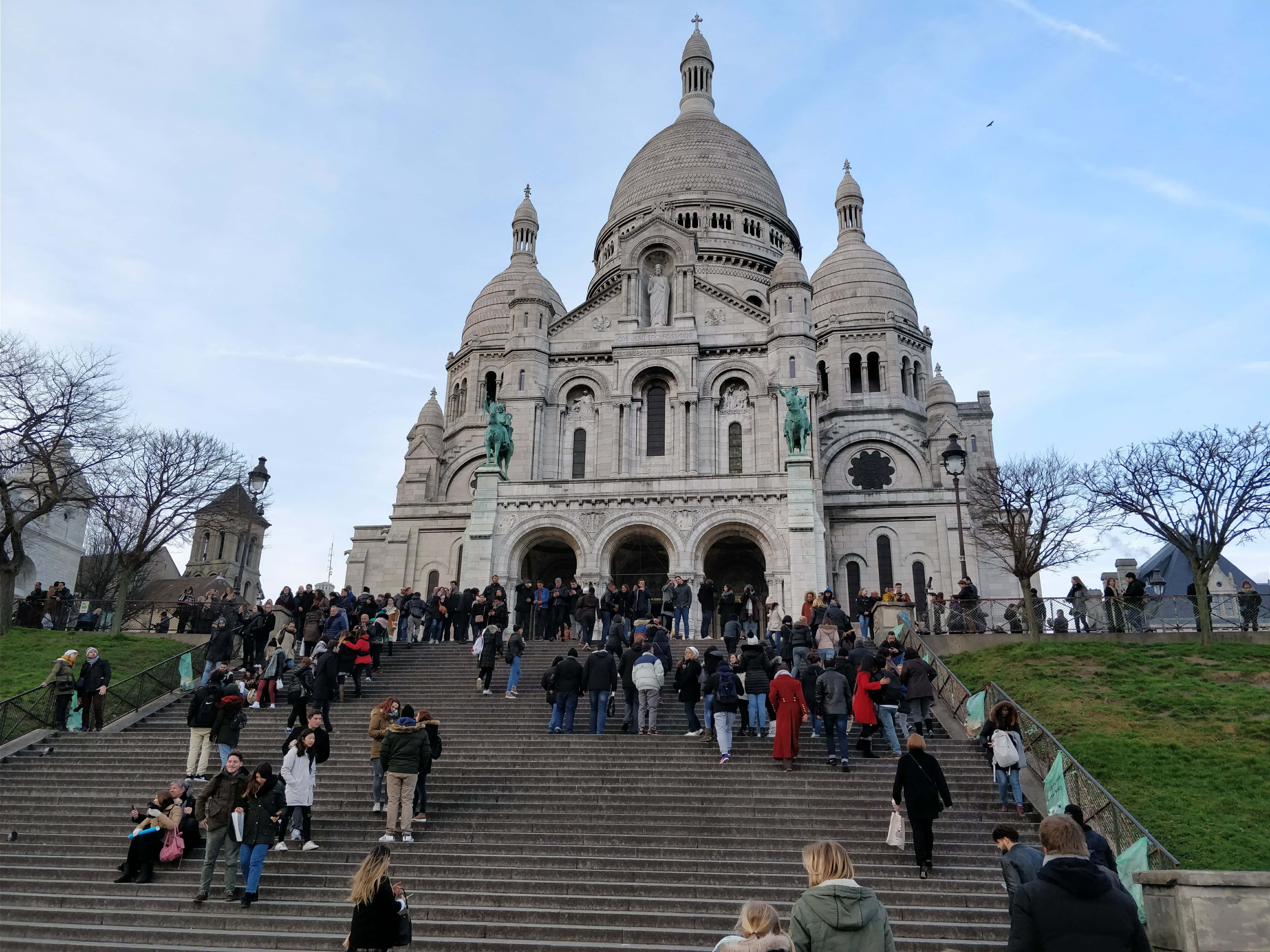
  • Visit the Eiffel Tower, enjoy a Seine River Cruise, and explore the cultural heart of Paris.
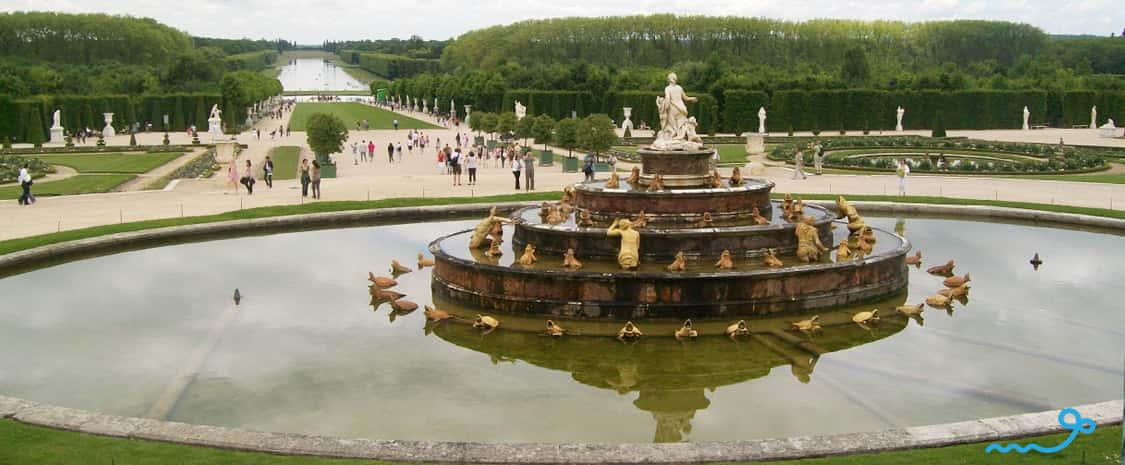
  • Discover the magnificent Palace of Versailles.
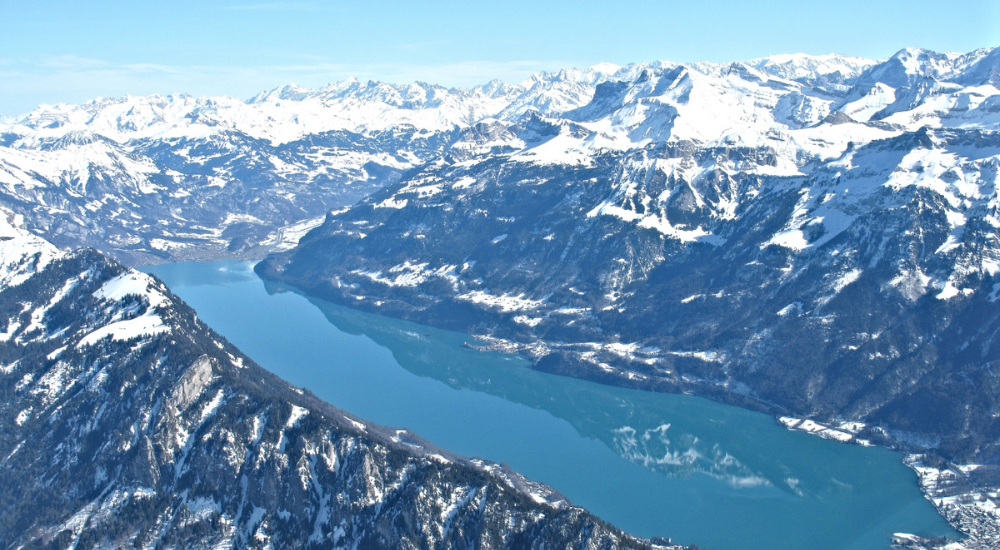
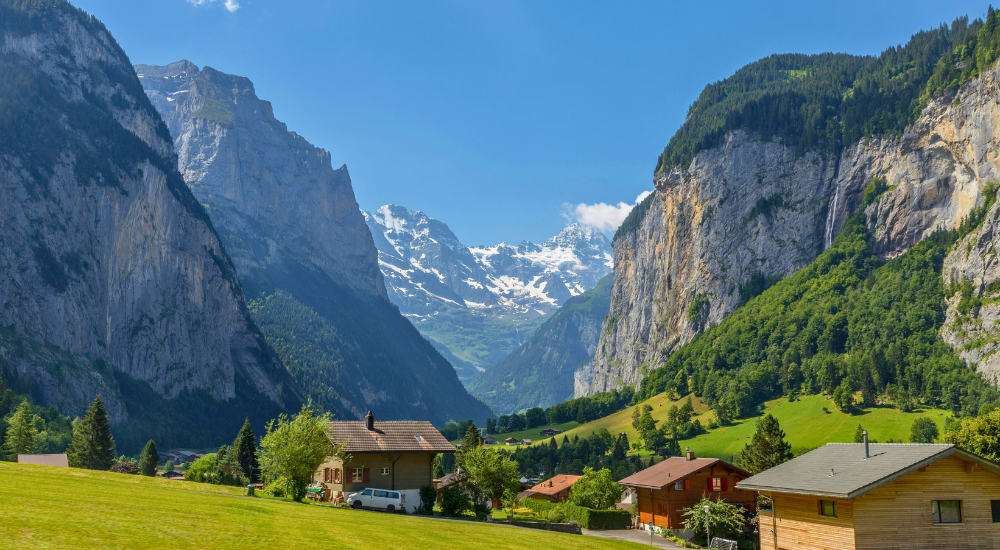
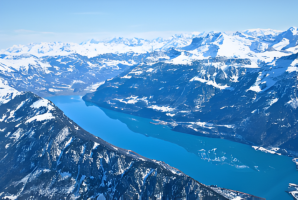
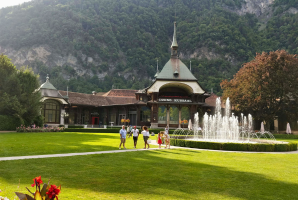
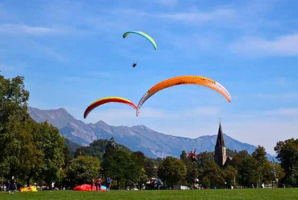
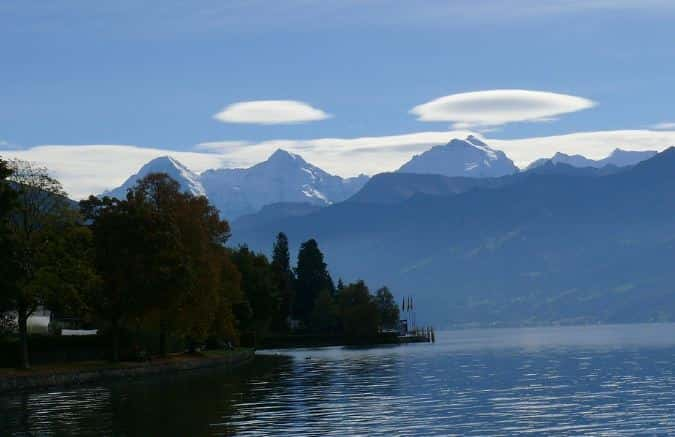
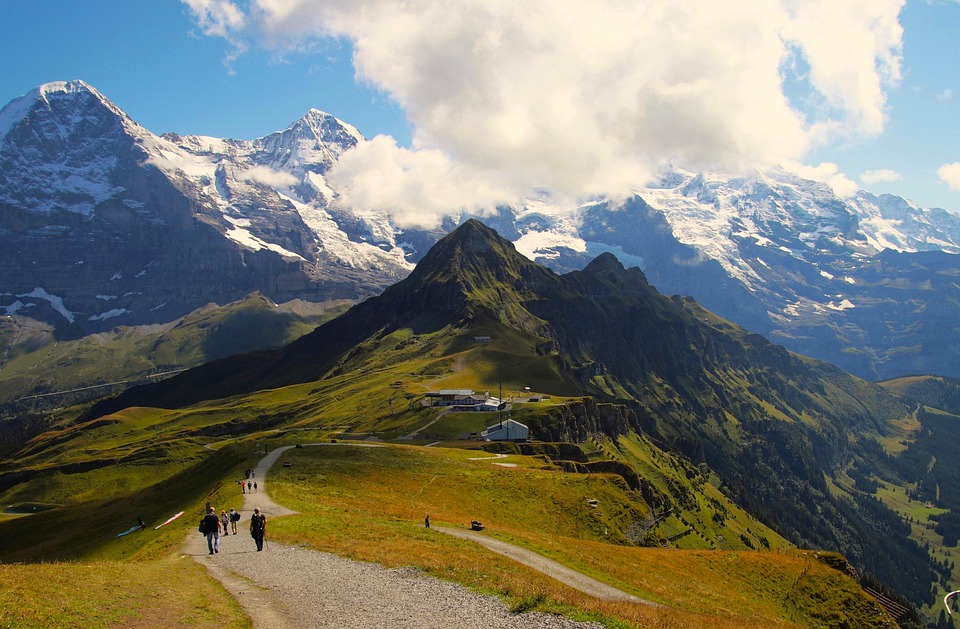
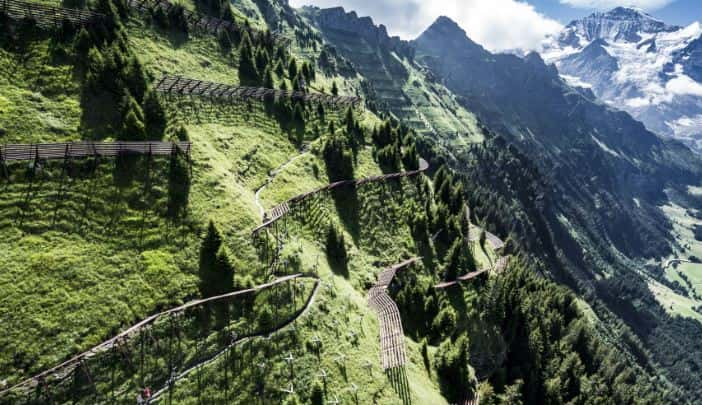
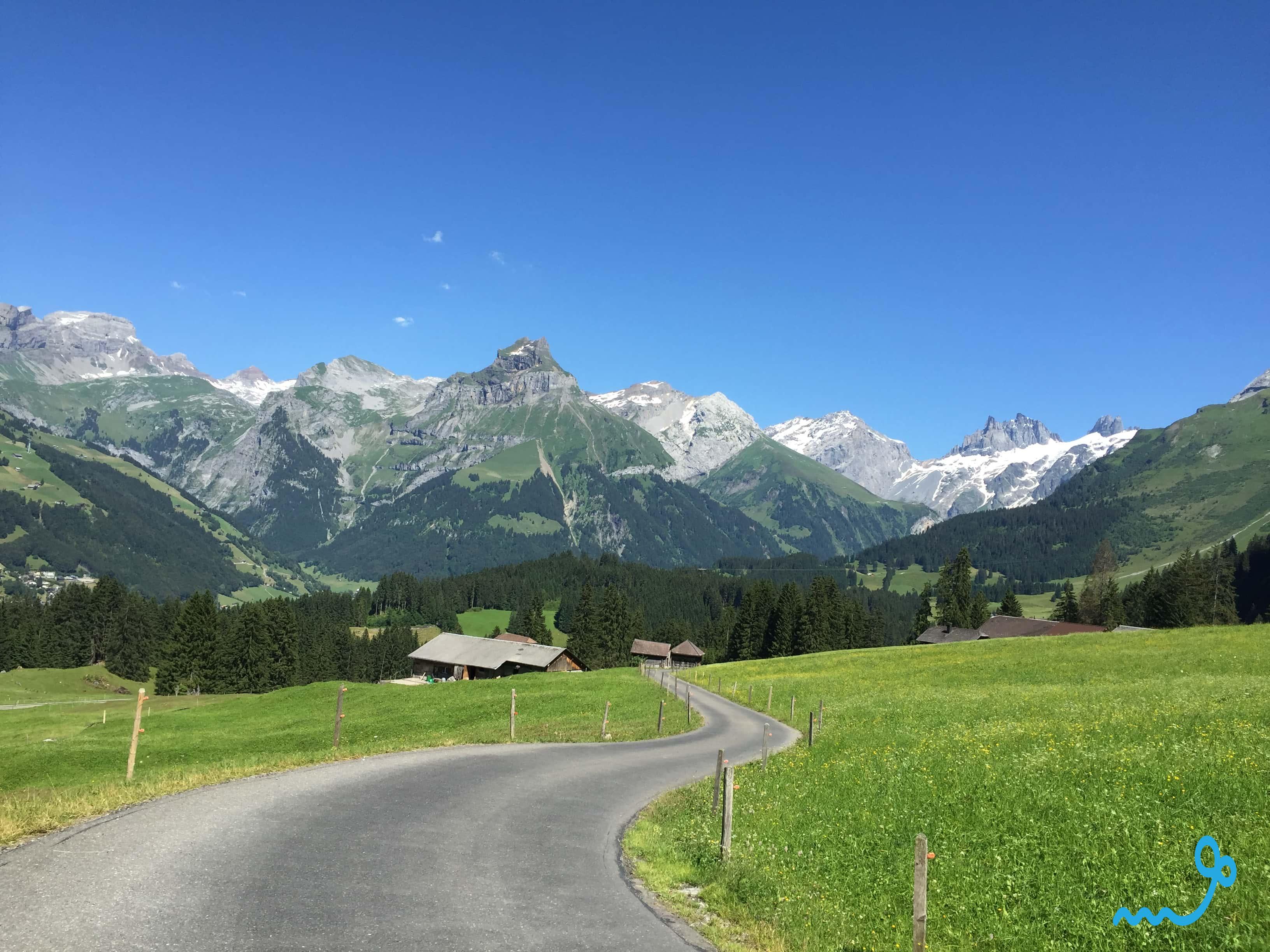
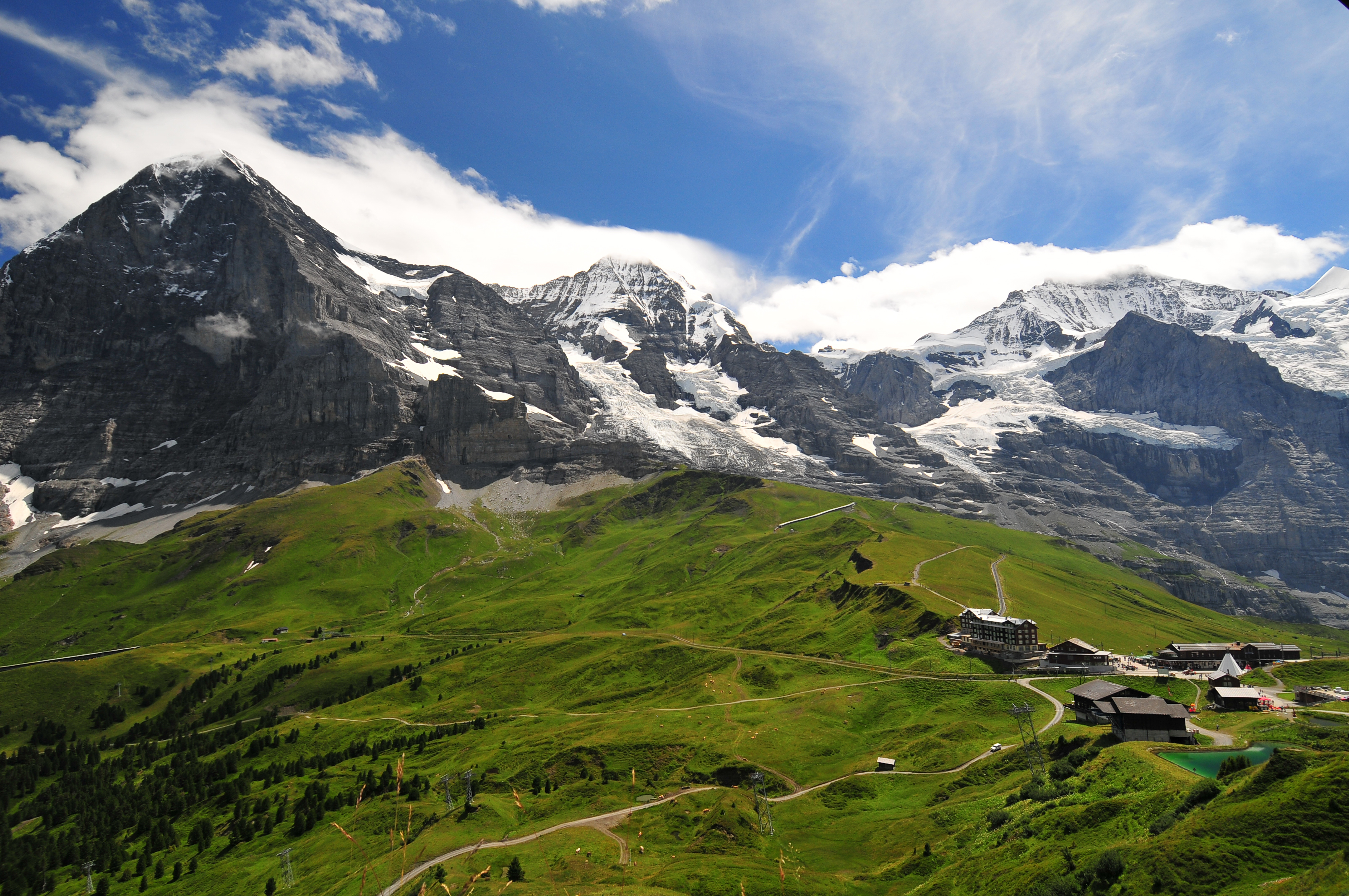
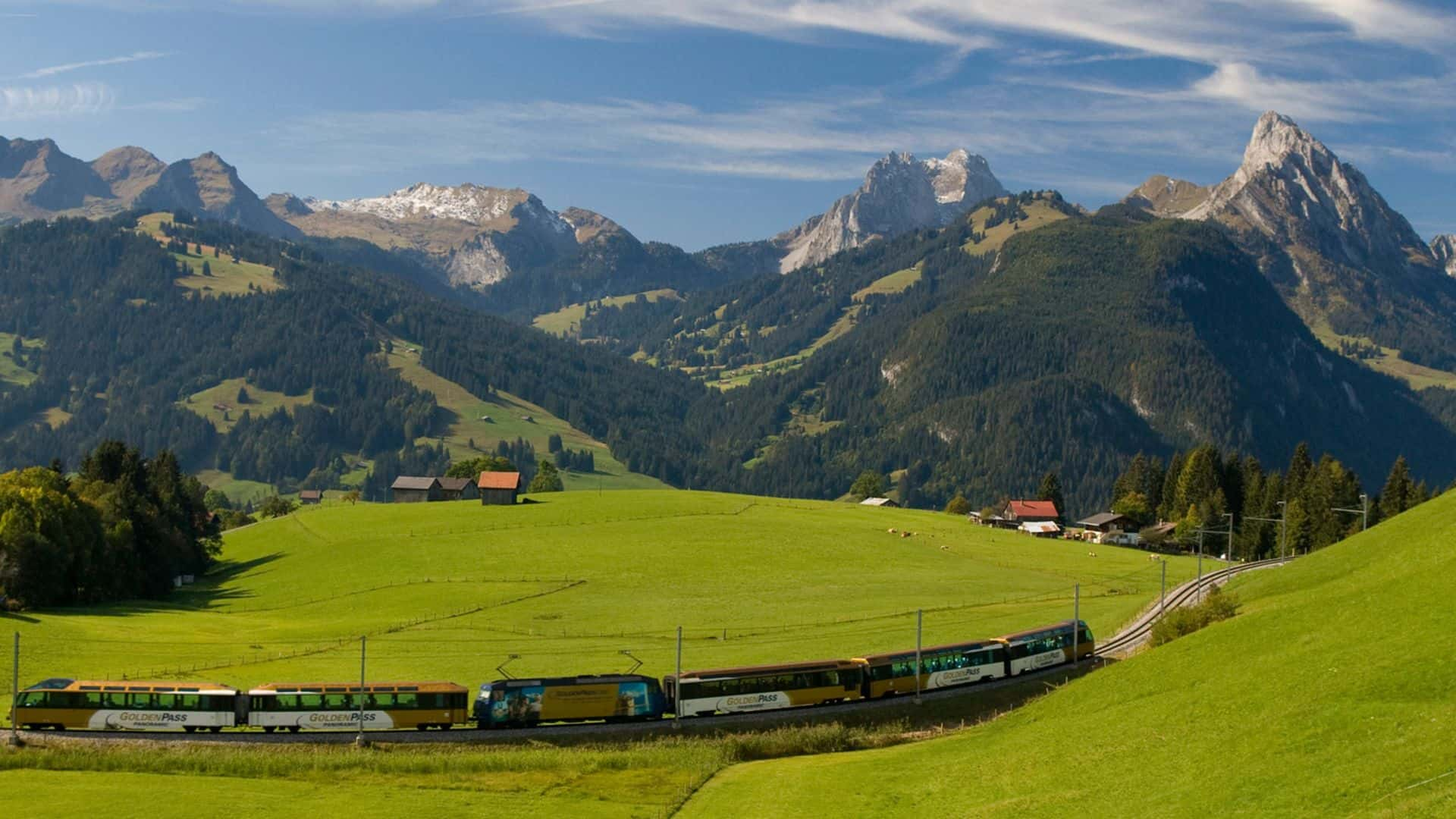
  • Experience the stunning mountain scenery of the Interlaken Region.
  • Visit Lauterbrunnen, Grindelwald, and the impressive Trümmelbach Waterfalls.
  • Enjoy an optional excursion to Jungfraujoch – Top of Europe.
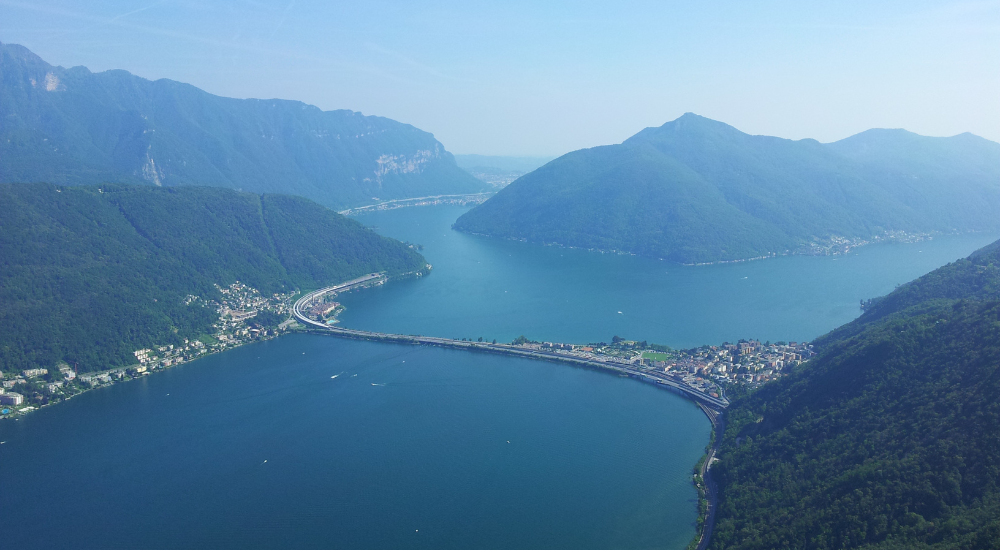
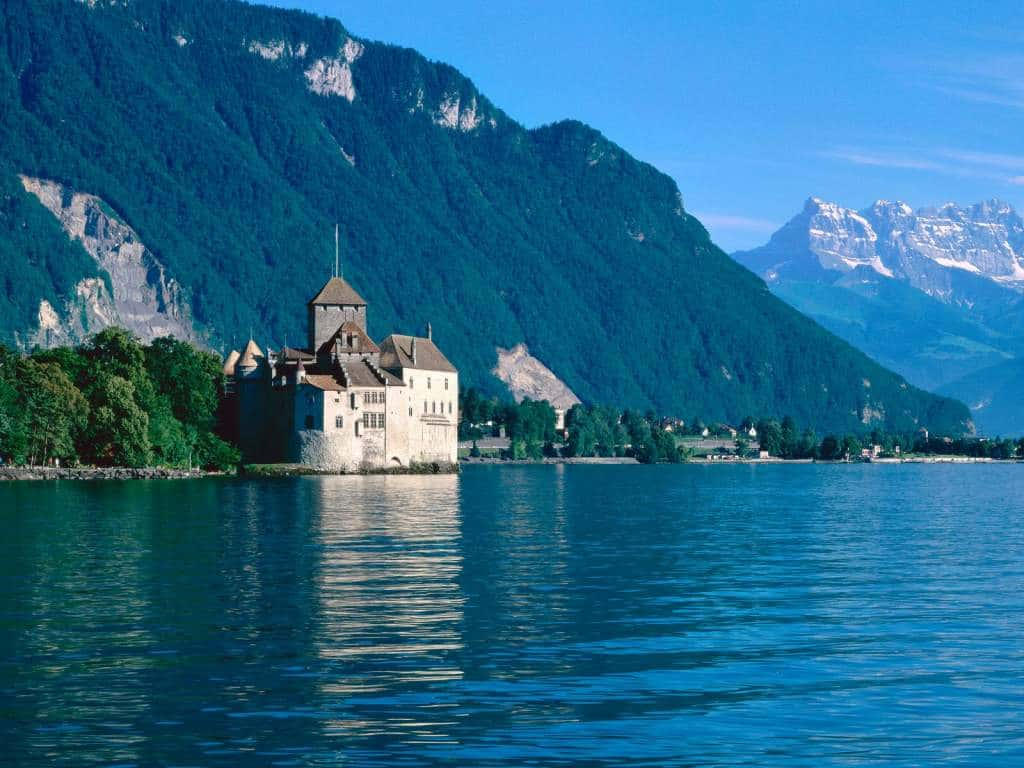
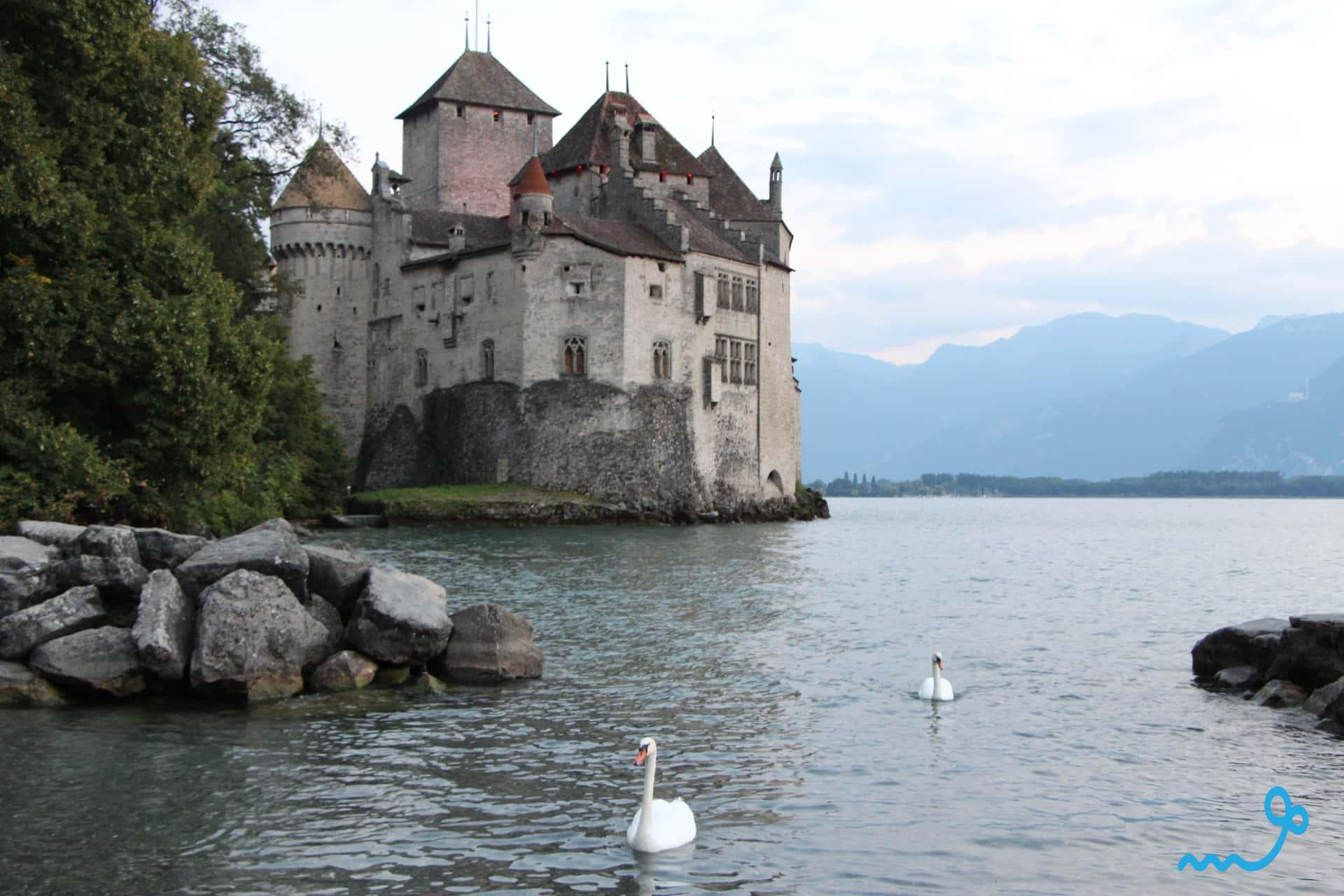
  • Explore the beautiful Swiss Riviera, including Montreux, Vevey, and Château de Chillon.
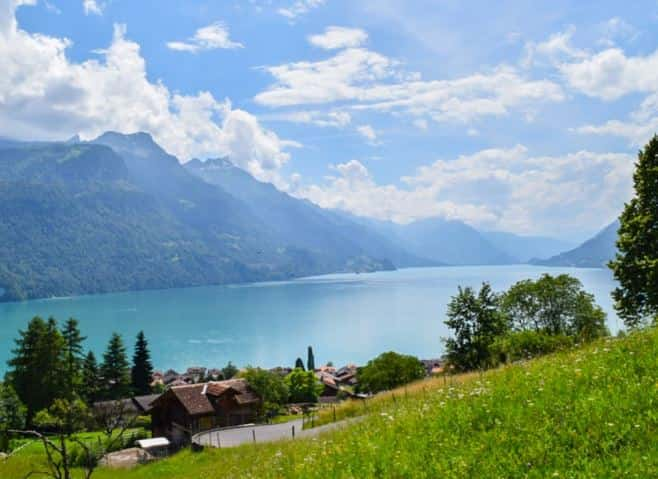
  • Visit charming Swiss towns and enjoy spectacular Alpine landscapes throughout your journey.

Trip Itinerary

Arrival in Amsterdam (1 Day )

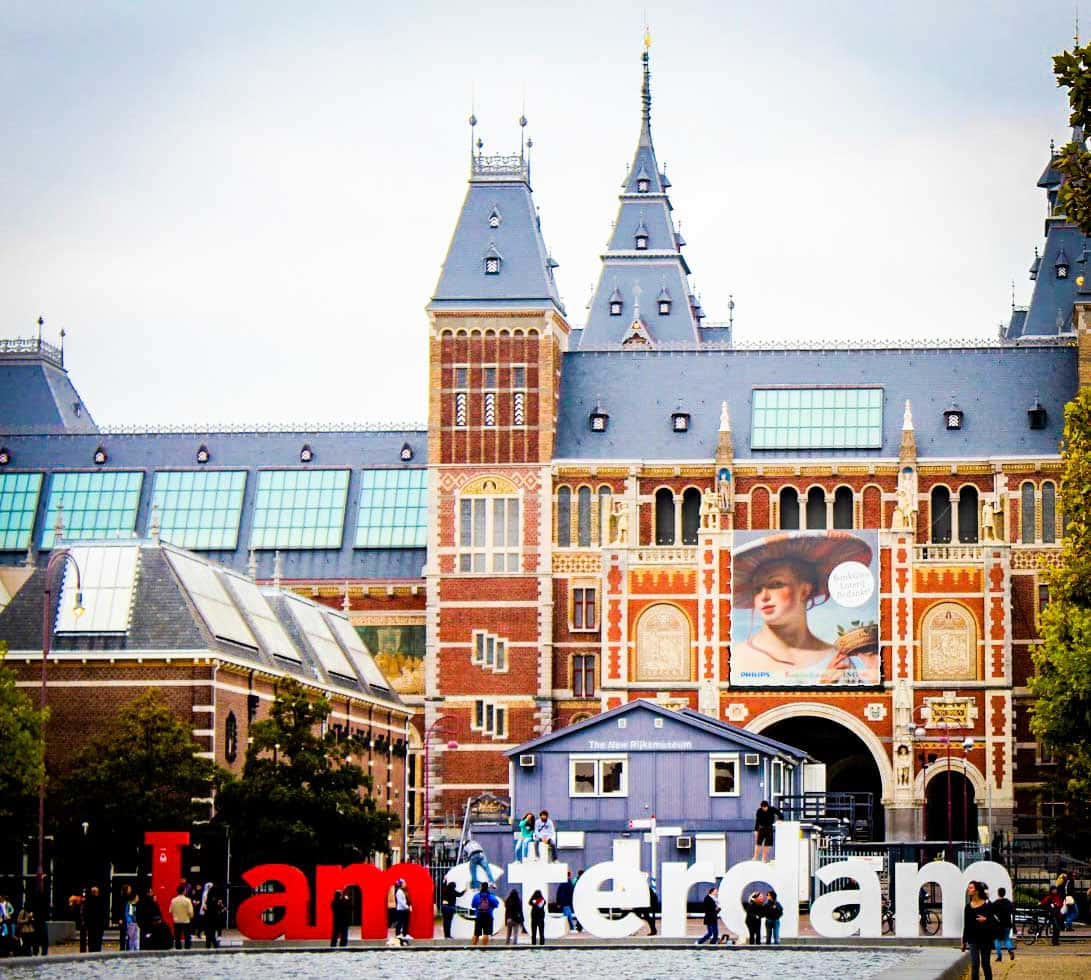
Begin your European journey in the vibrant city of Amsterdam. Settle into your hotel before exploring the city's iconic canals, historic streets, and lively squares. Enjoy a relaxing canal cruise and experience Amsterdam's unique charm as...

Discover Amsterdam (1 Day )

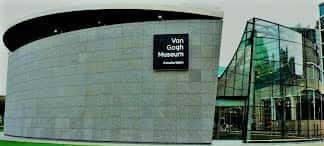
Spend the day exploring Amsterdam's rich culture and history. Visit world-renowned museums, stroll through the charming Jordaan district, browse boutique shops and local markets, and relax in the city's beautiful parks. The day offers the...

Explore Dutch Countryside (1 Day )

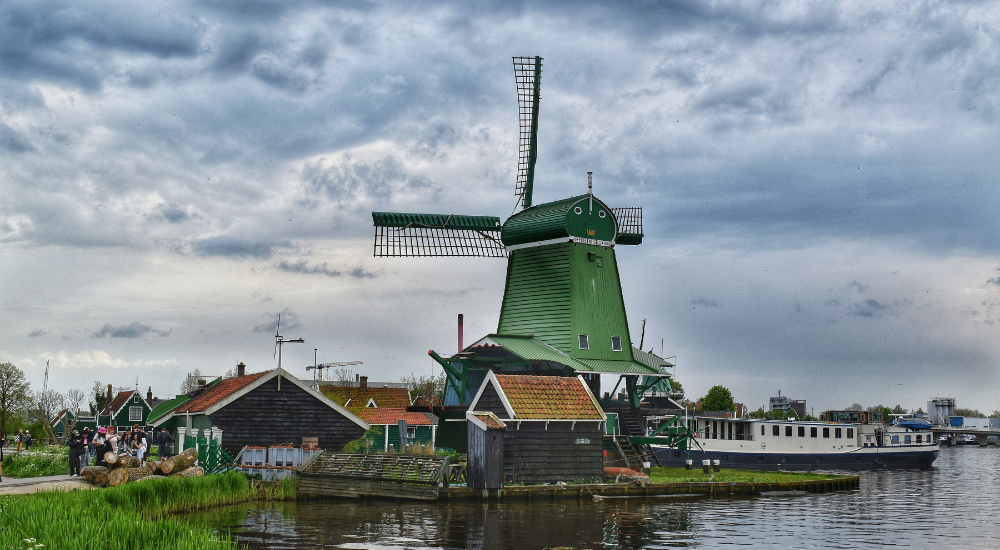
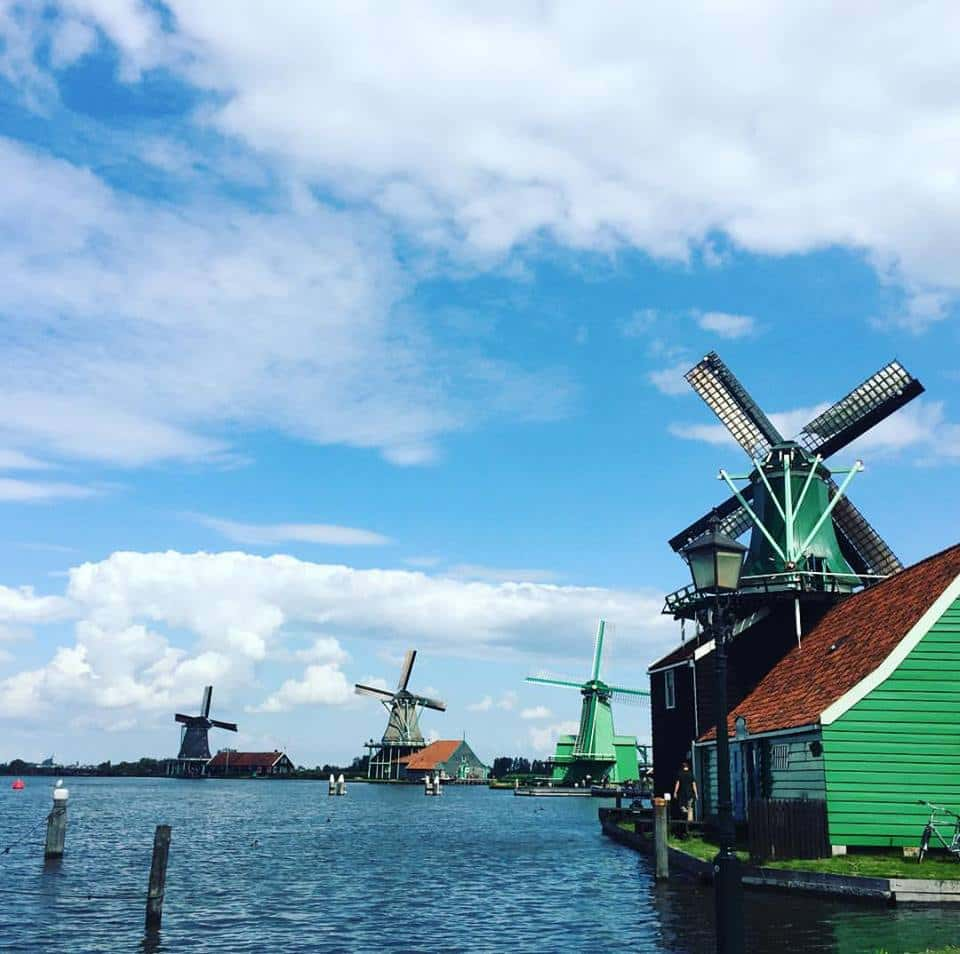
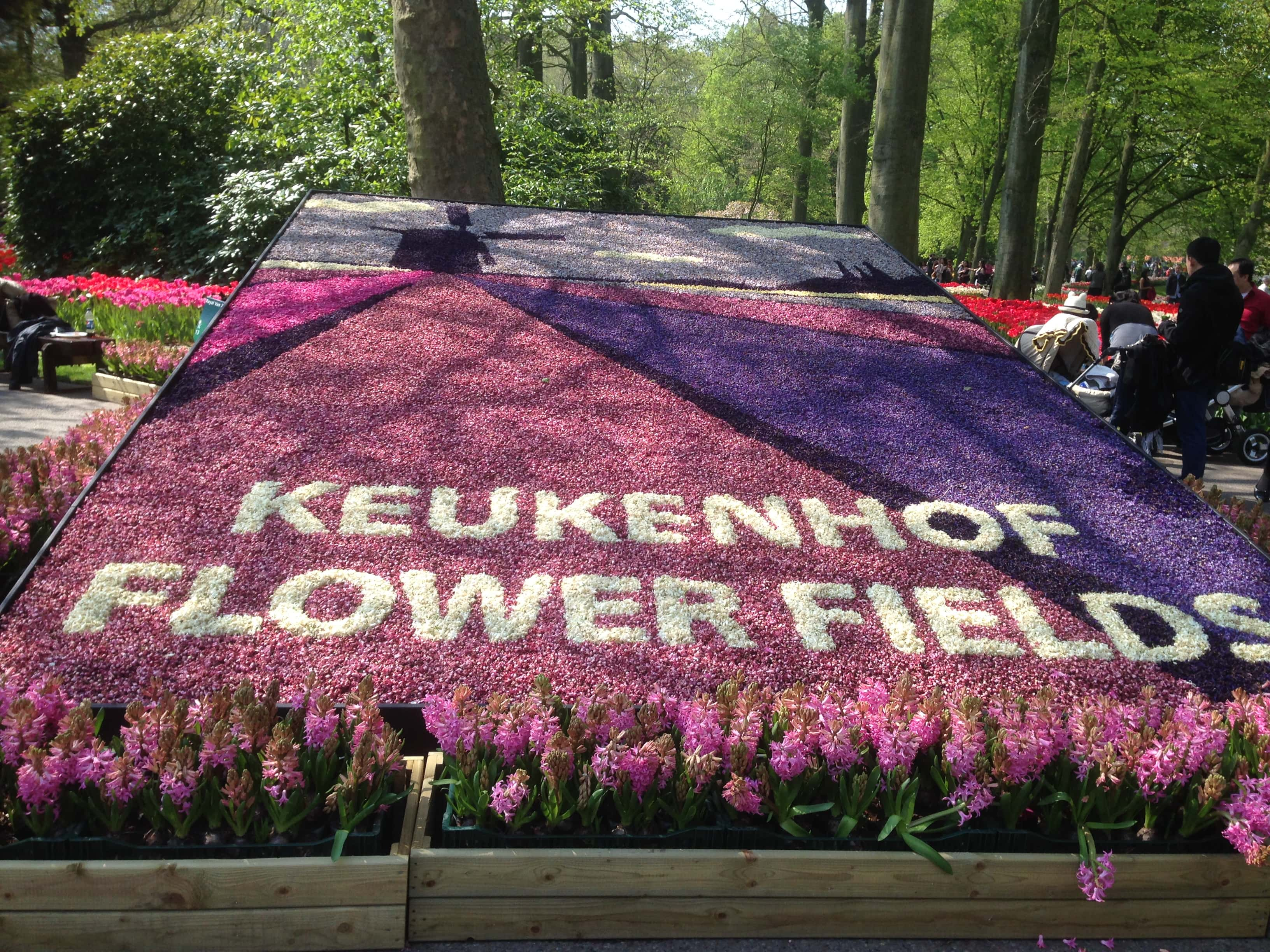
Escape the city and discover the beauty of the Dutch countryside. Visit traditional villages, admire historic windmills, and experience the country's famous landscapes. Depending on the season, you may also explore colourful tulip gardens or...
Highlights from your plan (3)

Brussels City Discovery (1 Day )

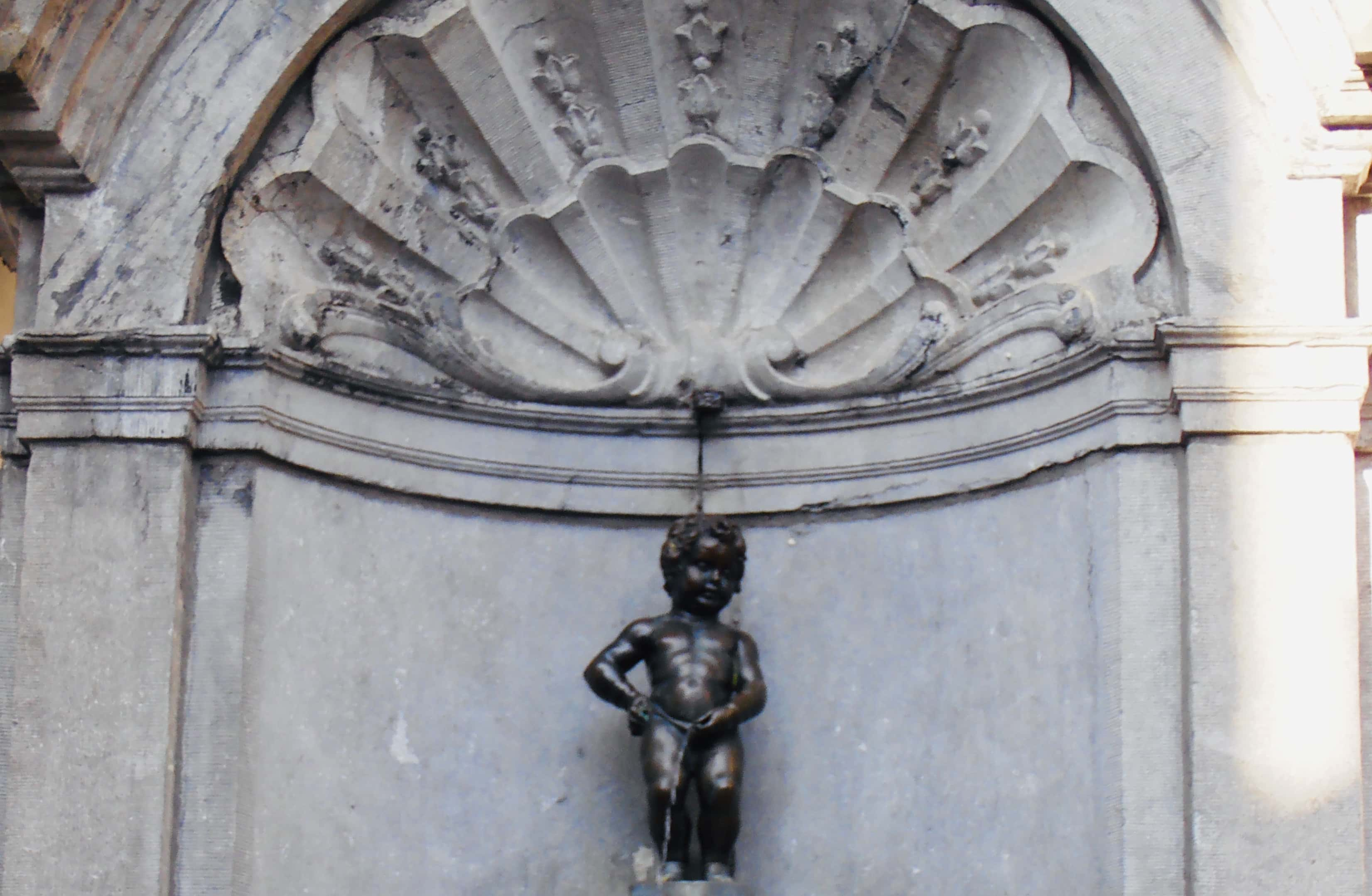
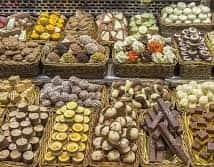
Travel to Brussels, Belgium's vibrant capital, and discover its historic centre. Wander through the magnificent Grand Place, admire the city's famous landmarks, explore elegant shopping arcades, and enjoy Belgium's renowned chocolates,...

Bruges & Ghent (1 Day )

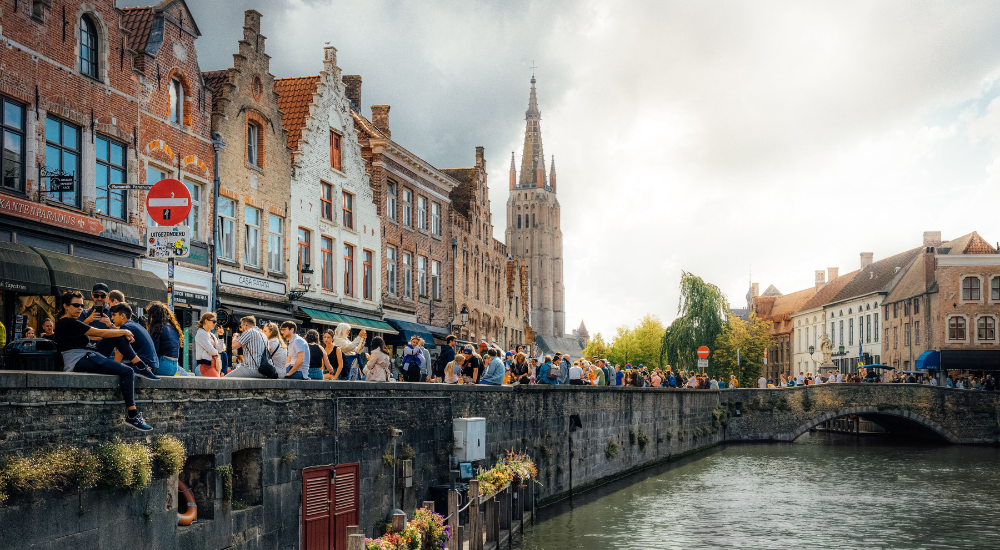
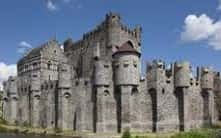
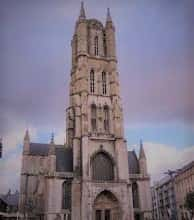
Explore two of Belgium's most beautiful cities on a full-day excursion. Wander through the medieval streets and canals of Bruges, before discovering the impressive architecture, lively squares, and rich history of Ghent, offering a glimpse into...

Eiffel Tower & Seine River evening (1 Day )

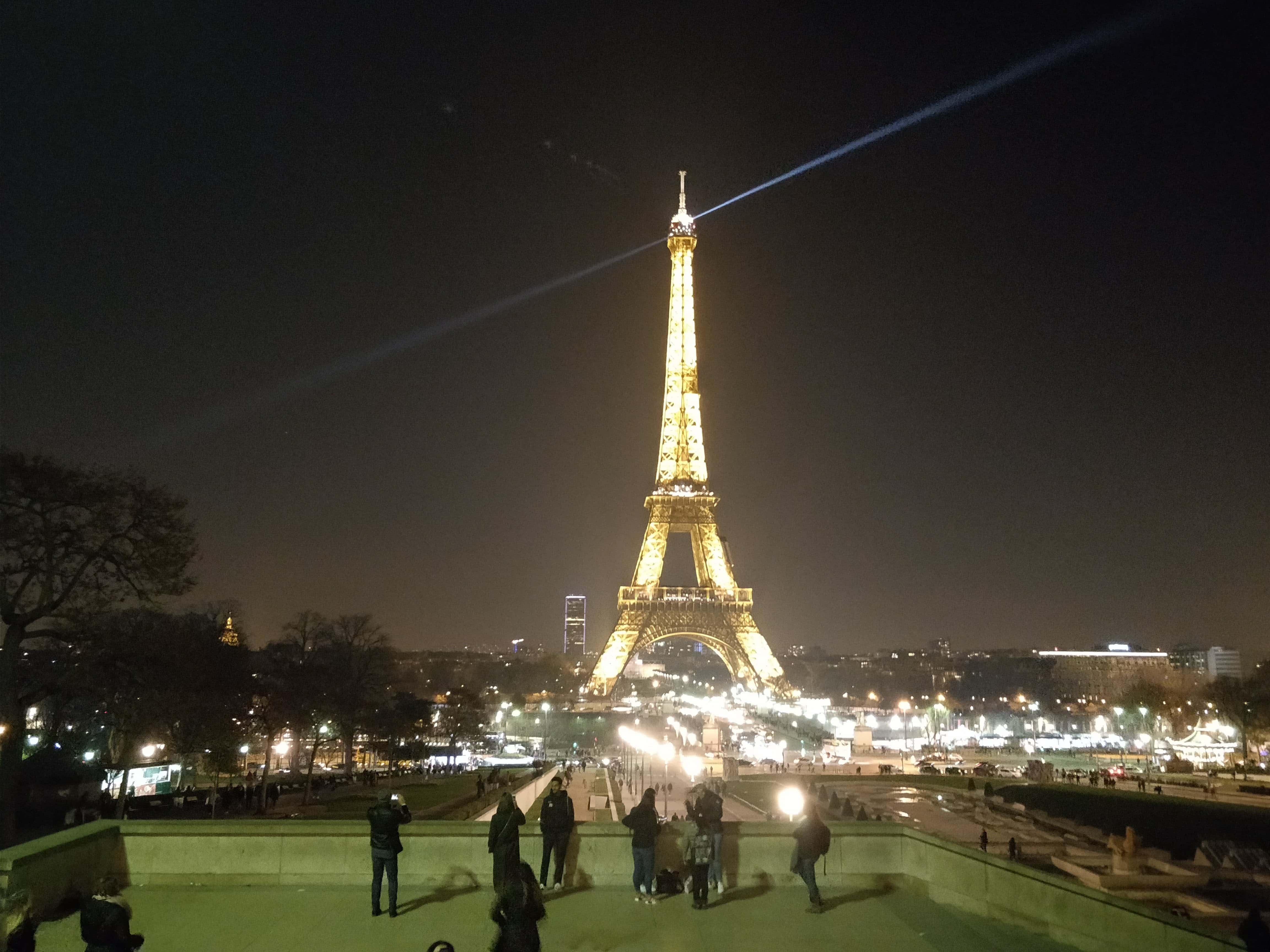
Begin your Paris journey with a visit to the iconic Eiffel Tower. For fewer crowds and the best lighting, consider visiting early morning or around sunset. Stop at Trocadéro for some of the city’s most famous Eiffel Tower photo views...

Art, Culture & Parisian Streets (1 Day )

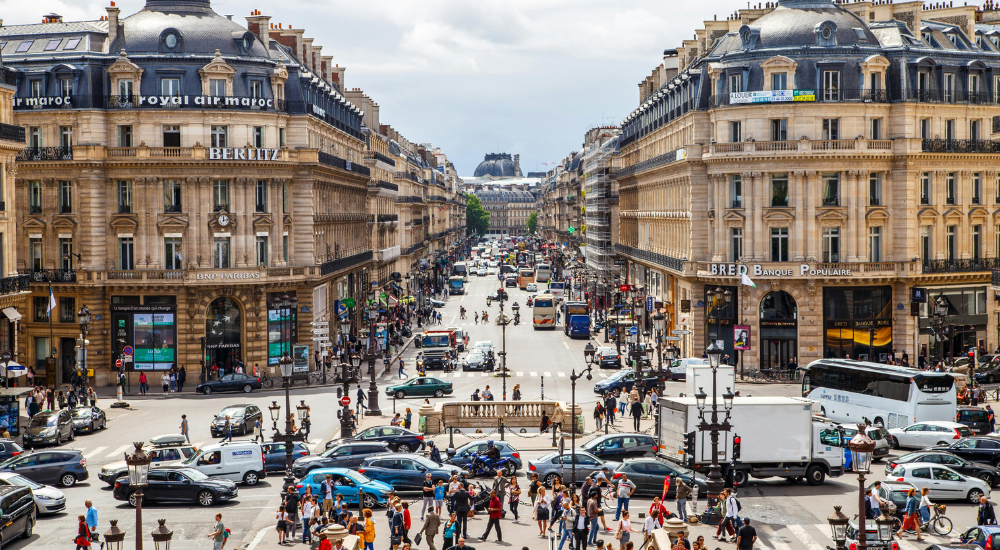
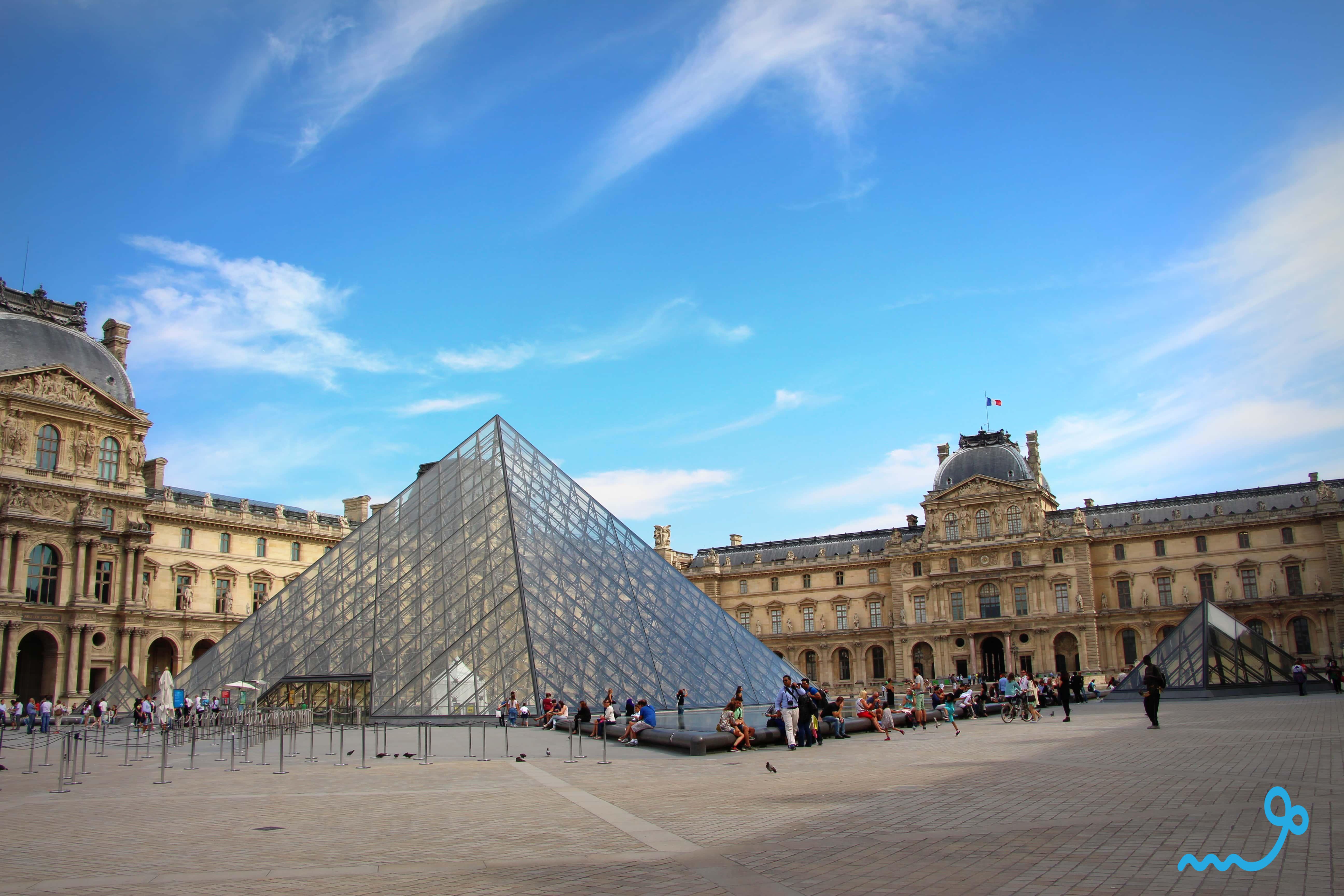
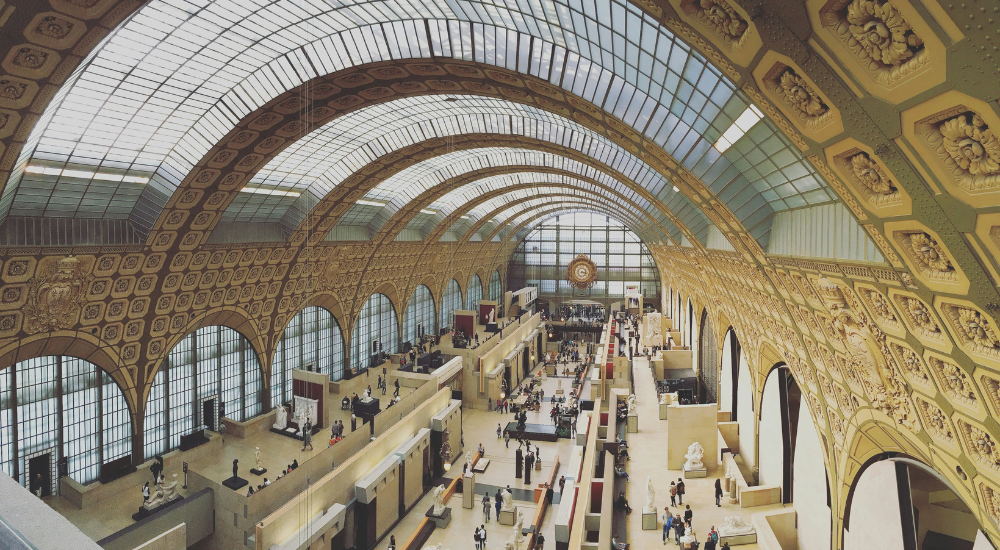
Enjoy a guided walking tour through the beautiful streets of Paris, exploring its iconic architecture, cafés, and cultural landmarks. Visit the famous Louvre Museum in the afternoon for a short and comfortable 1.5-hour experience with easy...

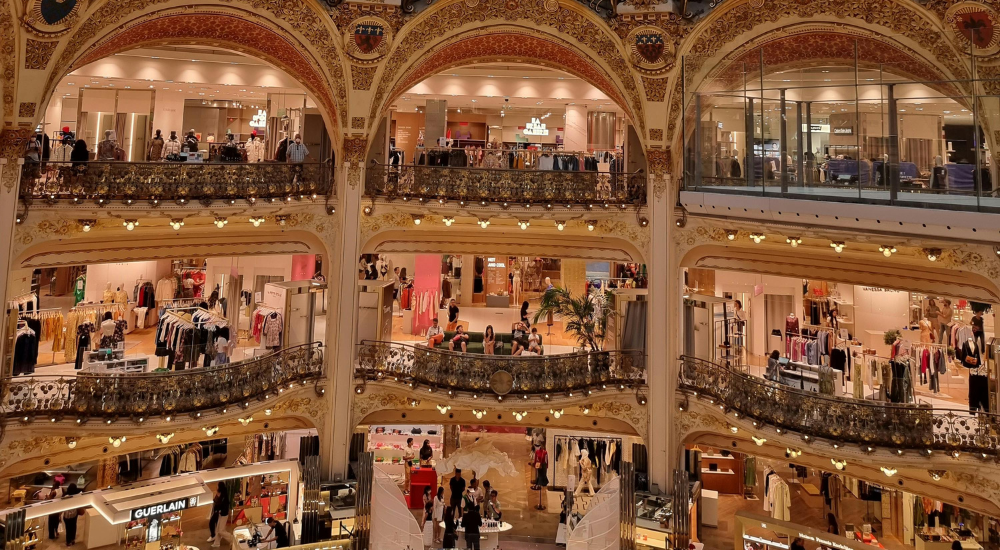
Versailles, Shopping & Paris Evenings (1 Day )

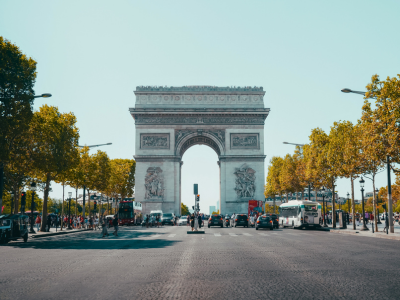
Visit the stunning gardens of the Palace of Versailles and enjoy a relaxed day exploring its grand fountains, pathways, and landscaped grounds. Spend the evening at Champs-Élysées for shopping, cafés, and city views before...

Experience the Beauty of Interlaken (1 Day )

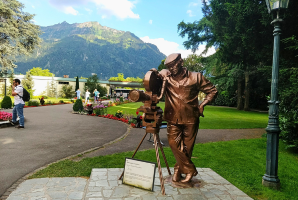
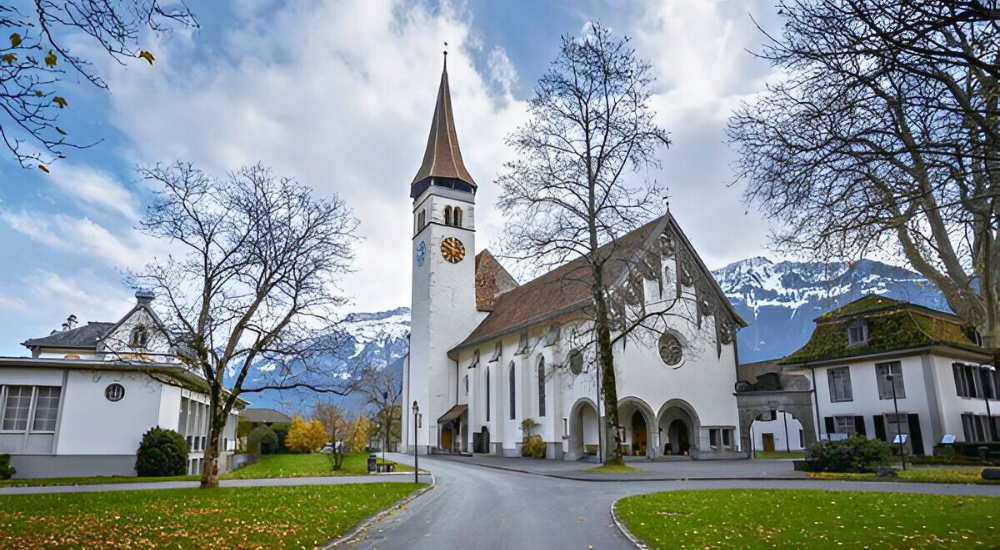
Spend the day in Interlaken, the adventure capital of Switzerland, nestled between Lake Thun and Lake Brienz. Begin with a city walk to see the Statue of Yash Chopra, the historic Schlosskirche, and Kirche Unterseen, set against stunning alpine...

Lauterbrunnen to Murren: Alpine Villages of the Interlaken Region (1 Day )

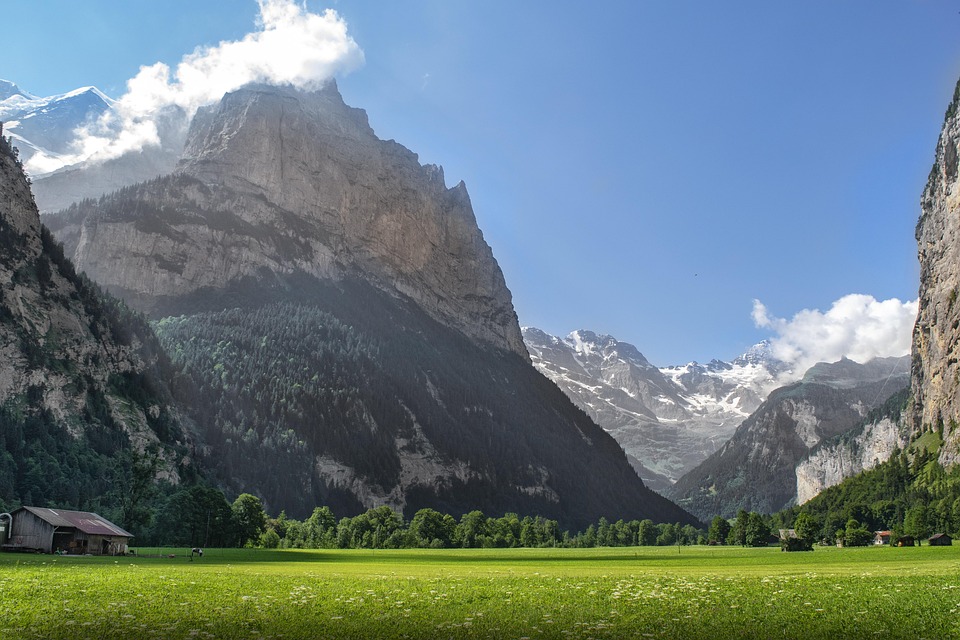
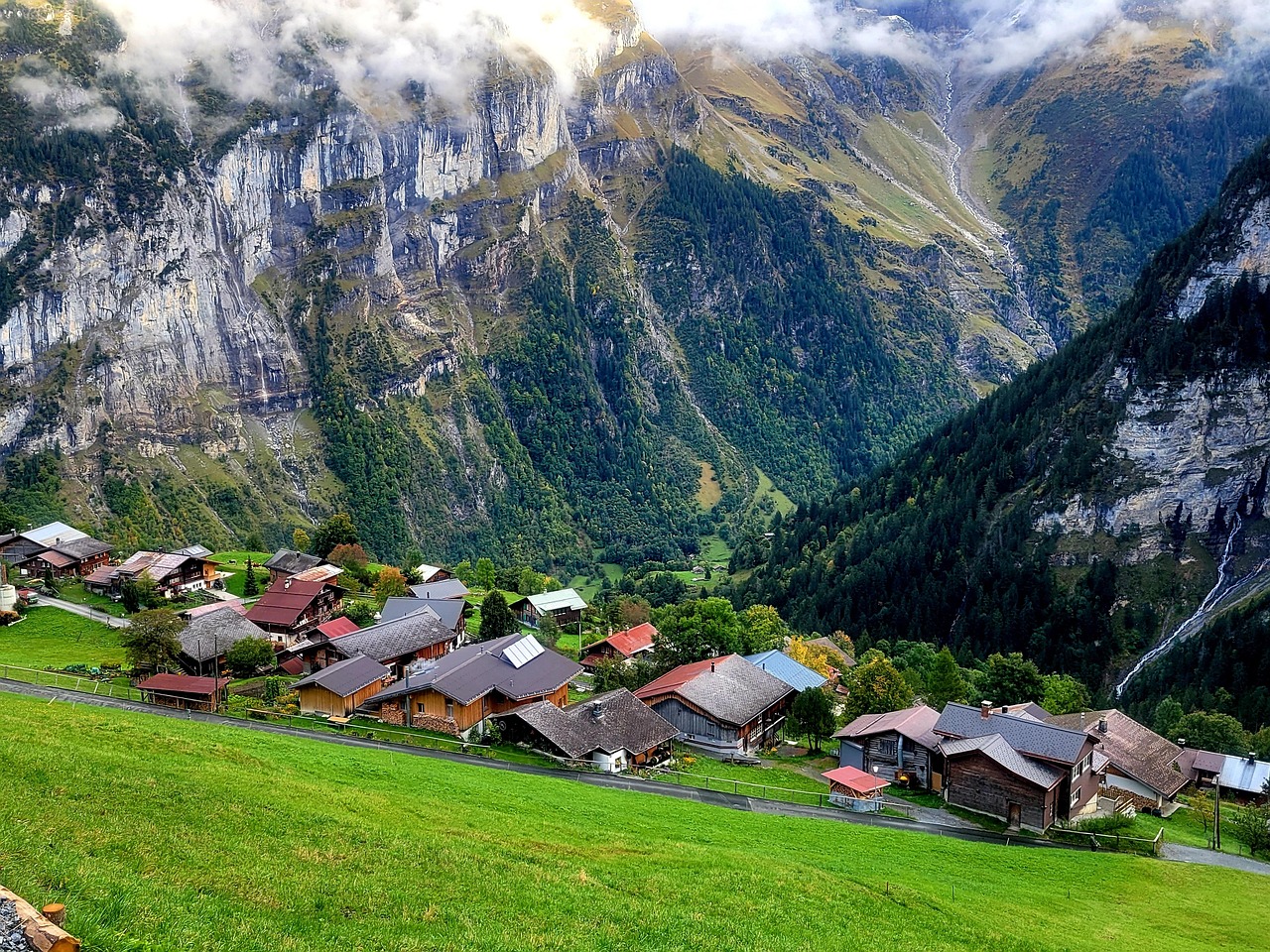
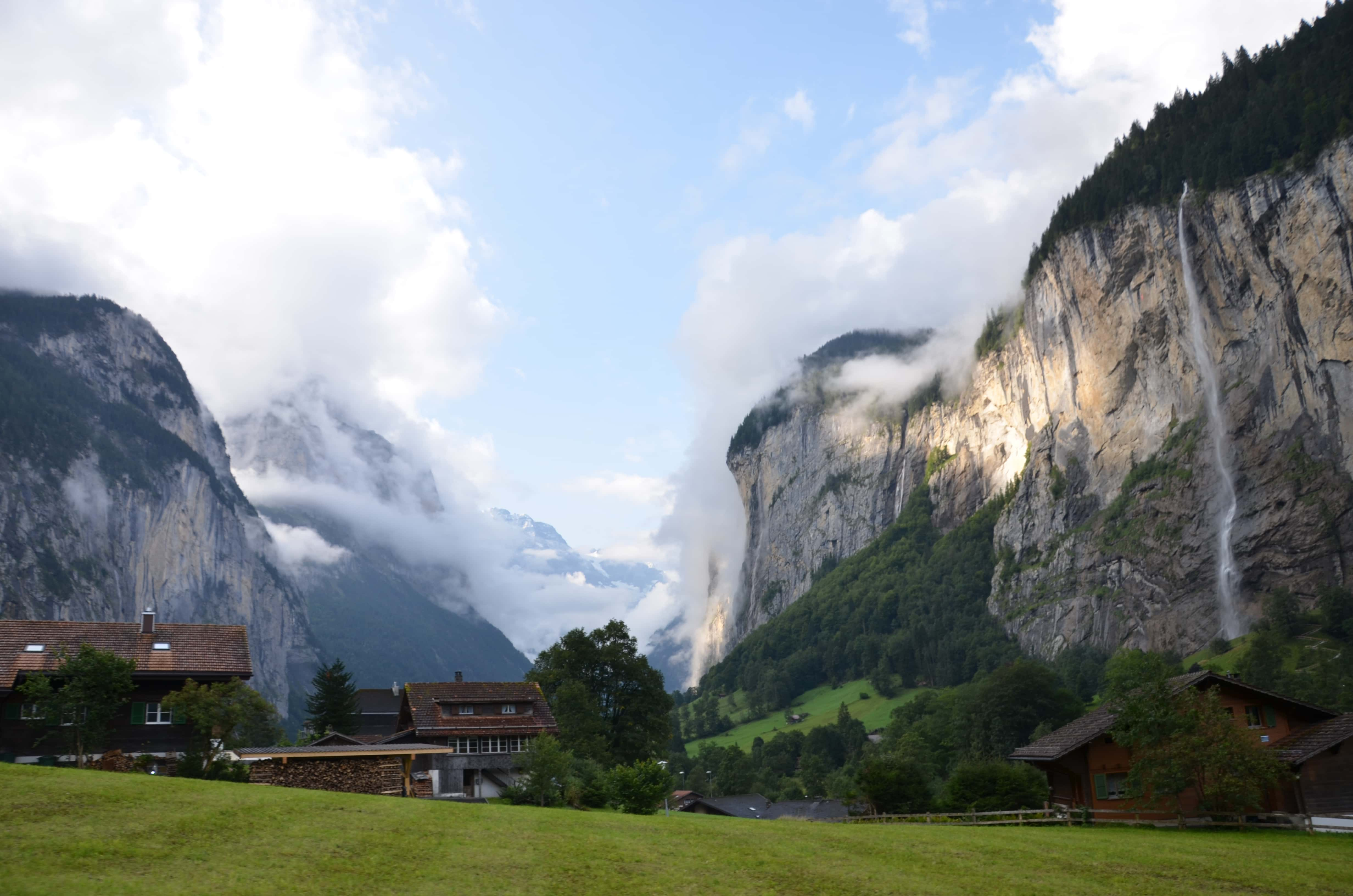
Journey into the iconic Lauterbrunnen Valley, famed for its dramatic cliffs and cascading waterfalls. Explore the charming village of Lauterbrunnen, then ascend to the car-free mountain villages of Murren and Gimmelwald, perched high above the...

Jungfraujoch to Wengen: Icons of the Jungfrau Region (1 Day )

Explore the legendary Jungfrau Region on one of Switzerland’s most scenic mountain journeys. Ride panoramic trains and cable cars to Jungfraujoch, the “Top of Europe,” where snow and ice blanket the landscape year-round and viewing...

Explore the French Side of Switzerland (1 Day )

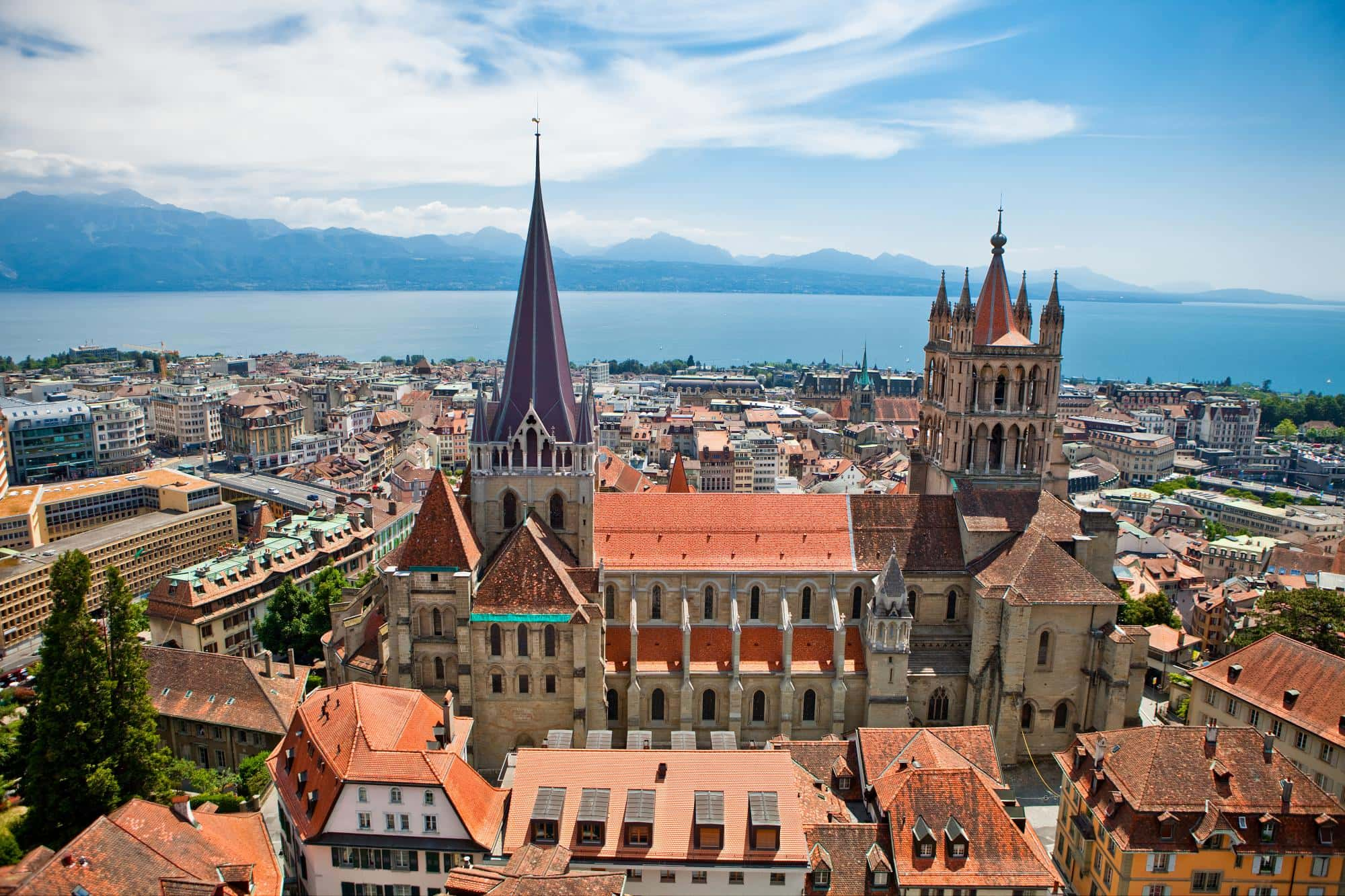
Spend the day in Lausanne, a lively city on the shores of Lake Geneva that perfectly blends culture, history, and scenic beauty. Begin with a city walk through Lausanne’s charming streets, passing landmarks such as Lausanne Cathedral, Place de...

Discover the Swiss Riviera – Vevey & Montreux (1 Day )

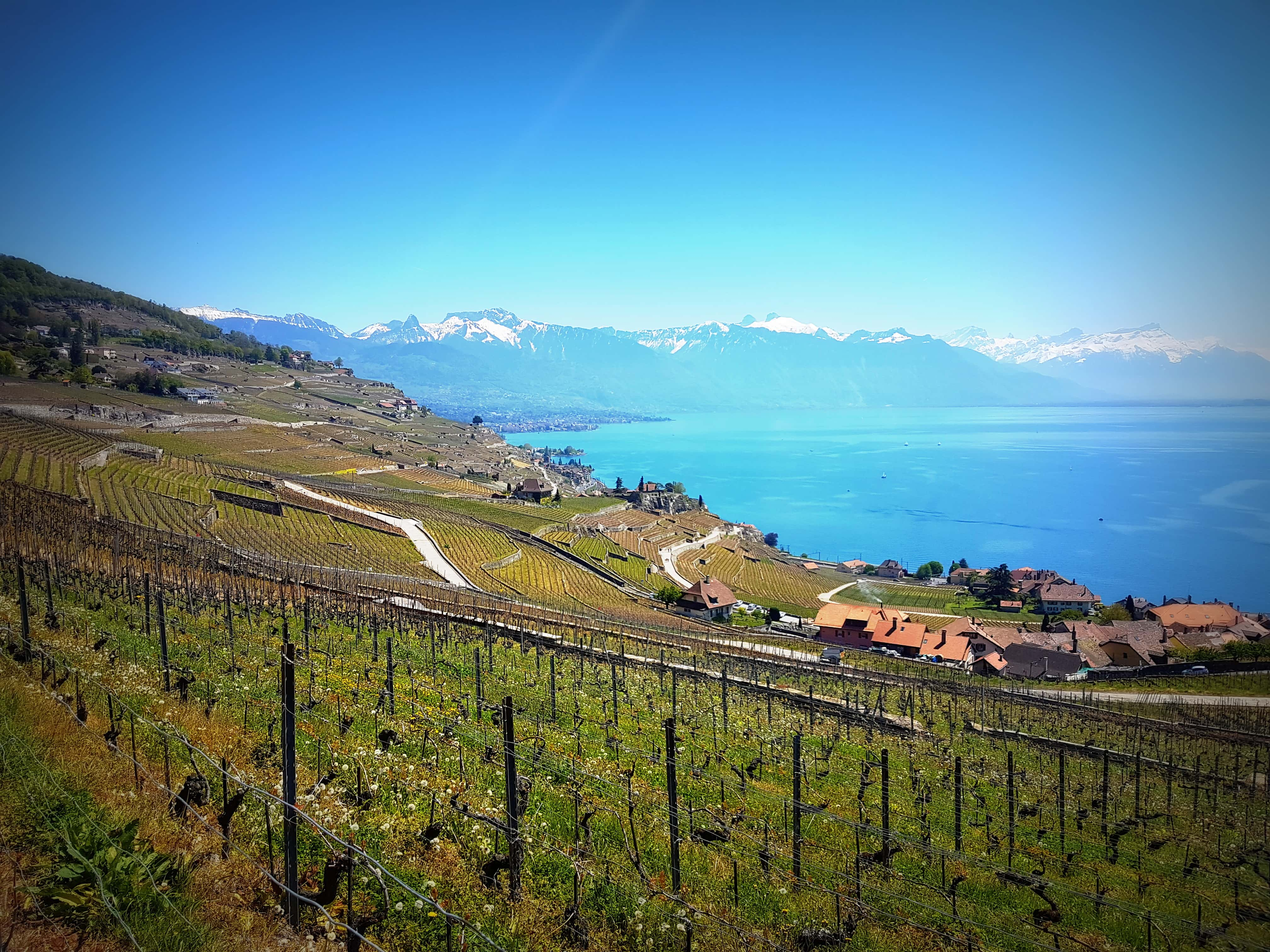
Continue your journey along the shimmering shores of Lake Geneva to the stunning Swiss Riviera. Begin with a visit to the Château de Chillon, a fairytale castle set dramatically on the lake’s edge. Ride the Lavaux Express through...

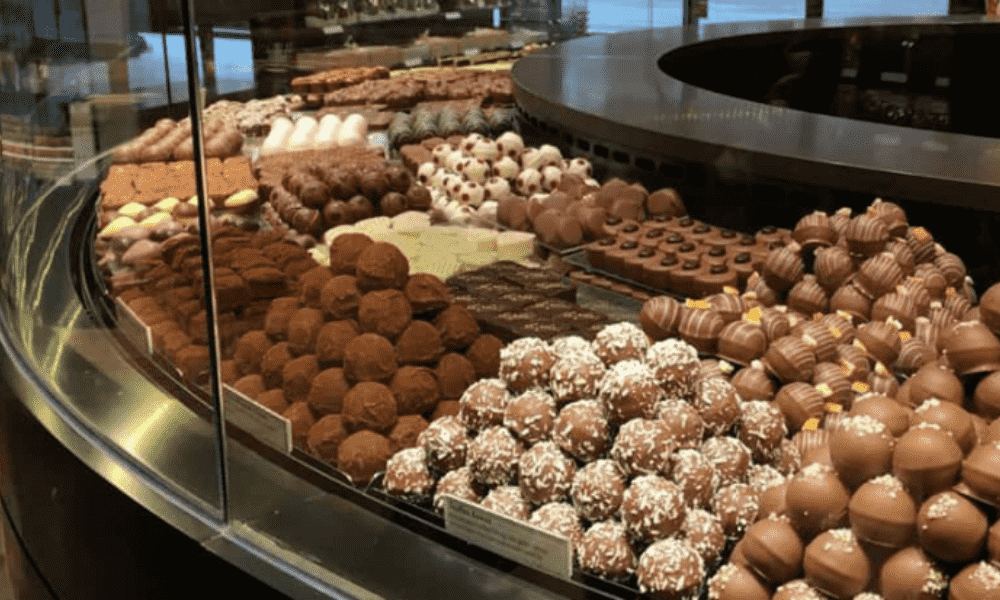
Quintessential Switzerland – Chocolate, Cheese & Chalet Villages (1 Day )

End your Swiss journey with a day that captures the country’s most beloved traditions. Visit a chocolate factory to witness the art of Swiss chocolate-making and sample its rich, creamy flavors. Continue to La Gruyère Castle, a...

Whats included in this tour

Tours and Private Transfers
Activities and Excursions
Customized Sightseeing Itinerary
Handpicked Accommodation

Handpicked Accommodations - Hotels / Apartments / Swiss Chalets as per your preferences

  • 🇳🇱 Amsterdam – 3 Nights
  • 🇧🇪 Brussels – 2 Nights
  • 🇫🇷 Paris – 3 Nights
  • 🇨🇭 Interlaken Region – 3 Nights
  • 🇨🇭 Lake Geneva Region – 3 Nights

Customized Sightseeing, Activities and Logistics

  • Customized Itinerary: Tailored sightseeing, activities, and transfers based on your preferences.
  • Travel Pass: Unlimited transport via rail, road, and water, free museum entry, select mountain excursions.
  • Activities and Excursions: As per the itinerary and reconfirmed based on the final customized itinerary 
  • Catterfly Mobile App: Personalized logistics and digital guidance for independent exploration.
  • Personal Support: Dedicated travel coach providing remote assistance throughout your journey.

Exclusions: Exclusions include visa processing, return airfare, porterage, and personal expenses. Local taxes must be paid directly at your accommodation, and any item not explicitly listed as an inclusion is excluded. 

Accommodation

No Accommodation available.

FAQ & Expert Tips

Best time to visit in Switzerland

Switzerland is an all-weather country from traveling perspective and it really depends on what one is looking to experience. Most of the tourists tend to visit Switzerland between May – September considering these are the summer months in Switzerland with July-August as the peak summer months.

If you were to consult a local, the spring season in late March-April and Autumn during October to mid-November is equally good time to visit as the temperatures are still moderate and with the added benefits of no major traveler’s rush – unless your travel coincides with a local European holiday or long weekend. Winters are very pristine with charming Christmas markets all over and festivities are in the air. It tends to get reasonably cold but with one of the best standards of living in the world – the lodging and travel is very comfortable in most parts. Of course December – February is the ideal season for winter sports enthusiast, and even if skiing / snowboarding isn’t what excites you – sledging down a snow mountain with kids is an experience that one shouldn’t really miss.

What are the best places to visit in Switzerland?

For a small country like Switzerland, it certainly packs in a punch and even after living here for decades, we keep on discovering new experiences. As such Switzerland has 26 Kantons, but it can broadly be categorised into four parts, the German region on the north and north-eastern side bordering Germany and Austria, Central Switzerland (often referred to as Bernese Oberland), The French region in central-west and south-western side bordering France, The Italian region on south-eastern side bordering Italy.

The German Region
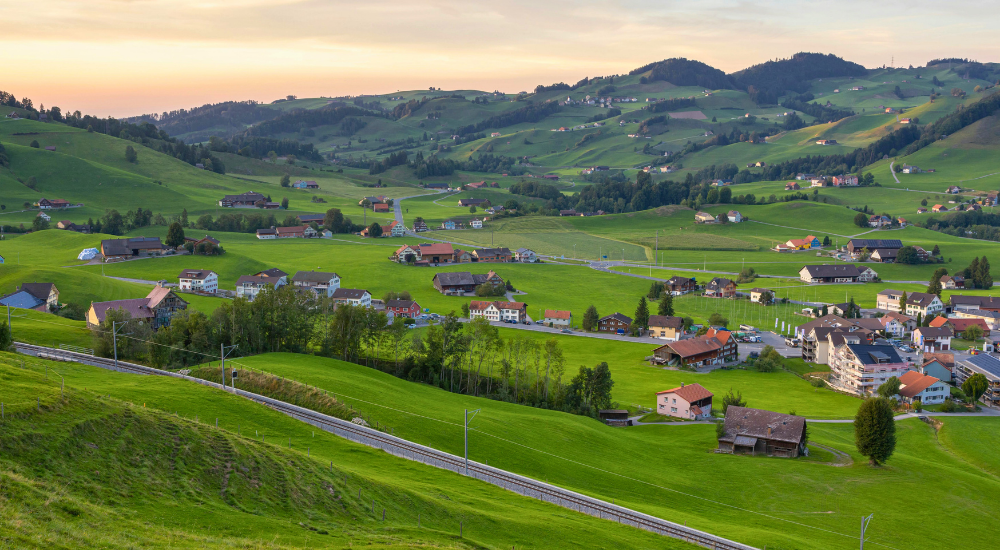
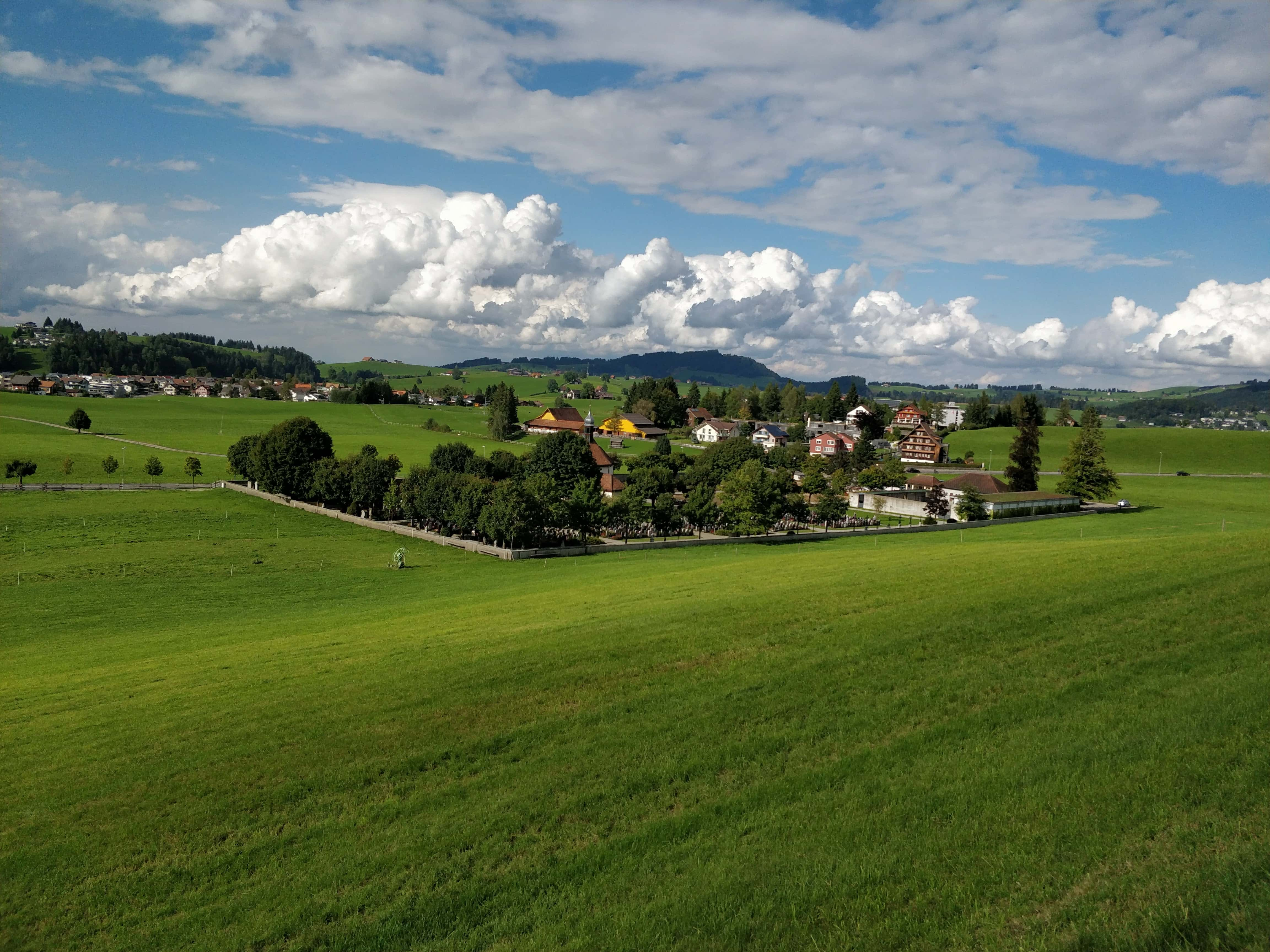
With the obvious choices of visiting cities like Zurich, Basel, one must not miss out the places like Appenzell, St. Gallens, and Lake Konstanz region on the swiss side offers fantastic choices during every season. Then, of course Baden and Rheinfelden famous for its thermal baths and spas along with historic old towns are worth a visit as well. For history buffs, its noteworthy to visit Chur as one of the oldest cities in Switzerland and for its charming old town as well. The neighboring Kanton Schwyz is famous for the Swiss knife valley – and one can perhaps learn how the world famous Swiss knifes are made in an old factory and museum.

The Berne Oberland (Central Switzerland)
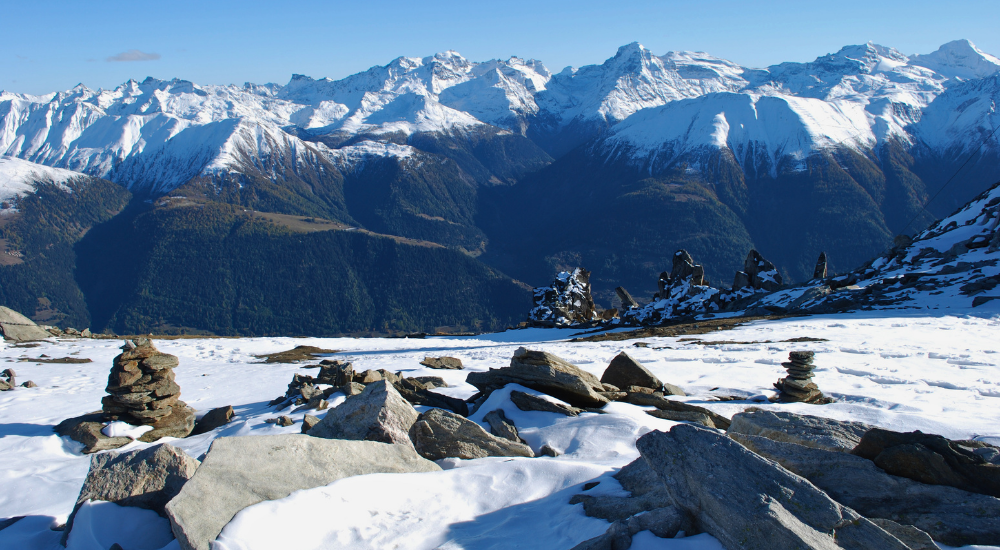
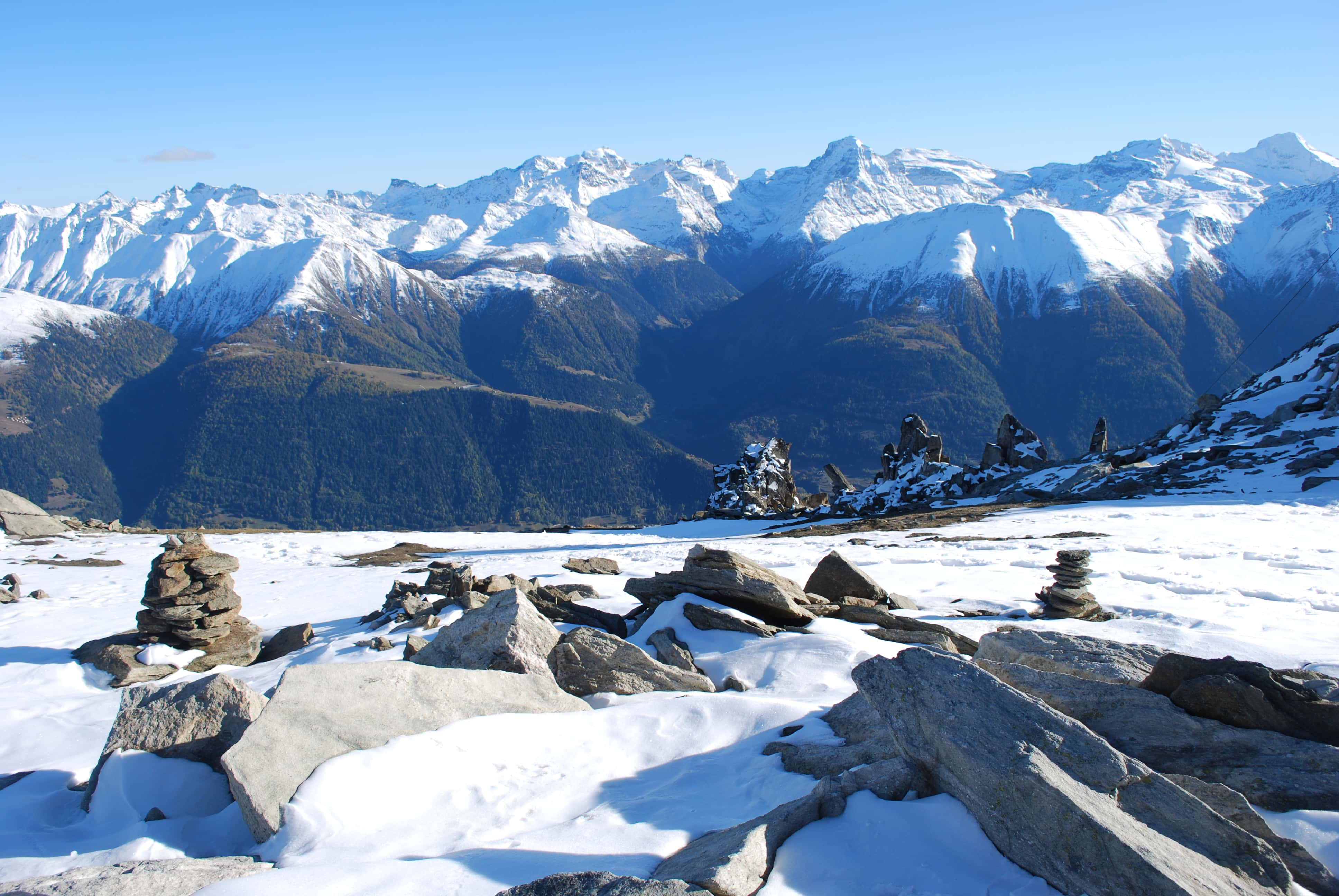
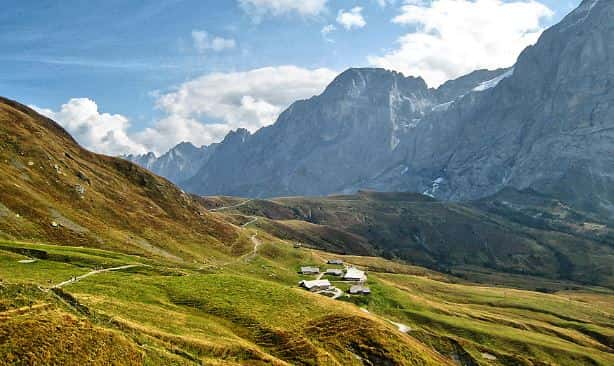
Most commonly held imagery of Switzerland is often of snow covered mountains, alpine peaks, lakes, charming alpine villages and no wonder this region hosts everything that a traveler desires with cities like Lucerne, Interlaken, Bern, and famous alpine peaks – Mt. Titlis, Jungfrau, Eiger, Monch, Pilatus etc. And, if one has more time it’s definitely a very charming experience to spend time in the alpine villages like Grindelwald, Lauterbrunnen, Wengen, Murren, Stanserhorn; most of these are great winter resorts for snow sports, and some of the best hikes (easy to difficult ones) are in this region. Besides this, Kandersteg, Andermatt, Alpine passes, Graubünden, Sedrun etc. will completely change your perspective of what Switzerland got to offer. Of course, in each of these places – there are so many different experiences and hidden gems that without a local expert it’s very difficult to explore all the best sights.

The French Region
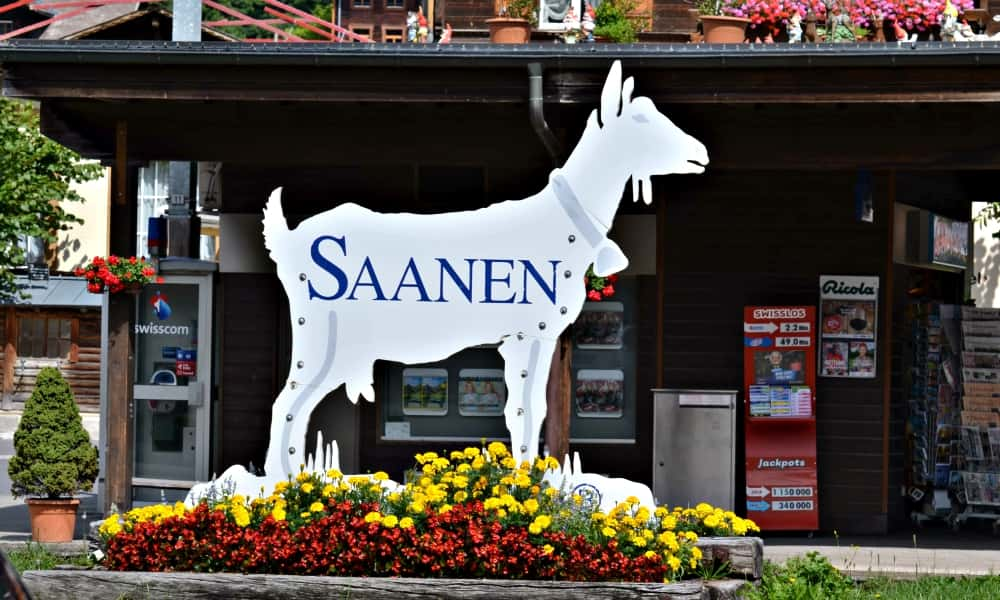
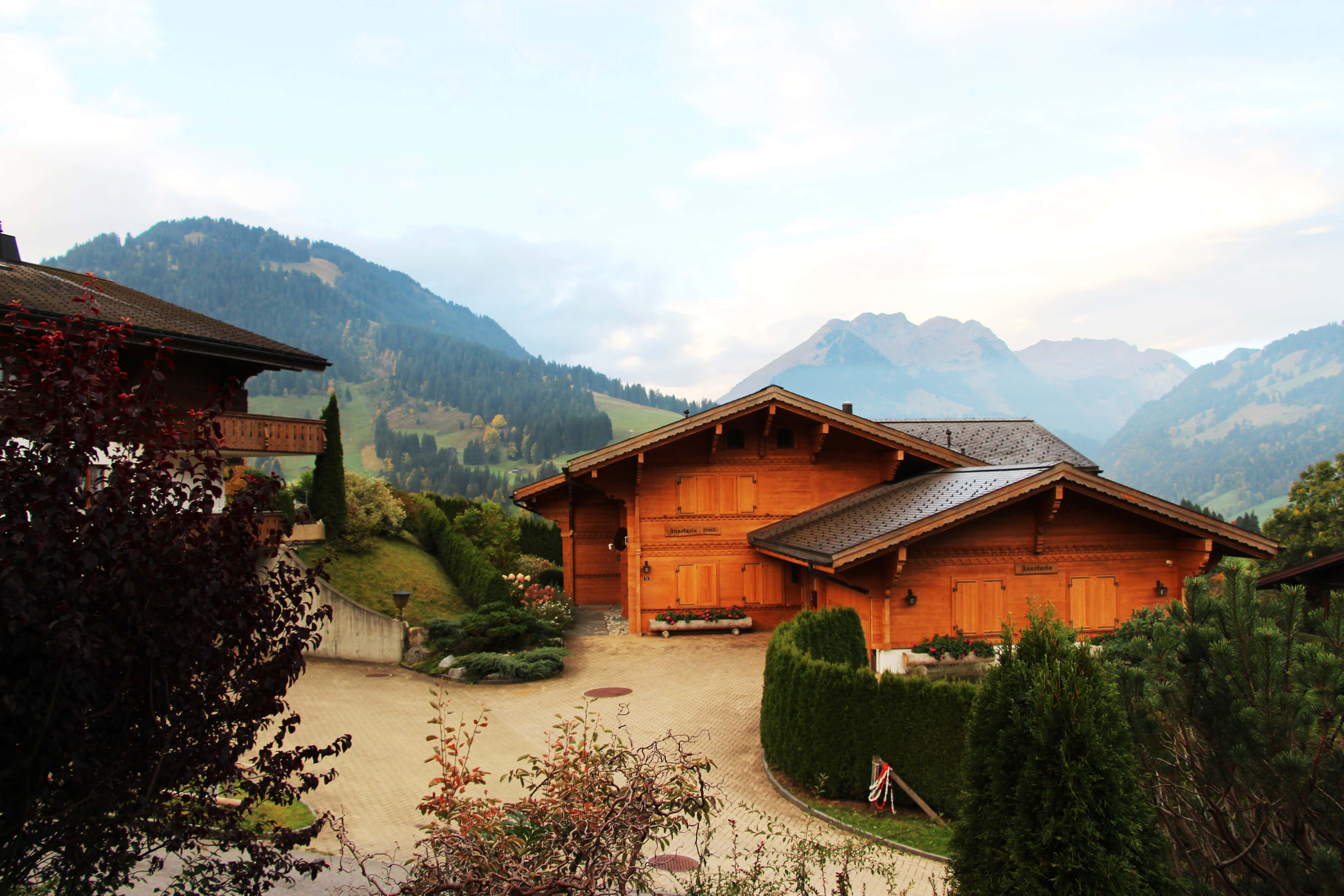
While Lake Geneva region dominates a good part of what this region offers with cities like Geneva, Lausanne, and Vevey-Montreux as the most obvious choices. But, venturing out to Zermatt, Lavaux Vineyards, Leukerbad for it’s thermal baths in winters, and bit up north towards Lake Neuchatel region, Gstaad-Saanen (Ten Chalet Villages) and Fribourg is something that most travelers tend to miss out. There are of course so many unique experiences including famous chocolate and cheese factories, farm house stays, agritourism etc. that one learns to appreciate the French way of life.

The Italian Region
Considering its geographic position, this region of Switzerland has the highest number of sunshine hours in entire Switzerland and with lake side town of Lugano, Locarno – the Italian flair is truly in the air. For folks interested in medieval castles – Bellinzona is definitely worth a visit and if you want to hob-nob with international celebrities and CEOs then visiting the resort town of Davos during World Economic Forum event isn’t a bad idea. Besides this, Davos is also one of the luxury winter resorts in Switzerland and during summer offer great walks and hikes along the lake side and in St. Moritz.

As per a recent survey, most tourists typically end up experiencing not more than 3% of the Switzerland, which is not surprising as mostly they rely on internet searches or stories of fellow travelers – who have come here on group tours in bus coaches. Of course, group tours have their own utility but it’s hardly surprising that most travelers miss some of the great experiences in Switzerland without any support and advice from local experts. We truly believe that local knowledge and support is extremely critical as there are so many hidden gems and a lot of time is lost in figuring out these experiences. When you experience a new country with Catterfly, you are part of our community and are always supported by experts, who design not only the great experiences based on your preferences but also support you all the way through your journey.

How many days are needed to visit Switzerland?

Most people have just a week or two to explore this amazing country, and we certainly hope that you are lucky to make several visits. In a week-long trip, you could perhaps explore one or two regions of Switzerland in depth (like central & French region), or focus on the iconic locations like Zurich, Bern, Grindelwald, with some day tours from these locations. There is more an enough to experience in each of these places for the famous and off beat experiences for everyone’s taste.

What is the best time to visit Switzerland?

Switzerland is an all-weather country from traveling perspective and it really depends on what one is looking to experience. Most of the tourists tend to visit Switzerland between May – September considering these are the summer months in Switzerland with July-August as the peak summer months.

If you were to consult a local, the spring season in late March-April and Autumn during October to mid-November is equally good time to visit as the temperatures are still moderate and with the added benefits of no major traveler’s rush – unless your travel coincides with a local European holiday or long weekend. Winters are very pristine with charming Christmas markets all over and festivities are in the air. It tends to get reasonably cold but with one of the best standards of living in the world – the lodging and travel is very comfortable in most parts. Of course December – February is the ideal season for winter sports enthusiast, and even if skiing / snowboarding isn’t what excites you – sledging down a snow mountain with kids is an experience that one shouldn’t really miss.

What are the visa and insurance requirements for Switzerland?

In principle, everyone needs a valid travel document to visit Switzerland, but some EU/EFTA citizens with expired travel documents may be allowed to cross the border on exception basis. Travel documents of third-country nationals for a short stay not exceeding 90 days in any period of 180 days, however, must be valid for at least three months after the planned departure from Switzerland and have been issued within the previous ten years. The date of issue of the travel document is what counts, regardless of any official extension.

For nationals of most countries, one also needs to obtain a visa. Depending on the purpose of your travel to Switzerland, there are different types of Swiss visas that will apply to the occasion. Whether you are planning to go on a visit, study or work and reside there permanently, you will have to apply for a different Swiss Visa, accordingly. For visiting purposes, generally a Schengen visa needs to be obtained and one can apply three months before the date of the travel. If the purpose of travel is to pursue employment, then a work permit will be required.
Above information is for guidance purposes only. To find out if you need to obtain a visa, and if there are any specific requirements for your travel documents, please consult the respective Swiss diplomatic/consular mission nearest to you. Alternatively, contact us and we can provide required guidance if you are planning to travel for tourism purposes.

Medical insurance is a mandatory requirement for all travelers coming to Switzerland, and mostly it is needed as a part of visa application itself. The amount of medical insurance coverage is mentioned specifically as a part of the visa processing requirement, so check with the local Swiss Embassy before you apply for visa. Online insurance provider in most countries offer very reasonable policies that can be bought online itself, and the insurance premium is dependent on the number of days that one plans to spend in Switzerland.

If you don’t need a visa to enter Switzerland, then its important that either you have an insurance in your home country that provides coverage as you travel overseas. Many a times the credit card firms also offer it as a part of their package, so it’s a good idea to check with your credit card firm as well. If insurance coverage is not provided by your existing insurance provider in home country or any other means (like credit card package), then it is highly recommended to buy a insurance cover before you travel to Switzerland. 

What is the weather in Switzerland like?

Switzerland climate is moderate with no excessive heat, cold or humidity especially in lowlands. But, the good news is the seasons are distinguishable - summers(June to August - daytime temperature range is), autumn (September to November), winters (December to February) and Spring (March to May). Sometimes in April the winter returns for a short period and sometimes there could be summer conditions as early as May. In spring (March to May) the trees blossom and the meadows turn green. From July to August the daytime temperature range is 18 to 28 °C (65° - 82° F) and from January to February the range is -2 to 7 °C (28° - 45° F). In spring and autumn, the daytime temperature range is 8 to 15 °C (46° - 59° F).  

Depending on the altitude the temperature range may vary. It is highly recommended to visitors to pack a sweater, good walking shoes, sunscreen, sunglasses, a compact umbrella and/or a light rain coat. The winters

The best time depends on your plans. If you are well prepared, you'll have a wonderful trip regardless of the time of year. Any doubts about your plans? Feel free to ask for advice from our local experts.

How to plan a trip to Switzerland?

Some of the most commonly asked questions are around when to travel, which places to visit, and how to get around. In general, any time is good to visit Switzerland and it really depends on your plans. Summer months between June to August is the time when most tourists plan their trip but the shoulder months during Spring and autumn are an equally good time to visit especially if you prefer a bit of solitude. Winters are a special time to visit with Christmas festivities until December, and snow sport enthusiasts ruling the roost in January and February. 

In a week long trip most people tend to focus more on central and Northern part of Switzerland with base locations in Lucerne, Interlaken and Zurich (or Basel). However it's easy to squeeze in few days in Lake Geneva in n a week long trip. If one has few additional days then it's highly recommended to keep it for Italian.rt of Swiss, or visiting neighboring parts of Germany and France. It's not an easy decision to make especially on a first trip to Switzerland and we are happy to help you prioritize and make the right choices.  

How to travel to Switzerland?

Switzerland is a landlocked country and surrounded by France, Germany, Austria, Italy (and a small country Lichenstein). It is very well connected by Air, Train and land transport and best option depends on where you are traveling from and the overall itinerary.  

If you are traveling from outside of Europe, then the most frequently used airports are Zurich and Geneva, while Basel also works fine for the travelers who are traveling from within Europe. If one is traveling only to Switzerland, then it is a good idea to travel into Zurich and flying out of Geneva – unless you are planning to spend all your time only one part of Switzerland, or the flight prices / timing is convenient to fly in and out of the same airport. While it’s a small country, the distances between different locations can be substantial and you may want to optimize on the time spent in getting back to the same airport to fly back home.

For travelers coming in from neighboring countries, the trains are a great option as well as most of the trains traveling across countries would pass thru Basel and Geneva (for trains coming in from France and Germany), Zurich (for trains coming in from Germany and Austria), and Lugano (for trains coming in from Italy). Most of the cross-country trains typically require a seat reservation as well and it is not enough to have a travel pass (e.g. Eurail passes) or a train ticket only.

And, if you like to drive then road network from neighboring countries seamless flows into Switzerland. Of course, you must carry the required traveling documents with you all times even if some of the entry points at the border are not staffed in late evening hours. Traveling by road is a popular option for travelers within Europe. However, you must consider that there is a road tax of (around CHF 40) and one must buy a vignette (valid for one calendar year) at the border entry points (or a gas station near the country border) else you could potentially face a fine for violating the rules. In recent times, some private bus operators like Flixbus also offers great connections to the main cities in Switzerland.  

Where to stay in Switzerland?

Most popular choices to stay in Switzerland are Lucerne and Interlaken, as travelers typically spend time visiting central Switzerland or use this as the base to go around for a short trip of 4-5 days. However, depending on the overall plan, you should consider other locations. For e.g. Lake Geneva region is best explored by staying in that region (Geneva, Lausanne, Vevey-Montreux). Some resort towns / villages like Zermatt, Grindelwald, Gstaad-Saanen, Wengen etc. are also popular among travelers who want to indulge in mountain activities (hiking, skiing, sledding etc.) or just enjoy the serene landscape.  

Zurich and Geneva is a good choice for first or last few days of your travel depending on your flight timings. We also recommend considering Basel as the base location for few days, if you would like to explore the Three-Country region which is truly unique with charming French towns and villages in Alsace region and Blackforest region of Germany (all within an 1-2 hours away).

What is the best way to get around in Switzerland? How does public transportation in Switzerland work?

Train travel is one of the best way to travel in Switzerland; it’s economical and popular with both locals and tourists. The stations are clean and equipped with general purpose services and the trains are punctual, clean and comfortable. Unless you have a off the beaten track kind of itinerary or have very limited time to explore, get on the train and experience life as the locals do. You’ll be exposed to spectacular scenery and a way of life for most Swiss people. If you are traveling by train, then one of the best investments one can make is to buy a Swiss train pass (available for 3, 4, 8 and 15 days), or a combination of some regional pass and half-fare pass. Consult our destination experts, and they will advise you on the best combinations that suits your itinerary.  


For visiting mountains, you would likely need to take the cable car or the mountain trains, and these are mostly discounted on Swiss travel pass (and some of these mountains can be accessed free of charge as well). Likewise, the boat cruises are very popular among tourists to explore the regions aronund the popular lakes in Lucerne, Interlaken and Geneva.  

Self-drive car - Driving around is a great option for travelers, who would like to go off the beaten track. While most places in Switzerland are very well connected by public transport, it may be faster or more convenient to explore if one is driving around. Especially in the mountain passses in the central Switzerland. However, one must consider that the fuel cost and parking cost is reasonably high as compared to other Western countries.

Traveling by Taxi / Chaffeur driven cars - This is easily available in most of the big cities and for intercity transits as well. However, it is mostly a very expensive option unless the cost is shared by a larger group of people traveling together.

What are the daily expenses in Switzerland? What currency to carry?

Switzerland's official currency is the Swiss franc also called as CHF.

Switzerland is a relatively expensive country to visit and the average cost for a backpacker/budget traveler is around CHF 75-100 to cover the basics, stay in some hostels, sightseeing and local transport, and perhaps have a basic meal outside. It's difficult to give a specific figure because all travellers have their own individual needs and interests. A Switzerland Tourism survey shows that visitors spend an average of CHF 100 to 200 per day on meals and accommodation in Switzerland (excluding outbound and return travel). Some of the average cost and guidance for managing different aspects of travel in Switzerland

Accommodation:
Can range from CHF 40-45 per night in a hostel with shared dorms and toilets to 150-250 chf per night in hotel and Swiss Chalet / apartments for a mid-range options. It can also vary by the time of the year and the prices are typically higher during the summer and the winter months (for ski break). Of course, there is no upper range for luxury options in hotels and Swiss chalets in mountain resorts - that offer very exclusive experiences.  

Travel within Switzerland: Cost typically around CHF 50-60 per day, if one is using the Swiss travel pass to go around. However, the mountain cable cars and trains typically cost extra, unless its already covered by Swiss travel pass.  

Meals: one can easily toss up their own meals if staying in a hostel or a place with fully equipped kitchen (in chalet / apartments / holiday homes). The cost of eating out in Switzerland can be quite substantial in a regular restaurant - average of CHF 30-40 per person per meal. However, there are options available in CHF 10-20 range with the takeout pizzas, sandwiches and Turkish Kebab shops - which offer good choices for vegetarians and non-vegetarians alike. One can also shop around in the regular stores like Migros and CooP for pre-cooked meals at reasonable budget range.  

What is the best time to visit Switzerland for a winter holiday?

The best time to visit Switzerland for a winter holiday is typically from December to February when you can enjoy the snowy landscapes and winter sports.

What is the snow conditions like in Switzerland during the winter season?

Snow conditions can vary depending on the region and the time of year. In higher-altitude areas like the Swiss Alps, you can expect abundant and consistent snowfall during the winter. Lower-altitude regions may have less snow. It's advisable to check the snow conditions and ski resort websites for up-to-date information.

Are there family-friendly activities in Switzerland for winter vacations?

Switzerland is a family-friendly destination. Many ski resorts offer childcare services, kid-friendly slopes, and activities such as ice skating, sledding, and snowshoeing suitable for children. Some resorts also have special kids' clubs and winter camps.

Can I rent winter sports equipment in Switzerland?

Yes, you can easily rent winter sports equipment such as skis, snowboards, boots, and even clothing at most ski resorts and in major cities. Rental shops offer a variety of options for different skill levels. Many resorts offer package deals that include lodging, lift tickets, and sometimes even equipment rentals.

Are there any festivals or events in Switzerland during the winter?

Switzerland hosts various winter festivals and events. The Montreux Jazz Festival in Montreux, the Lauberhorn Ski Races in Wengen, and the Fasnacht (Carnival) celebrations in Basel are some of the highlights. Be sure to check the event calendar or get in touch with us for specific dates.

When is the best time to visit the Eiffel Tower?

Early morning or around sunset can be good options for a more comfortable visit and better photography. The itinerary also includes Trocadéro, one of the most popular viewpoints for Eiffel Tower photographs. 

What is the best way to get around Paris?

Paris is well connected by public transport, and many central attractions are also easy to explore on foot. Depending on your preferences, private transfers and other transportation options can be incorporated into the customized itinerary.

Is this Paris itinerary suitable for first-time visitors?

Yes. It is specifically designed for first-time visitors and combines Paris's essential landmarks with neighbourhood walks, museums, shopping, and flexible experiences. 

Is this itinerary suitable for a first trip to France?

Yes. It is particularly well suited to first-time visitors who want to combine Paris's major landmarks and cultural experiences with the coastal towns and landscapes of the French Riviera. 

What is the best time to visit Paris and the French Riviera?

Spring through early autumn are popular periods for this itinerary. The warmer months are particularly suitable for enjoying the beaches and coastal towns of the French Riviera, while spring and autumn offer comfortable conditions for sightseeing. 
Trip length

14 Days

Starting From

On request

  • Reviews
    0/5
  • Package Type -
  • Best Season -
Relevant blogs
  • 0
  • 0

Cart

  • {{ item.documentId.name }}