Southern Japan Travel Guide: History, Onsens, and Okinawa Beaches

Blog

Southern Japan: A Journey of History, Healing Hot Springs, and Island Bliss

Written by Apr 21, 2026
While the north of Japan is defined by its wild frontiers and snowy peaks, the south offers a completely different rhythm. This is a region where the earth is alive with volcanic energy, the history is deeply moving, and the landscape eventually dissolves into a tropical paradise of turquoise waters. From the poignant memorials of Hiroshima to the white sands of Okinawa, Southern Japan is a journey through the soul and the scenery of the archipelago.

The Path of Peace and Feudal Grandeur

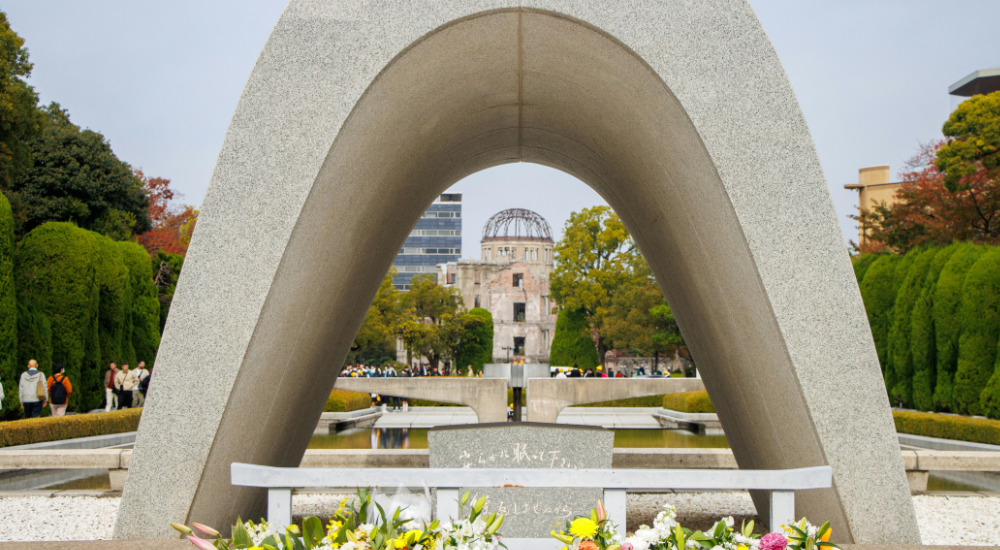
Begin in Hiroshima at the Peace Memorial Park, a moving tribute to the city's resilience. Nearby, Miyajima Island features the iconic "Floating Torii Gate," which appears to stand on the sea at high tide. Complete your historical tour at Himeji Castle, the "White Heron Castle." It is Japan’s most beautifully preserved feudal fortress, famous for its brilliant white walls and intricate wooden architecture. 


Kyushu’s Volcanic Soul

In Kyushu, the earth’s heat takes center stage. Beppu is home to the "Hells"—boiling, multi-colored hot springs ranging from blood-red to milky blue. For a spiritual nature escape, visit the Takachiho Gorge. Here, you can row a boat between towering basalt columns and pass directly under the Manai Waterfall in a landscape steeped in Japanese mythology.

Shikoku’s Quiet Charm

The island of Shikoku offers a slower, artistic pace. Naoshima Island is a global hub for modern art, featuring museums built into hillsides and Yayoi Kusama’s famous pumpkin sculptures. For outdoor enthusiasts, the Oboke Gorge provides stunning emerald river views and dramatic rock formations, perfect for rafting or scenic boat tours. 
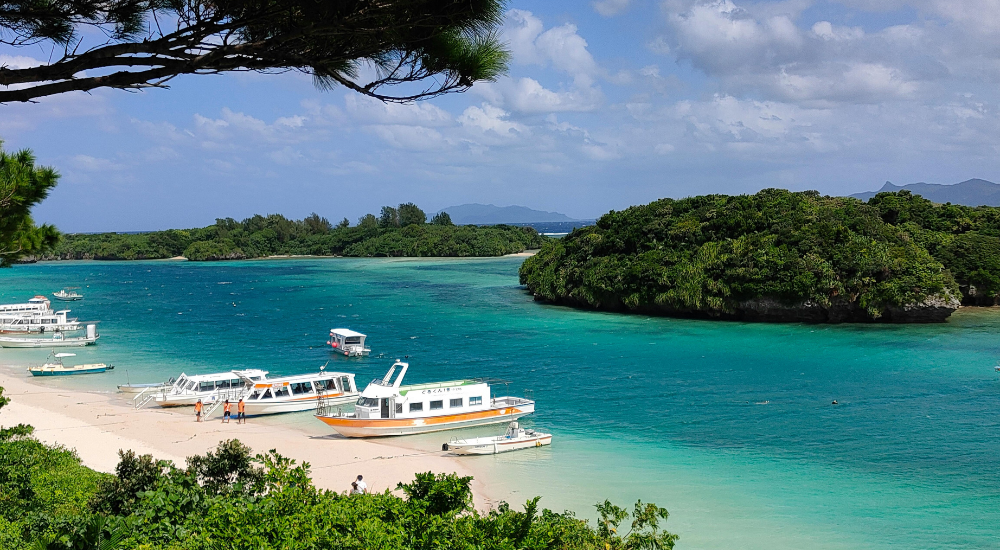


The Tropical Finale: Okinawa

A short flight brings you to the Okinawa islands, a tropical paradise with a unique cultural identity.

  • Culture: Explore Shuri Castle, the UNESCO-listed seat of the former Ryukyu Kingdom.
  • Nature: Visit the Churaumi Aquarium to see massive whale sharks, or head to Ishigaki and Miyako Island for world-class diving and pristine white-sand beaches.

Logistics: Getting Around

The Shinkansen connects major cities like Fukuoka and Hiroshima perfectly. For Okinawa, a domestic flight is your best bet. If you head into the mountains of Shikoku, consider a private coach or car rental to reach the hidden valleys. 
FAQ & Expert Tips

What is the "Golden Route" in Japan?

The Golden Route is the most popular travel circuit for first-time visitors, typically starting in Tokyo, passing through the Hakone/Mount Fuji region, and ending in Kyoto and Osaka. It offers a balanced mix of Japan’s ultra-modern technology and its ancient, preserved history.

How many days are needed for the Japan Golden Route itinerary?

We recommend a minimum of 9 to 12 days. This allows for 3–4 days in Tokyo, 1 night in a traditional Ryokan in Hakone, and 3–4 days to explore the cultural landmarks of Kyoto and Nara.

Is the Japan Rail Pass (JR Pass) worth it for this package?

Yes, for the Golden Route, the JR Pass is often cost-effective as it covers the Shinkansen (bullet train) journeys between Tokyo, Odawara (Hakone), and Kyoto. However, our travel specialists provide a personalized cost-benefit analysis based on your specific side trips to ensure it’s the best value for you.

What is the best time of year to travel the Golden Route?

The most popular times are Spring (late March to mid-April) for the Cherry Blossoms and Autumn (November) for the vibrant fall foliage. However, traveling in the "shoulder seasons" of May or September offers milder weather and fewer crowds at major sites like Fushimi Inari.

Can this Golden Route package be customized for families?

Absolutely. Catterfly specializes in "slow travel" and can adapt the itinerary to include family-friendly spots like the Ghibli Museum in Tokyo, the Hakone Open-Air Museum, or a traditional ninja workshop in Kyoto, ensuring the pace is comfortable for all ages.

What are the must-see sights on the Golden Route?

  • Tokyo: Senso-ji Temple and the Shibuya Crossing.
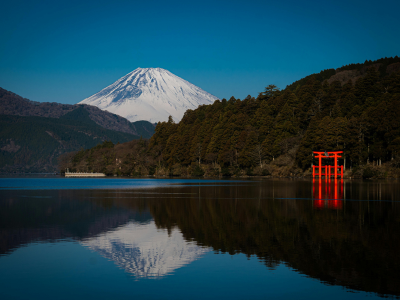
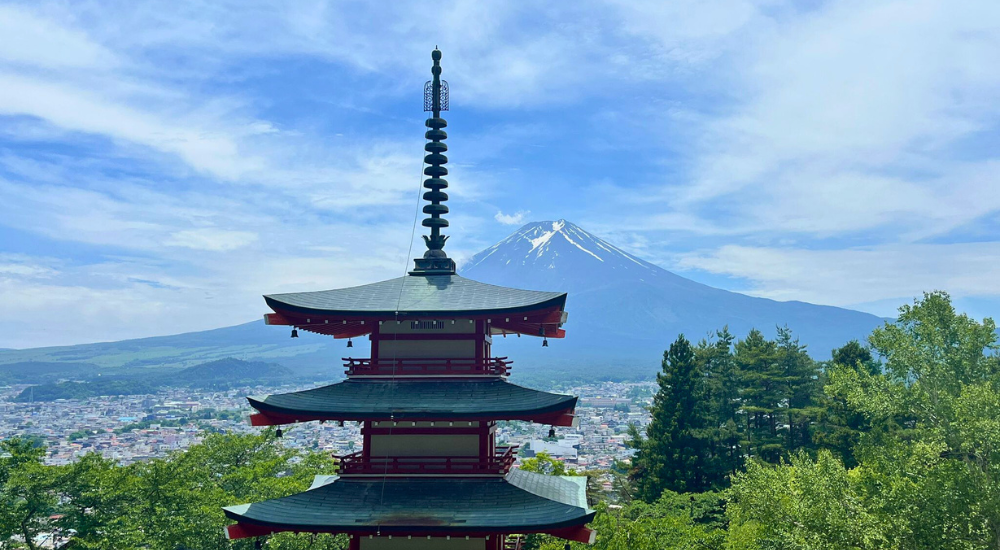
  • Hakone: A Lake Ashi cruise and views of Mount Fuji.
  • Kyoto: The Kinkaku-ji (Golden Pavilion) and the Arashiyama Bamboo Grove.
  • Nara: The giant Buddha at Todai-ji Temple and the bowing deer of Nara Park.

Do I need a guide for the Golden Route?

While the Golden Route is easy to navigate via public transport, Catterfly offers "Local Insiders" for specific days. Having a guide in Kyoto, for example, helps you navigate the hidden alleys of Gion and understand the deep historical context that isn't found on signboards.
  • 0
  • 0

Cart

  • {{ item.documentId.name }}