Sri Lanka is one of the few places in the world where you can realistically encounter four of Asia’s most iconic animals within a single trip. The island’s compact size, varied ecosystems, and well-protected habitats make wildlife experiences remarkably accessible — without the need for extreme travel or expedition-style planning. Don't believe us? Just check out this 11 day itinerary with remarkably diverse experiences in a relatively short time.
At the heart of this experience are the Big 4 animals of Sri Lanka. These animals are the Asian elephant, Sri Lankan leopard, sloth bear, and blue whale — a rare combination that spans jungles, grasslands, and open ocean.
The Big 4 Animals of Sri Lanka
Asian Elephant
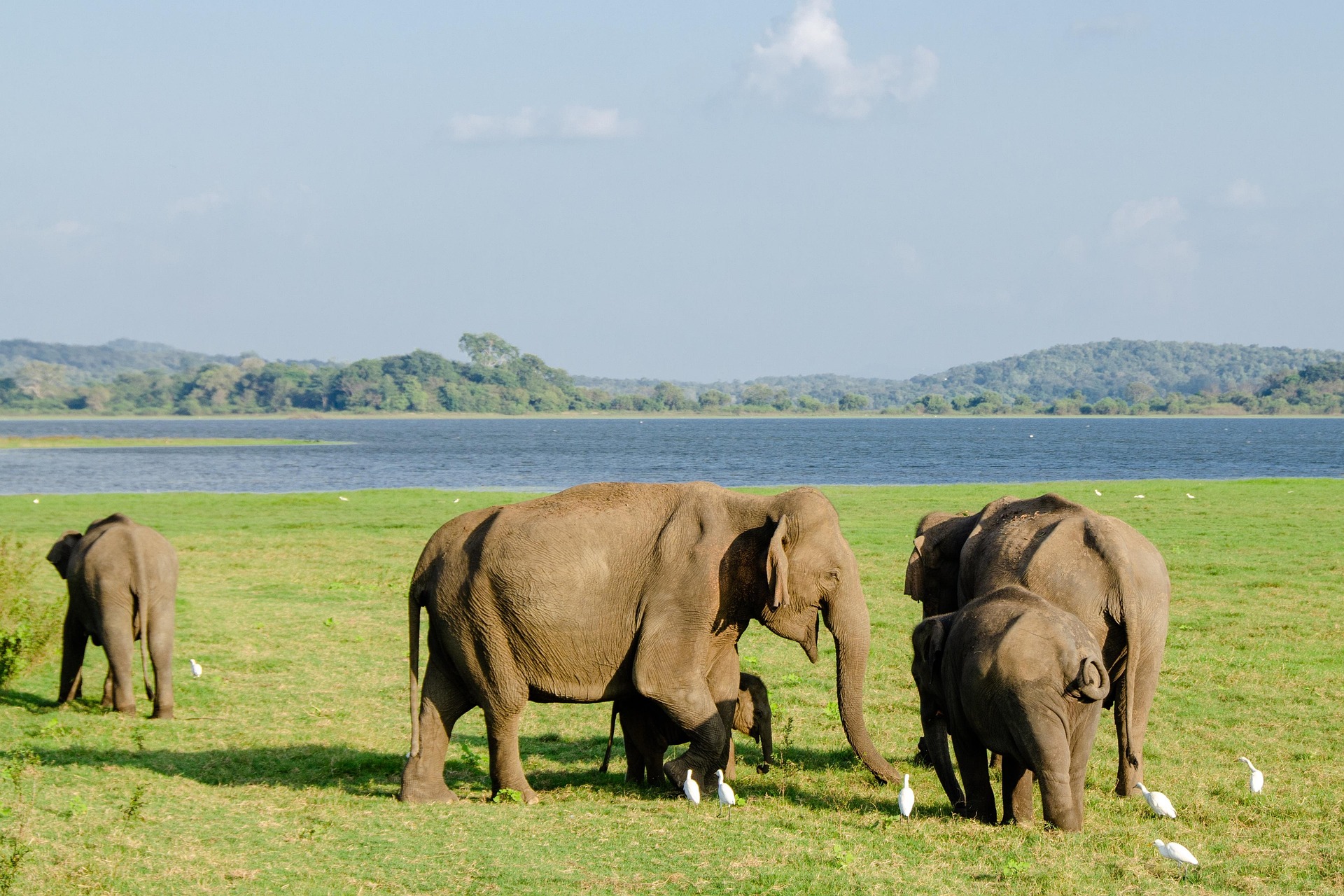
Sri Lanka is home to one of the largest remaining populations of wild Asian elephants. Unlike in many countries, elephants here are seen frequently and in natural social groups, often in open landscapes shaped by ancient reservoirs and grasslands. Large herds gather seasonally, offering some of the most memorable wildlife moments on the island.
Sri Lankan Leopard
The Sri Lankan leopard is the island’s top predator and a subspecies found nowhere else in the world. Adaptable and confident, it thrives across dry forests, scrubland, and rocky terrain. Sri Lanka is considered one of the best places in Asia to spot leopards in the wild, particularly in parks where prey density is high.
Sloth Bear
More elusive than elephants or leopards, sloth bears inhabit forested areas and are most active during certain seasons. Spotting one requires patience, timing, and a knowledgeable guide, making sightings especially rewarding. Their shaggy coats and distinctive snouts make them one of Sri Lanka’s most unusual mammals.
Blue Whale
Off Sri Lanka’s southern and eastern coasts, the largest animal ever to live on Earth swims remarkably close to shore. Seasonal whale-watching excursions offer opportunities to see blue whales, sperm whales, and dolphins, adding a marine dimension to the island’s wildlife story.
Where to See the Big 4: Sri Lanka’s Wildlife Landscapes
Sri Lanka’s strength lies not in a single safari destination, but in a network of diverse habitats. Each national park and reserve offers a different setting, influencing what you see and how you experience wildlife.
National Parks: What Makes Each One Different
Yala National Park
Yala is Sri Lanka’s most famous wildlife park and the country’s premier destination for leopard sightings. Its landscape is a striking mix of open scrubland, rocky outcrops, forest patches, and coastal lagoons. Leopards are the star attraction, but elephants, sloth bears, crocodiles, spotted deer, and rich birdlife are also common. The park’s proximity to the ocean gives safaris a dramatic, almost cinematic backdrop.
Yala is Sri Lanka’s most famous wildlife park and the country’s premier destination for leopard sightings. Its landscape is a striking mix of open scrubland, rocky outcrops, forest patches, and coastal lagoons. Leopards are the star attraction, but elephants, sloth bears, crocodiles, spotted deer, and rich birdlife are also common. The park’s proximity to the ocean gives safaris a dramatic, almost cinematic backdrop.
Wilpattu National Park
Wilpattu offers a quieter, more immersive experience. As Sri Lanka’s largest national park, it is defined by its natural lakes — known as villus — which attract wildlife year-round. Dense forest creates a sense of wilderness, and while sightings may require more patience, the rewards include leopards, sloth bears, and excellent birdlife in a less crowded setting.
Wilpattu offers a quieter, more immersive experience. As Sri Lanka’s largest national park, it is defined by its natural lakes — known as villus — which attract wildlife year-round. Dense forest creates a sense of wilderness, and while sightings may require more patience, the rewards include leopards, sloth bears, and excellent birdlife in a less crowded setting.
Udawalawe National Park
Udawalawe is widely regarded as the most reliable park for elephant sightings. Its open grasslands and sparse vegetation make animals easy to spot, and elephants are present throughout the year, often seen grazing near the reservoir. The park also supports water buffalo, jackals, crocodiles, and birds of prey, making it ideal for first-time safari visitors.
Udawalawe is widely regarded as the most reliable park for elephant sightings. Its open grasslands and sparse vegetation make animals easy to spot, and elephants are present throughout the year, often seen grazing near the reservoir. The park also supports water buffalo, jackals, crocodiles, and birds of prey, making it ideal for first-time safari visitors.
Minneriya, Kaudulla & Hurulu National Parks
These three parks form a connected landscape in Sri Lanka’s Cultural Triangle. They are best known for the seasonal Elephant Gathering, which typically occurs between July and October, when elephants migrate between water sources and congregate in large numbers around ancient reservoirs. Outside peak season, the parks remain scenic and quieter, offering a different but still rewarding experience.
These three parks form a connected landscape in Sri Lanka’s Cultural Triangle. They are best known for the seasonal Elephant Gathering, which typically occurs between July and October, when elephants migrate between water sources and congregate in large numbers around ancient reservoirs. Outside peak season, the parks remain scenic and quieter, offering a different but still rewarding experience.
Beyond National Parks: Nature & Wildlife Reserves
Wildlife encounters in Sri Lanka extend well beyond jeep safaris. Several protected reserves focus on ecosystems, conservation, and species that thrive outside traditional national parks.
Sinharaja Forest Reserve
A UNESCO World Heritage Site, Sinharaja is the island’s last remaining primary rainforest. Visits are done on foot with trained naturalist guides. The forest is renowned for endemic birds, reptiles, amphibians, and insects, offering a slower, more immersive nature experience.
A UNESCO World Heritage Site, Sinharaja is the island’s last remaining primary rainforest. Visits are done on foot with trained naturalist guides. The forest is renowned for endemic birds, reptiles, amphibians, and insects, offering a slower, more immersive nature experience.
Bundala National Park
Bundala is a coastal wetland of lagoons, salt flats, and scrubland. It plays a key role in migratory bird routes and is known for flamingos, pelicans, and shorebirds. Crocodiles and small mammals are also present, making it ideal for bird-focused exploration.
Bundala is a coastal wetland of lagoons, salt flats, and scrubland. It plays a key role in migratory bird routes and is known for flamingos, pelicans, and shorebirds. Crocodiles and small mammals are also present, making it ideal for bird-focused exploration.
Kumana Bird Sanctuary
Located near Yala’s eastern boundary, Kumana is one of Sri Lanka’s most important bird sanctuaries. During nesting season, large colonies gather in the mangroves and lagoons, creating spectacular scenes of breeding activity.
Located near Yala’s eastern boundary, Kumana is one of Sri Lanka’s most important bird sanctuaries. During nesting season, large colonies gather in the mangroves and lagoons, creating spectacular scenes of breeding activity.
Udawalawe Elephant Transit Home
This conservation center focuses on rehabilitating orphaned elephant calves with minimal human interaction. Visitors can observe feeding times from a distance, offering insight into ethical conservation practices rather than staged encounters.
This conservation center focuses on rehabilitating orphaned elephant calves with minimal human interaction. Visitors can observe feeding times from a distance, offering insight into ethical conservation practices rather than staged encounters.
How to Spot Wildlife: Practical Tips
Wildlife sightings in Sri Lanka are influenced by timing, terrain, and approach.
Early morning and late afternoon safaris are best, when animals are most active and temperatures are cooler. Staying silent, avoiding sudden movements, and listening closely to guides can make a significant difference. Experienced naturalists often spot subtle signs — alarm calls, tracks, or movement — long before animals are visible.
Patience is essential. Sri Lanka rewards travelers who allow the experience to unfold rather than rushing from sighting to sighting.
When to Visit: Seasons, Safaris & Whale Watching
Sri Lanka’s wildlife calendar varies by region.
- December to April is generally best for southern parks like Yala and Udawalawe, as well as whale watching off Mirissa.
- May to September suits the east coast, including whale watching off Trincomalee and elephant activity in Minneriya and Kaudulla.
- The Elephant Gathering typically peaks between July and October.
- Blue whale sightings are possible for much of the year, depending on coast and sea conditions.
Because weather patterns differ across the island, it’s often possible to adjust routes rather than avoid travel altogether. Essentially, Sri Lanka is great in any weather!
Wildlife Photography in Sri Lanka: What to Know
Sri Lanka is exceptionally rewarding for wildlife photography, even for non-professionals.
Telephoto lenses are useful for safaris, but many encounters happen at relatively close range. Dust protection is important in dry-zone parks, and fast shutter speeds help capture movement in low light. For forests and rainforests, higher ISO performance and stabilization matter more than reach.
Above all, ethical photography is key. Avoid disturbing animals for a shot, and let natural behavior guide your images. This is where a good guide is essential, as they will often direct photographers to the right spots and can help frame that perfect shot.
A Small Island, An Extraordinary Wildlife Story
What makes Sri Lanka truly special is not just the presence of the Big 4, but how seamlessly they fit into a single journey. From leopards in dry forests to elephants at ancient reservoirs and blue whales offshore, the island offers a rare sense of completeness — a place where wildlife, landscape, and travel come together naturally.
The Big 4 of Sri Lanka: Wildlife, National Parks, and Best Safari Experiences
Want to know more about planning the perfect Sri Lanka trip? Check out this first timer's guide to Sri Lanka.