Vietnam is a country that offers a little bit of everything. Whether you are a fan of busy cities, quiet beaches, or misty mountains, there is a corner of this country that will feel like it was made just for you. Because there is so much to see, we have narrowed it down to the ten most iconic destinations that showcase the very best of Vietnam.
1. Ha Long Bay
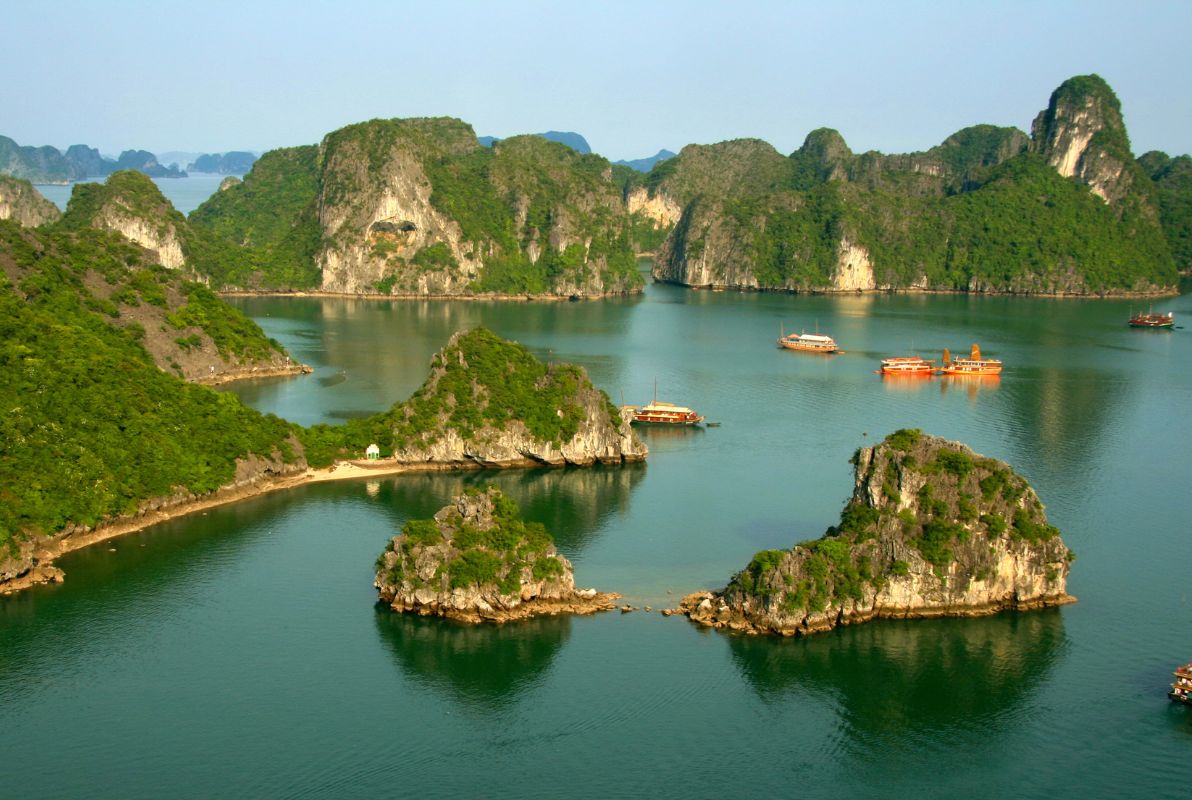
No trip to Vietnam is truly complete without seeing the emerald waters of Ha Long Bay. This area is famous for the thousands of limestone pillars and tiny islands that rise out of the sea. The best way to experience it is by booking an overnight cruise. You can spend your day kayaking through quiet lagoons, visiting hidden caves, or simply watching the sunset from the deck of your boat. It is a peaceful escape that feels like a different world.
2. Hanoi
As the capital city, Hanoi is the cultural heart of the country. It is a place where you can see centuries-old temples sitting right next to modern cafes. The Old Quarter is the most famous area to explore. Its narrow streets are always buzzing with motorbikes, street food vendors, and locals going about their day. Make sure to try a bowl of authentic Pho or a glass of famous egg coffee while you soak in the atmosphere.
3. Hoi An Ancient Town
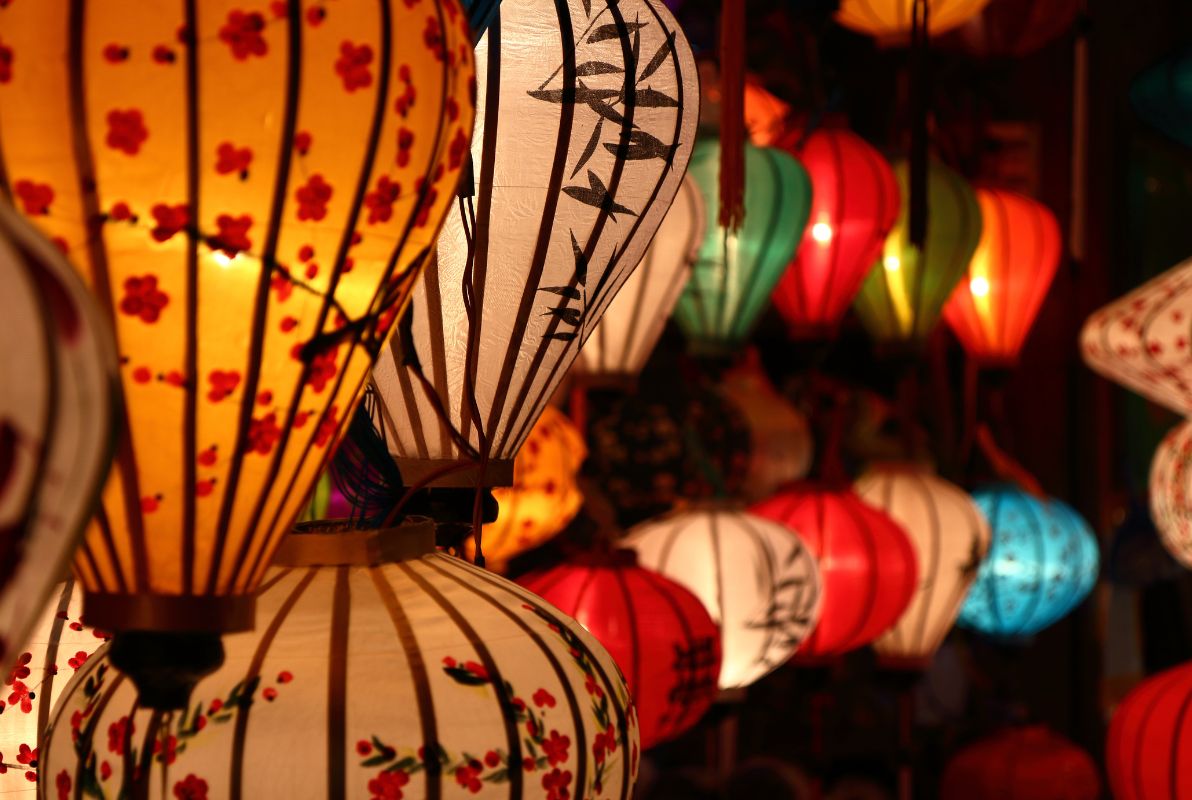
Hoi An is often the favourite stop for many travellers. This UNESCO World Heritage site is famous for its well-preserved wooden buildings and the colourful lanterns that light up the streets every night. The town has a very relaxed pace. You can spend your afternoon getting custom clothes made by expert tailors or riding a bicycle through the nearby rice fields. At night, the river comes alive with glowing boats and floating candles.
4. Ho Chi Minh City
Formerly known as Saigon, this is Vietnam's largest and most energetic city. It is a place of high-speed energy, towering skyscrapers, and deep historical roots. You can visit the War Remnants Museum to learn about the country’s past or head to the top of a rooftop bar to see the sparkling city lights. The food scene here is incredible, ranging from cheap roadside snacks to high-end dining.
5. Sapa
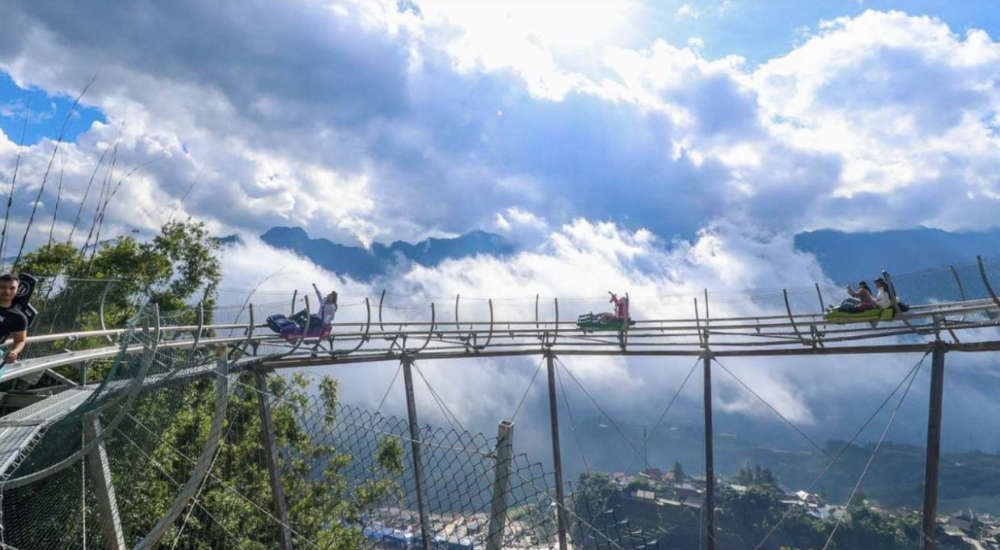
If you love nature and trekking, Sapa is the place to be. Located in the northern mountains, this region is famous for its dramatic green rice terraces that carved into the hillsides. It is home to several ethnic minority groups, and many travellers choose to stay in a local homestay to learn about their traditions. The air is cool and fresh here, providing a nice break from the heat of the lower regions.
6. Ninh Binh
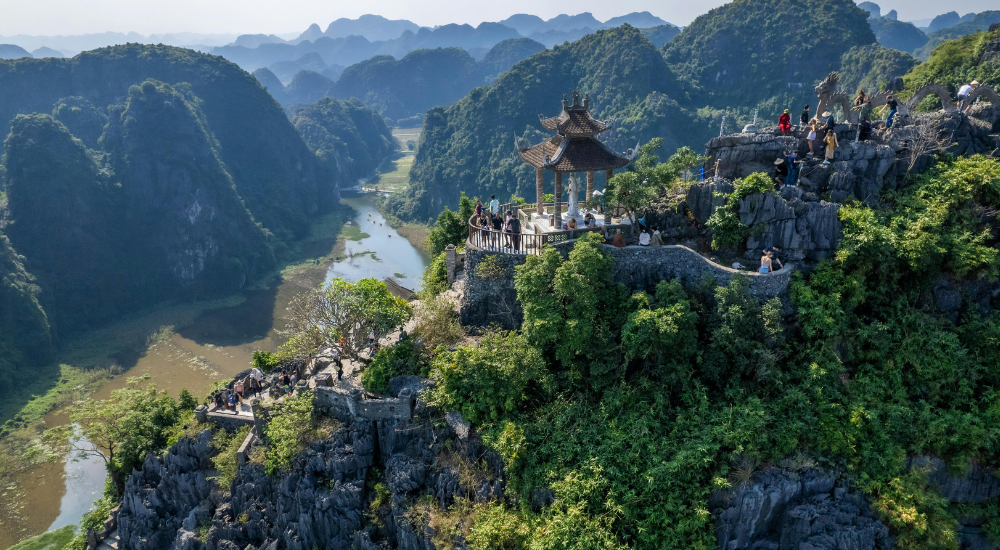
Often called "Ha Long Bay on Land," Ninh Binh offers similar stunning limestone landscapes but on a river instead of the ocean. In areas like Tam Coc or Trang An, you can sit back in a small wooden boat while a local guide rows you through quiet waterways and under low-hanging caves. The scenery is incredibly peaceful and looks like something out of a traditional painting.
7. Hue
For history lovers, Hue is a mandatory stop. It was once the capital of the Nguyen Dynasty, and you can still visit the massive Imperial City where the emperors lived. The city is located along the banks of the Perfume River, which adds to its poetic and quiet feel. Exploring the grand tombs of the past kings is a great way to understand the royal history of Vietnam.
8. Da Nang
Da Nang is the perfect mix of a modern city and a beach resort. It has grown quickly in recent years and is now home to the famous Golden Bridge at Ba Na Hills. Besides the tourist attractions, Da Nang has some of the best city beaches in the country. It is a very clean and organized city, making it an easy and comfortable place for families or solo travellers to spend a few days.
9. The Mekong Delta
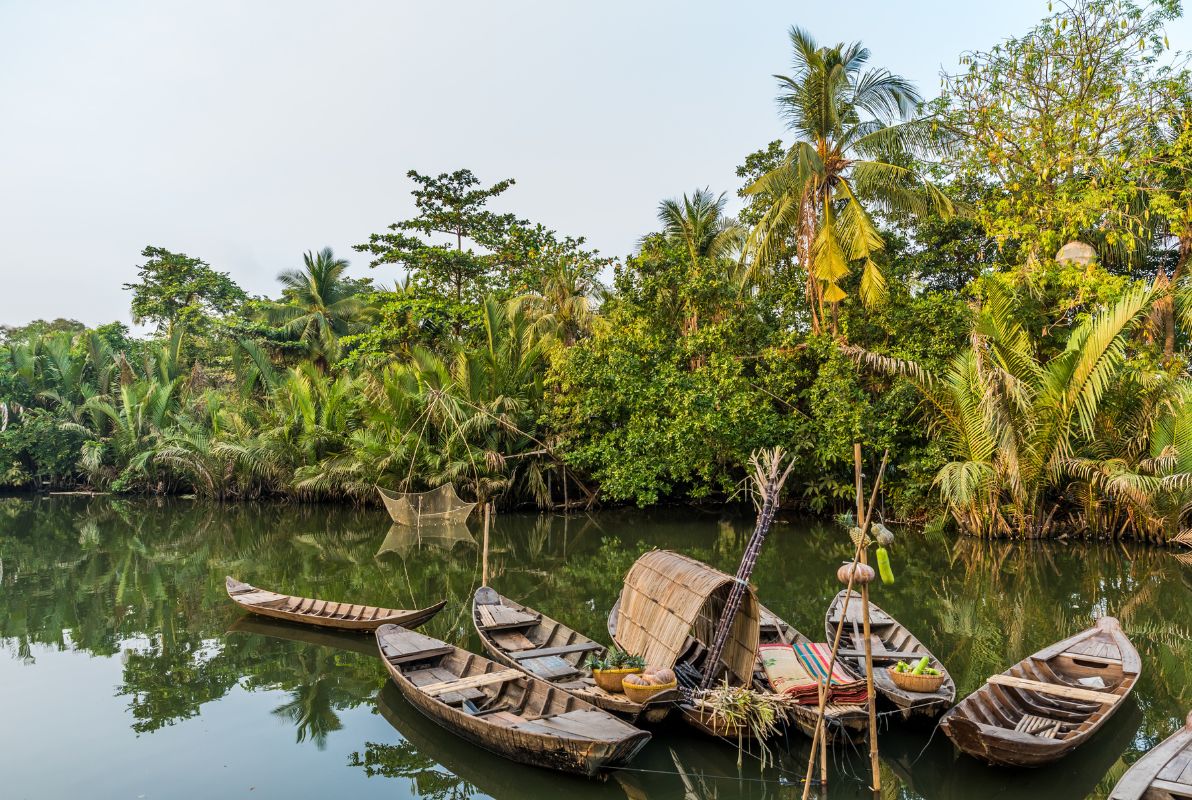
Down in the far south, the Mekong Delta is a world ruled by water. Life here revolves around the river. You can visit floating markets where locals sell fruit and vegetables directly from their boats. It is a very lush and green region filled with coconut groves and fruit orchards. Taking a small boat through the narrow canals covered in palm leaves is an experience you won't forget.
10. Phu Quoc Island
If you are looking to end your trip with total relaxation, head to Phu Quoc. This island sits in the Gulf of Thailand and features some of the most beautiful white-sand beaches in Vietnam. It is the perfect place to go snorkelling, enjoy fresh seafood, or just sit under a palm tree with a book. The sunsets here are widely considered to be the best in the country.