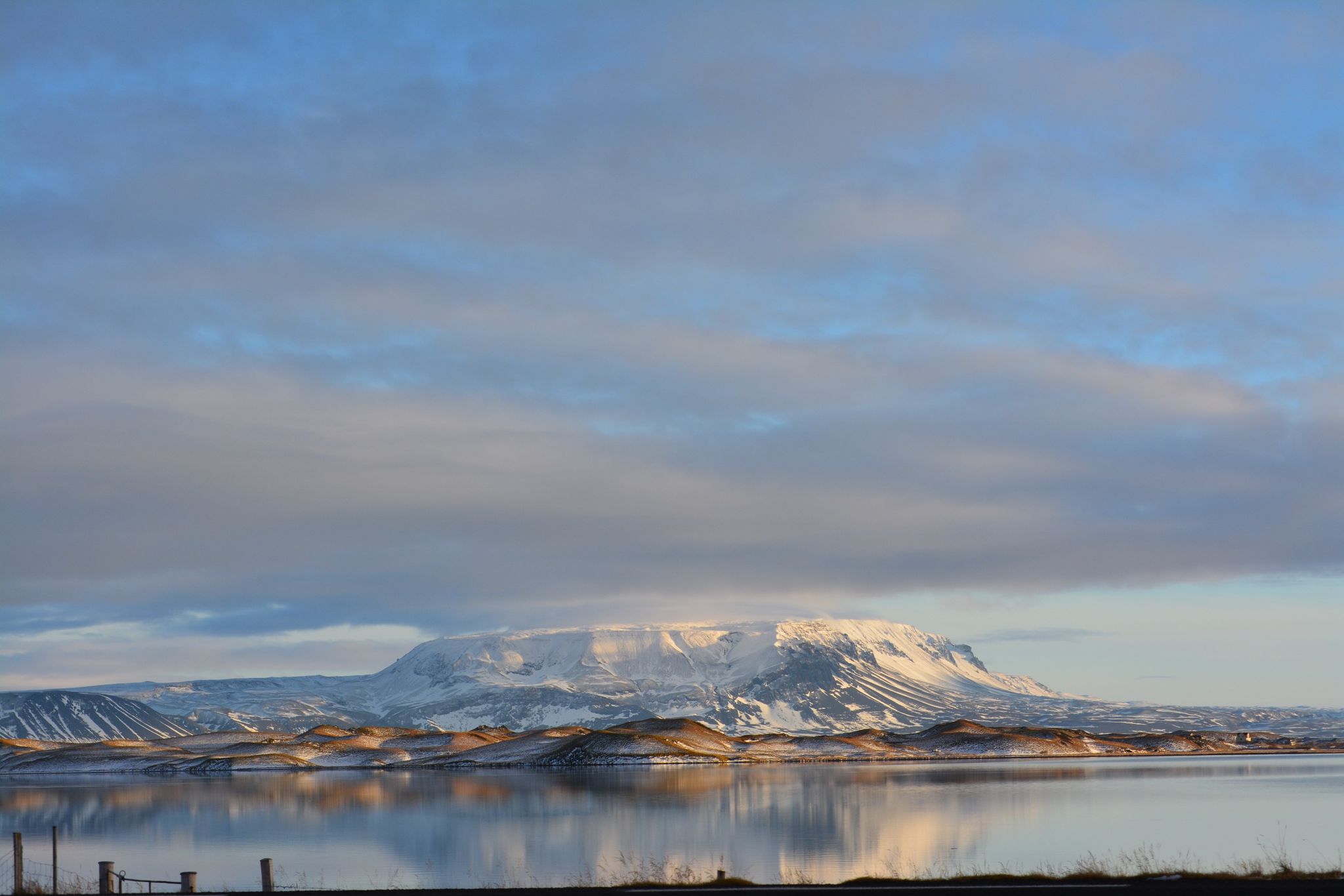
We caught the Northern Lights in Iceland!

Blog

We caught the Northern Lights in Iceland!

Written by Rajavel Sekaran Nov 03, 2022

When we were considering a holiday in October, we settled on Iceland right away. We looked forward to a memorable trip, with the Northern Lights at the top of our wish list.

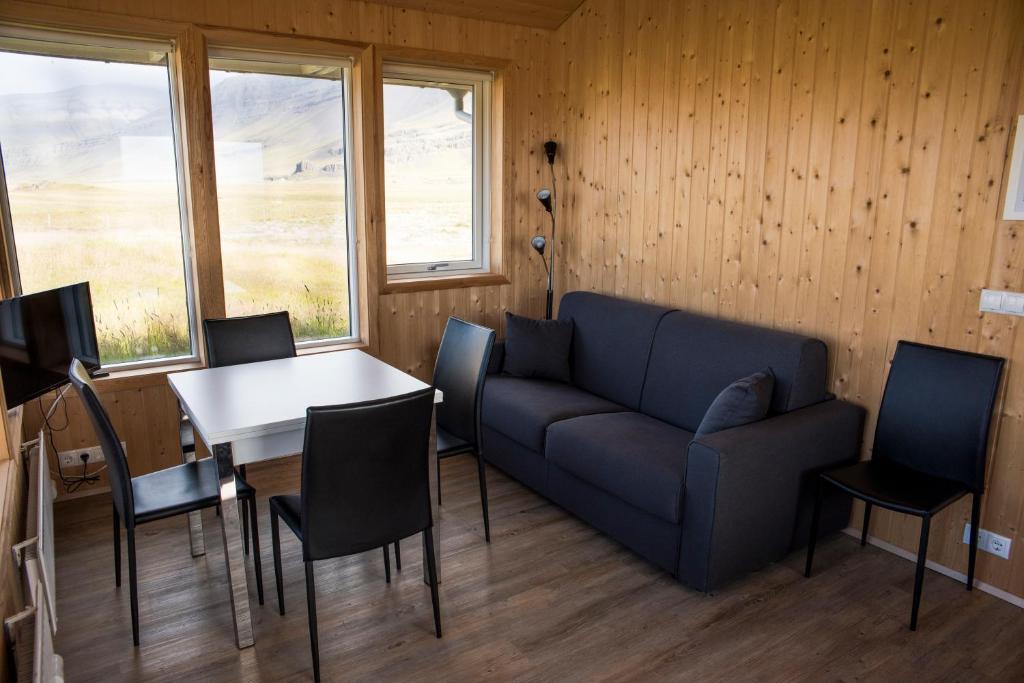
After a smooth landing & refreshing soak in the legendary Blue Lagoon hot spring spa, we headed to our comfortable apartment near Selfoss - where disaster struck. Well, not disaster perhaps, but a menacing storm that threw a wrench into our plans to explore the famed Golden Circle. After a cozy day in at the apartment, the storm eventually made way for some gorgeous weather to take in Thingvellir National Park, the mighty Geysir & other sights in and around Selfoss. 

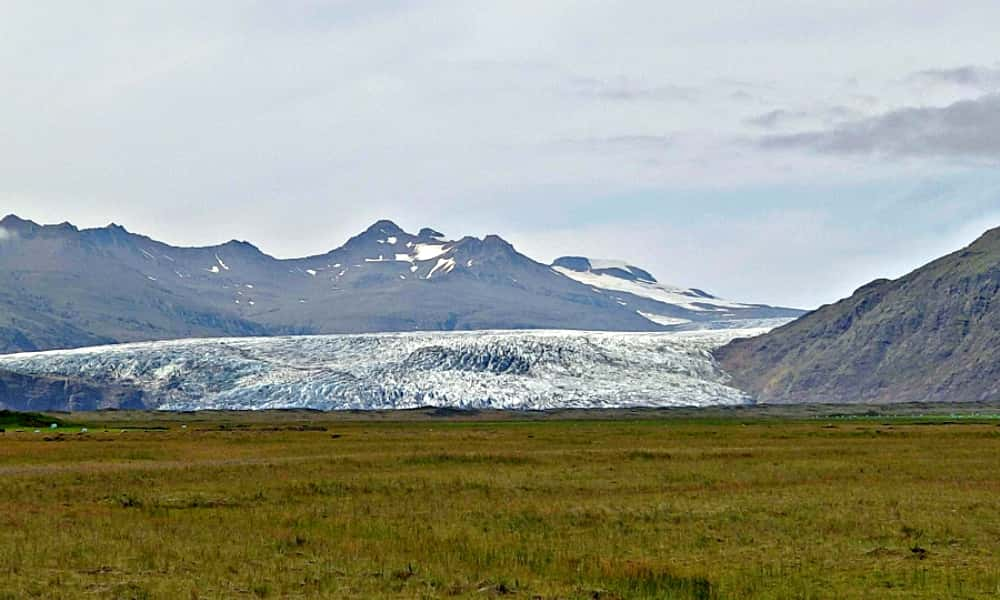
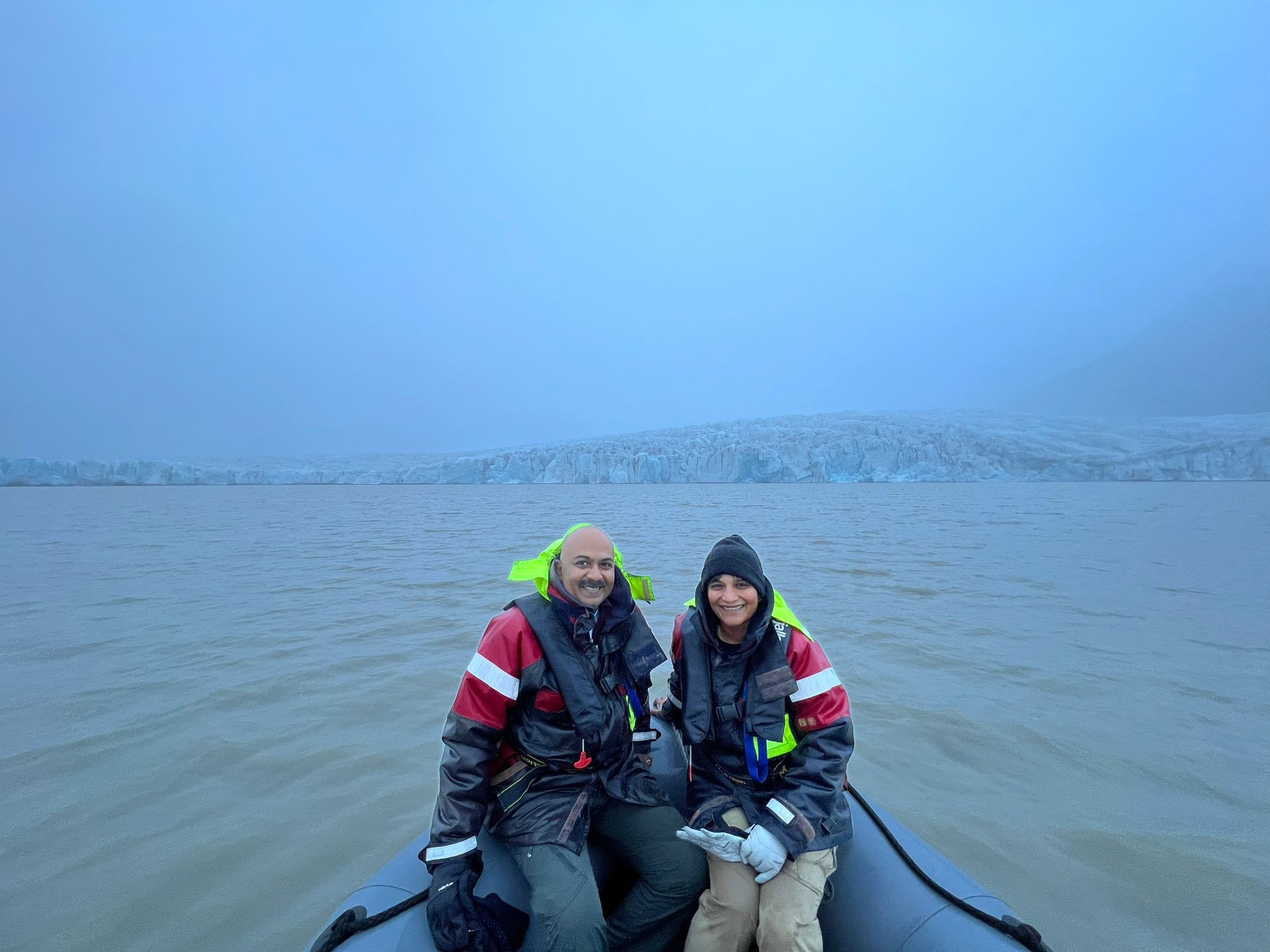
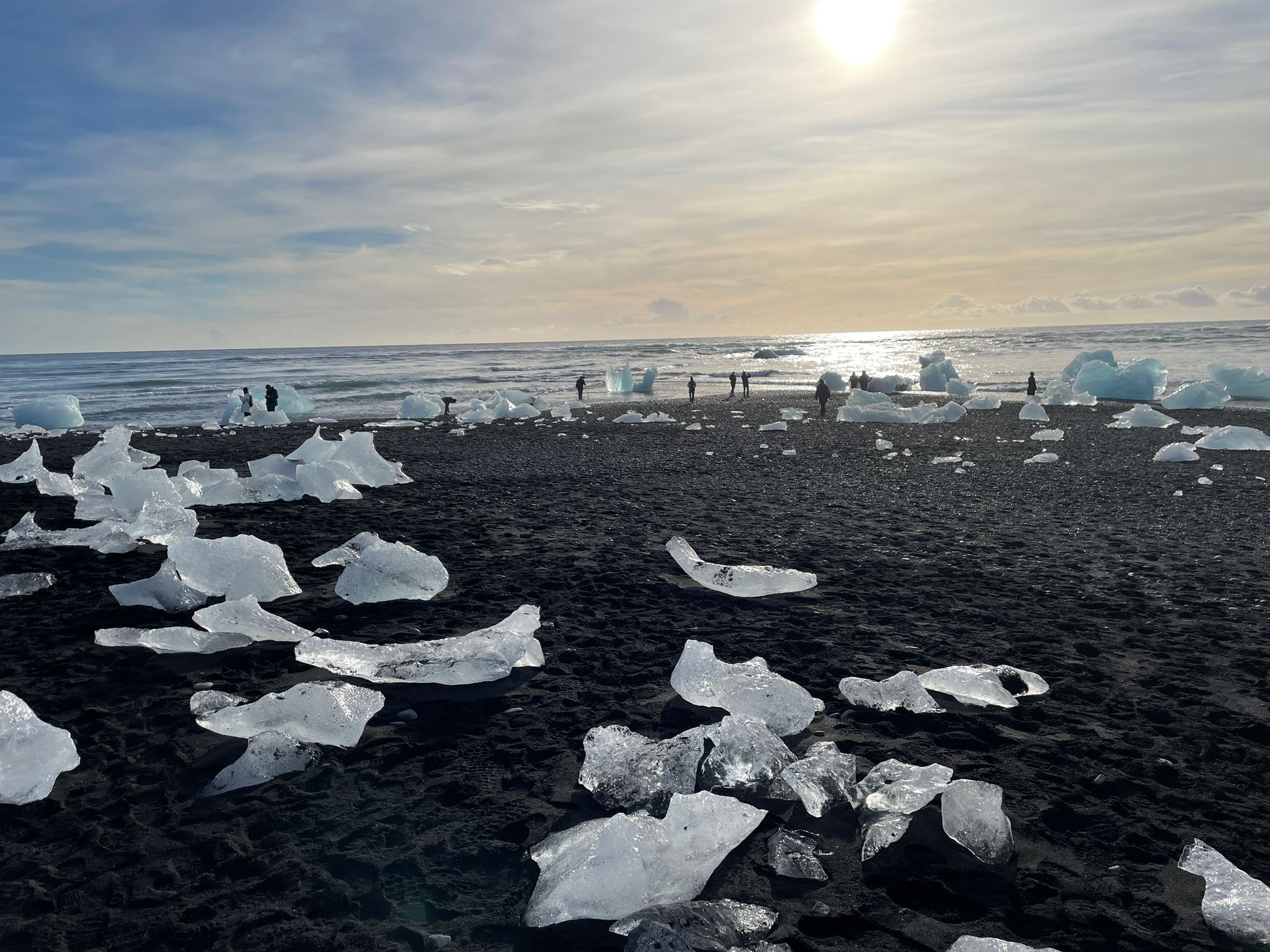
Next up was a Super Jeep tour to see the famed Northern Lights but alas, disappointment was in store: skies were cloudy so the lights turned out to be elusive, and we returned home disappointed. There’s a lot more to see in Iceland however, & we made our way to the East & eventually the North - getting in our fill of gorgeous waterfalls, bright blue icebergs floating in a lagoon & glittering chunks of ice scattered like diamonds on a black beach. 

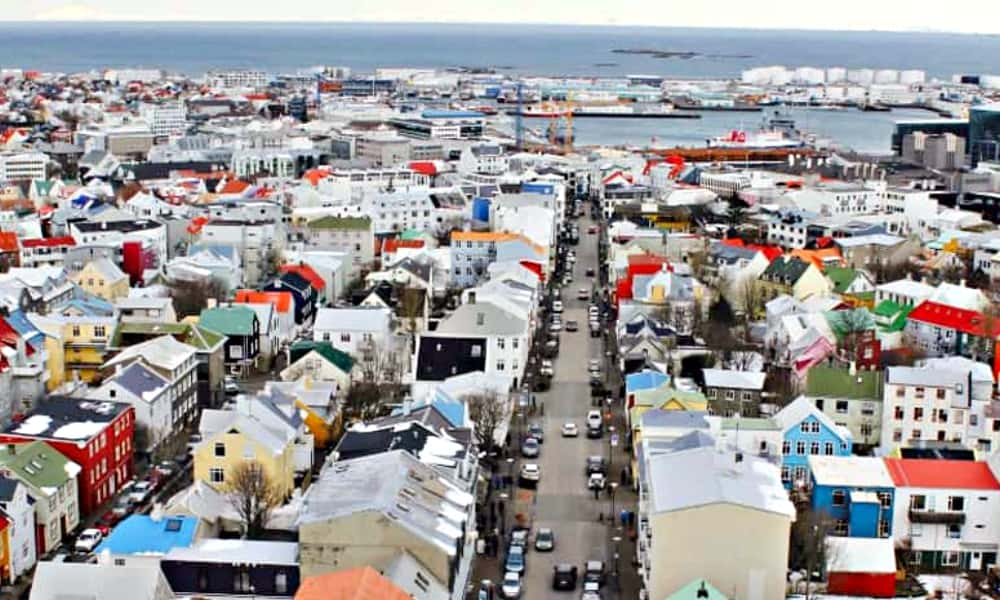
We didn’t give up on the Aurora Borealis dream however, and as luck (and good local connections!) would have it, the Catterfly team was able to arrange at late notice a second Northern Lights tour starting from Akureyri that proved more fruitful. The dancing lights captivated our hearts and minds, and added more magic to the already sparkling landscape of Iceland. Our journey continued through Myvatn, the Snaefellesnes Peninsula and finally, back to Reykjavik.

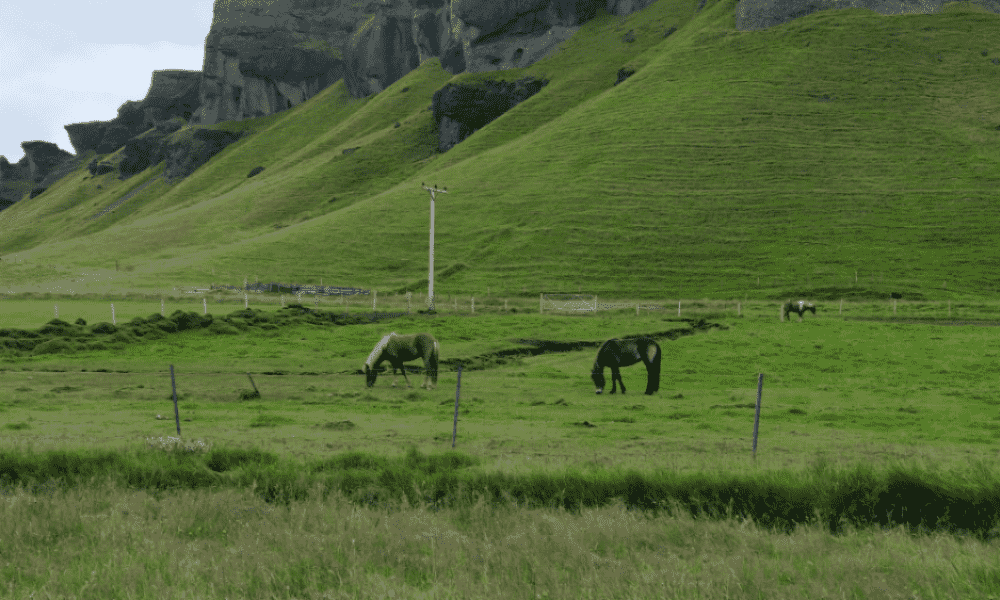
Eight days around Iceland gave our adventure-loving selves plenty of time to explore the geothermal wonders of the country, the pristine otherworldly landscapes, the colourful little villages in the middle of nowhere & of course, the elusive and magical Northern Lights. 

FAQ & Expert Tips

Why drive Iceland clockwise?

Driving Iceland clockwise allows you to avoid the morning rush of tour buses heading from Reykjavík to the South Coast. By starting in the North and Westfjords, you experience the haunting silence of the remote fjords first, saving world-famous landmarks like Skógafoss and Diamond Beach for the final days. This creates a more rewarding "travel climax" and ensures you visit the busiest spots when you are already acclimated to Iceland's driving conditions.

Do I need a 4x4 for the clockwise Ring Road?

Yes, especially if you plan to visit the Westfjords or the Arctic Henge. While the main Ring Road is paved, the "road less rotated" involves gravel paths and steep fjord inclines.

Are the Westfjords accessible in winter?

Generally no. We recommend this clockwise route specifically for the months of May through September, as many mountain passes in the Westfjords become impassable due to heavy snow from October to April.

Is the Westfjords worth adding to an Iceland itinerary?

Yes, the Westfjords is essential for travelers seeking a "Road Less Traveled" experience. It contains some of Iceland’s most dramatic landscapes, including the Látrabjarg bird cliffs and Dynjandi waterfall. Adding the Westfjords requires an extra 2–3 days but rewards you with total silence, private hot springs, and a high probability of spotting Arctic foxes.

How do you cross the Arctic Circle in Iceland?

The only way to officially cross the Arctic Circle in Iceland is by visiting Grimsey Island. Located 40 km (25 miles) off the north coast, you can reach it via a 3-hour ferry from Dalvík or a short flight from Akureyri. Once there, you can walk to the "Orbis et Globus" (the giant stone ball) that marks the 66°N latitude line.
  • 0
  • 0

Cart

  • {{ item.documentId.name }}