When we founded Catterfly, our mission has always been to experience the "soul" of a destination—not just its postcard highlights, which, of course, are covered in our recommended itinerary. During our several travels to Iceland, we pushed past iconic attractions on the South Coast and headed into the rugged silence of the Westfjords and the far North.
What we discovered were places where Norse mythology feels like living history and the wind tells stories of sorcerers and giants. Here is our personal "Catterfly Founders' Choice" of Iceland’s true hidden gems.
While Iceland’s famous Ring Road attracts most visitors, some of the country’s most fascinating destinations lie far beyond the main route. From the dramatic cliffs of the Westfjords to mystical monuments in the Arctic north, these hidden gems in Iceland reveal a quieter, wilder side of the island.
Top Hidden Gems in Iceland Beyond the Ring Road
- Snæfellsnes Peninsula
- Westfjords & Látrabjarg Puffin Cliffs
- Museum of Icelandic Sorcery and Witchcraft (Hólmavík)
- Arctic Henge (Raufarhöfn)
- Djúpivogur’s Eggin í Gleðivík
- Skógar Museum
The Land of Myths and Monsters
Our journey began on the Snæfellsnes Peninsula. While most stop for a quick photo of the famous church mountain - Kirkjufell, we spent our morning in Arnastapi at the feet of the Bárður Snæfellsás statue. Standing beneath this giant stone protector, we recounted the saga of the half-troll, half-man who became the "guardian spirit" of the peninsula. It sets a mystical tone that you just don't get in the city.
Crossing into the Wild Westfjords
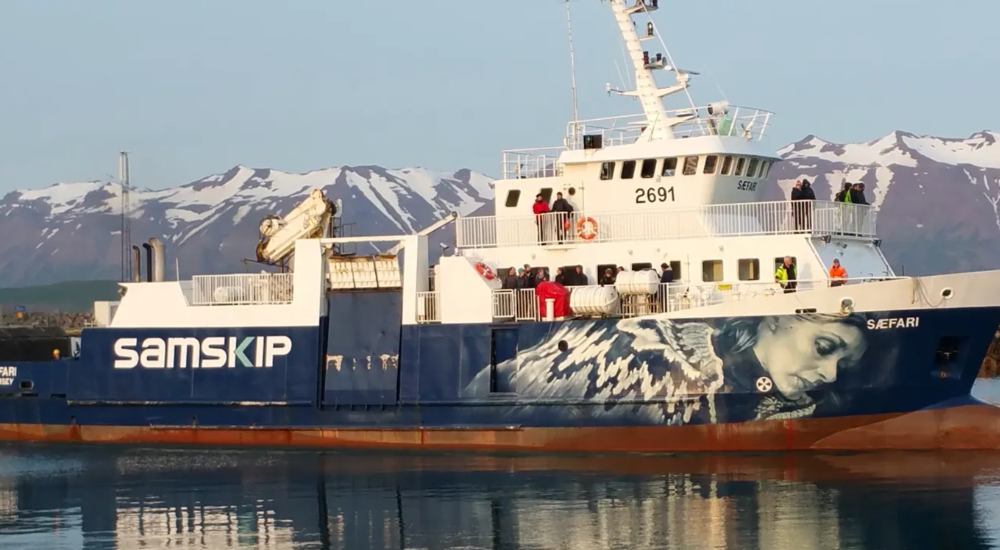
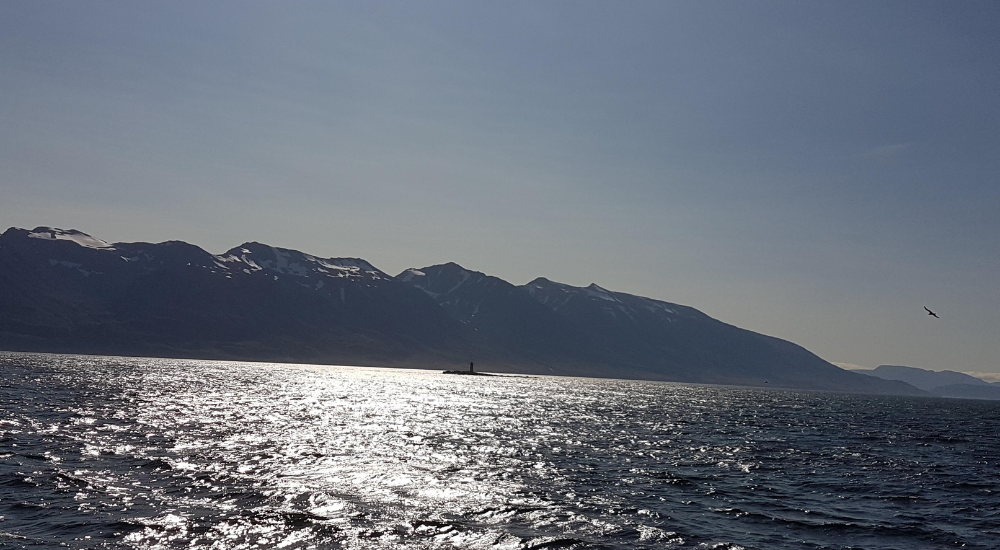
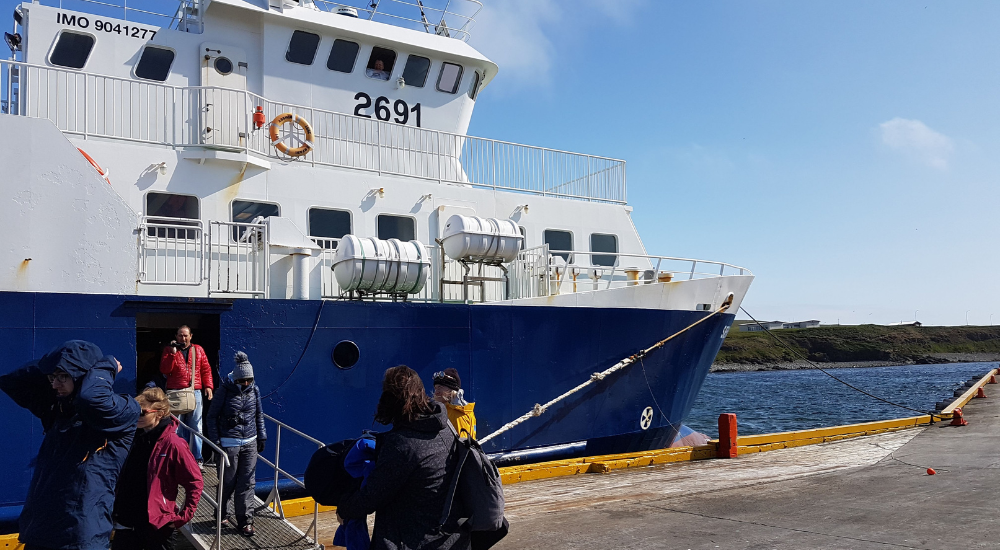
To truly disconnect, we took the Brjánslækur ferry from Stykkishólmur. Crossing the Breiðafjörður bay isn't just a transport link; it’s a transition into another world. As the mainland faded, the jagged, ancient silhouette of the Westfjords rose to meet us.
Once we landed, we headed straight for the "edge of the world": Látrabjarg and after settling in our outhouse, we hiked the rugged clifftops at midnight. In the eerie glow of the midnight sun, thousands of Puffins were completely unfazed by our presence. It was a silent, surreal encounter between the Atlantic and us.
Shadows of the Past: Sorcery and Steel
In the Westfjords, history takes a dark, fascinating turn. In Patreksfjörður, we stumbled upon a haunting graveyard of abandoned ships and old aircraft, a stark reminder of the region’s battle with the sea.
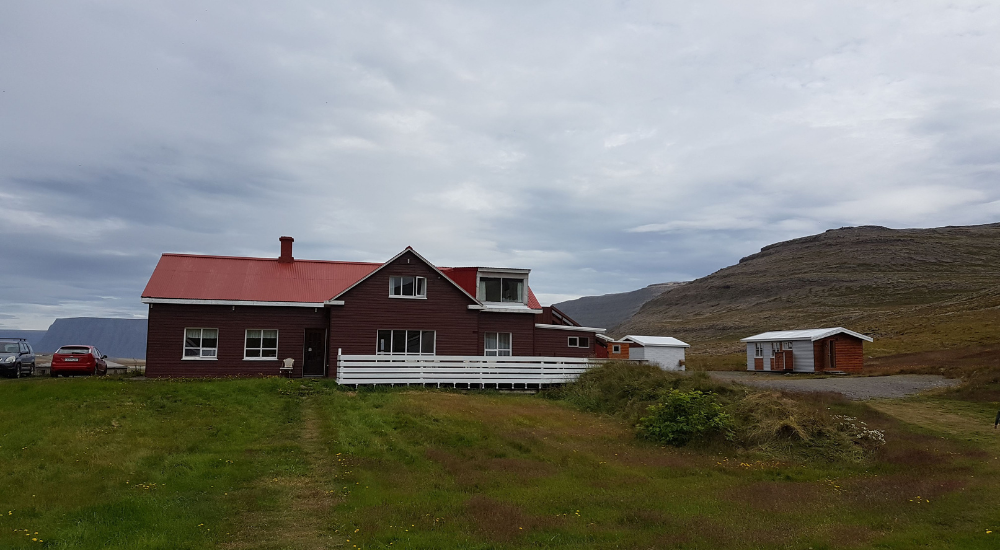
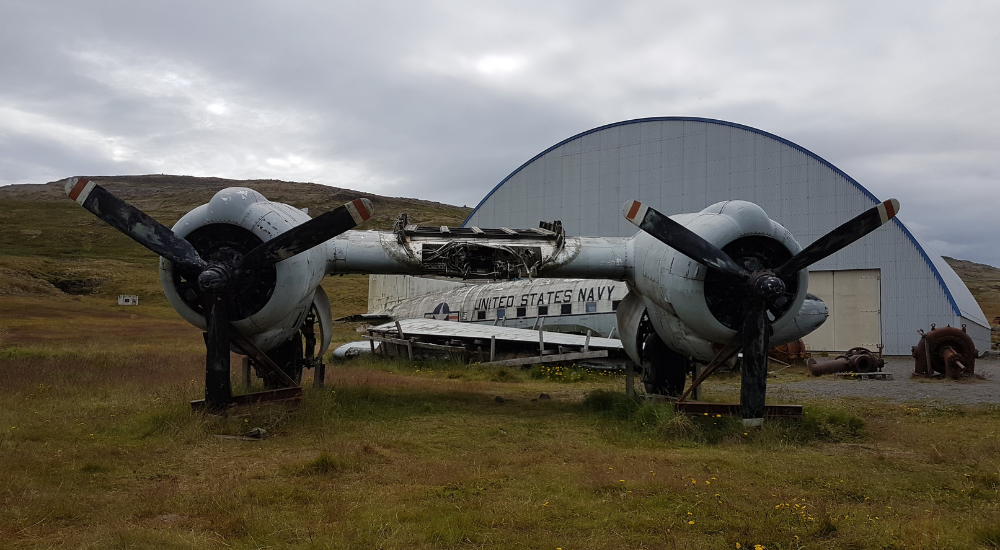
But the most chillingly beautiful stop was Hólmavík as we visited The Sorcerer's Cottage: We stepped into the Museum of Icelandic Sorcery and Witchcraft. This isn't Hollywood magic; it's a deep dive into 17th-century folklore, "necropants," and the raw survival instincts of the Icelandic people. Seeing the turf-roofed cottage where "magic" was practiced gave us goosebumps.
The Raw Interior: The Magic of the Arctic
We pushed further North than 99% of travellers ever go.
- Grimsey Island: Reaching this Highland giant requires a 4WD and a sense of adventure. Standing on the rim of the Víti crater, looking at the milky blue water surrounded by a lunar landscape, you realize why NASA trained astronauts here.
- The Arctic Henge: In Raufarhöfn, we stood before the Arctic Henge. This modern monument to Norse paganism looks like something from an ancient civilization, perfectly aligned with the horizon to capture the sun's path.
Remote Regions Featured in This Guide
- Snæfellsnes Peninsula: A miniature version of Iceland with volcanoes, cliffs, and folklore.
- Westfjords: Iceland’s most remote region, known for dramatic fjords and wildlife.
- North Iceland: Arctic landscapes and mythological landmarks.
- East Iceland: Quiet fishing villages and cultural stops.
Why Explore Beyond Iceland’s Ring Road?
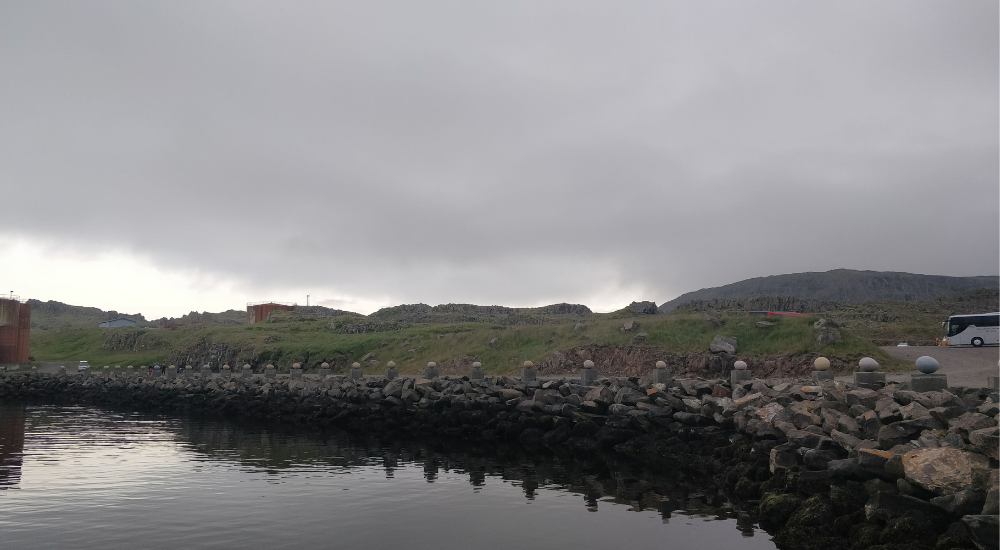
The Ring Road in Iceland is where most travellers spend their time, but we took some detours that were well worth the time with small, tactile moments to understand the cultures and history of remote parts of Iceland. In Djúpivogur, we admired the Eggin í Gleðivík—34 oversized stone eggs representing local migratory birds. It’s a quiet, beautiful tribute to nature that most people drive right past.
And, before heading back to the capital, we stepped back in time at the Skógar Museum that stands right beside the iconic waterfalls where the tourists flock to walk behind the waterfall. Walking through the turf houses, feeling the low ceilings and smelling the ancient wood, we felt the true resilience of the people who built this nation.
As we went off roads, it was hard to miss that Iceland is so much more than a waterfall and volcanic photo-ops; it is a land of legends waiting to be heard. It’s in the silence of a midnight hike at Látrabjarg and the crackle of history inside a turf house that you truly find the heartbeat of this island. These "hidden" corners don't just offer better photos—they offer a deeper connection to a landscape that feels ancient, powerful, and profoundly alive.
At Catterfly, we believe that travel should change you, and nothing reshapes your perspective quite like the rugged beauty of the Westfjords or the mystical shadows of a sorcerer’s cottage. We don't just want to show you Iceland; we want to help you feel it.