Marseille Unfiltered: A Local’s Guide to the Authentic Soul of the Mediterranean

Blog

Marseille Unfiltered: A Local’s Guide to authentic soul of Marseille

Written by May 20, 2026
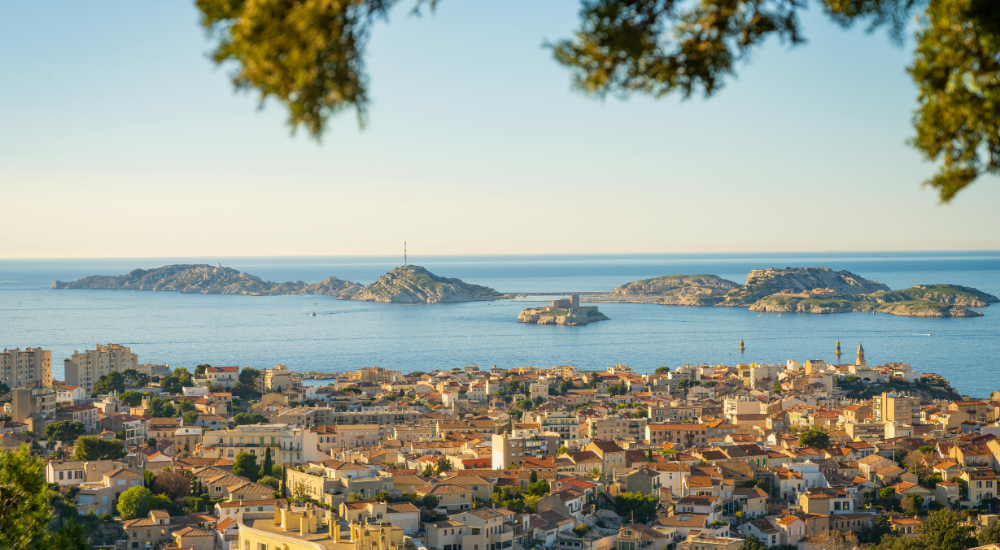
When people think of the French Riviera, their minds often drift to the glitz of Cannes or the yachts of St. Tropez. But for us at Catterfly, the real heartbeat of the Mediterranean resides in Marseille.

Few years ago, we took the kids to explore this gritty, gorgeous, and utterly authentic port city. What they found wasn’t just a tourist stop, but a profound cultural melting pot where history isn't just in books it’s parked on the street and etched into the skyline.


A City of Bold Architecture and World Class Museums

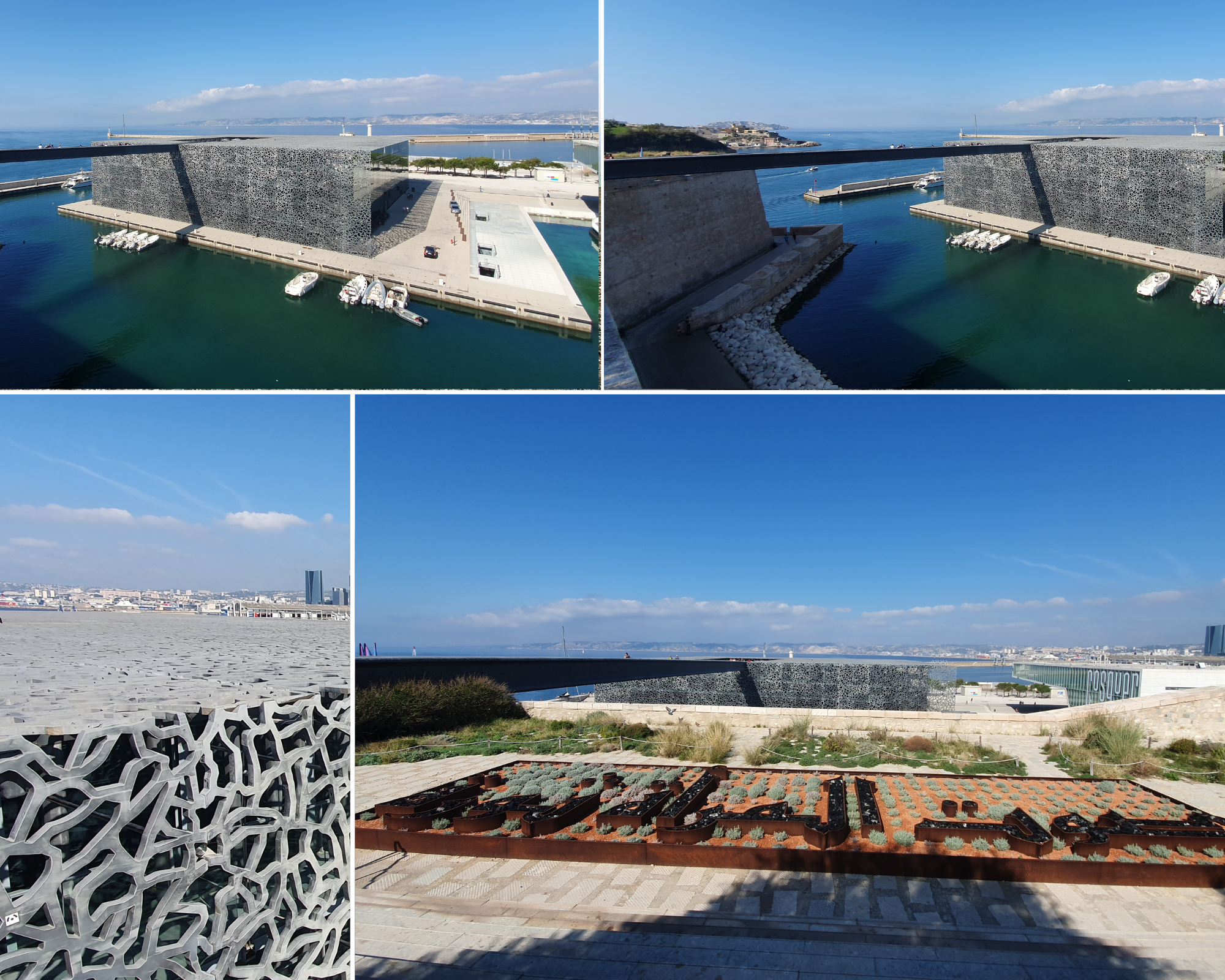
Marseille has undergone a stunning transformation into a capital of culture. The showstopper is undoubtedly the MuCEM (Museum of European and Mediterranean Civilisations).

The building itself is a masterpiece a floating cube wrapped in a delicate, lace-like concrete veil. Walking across the high footbridge that connects the ultra modern MuCEM to the historic Fort Saint-Jean feels like bridging the gap between Marseille’s ancient past and its bold future. It’s a photographer’s dream and a playground for the imagination.


The Poignant History of Migration

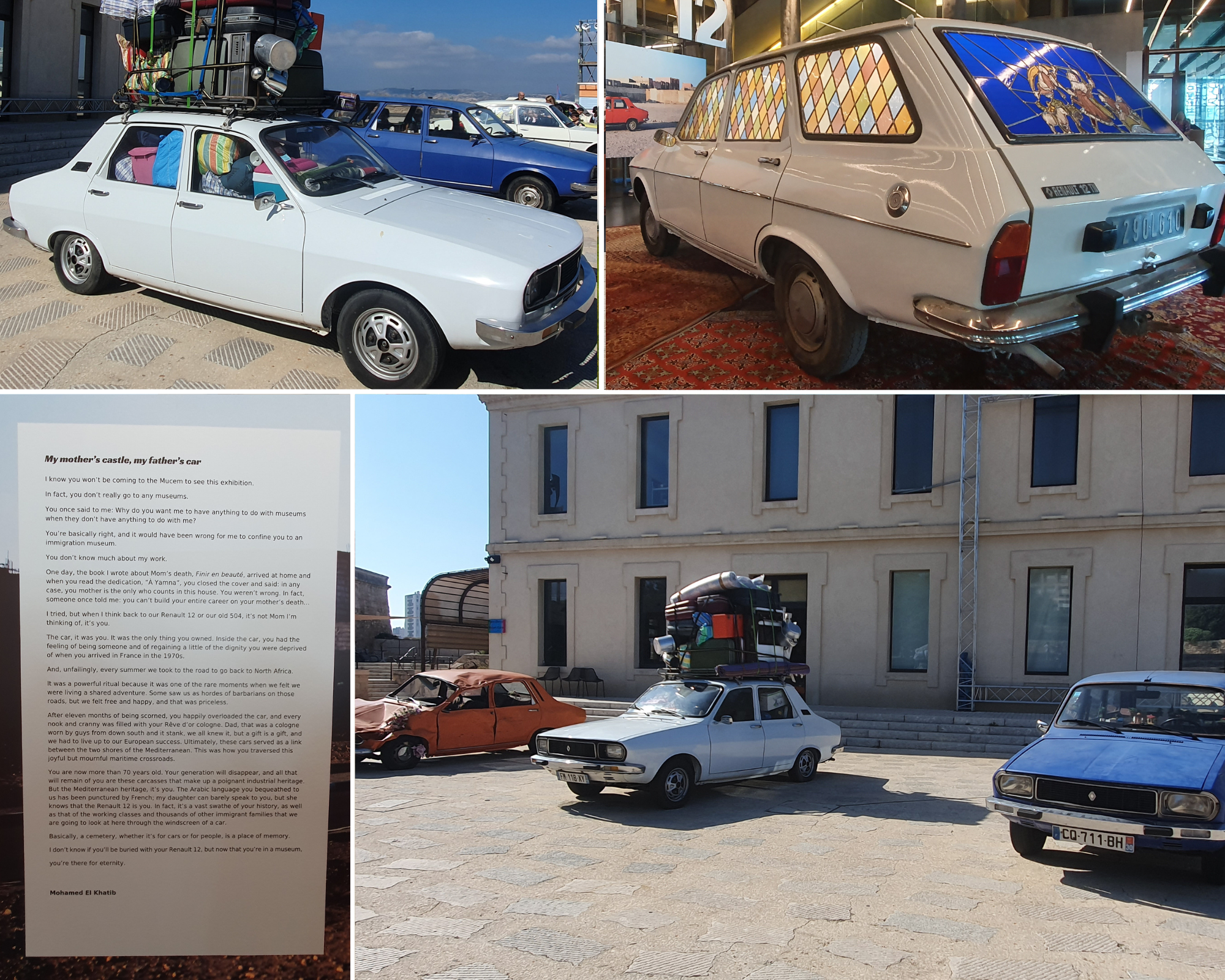
You cannot understand Marseille without acknowledging its role as a gateway. One of the most moving parts of the trip was encountering the exhibition by Mohamed El Khatib.

Seeing the classic Renault 12s and Peugeot 504s parked in the square, overloaded with luggage, was a powerful visual of the "holiday migrations" to North Africa. The plaque titled "My mother’s castle, my father’s car" reminds us that for many families in the 1970s, these cars were more than transport they were symbols of dignity and the link between two shores. It’s a poignant reminder of the North African influence that gives Marseille its unique flavor and "melting pot" energy.


Walking Through History: From the Port to the Cathedral

The best way to see Marseille is on foot. We spent hours wandering the docks and the historic Panier district.

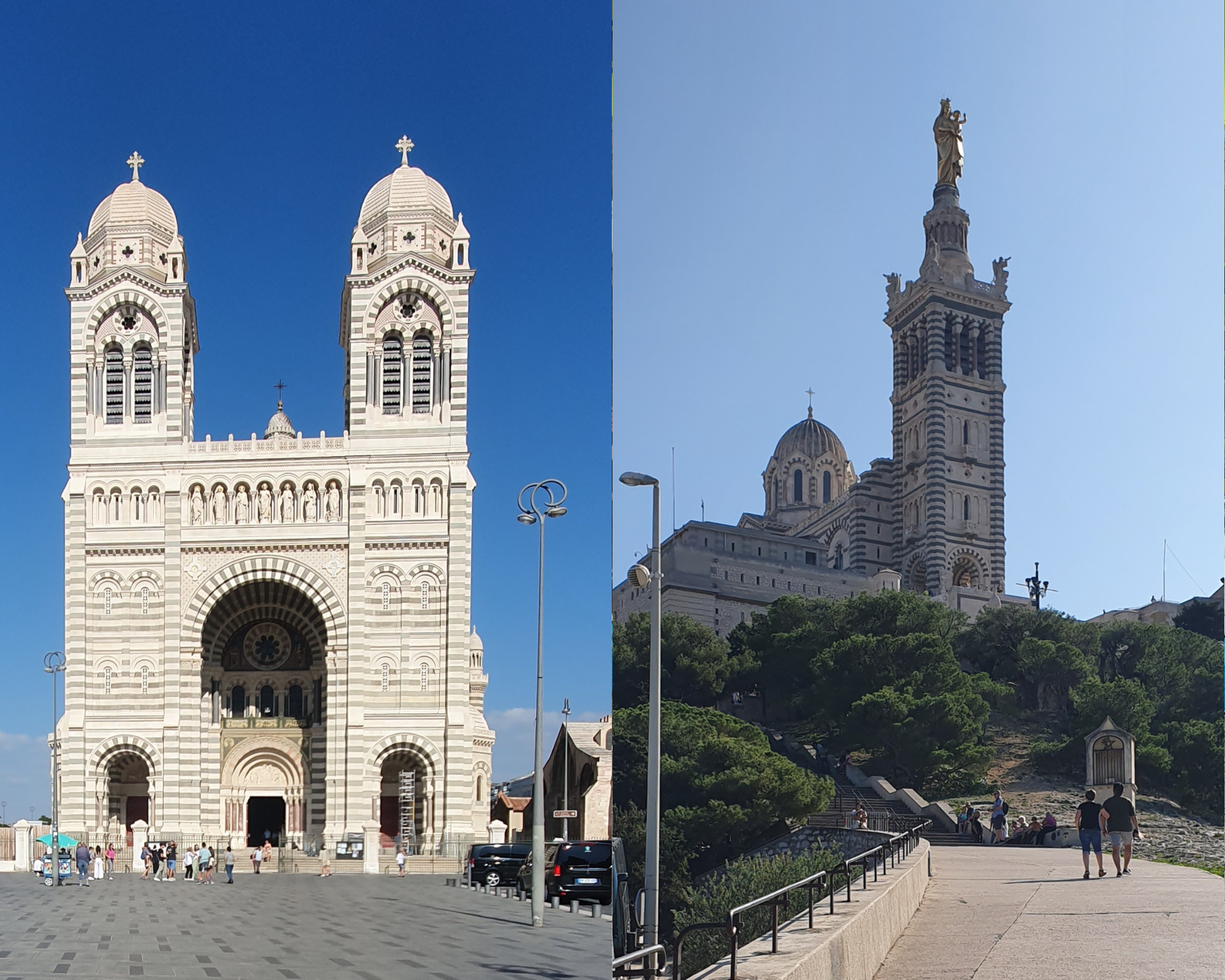
  • Cathédrale de la Major: This striped, Byzantine-Romanesque giant sits right by the water. Its scale is breathtaking, and the reflection of the city’s light against its stone is something you have to see in person.
     
  • The Hilltop Icon: No trip is complete without looking up to Notre-Dame de la Garde. Known locally as La Bonne Mère (The Good Mother), this hilltop church watches over the sailors and the citizens. The climb or the tourist train ride rewards you with a 360 degree view of the turquoise Mediterranean and the sprawling city below.


Fun for the Little Explorers

Marseille might be historic, but it’s far from stuffy. The kids had a blast navigating the wide open plazas and discovering quirky urban art.

  • The Giant Orange Bear: A massive hit with the kids. Finding large scale sculptures like this makes the city feel like a giant, open air gallery.
     
  • Harbor Life: Watching the ferries and yachts buzz in and out of the harbor kept everyone entertained during our "pit stops" for gelato and sun soaking.
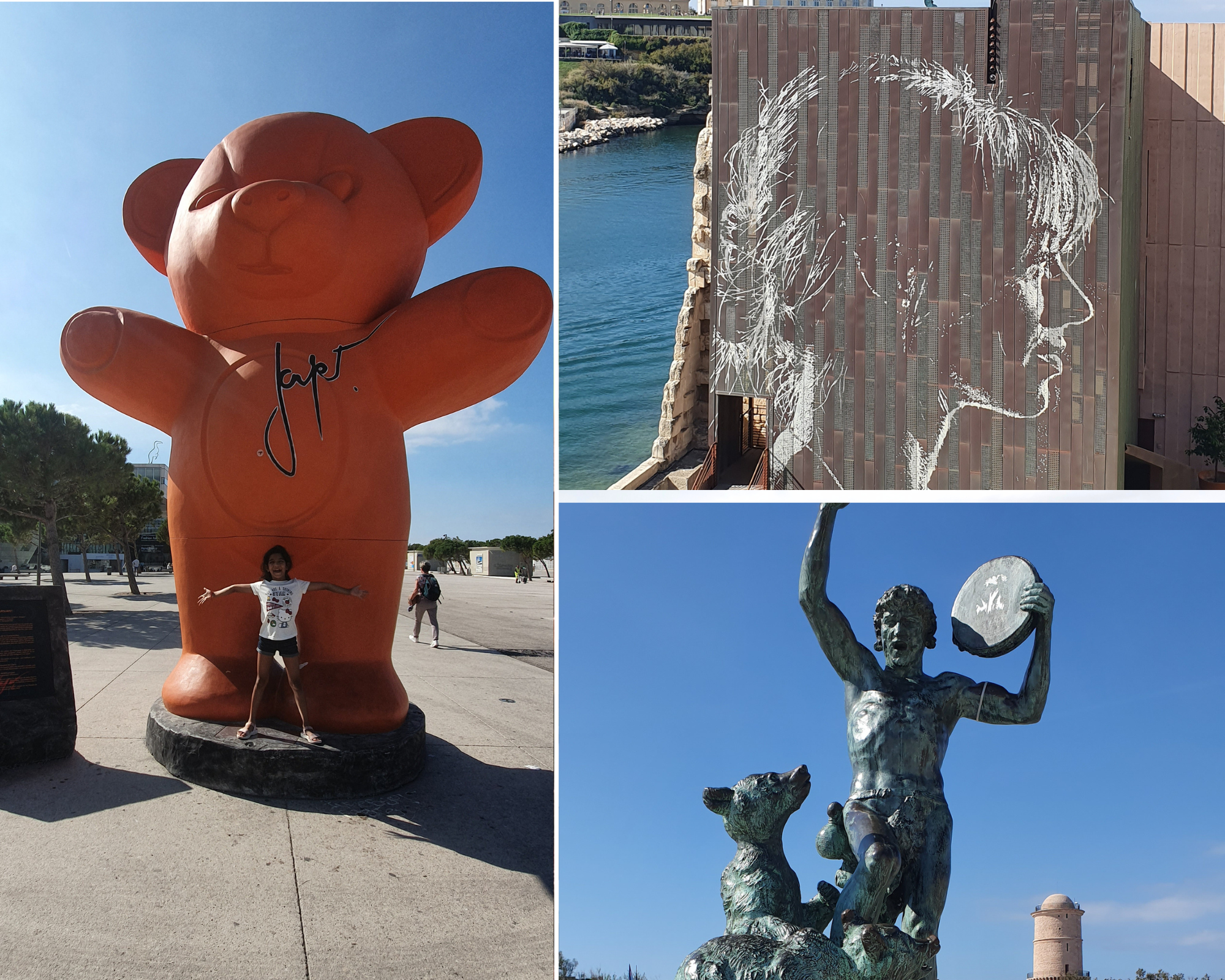
 

While wandering through the streets and driving through some narrow lanes we got talking that "Marseille doesn't try to hide its scars or its history. It wears them proudly, and that’s what makes the art here feel so alive." And, came a loud shout from the back of the car “Nope, it is a sensory overload with the mix of the salty sea air with the smell of spices and the sight of modern architecture against ancient forts."

Either way, Marseille is a city that demands you look closer, feel deeper, and walk a little further. Whether you're there for the high brow museums or the simple joy of a harbor side stroll, it’s a place that stays with you long after you’ve left its shores.

Ready to weave your own Marseille story? Let’s get planning!

What part of Marseille's mix of history and modern art interests you the most?
FAQ & Expert Tips

What are the best places to visit in France?

Most people picture Paris when they think of France. It certainly is a beautiful city filled with neoclassical architecture with some of the country’s most recognizable monuments and museums - perhaps one visit to the city isn't enough and you will likely want to come back here again. In any case, there is a lot more to see around the country than just Paris. There are lot of good day trips options around Paris as well e.g. Versailles, Reims Chamgne region etc.  

South of France - the French Riviera (also known as Cote d’ Azur) is the place to mingle with rich and famous with the glamour of St. Tropez, Monaco or the Cannes Film Festival. However, there are many other relatively lesser known destinations, such as the perched villages of Eze and Saint-Paul de Vence, and the perfumeries of Grasse to name a few. It enjoys a wonderfully mild to warm climate almost the entire year and that adds to the charm of visiting this region in any time of the year and you can top up your travel plan with a visit to neighboring Italian riviera or the Provence region.  

The Bordeaux Region - Clearly, Bordeaux wines dont need an introduction. And, its not just about the Bordeaux city with the charm of its old town, but also the famous wine making sub-regions around the city. St. Emillion is one of the most beautiful villages that you would want to walk around for its medieval village, underground church, and the wine tasting in the vineyards that surround the village. And, keep at least a day to Explore the Medoc wine route with some of the most famous chateau and the castles. IF you more time, then dont give a miss to coastal region around Bordeaux with a golden beachline and relaxing views of the Atlantic.  

Normandy - Try the D-Day landing beaches in Normandy and dont forget to visit island of Mont Saint-Michel, located off France’s northwestern coast. The tidal island is one of the most popular places to visit in France for its construction of medieval structures built as if stacked upon one another and crowned with the star attraction, the Abbey of Mont Saint-Michel. 

Loire Valley - A popular tourist destination in the center of France, regarded for its spectacular scenery, splendid chateaux, picturesque vineyards and historic villages. It stretches along the Loire River, twisting and turning through some of France’s most beautiful villages and charming chateaux. It can perhaps be visited on a day trip from Paris if one is driving around and planning to visit only 1-2 Chateau, although it certainly recommended to stay over in the region and soak in the countryside.  

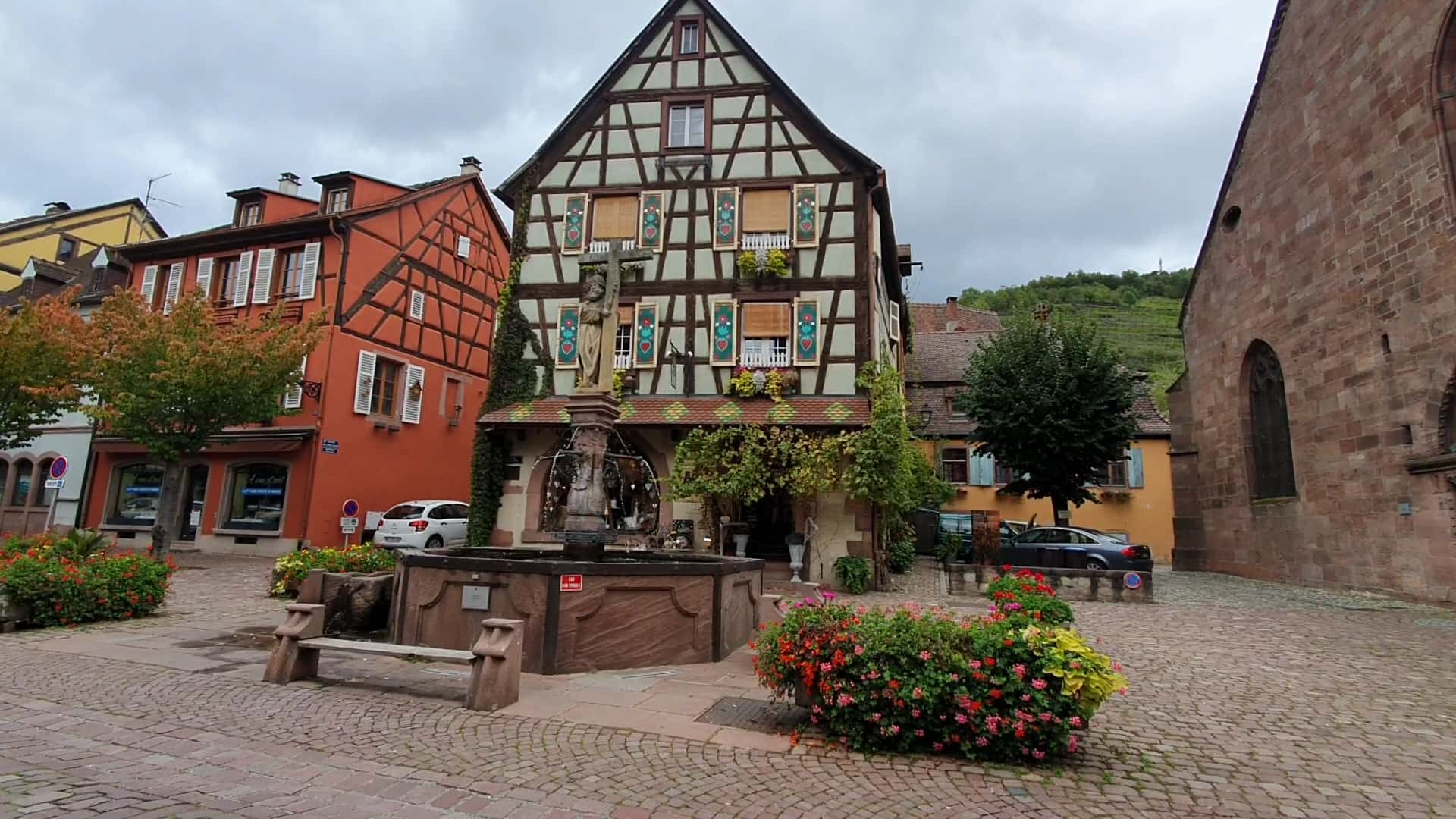
Alsace region in North-East France is home to some of the most charming villages around the wine route, and medieval towns of Colmar and Strasbourg (also the seat of EU parliament). It is best place to enjoy some of the white wines as you walk or bike thru the vineyards, visit villages like Eguisheim and take a day trip to neighboring part of Switzerland and Black forest region in Germany.  

Then, of course there are the French Alps, with Europe’s highest peak Mont Blanc to visit. It's recommended to have a base around Chamonix - the birthplace of mountaineering as it perfectly complements the mountain peaks that encircle the valley. It's the perfect place for the skiing trip during winters or hike in summers to some of the most pristine views of the glaciers if one follows the track route of Tour du Mont Blanc. 

If you would like to true French island experiences, then Corsica is perhaps the best possible choice with stunning beaches, vertical white cliffs falling into the water by the side of medieval town at Bonifacio and its worthwhile to drive thru the Calanques de Piana from Ajaccio, which is also famous for being the birtherplace of Napoleon.  

How many days are needed to visit France?

For a holiday in France that covers multiple regions along with Paris, most travelers should plan on spending around 10 days. This gives you enough time to explore a few different regions and you can choose from Bordeaux, Normandy, Loire valley, French Riviera or the Alsace region.  

The optimal time for Paris (a must have for the first timers) itself depends a lot on your personal interest, but most find three days is enough for covering the highlights of Paris along with Versailles. But, if you would like to visit Disneyland and are into museums or shopping, then you'll need around 4-5 days.  


With less time and especially for first timers, a well-rounded trip including Paris and one of the regions is still possible in a week-long trip. However, with some stretch you might be able to visit two regions along with Paris - especially if you're willing to forego time in Paris to see more of the country. And of course, if you really want to understand why France is one of the most visited country in the world - then keep two weeks or more and you will have no shortage of things to see and do.

What is the weather in France like?

France generally enjoys cool winters and mild summers except along the south of France on the French Riviera - where mild winters and hot summers are the norm. July and August are the warmest months. Daily average maximum temperatures range from 6°C in January to 26°C in August. The wettest month on average is October, when heavy rains are possible. For the most warmth and sunshine go to the south of the country as even in the deep, dark throes of winter, there's sunshine on the French Riviera! 

What is the best time to visit France?

High Season in France for tourist is mid-June through August and mid-December through early January - basically summer and the time around Winter break / Christmas. Besides this, the period around the local holidays in Europe is generally a busy season in France, like most European countries.  

However, the best time to visit really depends on the choice of places and of course the nature of experiences you prefer. In general, sprind time (April-May) and autumn (September-October) is a great time to be in southern part of France - especially around French Riviera and the Bordeaux region unless you really like to tan yourself in the beachside during summer months. Christmas is a wonderful time to visit Alsace region as some of the best Christmas markets in Europe are at Colmar and Strasbourg. As always, a city like Paris is always a good idea irrespective of the time of the year.  

How to plan a trip to France?

For a country offering as varied experiences like France does, it is certainly not easy to choose the destinations - especially for first timers and / or with limited time. Paris is an easy pick for first timers, closely followed by south of France if you are planning a weeklong break. However, it also depends on your overall itinerary if you are planning to visit the other countries in Europe. Paris and Alsace region works seamlessly from a logistic perspective if you are visiting Switzerland considering its practically EnRoute. Likewise, if you are planning to visit Spain, then Bordeaux and Loire valley is a good choice as well.  

It is always a great idea to consult locals while planning your trip as they can help you choose the right experience and feel free to take advise from Catterfly destination experts to customize your trip to France.  

How to travel to France?

For international flights Paris is the most important airport to consider as rest of the airports typically have flight connections from European hubs only. Bordeaux and Nice are very well connected with European hubs and if you are planning to visit the French valley region around Chamonix then Lyon is perhaps the best airport. As such many parts of France on the eastern side are also well served by Geneva and Basel airport in Switzerland considering both the cities are very close to the border.  

If you are traveling from within the neighboring countries like Spain, Switzerland, Belgium or even Netherland - then fast inter country trains are the best choice. However, these can be expensive during the peak tourist season and during the business travel hours.

 It is easy to drive around France, like rest of the European countries and is a good option especially if you are coming in from the neighboring countries. However, the distances can be long, and you may want to consider several base locations to ease out the overall traveling time.

Where to stay in France?

It clearly depends on your overall travel itinerary and Paris, Bordeaux and Nice are the obvious base locations for visiting the respective part of the countries. However, in terms of the accommodation choices it varies from budget hostels for solo travelers to luxury and boutique hotels if you would like to indulge in a high-class French experience.  


We recommend trying out a stay in the countryside for an authentic local French experience as well, and one can choose from staying in vineyards to the small villages adjoining the main cities, or even some boutique luxury properties bit removed from the rush of the big towns. However, it is easier to consider staying in these properties if one is driving around as the local transport network in the countryside may not be very frequent to visit all the places in your itinerary.

What is the best way to get around in France? How does public transportation in France work?

It's also important to consider how you will travel internally within France. Most of the big cities are very well connected by fast train network, however for visiting South of France - short haul flights may be a better option instead of long-distance trains.  


Typically one doesn't need to rent a car to drive around within the city as the local and tourism transport network is quite well established in most places, however for traveling around the base locations like Bordeaux, Nice - its recommended to drive around as the public transport network may not be that easy to manage for many travelers who are visiting from outside of Europe.

What are the daily expenses in France? What currency to carry?

start with the easy one - Euro is the accepted currency and usually one doesn't need to indulge in carrying a lot of cash. Most places accept the credit cards / digital payments, but its always a good idea to carry some cash for petty expenses, especially when going off the beaten track.  


Daily expense budget is a difficult one to answer as every traveler has their own unique style and depends on the overall itinerary, choices around accommodation, sightseeing and logistic. It also depends on how many people are traveling together - but for two people traveling together (and sharing the accommodation), an average budget of 125-150 euros per day per person is normal to cover the cost of accommodation, sightseeing and internal transits. It will typically cost around 20-30 euros in meals per person per day unless you plan to splurge in fine dining restaurants.

What are the visa and insurance requirements for France?

All EU / EEA nationals will only need to present an identification document to enter France, due to the common travel area of the Schengen Zone. However, if you are a non-EU/EEA traveler wishing to visit France- you will need to present A valid passport or travel document with required validity (at least three more months beyond their planned date of Exit from Schengen, and issued within the last 10 years) and a valid Schengen visa along with required medical insurance cover. Certain passport holders (e.g. British) are exempt from the criteria of passport validity and issuance date.

At the port of entry - a French border police / officer may ask you a few questions related to your trip to France and holds the final decision if you shall be permitted to enter France or not. Please make sure that the French border officer stamps your passport when you enter Italy.

The above information is for guidance purpose only and you should consult the official Visa website of France / or nearest consular office in your country. https://france-visas.gouv.fr/en_US/web/france-visas/  
  • 0
  • 0

Cart

  • {{ item.documentId.name }}