Northern Japan, specifically the island of Hokkaido, is home to vast national parks, wide-open roads, and a climate that transforms the landscape with every season. If you are looking for a mix of outdoor adventure and the freshest food in the country, this is your destination.
Hokkaido’s Seasonal Magic: From Snow to Lavender
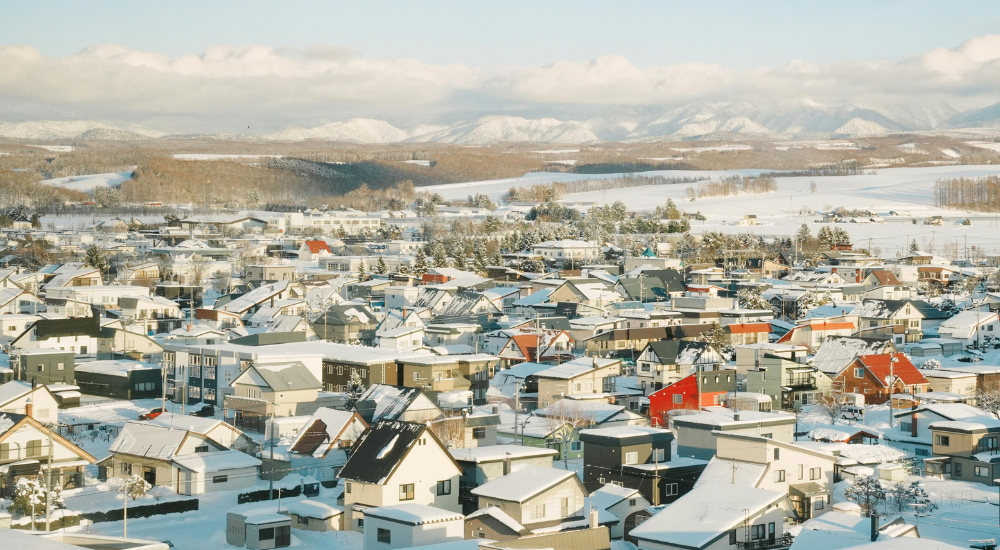
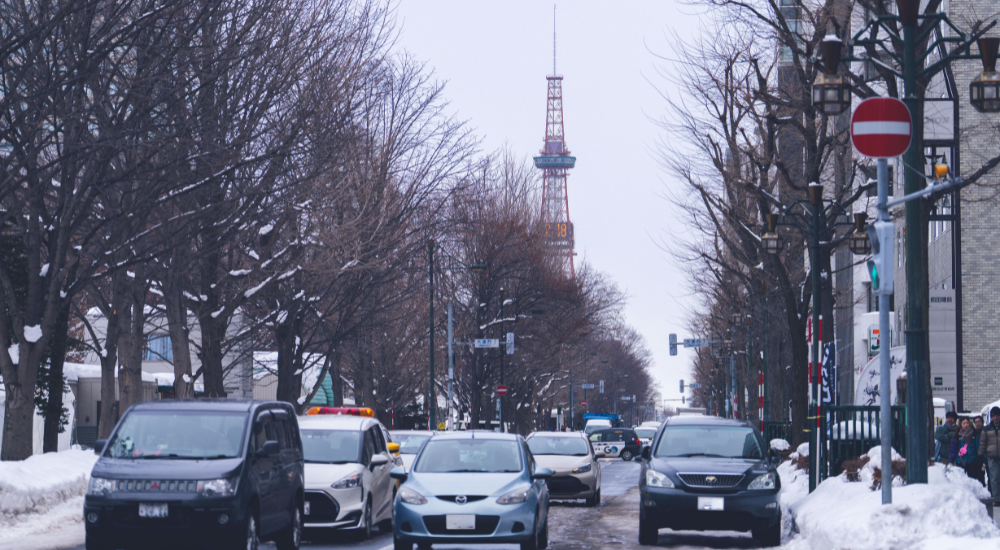
Hokkaido is a land of extremes, and it is beautiful no matter when you visit. In the winter months, the region turns into a frozen wonderland. The capital city, Sapporo, becomes world-famous during the Snow Festival. Huge ice sculptures, some as tall as buildings, are carved by artists from around the globe, turning the city streets into an outdoor gallery.
For those who love winter sports, Niseko is a mandatory stop. It is widely considered to have the best "powder snow" on the planet. The dry, light snow falls in massive amounts, attracting skiers and snowboarders who want to experience the world's finest mountain runs.
Once the snow melts, the landscape undergoes a dramatic change. By July, the town of Furano is covered in purple seas of lavender. The rolling hills are painted in bright colours, making it one of the most photographed summer spots in Japan. Further north in Asahikawa, you can visit the famous zoo to see playful penguins and polar bears, which are much more active in the cooler northern climate.
Coastal Gems: Canals and Morning Markets
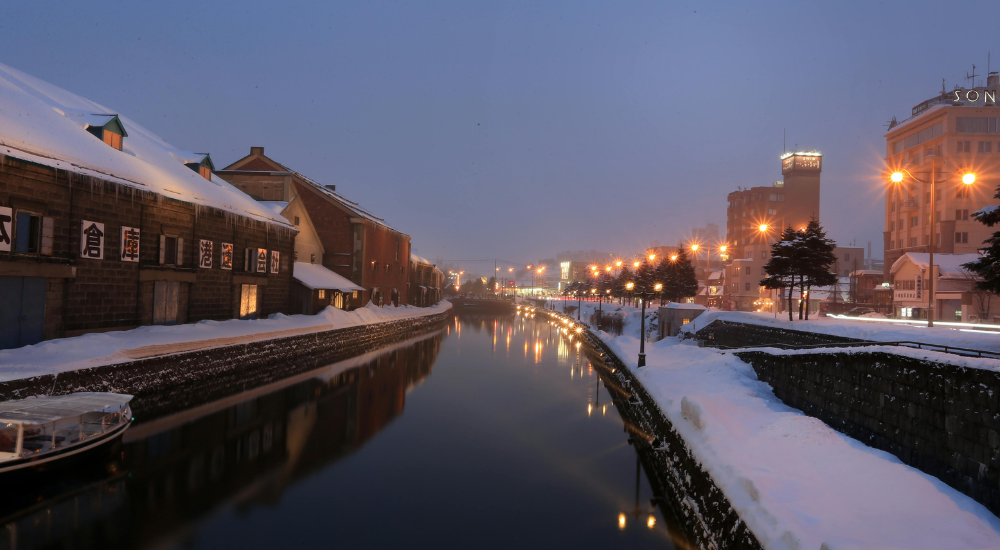
The coastlines of Northern Japan offer a peaceful and nostalgic atmosphere. The port city of Otaru is famous for its preserved canal area. In the evening, the walking paths are lit by traditional gas lanterns, reflecting off the water and creating a very romantic setting. The city is also known for its glassworks and music boxes, which make for perfect local souvenirs.
At the southern tip of Hokkaido lies Hakodate, a city with a rich history of international trade. One of the best things to do here is to take the ropeway up Mount Hakodate at dusk. The night view from the top, where the city glows between two bays, is often called one of the best in the world.
Hakodate is also home to the famous Morning Market. Because the waters of the north are cold and nutrient-rich, the seafood here is world-class. For a truly local experience, you can try "ika kaisen don," a bowl of rice topped with fresh squid caught right in the harbour that morning.
Untamed Wilderness: The Path Less Travelled
For travellers who want to truly escape the crowds, the eastern side of Hokkaido offers a glimpse into Japan’s wild side. In Kushiro, you can visit the expansive marshlands, which are the protected habitat of the rare red-crowned Japanese crane. Seeing these elegant birds dance in the snow or fly over the marshes is a highlight for nature lovers.
If you travel to the far north in the town of Abashiri, you can witness a natural phenomenon found nowhere else in the country: drift ice. During the peak of winter, massive chunks of ice float across the Sea of Okhotsk from Russia. You can take an ice-breaker boat out into the sea to watch the ice crush against the hull or even walk on the frozen surface with a guided tour.
Why Visit the North?
Northern Japan is a place that rewards curiosity. It is less crowded than the central "Golden Route" and offers a sense of space that is hard to find elsewhere in Japan. Whether you are trekking through a national park, soaking in a natural hot spring overlooking the ocean, or eating a bowl of hearty miso ramen in Sapporo, the North provides a deeply authentic and refreshing travel experience.
Logistics: Getting Around
You can take a 4-hour Shinkansen (bullet train) from Tokyo to Hakodate, but a 90-minute flight to Sapporo (New Chitose) is often the fastest way. In Hokkaido, renting a car is highly recommended for exploring the national parks.