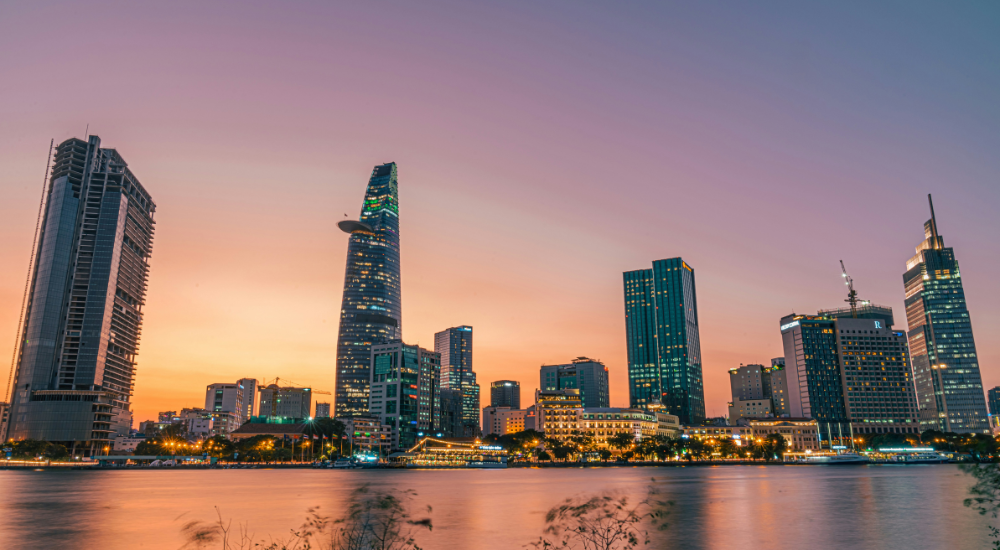
When the sun goes down, Ho Chi Minh City transforms into a completely different world. The heat of the day fades away, and the city lights up with thousands of neon signs and glowing skyscrapers. Known to many as Saigon, this is a city that truly never sleeps. Whether you want to sip a cocktail with a view of the skyline or sit on a plastic stool with a bowl of local noodles, the nightlife here has something for everyone.
This guide explores the best ways to experience the energy of Saigon after dark, focusing on the iconic rooftop scene and the legendary street food culture.
Experience the City from Above: The Best Rooftop Bars
Saigon is famous for having one of the most impressive collections of rooftop bars in the world. Because the city is so flat, even a bar on the tenth floor can offer a breathtaking view of the urban sprawl.
- Chill Skybar: Located at the top of the AB Tower, this is one of the most famous nightlife spots in the city. It offers a 360 degree view of District 1 and is known for its stylish atmosphere and live DJ sets. It is the perfect place to see the city lights while enjoying a high end cocktail.
- Glow Skybar: This venue recently underwent a renovation to create a tropical paradise feel right in the middle of the city. With plenty of greenery and neon lights, it is a very popular spot for photography. It is especially great for sunset drinks before the party atmosphere kicks in later at night.
- The Social Club Rooftop: Found at the Hotel des Arts Saigon, this bar offers a more sophisticated and luxurious vibe. It features a beautiful infinity pool and a wooden deck that feels like an oasis above the busy streets. It is a fantastic spot for a romantic date or a quiet drink with a view.
- Banana Mama: If you are looking for something more relaxed and bohemian, Banana Mama is a hidden gem. Located on the tenth floor, it has a tropical beach club theme with colourful cushions and a laid-back music selection. It feels much more like a backyard party than a formal lounge.
The Heart of the Action: Saigon’s Walking Streets
If you want to feel the true energy of the city, you have to visit the walking streets. There are two main options, each offering a very different experience.
Bui Vien Street is the center of the backpacker district. At night, it becomes a sensory overload of loud music, flashing lights, and street performers. The entire street is lined with bars and clubs where people sit on stools right on the sidewalk. It is the best place in the city to meet other travellers and experience the wilder side of Saigon’s nightlife.
For a more local and relaxed atmosphere, head to Nguyen Hue Walking Street. This broad pedestrian boulevard is surrounded by beautiful French colonial buildings and modern towers. You will see families walking, street dancers performing, and groups of friends gathering near the fountains. It is a great place to enjoy a coffee and soak in the city’s vibe without the noise of Bui Vien.
A Culinary Adventure: Exploring Night Markets and Street Food
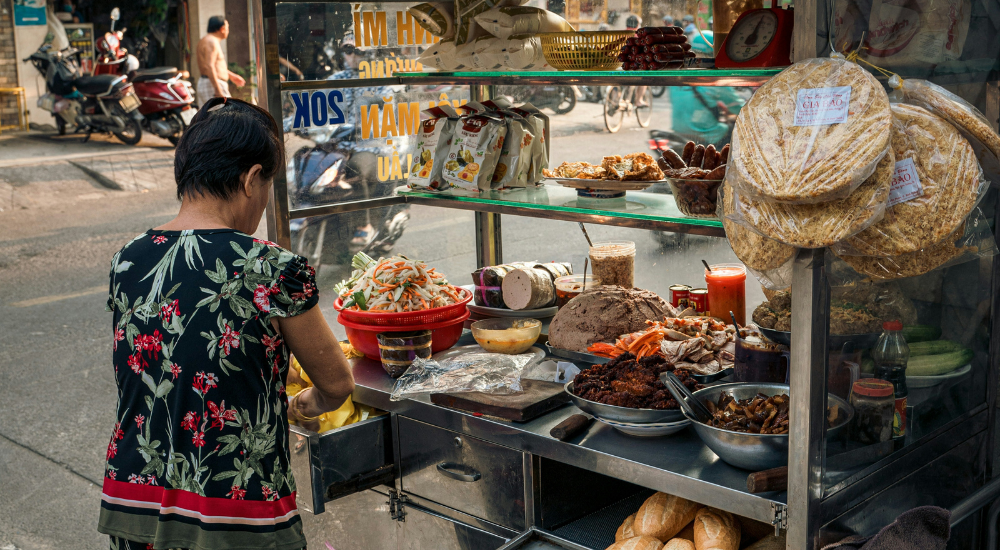
Saigon is often called the street food capital of Vietnam, and the food scene really comes alive at night.
One of the best ways to eat like a local is to visit the Ho Thi Ky Night Market. While it is a flower market by day, it becomes a food paradise at night. You can find everything from grilled pork skewers to Cambodian-inspired snacks and sweet desserts. It is crowded and busy, but the flavours are incredible and very affordable.
If you prefer seafood, head to District 4 and look for the stalls along Vinh Khanh Street. This area is famous for its "snail" dishes (Oc). Locals gather here to eat grilled scallops with green onion oil, steamed clams with lemongrass, and fried snails with chilli and salt. It is a very social way to eat, usually paired with a cold local beer.
Romantic Evenings on the Water: Saigon River Cruises
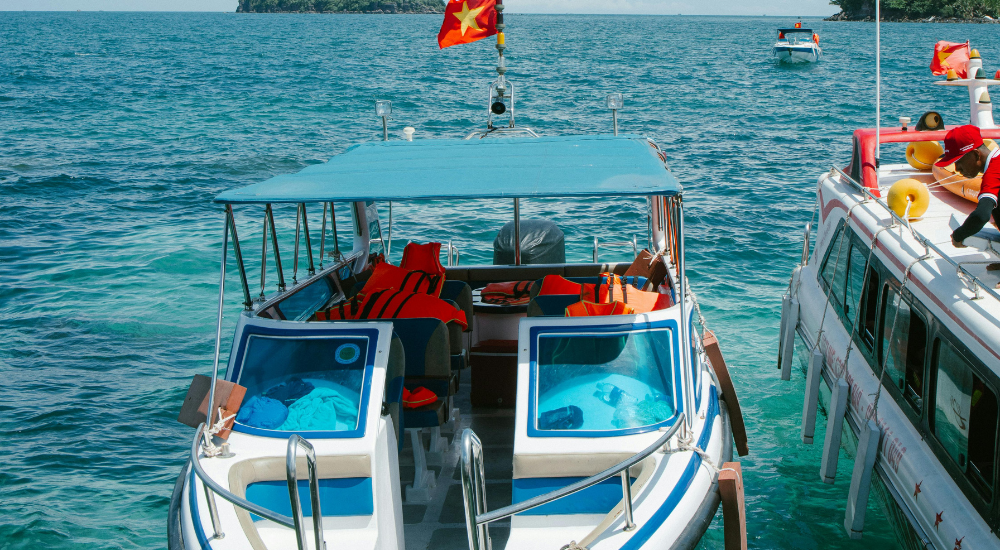
If you want a break from the noise and traffic, a dinner cruise along the Saigon River is a wonderful alternative. These boats depart from the piers in District 1 and District 4, taking you on a slow journey past the sparkling skyline. You can enjoy a full Vietnamese buffet or a set menu while watching traditional dance performances or listening to live jazz. It is a very peaceful way to see landmarks like the Bitexco Tower and the Landmark 81 building from a different perspective.