Picture this: it is early morning in Kyoto, the lanes are still quiet, and soft pink petals are drifting down around you and the person you love. No crowds, no rush. Just the two of you and a photographer quietly catching it all.
That is why so many couples, especially from India, choose Japan for a pre-wedding shoot or a honeymoon in cherry blossom season. It is also normal to feel a little nervous. What if the blossoms come early? Will it be crowded? How do we carry wedding outfits across the world? This guide answers those questions, so you can plan calmly and enjoy every moment.
Quick answer: The best time for a cherry blossom pre-wedding shoot in Japan is usually late March to early April, when Tokyo and Kyoto are typically in bloom. Blossoms last only about a week or two in each place, so keep a flexible day in your plan, book early-morning slots, and make Kyoto your main base for the most photogenic backdrops.
When is the best time for a sakura pre-wedding shoot in Japan?
Tokyo and Kyoto usually bloom from late March to early April. Places further north bloom later, and the Mount Fuji area is often a little behind Tokyo. The exact dates change every year with the weather, and official forecasts start appearing in late winter.
Full bloom lasts about a week. A rainy or windy day can bring the petals down early. So instead of fixing your shoot to a single date, plan 3 to 4 days in Kyoto and keep one morning as your backup. For more on timing, read When is the Best Time to Visit Japan?
Where are the best places for a cherry blossom pre-wedding shoot?
Kyoto is the favourite because the blossoms sit beside wooden houses, canals and temples.
- Philosopher’s Path: A quiet canal lined with cherry trees. Very romantic at sunrise.
- Maruyama Park: Home to a famous weeping cherry tree, beautiful in the soft evening light.
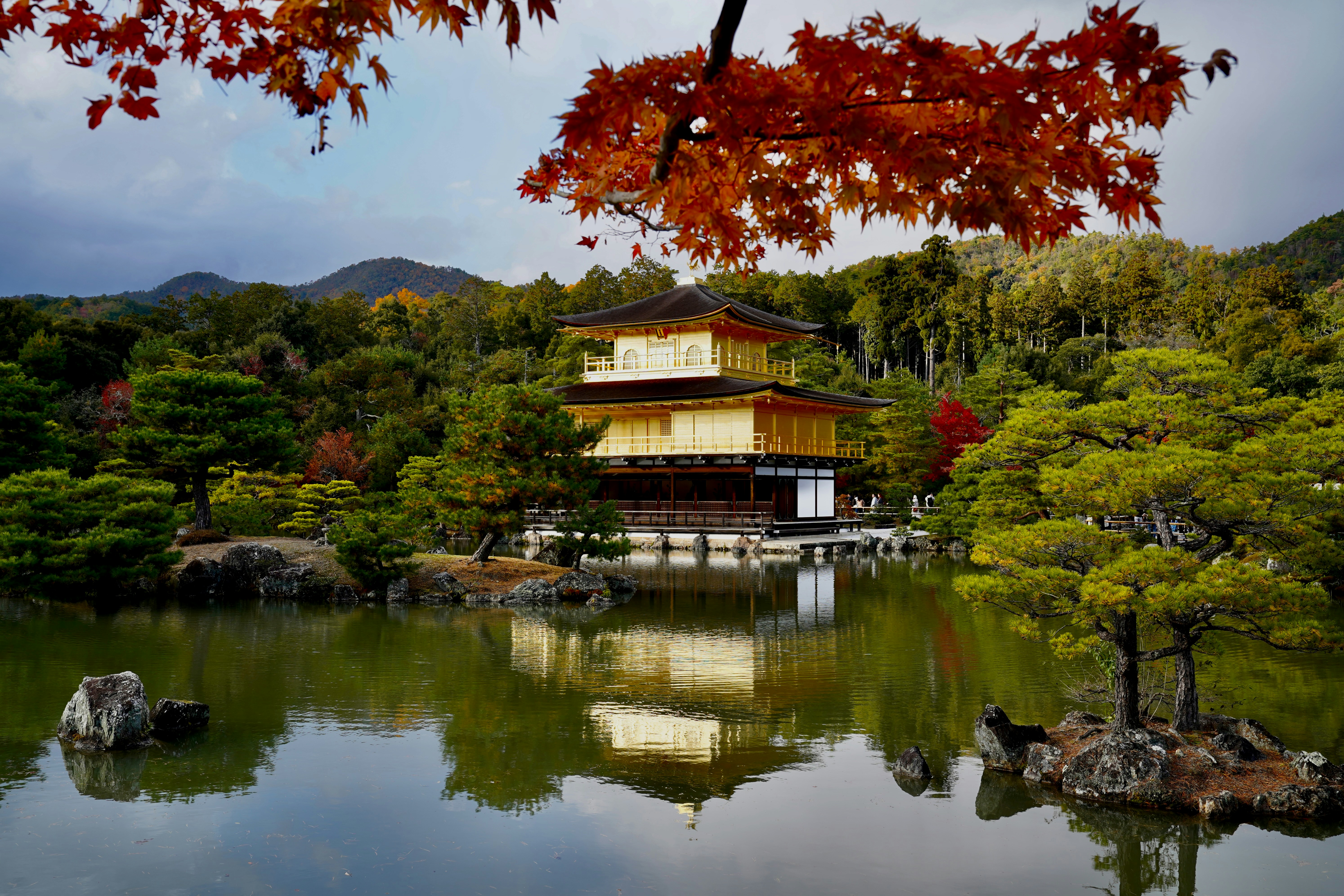
- Arashiyama: River views, the bridge and the bamboo grove. See our guide to Kyoto’s Golden Pavilion & Bamboo Forest.
- Gion and the Shirakawa stream: Old wooden teahouses and willow-lined water, with a timeless feel.
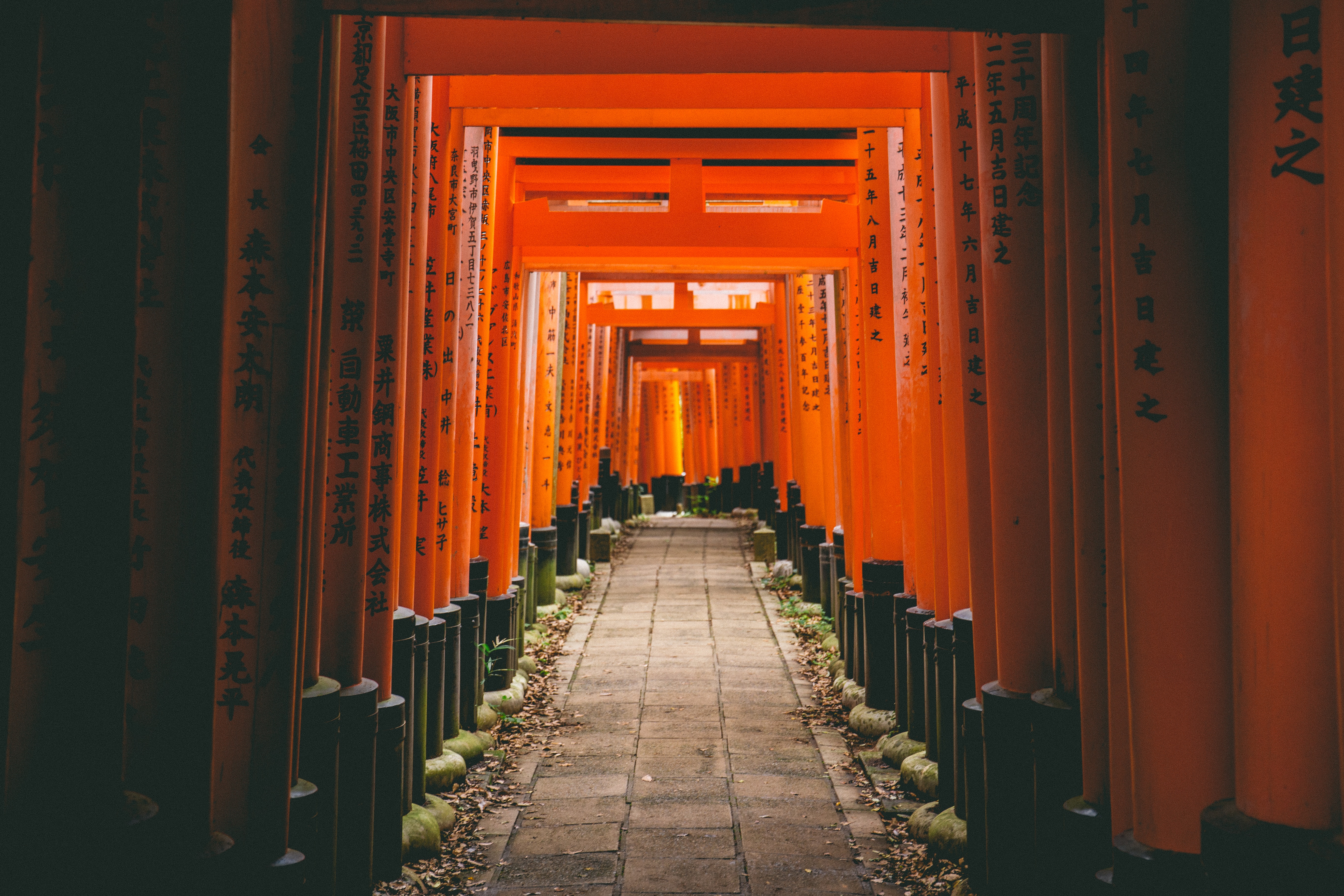
- Fushimi Inari: Not known for blossoms, but the red torii gates make a bold backdrop if the weather is not on your side.
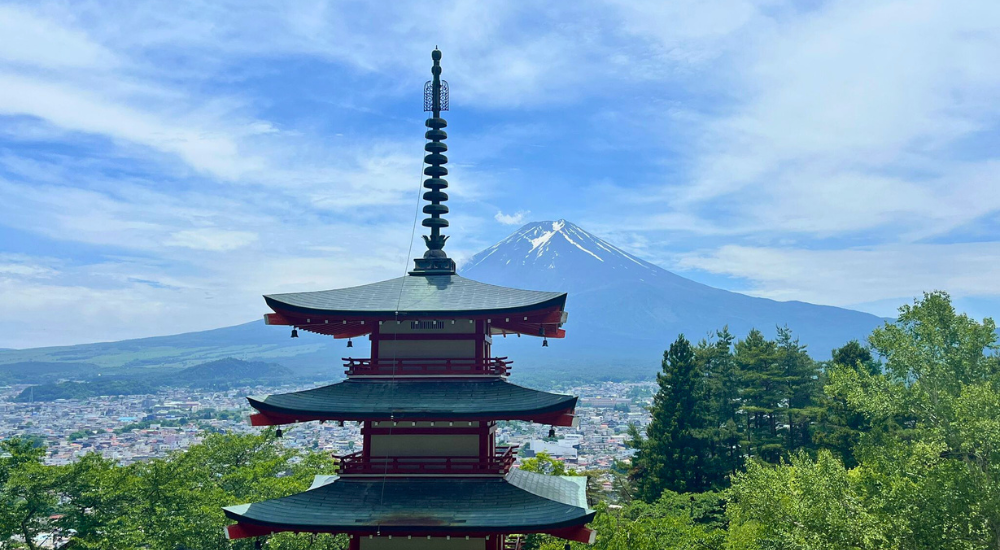
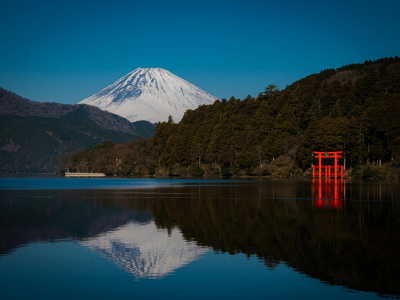
If you also want Mount Fuji in your frames, the Hakone and Fuji region is part of our Golden Route itinerary.
How do we avoid crowds and permit problems?
Blossom season is Japan’s busiest time of year, and famous spots fill up by mid-morning. Aim for sunrise or very early morning, and choose weekdays where you can.
Some parks, gardens and temples have rules about professional cameras, tripods and props, and some need permission in advance. These rules differ from place to place and can change, so it helps to have someone local sort it out. A Catterfly Local Insider can guide you through the hidden lanes of Gion and help you find quieter corners.
A sample 7 to 9-day honeymoon and shoot plan
- Days 1 to 3, Tokyo: Settle in, explore, and enjoy the city lights.
- Day 4, Hakone: One night in a traditional ryokan with a private hot spring, a lovely way to slow down.
- Days 5 to 8, Kyoto: Two early-morning shoot days, one backup day for weather, and time to simply enjoy being married or about to be. A stay in one of the best ryokans in Kyoto adds to the magic.
- Day 9, Osaka or departure: One last meal and a few quiet moments to take it all in.
What should we wear?
Most couples do two looks. The first is a traditional kimono shoot in Kyoto, where rental studios can help with dressing, hair and styling. The second is your own wedding outfit, whether that is a lehenga, saree, sherwani or gown.
A few friendly tips:
- Pack outfits in garment bags and carry them in the cabin if you can.
- Soft pastel blossoms look stunning against deeper jewel tones like red, emerald and royal blue.
- Ask your hotel or ryokan about steaming or ironing before the shoot.
- Mornings and evenings are cool, so keep a light shawl or jacket handy between photos.