A Father-Daughter Journey Through the Heart of Byzantium
They say Istanbul is where East meets West, but for me, it was where my father’s lifelong love for history met my own sense of wonder. Traveling with Dad is a different kind of rhythm - it’s less about checking off a list and more about the quiet moments: the steam rising from a cup of Turkish tea, the shared look of awe under a gilded ceiling, and the slow walks through centuries of stories.
They say Istanbul is where East meets West, but for me, it was where my father’s lifelong love for history met my own sense of wonder. Traveling with Dad is a different kind of rhythm - it’s less about checking off a list and more about the quiet moments: the steam rising from a cup of Turkish tea, the shared look of awe under a gilded ceiling, and the slow walks through centuries of stories.
Day 1: Of Sultans and Sea Breezes
Our first morning was a gentle lesson in Turkish modernism. We wandered through a mall in Şişli, only to laugh when we realized it felt remarkably like New York. “We didn’t come all this way for a department store, did we?” Dad joked.
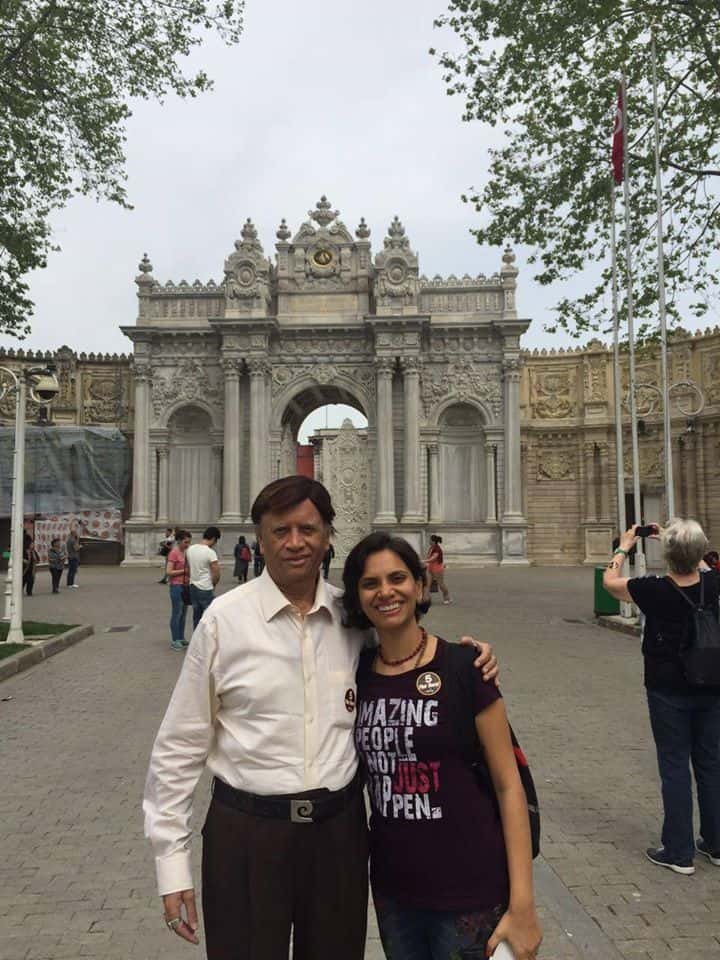
We quickly pivoted to the Dolmabahçe Palace, and that was where the magic began. Standing on the European edge of the Bosphorus, the 19th-century administrative heart of the Ottoman Empire took our breath away. I watched Dad’s eyes widen as we stood beneath the world’s largest Bohemian crystal chandelier—4.5 tonnes of shimmering light. We walked through halls decorated with 14 tonnes of gold, feeling like tiny guests in a giant’s jewelry box.
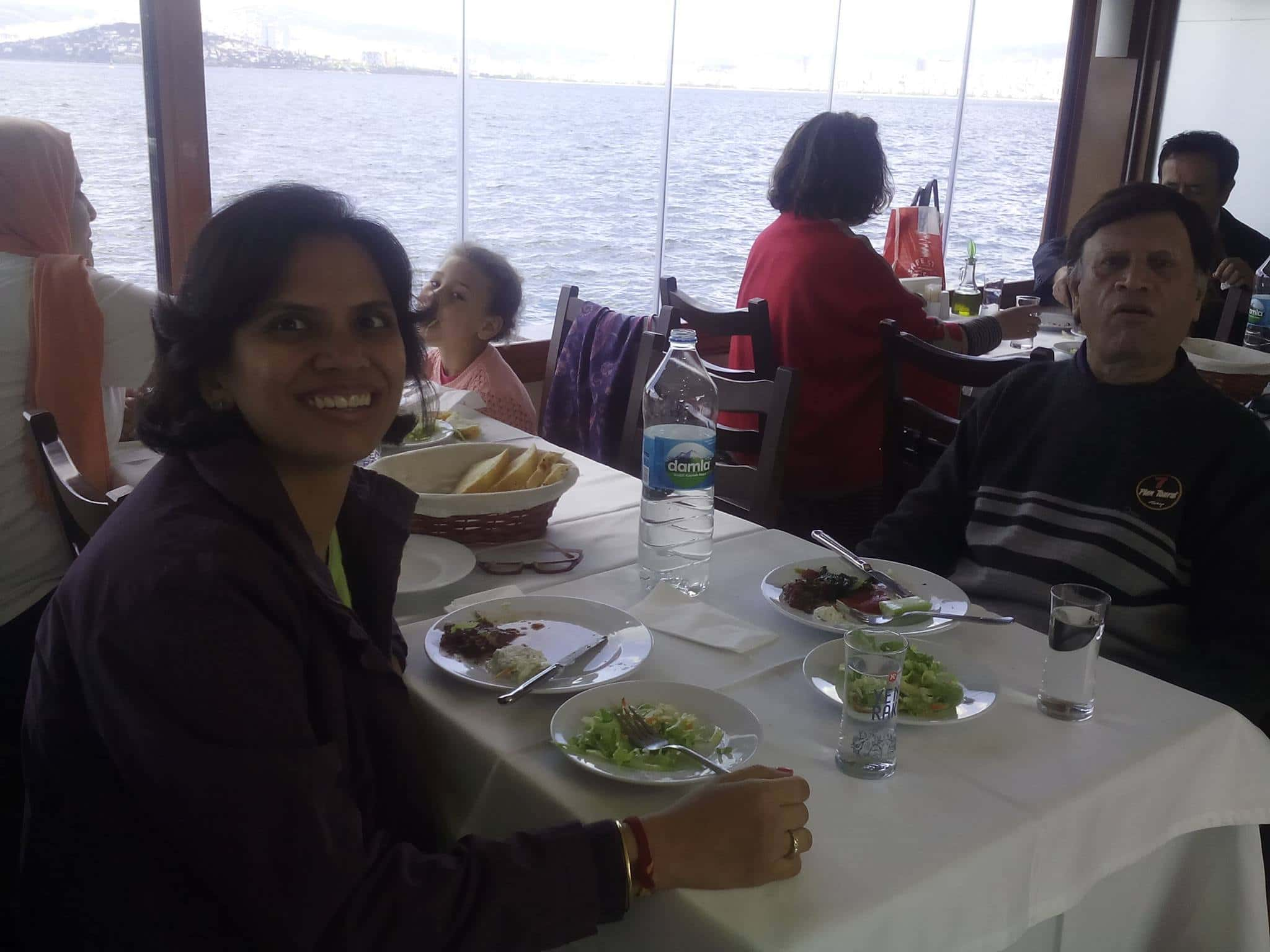
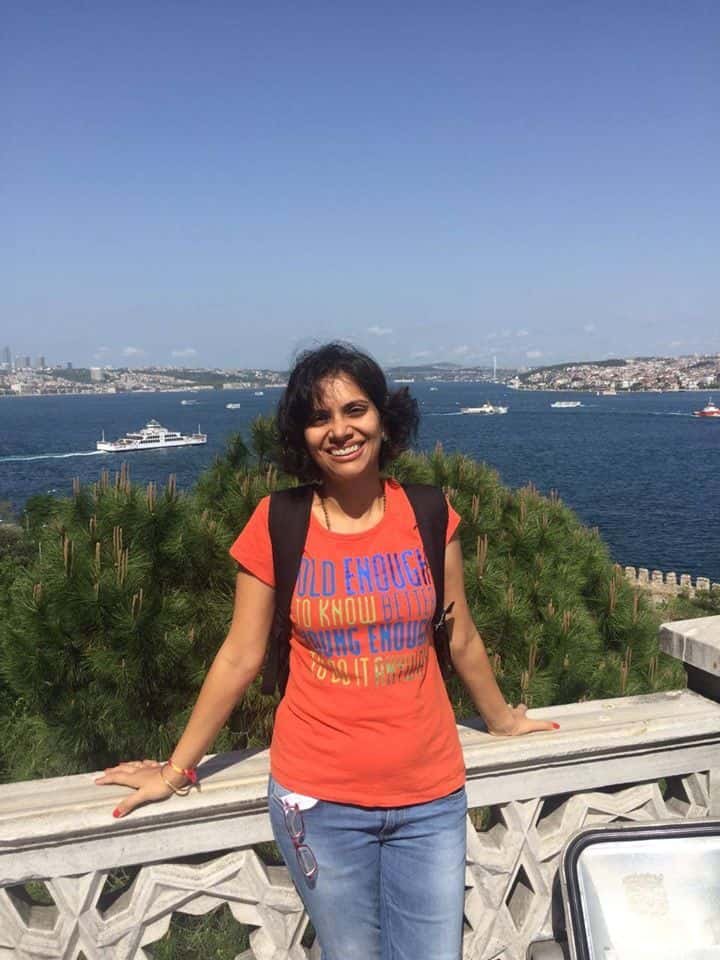
We ended the day at Mavera, a hilltop café. As we looked out over the waterways, the city felt infinite. Later, in Ortaköy, we sat by the water for a simple, perfect dinner: a bowl of lentil soup for me and a classic kebab for Dad. The day ended with the sound of the sea and the happy sigh of two tired travelers.
Day 2: The Spiritual Skyline
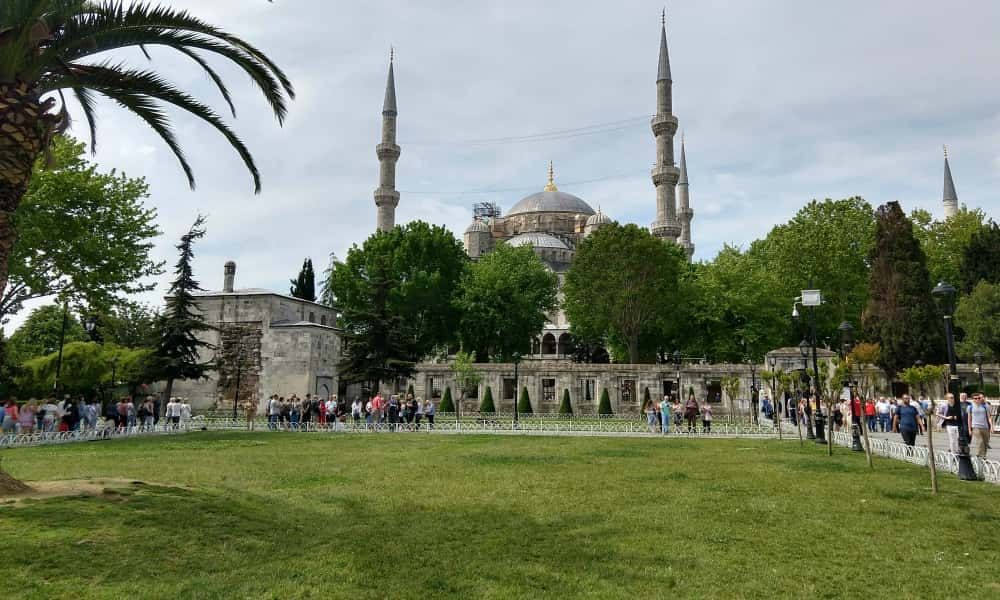
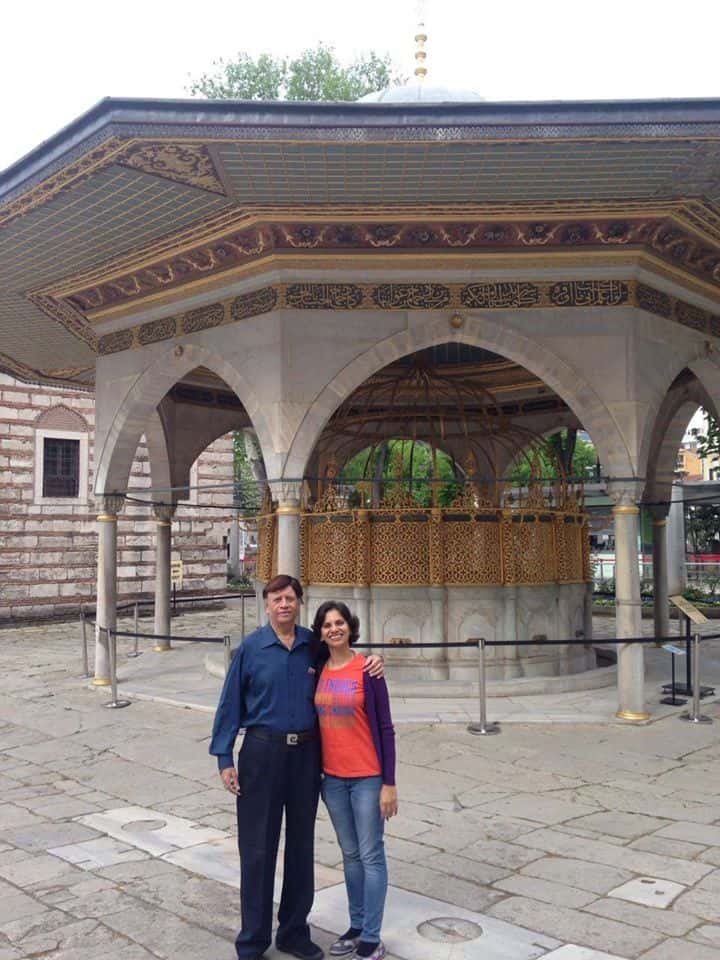
The next day was a pilgrimage through the Sultanahmet Square. There is something profound about standing between the Hagia Sophia and the Blue Mosque.
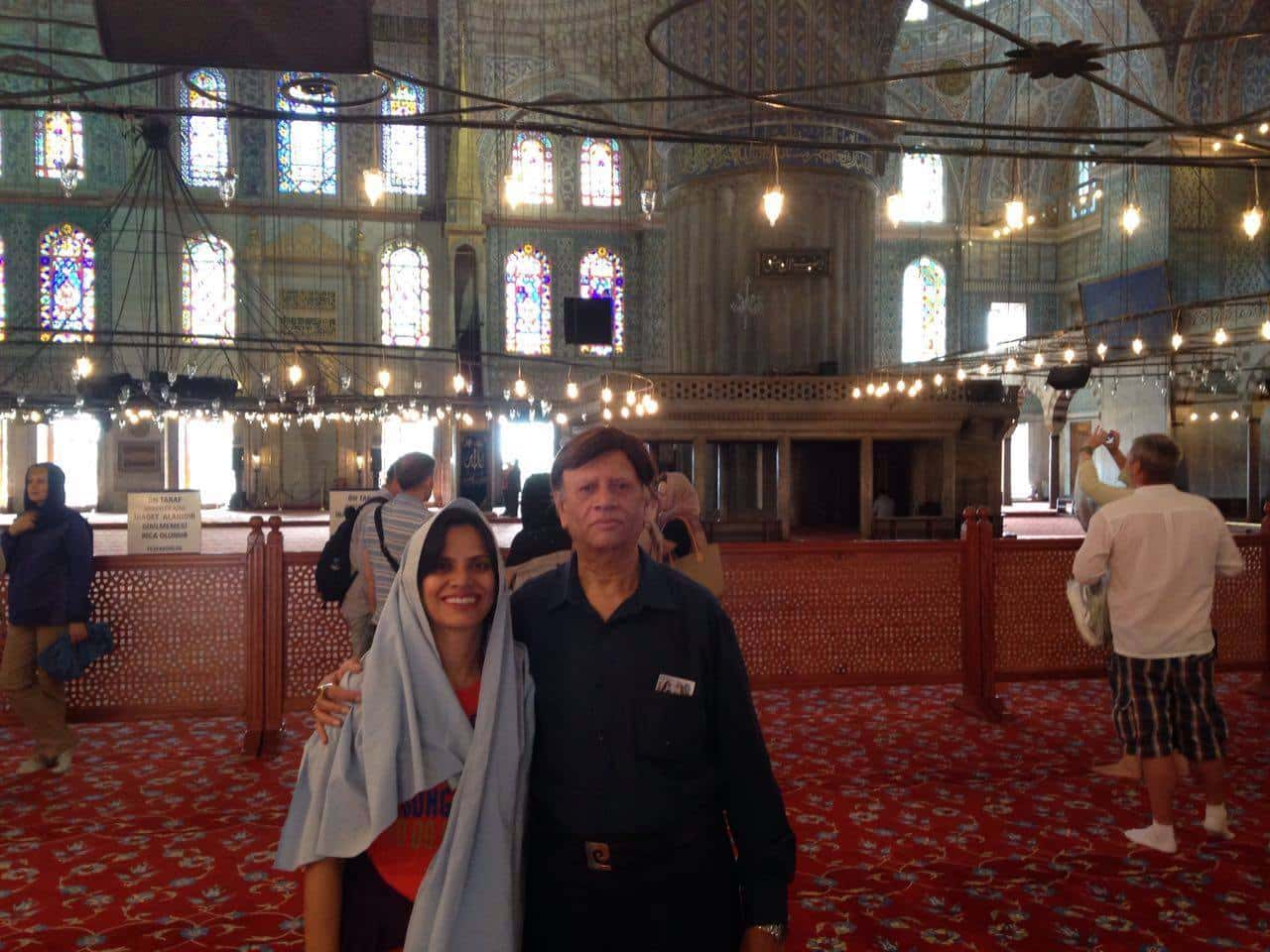
In the Hagia Sophia, we traced the layers of time—Christian mosaics peeking through Islamic calligraphy. Across the way, at the Blue Mosque, I donned my headscarf, and we stepped into a world of Iznik tiles and stained-glass light. The silence there was heavy in the best way possible; it was a peace we both felt deeply.
Then came the Grand Bazaar. Sixty alleys and six thousand shops are a lot for anyone, but Dad was in his element. The hospitality was overwhelming; every shopkeeper seemed to have a steaming glass of tea and a piece of Turkish delight waiting for us. We left with bags of hazelnuts and spices, our pockets a little lighter but our hearts much fuller.
Day 3: Cinematic History and Secret Gardens
In the afternoon, we explored the Topkapi Palace. Dad, a fan of everything from James Bond to Bollywood, kept pointing out scenes from Dil Dhadakne Do. Exploring the 15th-century residence of the Sultans felt like walking through a movie set, but with the added weight of 400 years of real-life drama.
Dinner that night was a sensory feast. On the first floor of a restaurant overlooking the Golden Horn, a local band played the harp, banjo, and violin. It was the kind of music that makes you want to stay in a moment forever.
Day 4: Islands and Inca Melodies
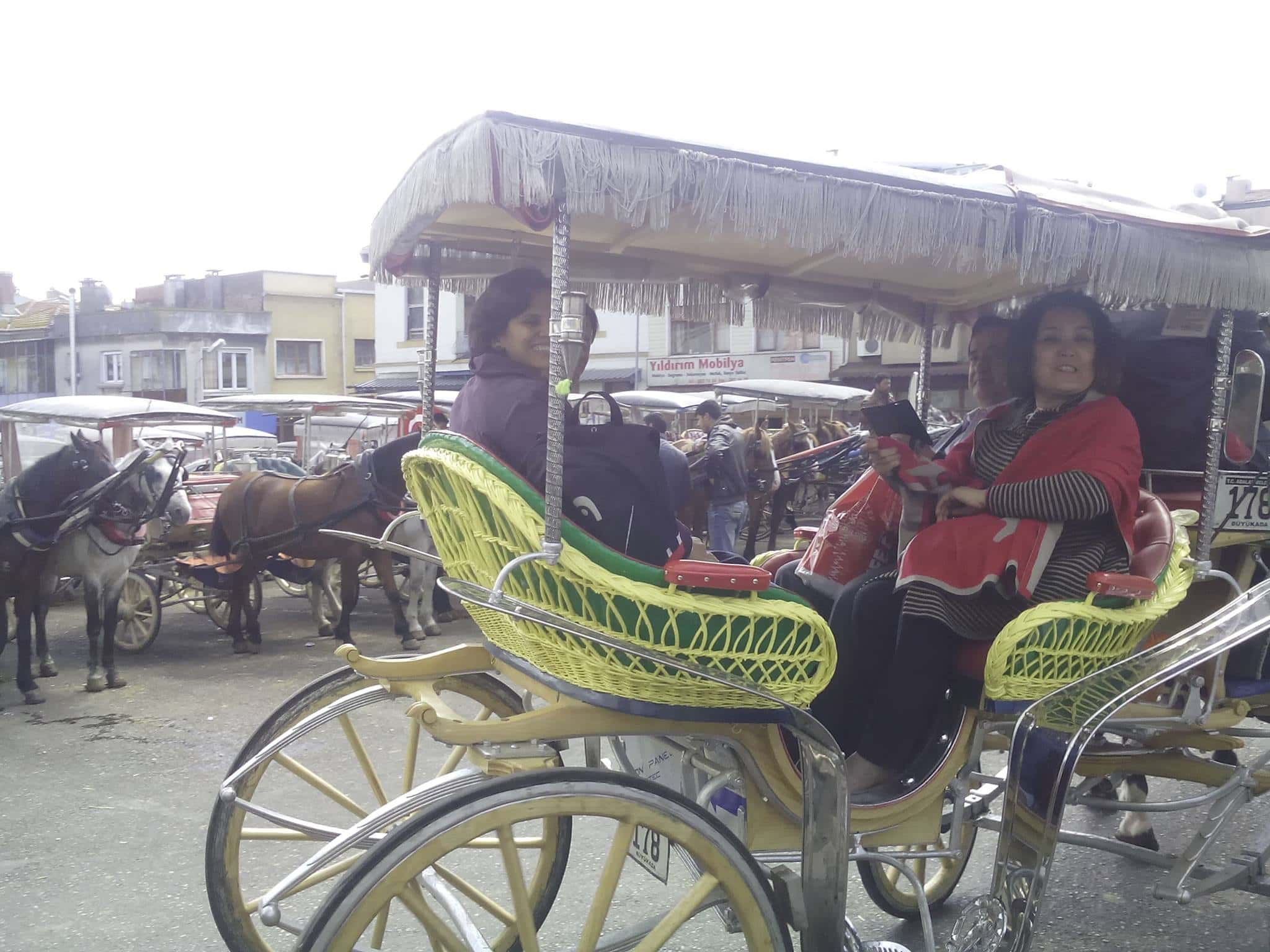
For a change of pace, we took a cruise to Büyükada, the largest of the Princes' Islands. With no cars allowed, we were whisked away in a horse-drawn carriage through steep streets lined with vibrant villas and blooming flora.
Returning to Taksim that evening, the city felt alive in a different way. I snacked on hot roasted chestnuts while we stopped to listen to Peruvian street performers playing traditional Inca wind instruments. It was a surreal, beautiful mix of cultures—exactly what Istanbul is all about.
Day 5: Chasing Tulips and Cable Cars
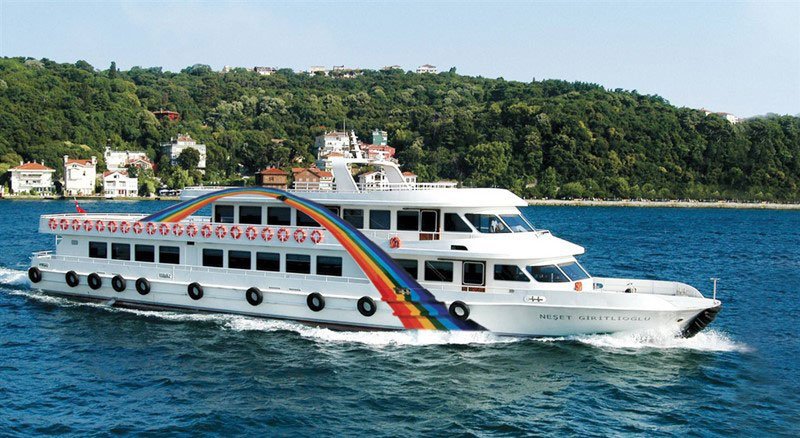
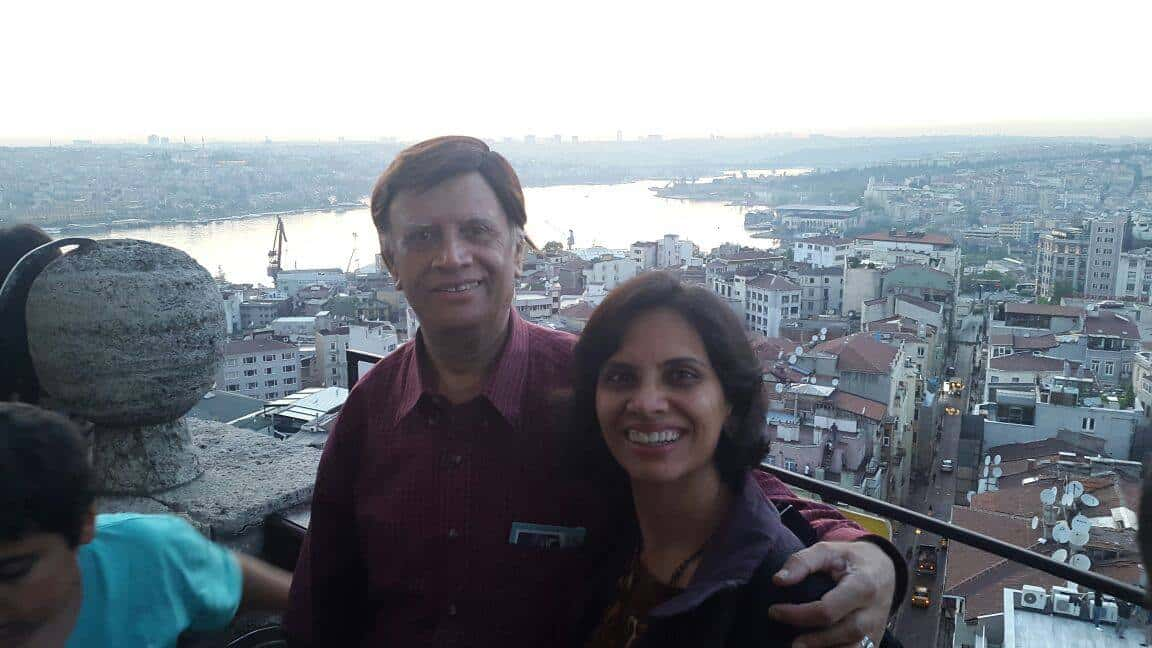
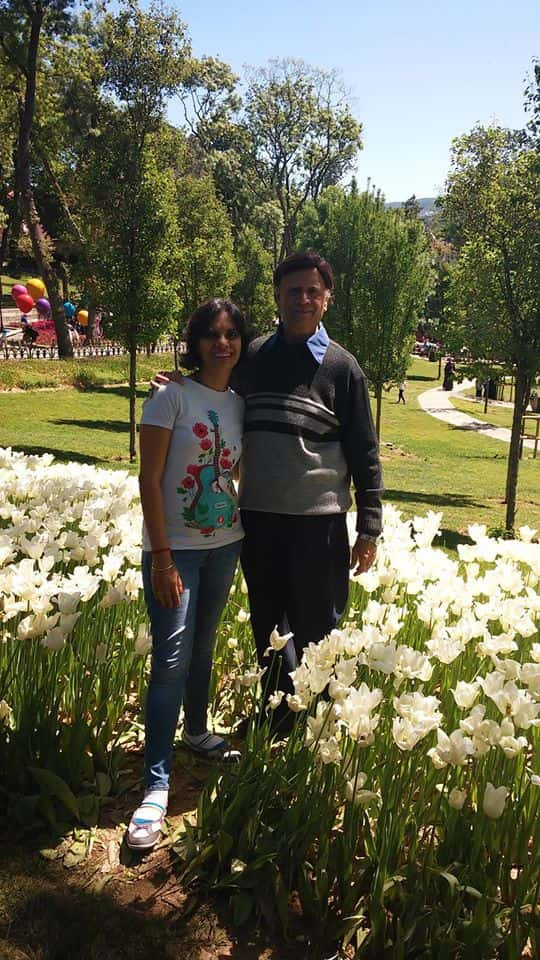
On our final day, we went "tulip hunting" at Emirgan Korusu. While the three million tulips hadn't quite fully bloomed yet, the splashes of white and yellow were enough to make us smile. We took one last cruise on the Bosphorus, listening to the history of the suspension bridges that link the two continents we had been calling home. Our journey ended at Pierre Loti on the Asian side. After a cable car ride and one last magnificent view of the Golden Horn, we sat down for a final round.
As we prepared to leave, I realized that Istanbul isn't just a city of two continents; for us, it was a bridge between generations. I went there to see the sights, but I’ll remember the trip for the way Dad’s face lit up at every new discovery. Istanbul is calling us back, and next time, I know exactly who I want by my side.
of Arabic Baklava and tea in Beyoğlu.