How To Explore Portugal

Blog

How To Explore Portugal

Written by Puja Vijay Feb 17, 2020


After relaxing for some time, we headed down to Lagos town and got up and close with Atlantic, the cliffs and the beaches around the walled old town are perhaps some of the best that one can capture. The center of Lagos really isn’t very big, but it can Be confusing with many little streets but as long as one heads downhill – it’s not too difficult to get back to the town center with city walls constructed during 16th Century.
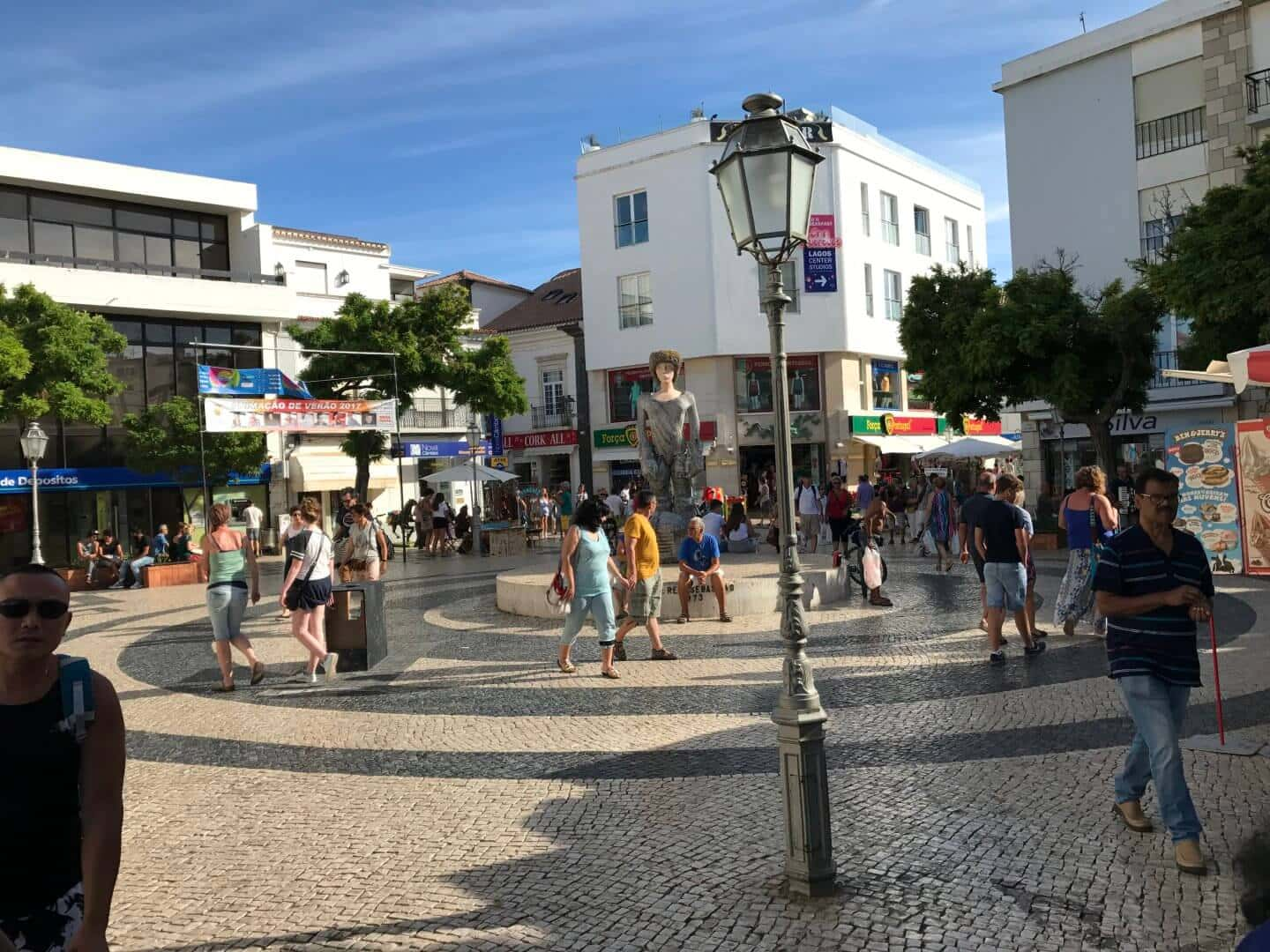


Just across the main road – there Is Praia-Da-Batata, an absolutely beautiful beach with the cliffs and the coves, and walking further down along the sea are the sweeping sands of Lagos bay with the Monchique hills as a backdrop. Old towns in this part of Portugal are truly different with streets lined with small stones (almost feels like marble after centuries of withering down) as compared to big cobblestones in rest of the Europe, and the Moorish influence was clearly visible. It would have been a lovely place to shop but couldn’t do much with the kids around though the sea food was awesome albeit one needs to be careful with what one orders.
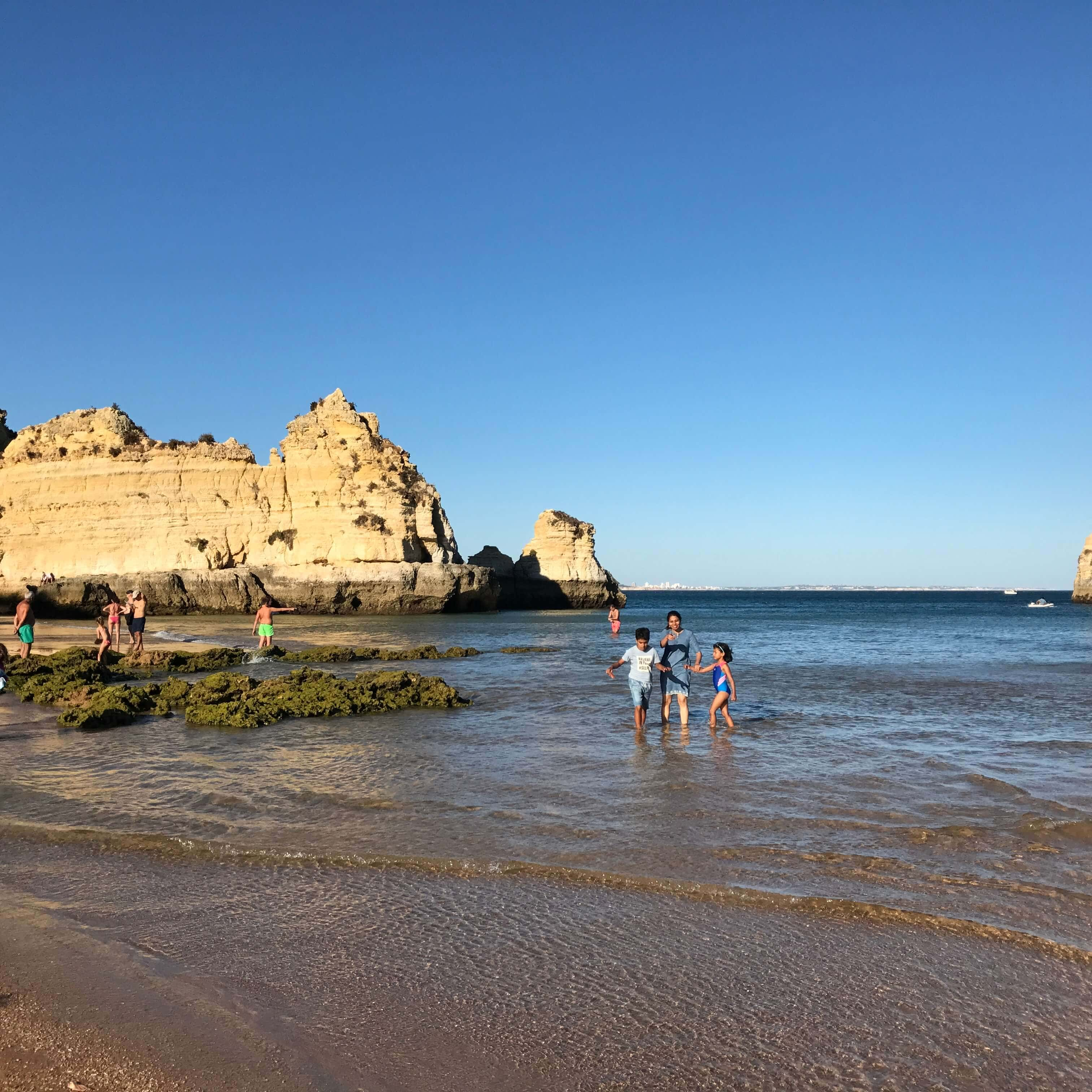


We had our share of misadventures with trying to make a visit to Rio Formosa near Faro, and inadvertently did cover some part of it, but in hindsight it was perhaps best to take the ferry from Faro – as it has far higher frequency and perhaps not knowing fluent Portuguese wouldn’t come in the way of figuring out the right schedule (bit of a surprise though, considering many British tourists were all over south of Portugal).

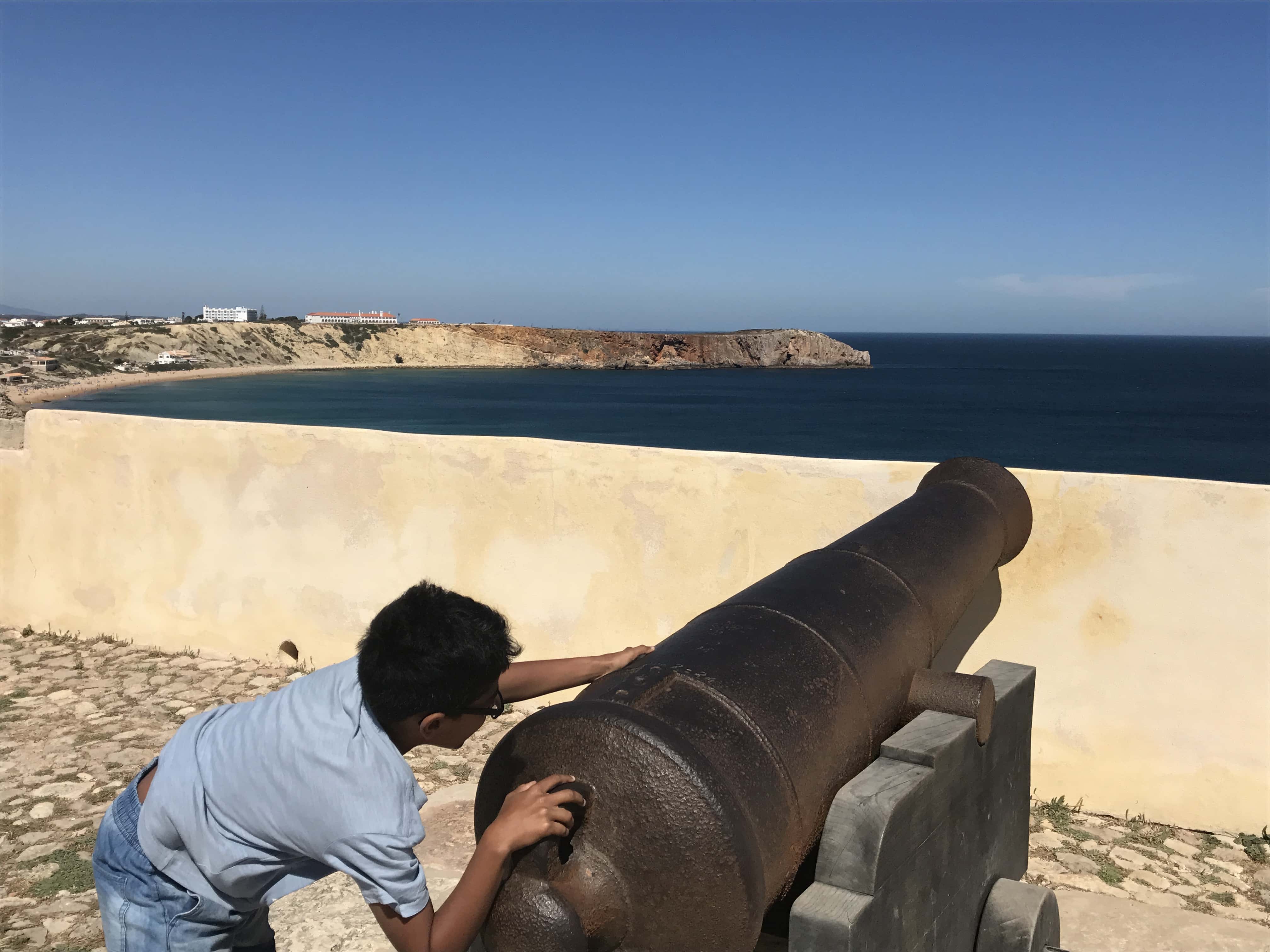
Next day we decided to head towards Cape Vincent and Sagres. In Alentejo national park there are long stretches of no habitation, but suddenly one is struck by a charming little village appearing from nowhere, and Sagres is certainly one of these. In Sagres, before heading To the Fort, Praia Do Beliche with steps leading down to the beach will certainly catch your attention. And, in Cabo De São Vicente (Cape St Vincent) – Europe’s southwestern most point, one will almost be swept off their feet with the strong winds. It’s for no reason the best places to surf in the Atlantic, and I made a promise to come back one day and learn surfing. Or, at the very least have a beachside holiday with my friends.
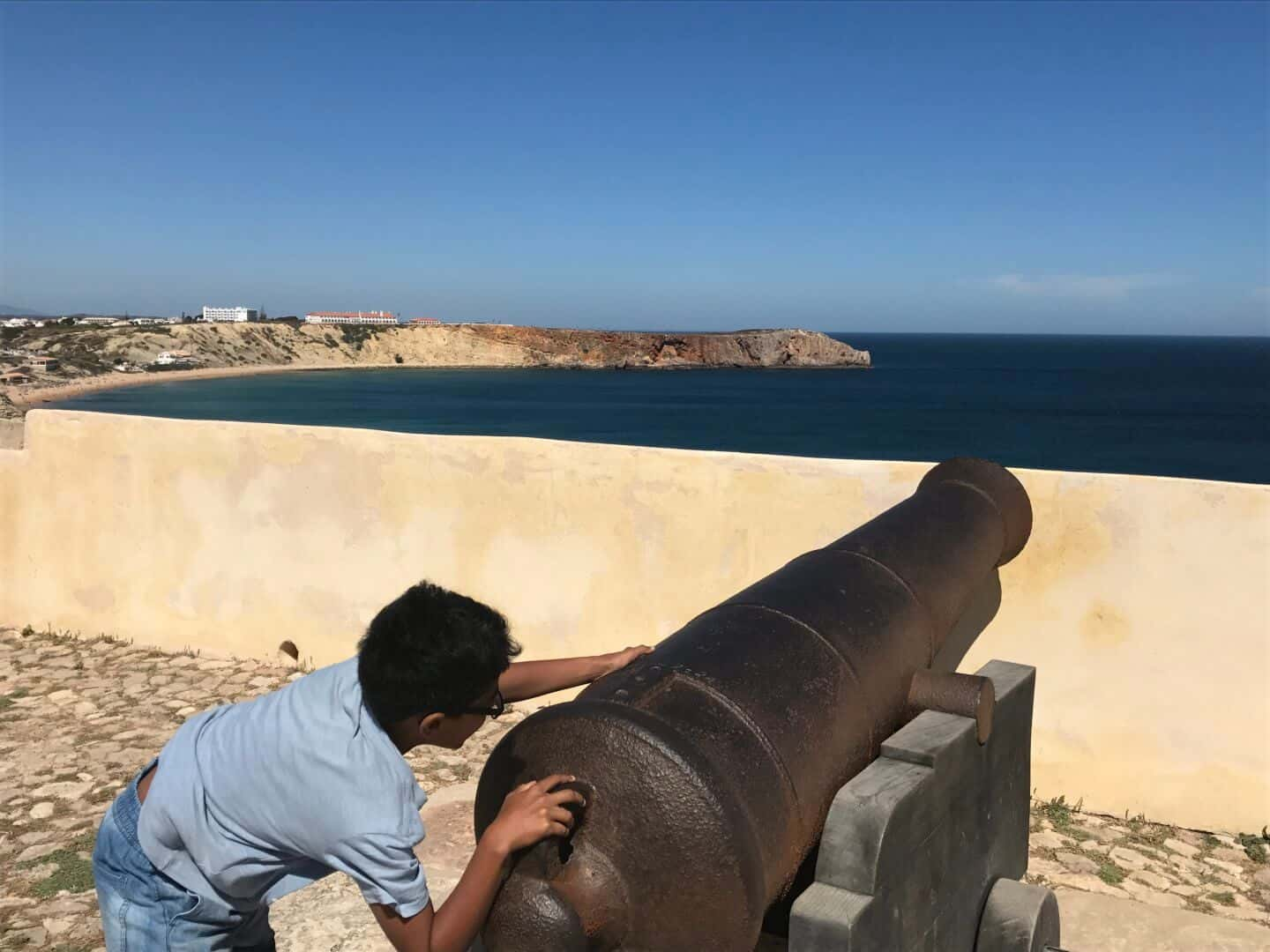


While driving back to Lisbon with a rather late morning start, we decided to skip the more scenic route thru the national park; and instead drove back thru the main highway. It was suitably rewarded as we entered Lisbon thru Vasco de Gama bridge – an architectural marvel.
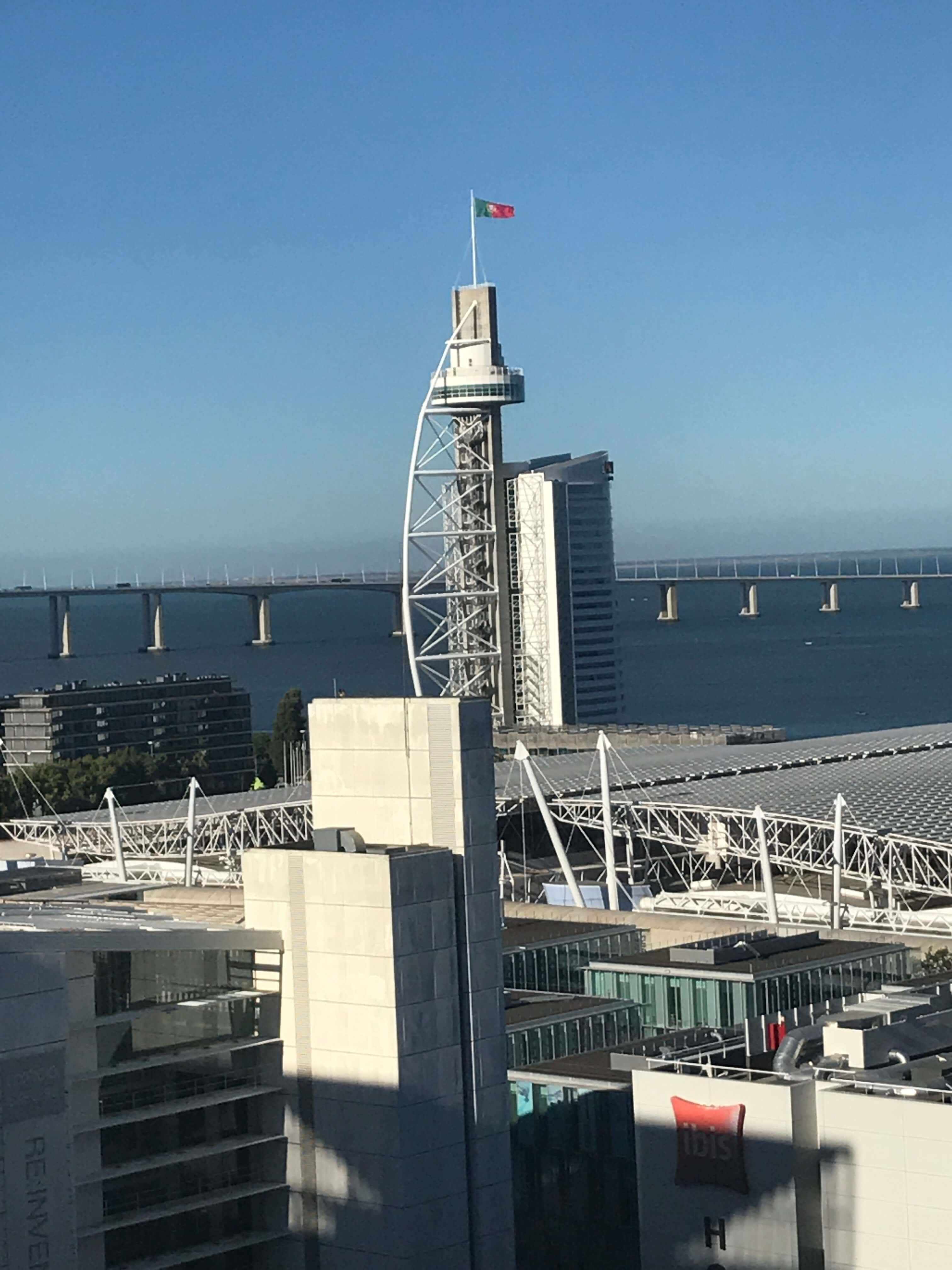


Our apartment was also perfectly placed in the newer part of Lisbon with great connectivity to the old town, important sights as well as a nice shopping center at walking distance, Nations park for leisurely walks, and easy access to bars, cafes, restaurants. To keep the kids excited after a long drive, we hopped on top of the tower and, just to take the excitement few notches higher – we got on to the Telecabine for the trip between the Tagus river and the sky. The suspended cable cars gave us great views of modern part of Lisbon, and is sort of Lisbon’s own unique and fun twist on The London Eye.
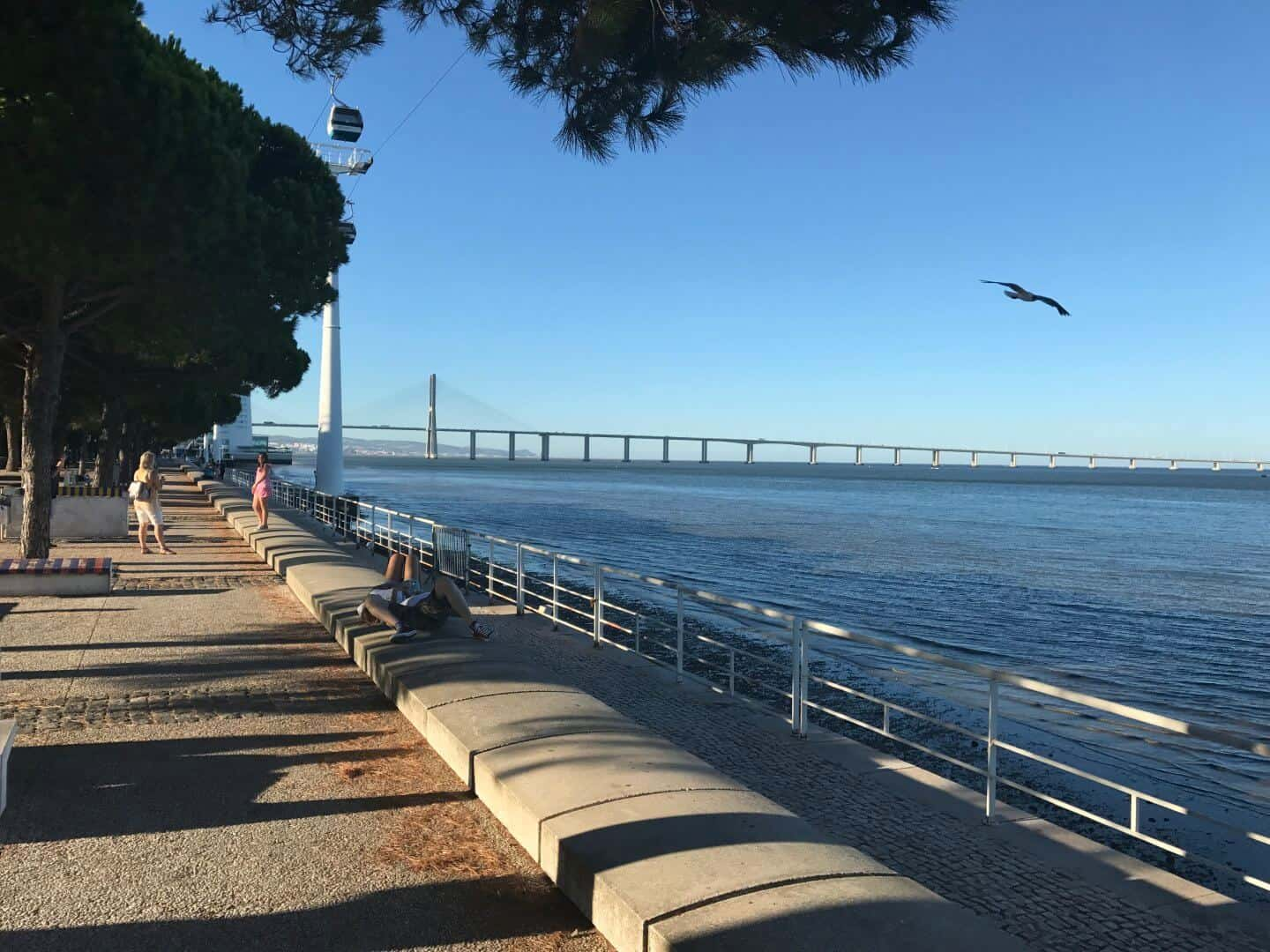


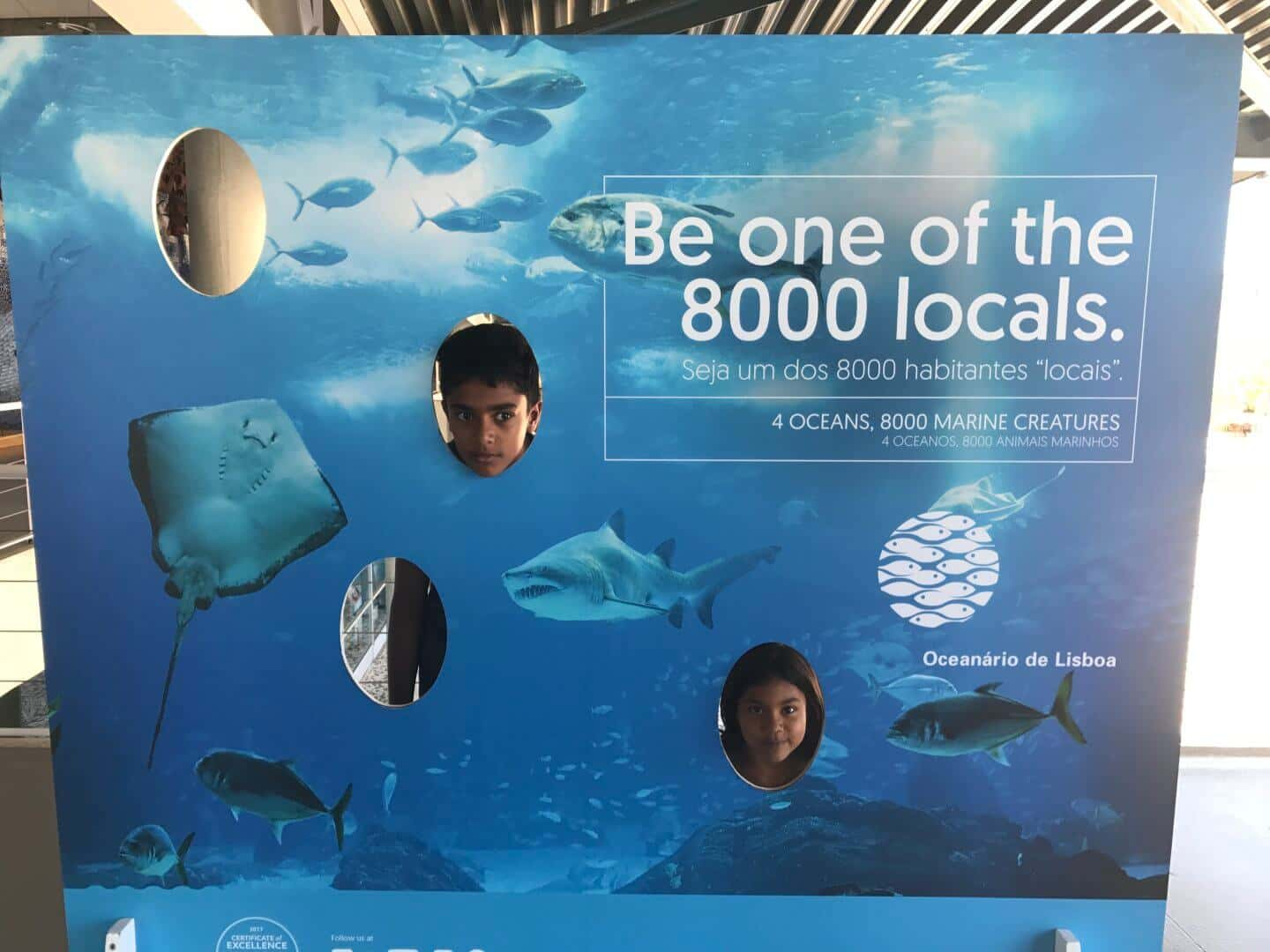
The next day was reserved for Oceanarium for kids in the morning with an eye-catching building “floating” in the Ocean. Here, everything rotates around a huge central aquarium and the top floor features water-dwelling animals that live closest to the water surface, while on the lower floor you’ll find deep-sea creatures – including several types of sharks, stingrays, manta rays and colorful tropical fish. I think, the Oceanarium is an essential stop in Lisbon if you’re travelling with children.


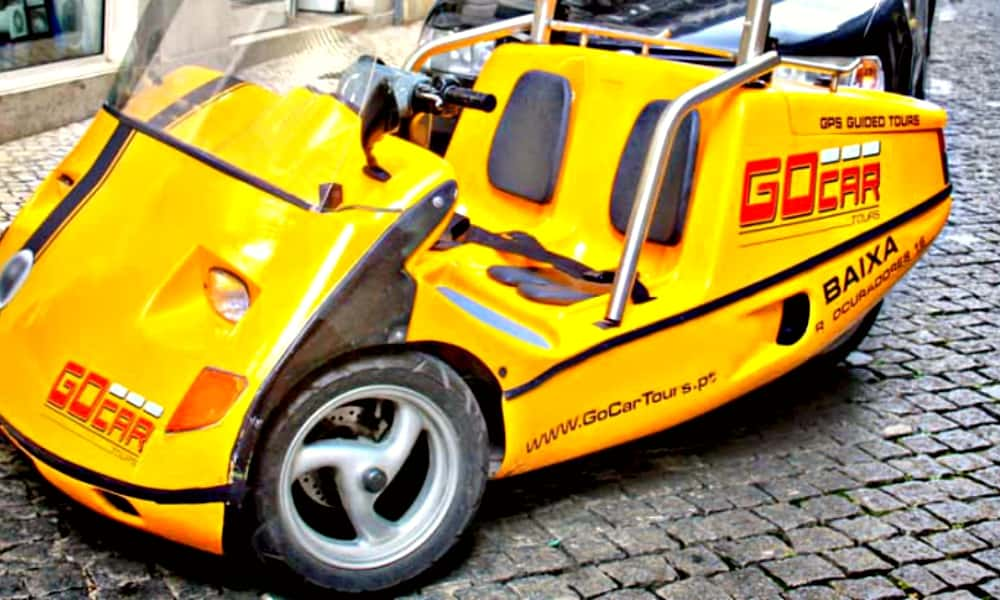
In the evening, we hopped on to The Hippo tour, and it helped us to cover major touristy spots. Our guide was quite jovial and the fun continued as the bus got into the water and continued the trip from thereon. Besides this, getting the ride on Tram 28 is the thing to do in Lisbon – to know it’s hidden secrets, discovering most interesting historical sites and wonderful terraces that offer amazing views of the city, including Graça neighborhood, Alfamaa, Baixa and Estrela. This is a classic Lisbon tram journey, riding in the quaint yellow tram as it rattles through the narrow streets. But, we decided to have our unique take on it. Perhaps, it was the hot weather, or I was scared with the thoughts of managing edgy kids on the tram – we ended up doing something adventurous; to drive the car thru the old town on the same path way that the tram 28 goes on…! So, we didn’t miss anything while also had the ride in our own unique way…
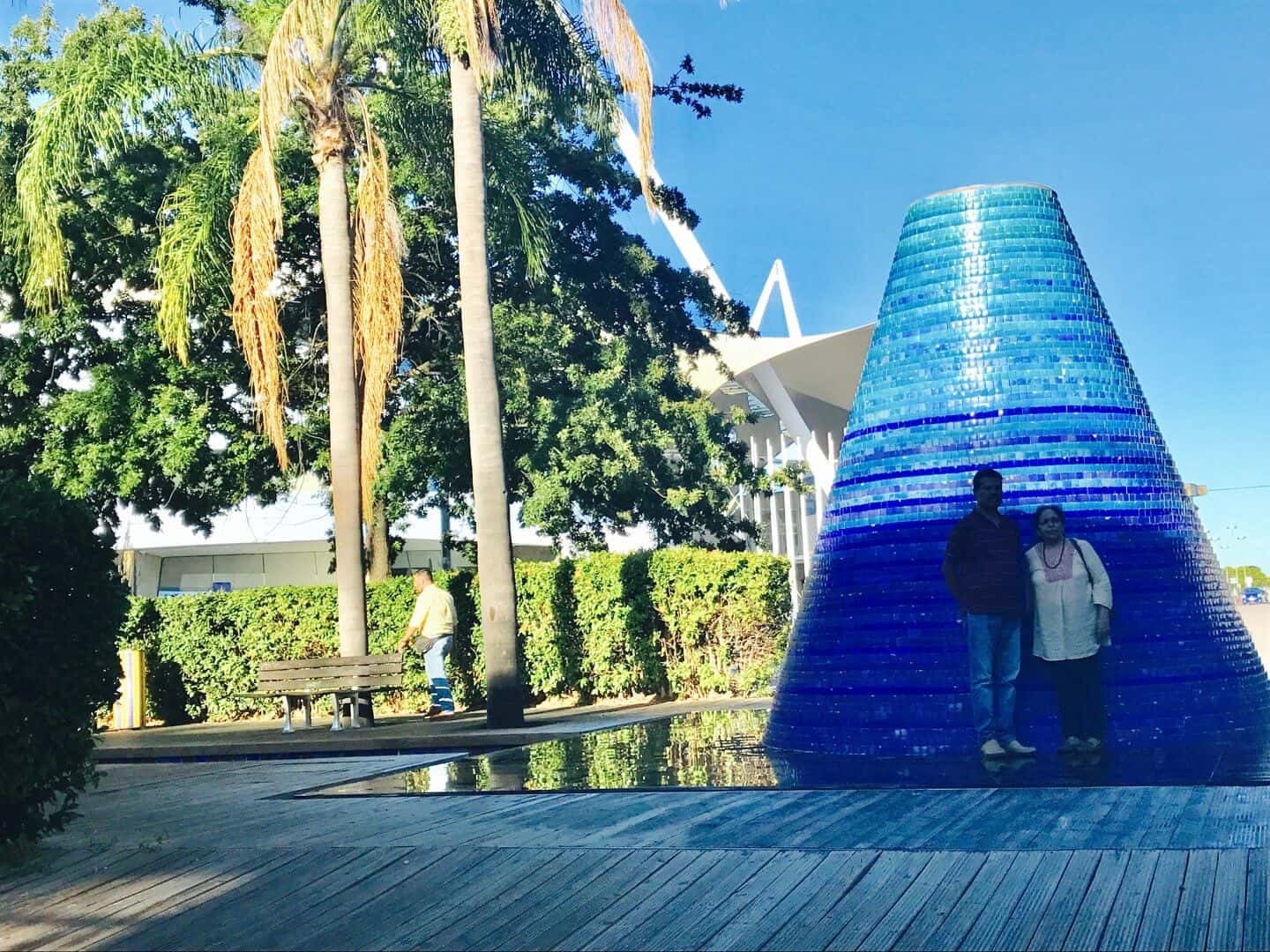


There is lots to explore around Lisbon with Cascais and Sintra at a short driving distance. Cascais is a fishing town with great beaches and good for water sports and activities as well. On the other hand, Sintra is set amidst pine-covered hills with beautiful Moor’s castle and Pena Palace. However, weather didn’t play along as expected, and it really got very windy at both the places. We realized it’s important to keep a jacket handy even during summers while visiting Lisbon as the weather can change dramatically. I probably need to keep these places for my next visit – as I come back to South of Portugal to enjoy the beach holidays with my friends…!
FAQ & Expert Tips

What's the best time to visit Portugal?

The optimal time to visit Portugal largely depends on your personal preferences. It's safe to say that it is a year-round destination. Spring (April to June) and fall (September to October) are often considered the best seasons. During these periods, the weather is mild, and nature comes to life with blooming flowers and lush landscapes. Summer (July to August) is popular for beach destinations, but it can be quite hot, especially in the inland regions. Winter (November to March) is milder compared to many other European destinations, making it suitable for those who enjoy cooler temperatures and cultural experiences.

Do I need a visa to visit Portugal?

Portugal is a member of the Schengen Area, allowing travelers from various countries, including the U.S., Canada, Australia, and EU member states, to enter for short stays (up to 90 days) without a visa. However, it's crucial to check specific entry requirements based on your nationality and the purpose of your visit. If you plan to stay longer or for other purposes, additional visa considerations may apply.

What are the must-visit cities in Portugal?

Portugal is home to a variety of vibrant cities, each with its own unique charm and attractions.

  1. Lisbon (Lisboa): The capital city, perched on the hills overlooking the Tagus River, Lisbon is a captivating blend of historic neighborhoods, contemporary culture, and stunning viewpoints. Explore Alfama's narrow streets, visit the historic Belém district, and enjoy the vibrant nightlife in Bairro Alto.
  2. Porto: Known for its wine cellars, historic architecture, and the Douro River, Porto is a UNESCO World Heritage city. Wander through the charming Ribeira district, visit Livraria Lello, and enjoy a cruise along the Douro to appreciate the city's beauty.
  3. Faro: The capital of the Algarve region, Faro offers a mix of history and coastal beauty. Explore the historic Old Town, visit Faro Cathedral, and take a boat tour to the Ria Formosa Islands. The nearby Faro Beach is also a popular destination.
  4. Sintra: A fairy-tale town nestled in the mountains, Sintra is known for its romantic architecture and lush gardens. Explore Pena Palace, the Moorish Castle, and the colorful streets of the historic center.
  5. Évora: Steeped in history, Évora is a UNESCO World Heritage city with well-preserved Roman ruins, medieval architecture, and a unique Chapel of Bones (Capela dos Ossos).
  6. Aveiro: Often called the "Venice of Portugal," Aveiro is known for its picturesque canals, colorful Moliceiros boats, and charming Art Nouveau architecture.

Is English widely spoken in Portugal?

Yes, English is commonly spoken in Portugal, particularly in tourist areas, major cities, and establishments frequented by visitors. The hospitality industry is accustomed to catering to an international audience, and English is often the second language. However, while most locals in urban areas understand English, learning a few basic Portuguese phrases can enhance your experience, especially when venturing into more rural or traditional settings. Embracing the local language adds a cultural dimension to your journey and fosters positive interactions with residents.

What are the top cultural attractions in Portugal?

Portugal is rich in cultural heritage, boasting a plethora of attractions that reflect its history, art, and traditions. Here are some of the top cultural attractions in the country:

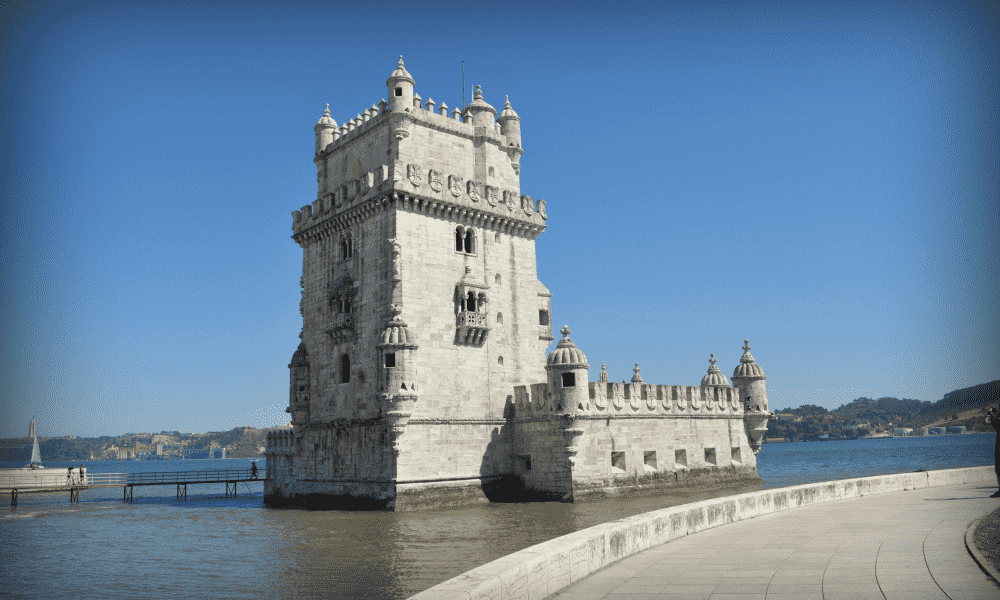
  1. Belém Tower (Torre de Belém): Situated in Lisbon, this iconic fortress is a UNESCO World Heritage site and symbolizes Portugal's maritime heritage during the Age of Discovery.
  2. Jerónimos Monastery (Mosteiro dos Jerónimos): Also in Lisbon, this stunning monastery is a masterpiece of Manueline architecture. It houses the tombs of notable historical figures and is a UNESCO World Heritage site.
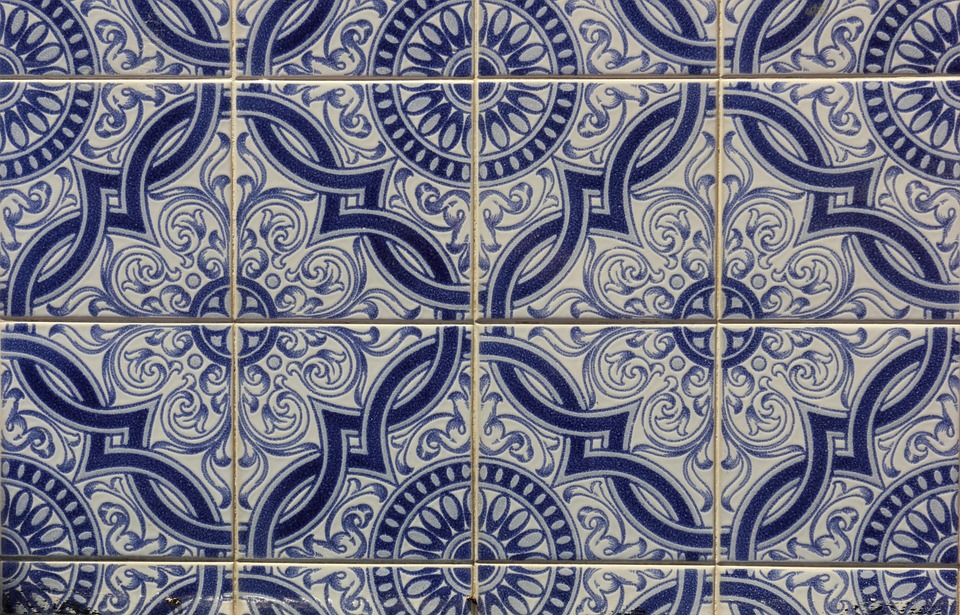
  3. São Bento Railway Station (Estação de São Bento): In Porto, this historic train station is renowned for its breathtaking azulejo tilework, depicting scenes from Portuguese history.
  4. Livraria Lello: Also in Porto, this beautiful bookstore is known for its ornate interior, stained glass, and iconic red staircase. It's often considered one of the most beautiful bookstores globally.
  5. Pena Palace (Palácio da Pena): Situated in Sintra, this colorful palace is a fairy-tale-like structure perched on a hill. It's a UNESCO World Heritage site and a prime example of Romanticist architecture.
  6. Óbidos Castle: The medieval town of Óbidos, surrounded by well-preserved walls, is home to a charming castle and narrow cobblestone streets that transport visitors back in time.
  7. Fado Houses in Alfama: Experience Portugal's traditional music, Fado, in the atmospheric district of Alfama in Lisbon. The intimate Fado houses offer an authentic and emotional musical journey.

How to get around in Portugal?

Getting around Portugal is relatively easy, thanks to its well-developed transportation infrastructure. 

  1. Public Transportation:
    • Trains: Portugal has an extensive and efficient train network, connecting major cities and regions. Comboios de Portugal (CP) is the national railway company.
    • Buses: Intercity and regional buses are available, covering routes not serviced by trains. Rede Expressos and FlixBus are prominent bus companies.
    • Metro: Lisbon and Porto have efficient metro systems that connect key areas within the cities.
  2. Car Rental:
    • Renting a car is a popular option for exploring Portugal's countryside, coastal areas, and smaller towns. We highly recommend this option for those comfortable with driving!
    • Roads are generally well-maintained, and driving allows flexibility in exploring the different areas.
  3. Taxis and Rideshare:
    • Taxis are readily available in cities and can be hailed on the street or booked through apps.
    • Uber operates in major cities, providing an alternative to traditional taxis.
  4. Domestic Flights:
    • For longer distances, especially between mainland Portugal and the Azores or Madeira, domestic flights are available. TAP Air Portugal is the national airline.
  5. Cycling:
    • Portugal has a growing network of cycling paths, particularly in urban areas and along the coastline. Some cities offer bike-sharing programs.
  6. Walking:
    • Many cities, especially historic ones like Lisbon and Porto, are pedestrian-friendly, allowing visitors to explore on foot.
  7. Trams and Funiculars:
    • Lisbon is famous for its historic trams, especially Tram 28, which winds through many of the city's iconic neighborhoods.
    • Funiculars are also present in cities like Lisbon and Porto, providing unique transportation up hilly terrain.
  8. Boats and Ferries:
    • Coastal cities like Lisbon and Porto have ferries and boat services, providing scenic transportation along rivers and estuaries.
  • 0
  • 0

Cart

  • {{ item.documentId.name }}