
Portugal for couple

Portugal for couple

Portugal for couple

A beautiful and memorable trip for a couple, visiting Portugal.

Trip Itinerary

Arrival at Lisbon airport. (1 Day )

Arrival at Lisbon airport.Overnight in Lisbon.

Discover the magnificent city - Lisbon (1 Day )

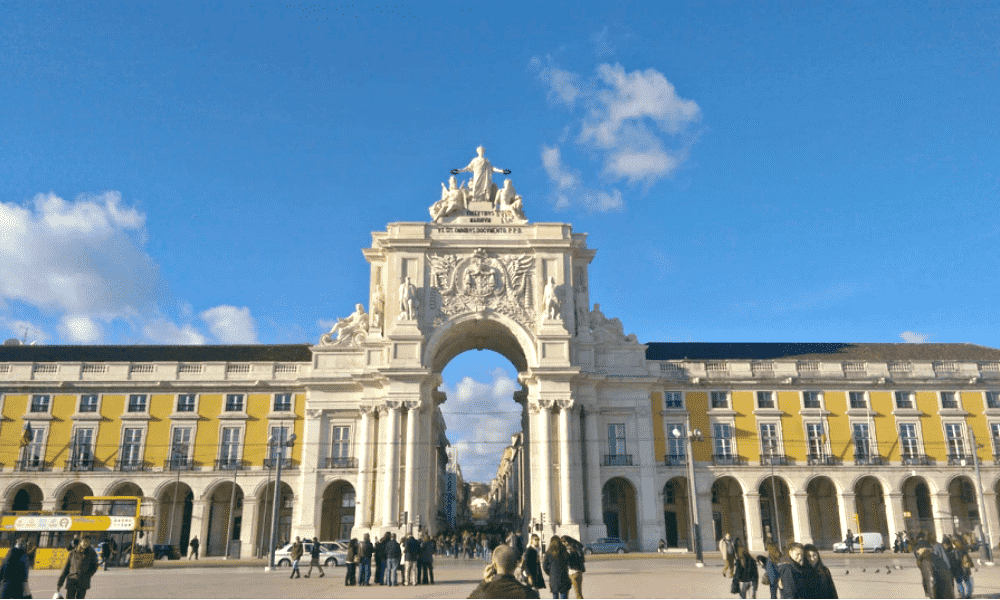
Breakfast.Lisbon regular city tour in the morning.Discover the magnificent city. We would like to unveil the history and traditions taking you to the Monuments of the Portuguese Discoveries, most typical quarter and emblematic city museum....

Free day (1 Day )

Breakfast.Free day.Overnight in Lisbon.

Sintra full day excursion (1 Day )

Breakfast.Sintra full day excursion.A luxury day… Enter in the fantasy of a beautiful romantic Palace and wonder around the charming Sintra village, where you will have lunch. Leave to Colares on tramway*and then appreciate the view from...

Free time to enjoy the university city - Coimbra. (1 Day )

Breakfast.Departure transfer, Lisbon bus station.Bus to Coimbra.Arrival at Coimbra bus station.Free time to enjoy the university city (there are no regular tours).Overnight in Coimbra.

Most ancient cities of Europe - Porto (1 Day )

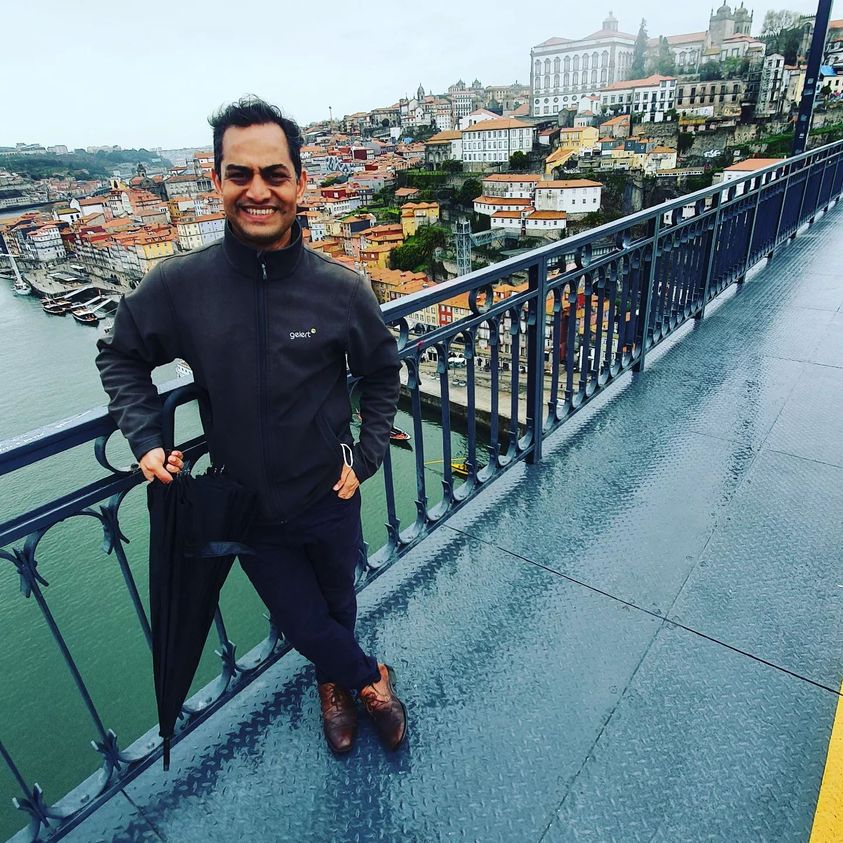
Breakfast.Train or bus to Porto.Arrival transfer, Porto bus station.Afternoon regular Porto tour.Visit the beautiful and mysterious lady, one of the most ancient cities of Europe with plenty of historic and cultural memories. A unique and...

Explore Porto by own. (1 Day )

Breakfast.Free day.Explore the city by own.Overnight in Porto.

For departure transfer to Porto airport. (1 Day )

After Breakfast.For departure transfer to Porto airport.End of tour .

Whats included in this tour

  • Accommodation and breakfast
  • Private transfers
  • Regular tours in English
  • Bus tickets as specified
  •  Local taxes

Accommodation

No Accommodation available.

FAQ & Expert Tips

What's the best time to visit Portugal?

The optimal time to visit Portugal largely depends on your personal preferences. It's safe to say that it is a year-round destination. Spring (April to June) and fall (September to October) are often considered the best seasons. During these periods, the weather is mild, and nature comes to life with blooming flowers and lush landscapes. Summer (July to August) is popular for beach destinations, but it can be quite hot, especially in the inland regions. Winter (November to March) is milder compared to many other European destinations, making it suitable for those who enjoy cooler temperatures and cultural experiences.

Do I need a visa to visit Portugal?

Portugal is a member of the Schengen Area, allowing travelers from various countries, including the U.S., Canada, Australia, and EU member states, to enter for short stays (up to 90 days) without a visa. However, it's crucial to check specific entry requirements based on your nationality and the purpose of your visit. If you plan to stay longer or for other purposes, additional visa considerations may apply.

What are the must-visit cities in Portugal?

Portugal is home to a variety of vibrant cities, each with its own unique charm and attractions.

  1. Lisbon (Lisboa): The capital city, perched on the hills overlooking the Tagus River, Lisbon is a captivating blend of historic neighborhoods, contemporary culture, and stunning viewpoints. Explore Alfama's narrow streets, visit the historic Belém district, and enjoy the vibrant nightlife in Bairro Alto.
  2. Porto: Known for its wine cellars, historic architecture, and the Douro River, Porto is a UNESCO World Heritage city. Wander through the charming Ribeira district, visit Livraria Lello, and enjoy a cruise along the Douro to appreciate the city's beauty.
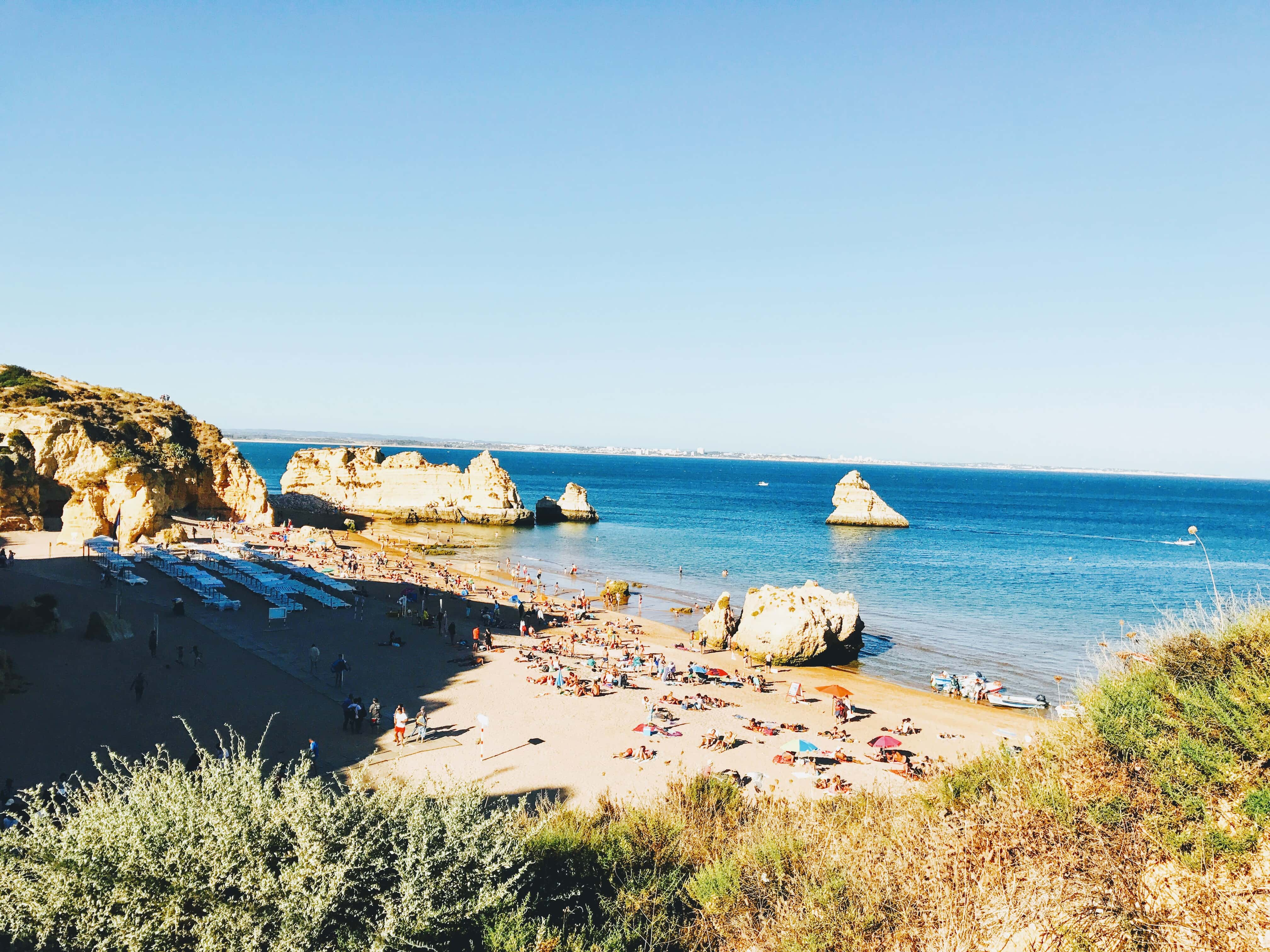
  3. Faro: The capital of the Algarve region, Faro offers a mix of history and coastal beauty. Explore the historic Old Town, visit Faro Cathedral, and take a boat tour to the Ria Formosa Islands. The nearby Faro Beach is also a popular destination.
  4. Sintra: A fairy-tale town nestled in the mountains, Sintra is known for its romantic architecture and lush gardens. Explore Pena Palace, the Moorish Castle, and the colorful streets of the historic center.
  5. Évora: Steeped in history, Évora is a UNESCO World Heritage city with well-preserved Roman ruins, medieval architecture, and a unique Chapel of Bones (Capela dos Ossos).
  6. Aveiro: Often called the "Venice of Portugal," Aveiro is known for its picturesque canals, colorful Moliceiros boats, and charming Art Nouveau architecture.

Is English widely spoken in Portugal?

Yes, English is commonly spoken in Portugal, particularly in tourist areas, major cities, and establishments frequented by visitors. The hospitality industry is accustomed to catering to an international audience, and English is often the second language. However, while most locals in urban areas understand English, learning a few basic Portuguese phrases can enhance your experience, especially when venturing into more rural or traditional settings. Embracing the local language adds a cultural dimension to your journey and fosters positive interactions with residents.

What are the top cultural attractions in Portugal?

Portugal is rich in cultural heritage, boasting a plethora of attractions that reflect its history, art, and traditions. Here are some of the top cultural attractions in the country:

  1. Belém Tower (Torre de Belém): Situated in Lisbon, this iconic fortress is a UNESCO World Heritage site and symbolizes Portugal's maritime heritage during the Age of Discovery.
  2. Jerónimos Monastery (Mosteiro dos Jerónimos): Also in Lisbon, this stunning monastery is a masterpiece of Manueline architecture. It houses the tombs of notable historical figures and is a UNESCO World Heritage site.
  3. São Bento Railway Station (Estação de São Bento): In Porto, this historic train station is renowned for its breathtaking azulejo tilework, depicting scenes from Portuguese history.
  4. Livraria Lello: Also in Porto, this beautiful bookstore is known for its ornate interior, stained glass, and iconic red staircase. It's often considered one of the most beautiful bookstores globally.
  5. Pena Palace (Palácio da Pena): Situated in Sintra, this colorful palace is a fairy-tale-like structure perched on a hill. It's a UNESCO World Heritage site and a prime example of Romanticist architecture.
  6. Óbidos Castle: The medieval town of Óbidos, surrounded by well-preserved walls, is home to a charming castle and narrow cobblestone streets that transport visitors back in time.
  7. Fado Houses in Alfama: Experience Portugal's traditional music, Fado, in the atmospheric district of Alfama in Lisbon. The intimate Fado houses offer an authentic and emotional musical journey.

How to get around in Portugal?

Getting around Portugal is relatively easy, thanks to its well-developed transportation infrastructure. 

  1. Public Transportation:
    • Trains: Portugal has an extensive and efficient train network, connecting major cities and regions. Comboios de Portugal (CP) is the national railway company.
    • Buses: Intercity and regional buses are available, covering routes not serviced by trains. Rede Expressos and FlixBus are prominent bus companies.
    • Metro: Lisbon and Porto have efficient metro systems that connect key areas within the cities.
  2. Car Rental:
    • Renting a car is a popular option for exploring Portugal's countryside, coastal areas, and smaller towns. We highly recommend this option for those comfortable with driving!
    • Roads are generally well-maintained, and driving allows flexibility in exploring the different areas.
  3. Taxis and Rideshare:
    • Taxis are readily available in cities and can be hailed on the street or booked through apps.
    • Uber operates in major cities, providing an alternative to traditional taxis.
  4. Domestic Flights:
    • For longer distances, especially between mainland Portugal and the Azores or Madeira, domestic flights are available. TAP Air Portugal is the national airline.
  5. Cycling:
    • Portugal has a growing network of cycling paths, particularly in urban areas and along the coastline. Some cities offer bike-sharing programs.
  6. Walking:
    • Many cities, especially historic ones like Lisbon and Porto, are pedestrian-friendly, allowing visitors to explore on foot.
  7. Trams and Funiculars:
    • Lisbon is famous for its historic trams, especially Tram 28, which winds through many of the city's iconic neighborhoods.
    • Funiculars are also present in cities like Lisbon and Porto, providing unique transportation up hilly terrain.
  8. Boats and Ferries:
    • Coastal cities like Lisbon and Porto have ferries and boat services, providing scenic transportation along rivers and estuaries.
Trip length

8 Days

Starting From

$ 1000

  • Reviews
    0/5
  • Package Type Moderate
  • Best Season Apr-Oct
Relevant blogs
  • 0
  • 0

Cart

  • {{ item.documentId.name }}