Exploring Egypt's Timeless Beauty

Blog

Exploring Egypt's Timeless Beauty

Written by Chirag Shah Sep 25, 2023

Bahariya Oasis and White Desert Adventure

Our Egyptian journey kicked off with an exhilarating start as we ventured into the Bahariya Oasis, but the real magic awaited us in the White Desert. As we explored, the chalky formations emerged like sculptures in the sand, changing colors with the shifting sun. The golden dunes stretched as far as the eye could see, painting a surreal picture of tranquility. Our 4x4 safari convoy navigated the sandy terrain, and as the sun dipped below the horizon, we set up camp under a blanket of stars. The silence of the desert was a symphony in itself.

Return to Cairo, and Onward to Aswan

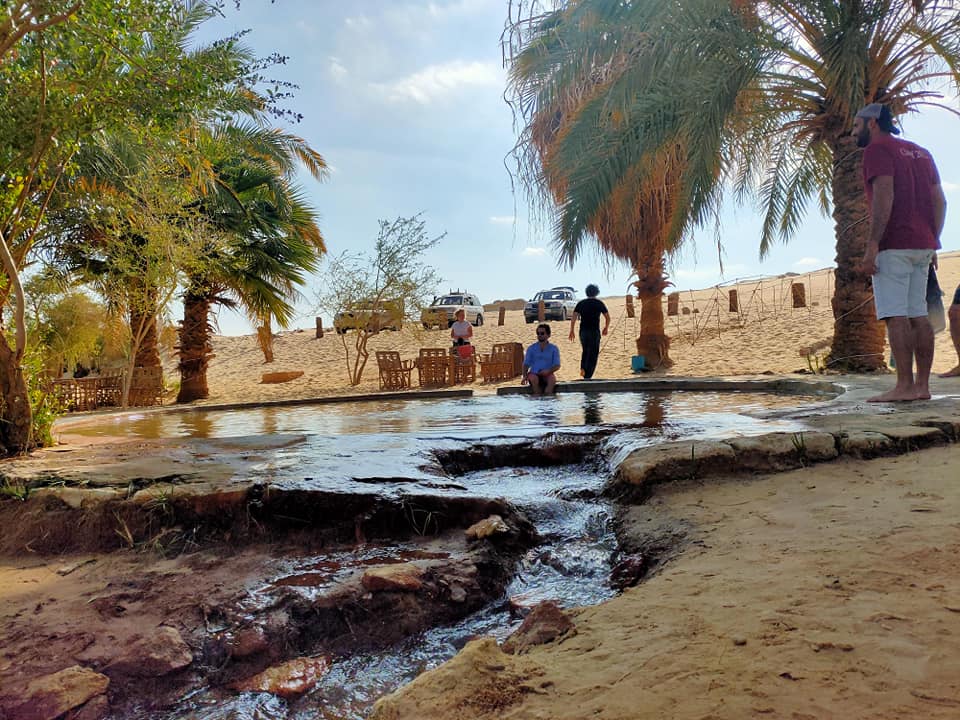
Waking up to the sunrise in the desert was a surreal experience. The crisp morning air and the play of light on the sand dunes created a mesmerizing scene. We embarked on a journey to Crystal Mountain and Bir Sigam Hot Spring, two lesser-known but equally enchanting destinations. Crystal Mountain is a geological wonder that is aptly named for its crystalline formations that glisten like precious gems under the blazing sun. I felt the cool, crystal-studded surface & it truly made me feel like I had stumbled upon a treasure trove buried in the desert. The natural hot spring was a soothing revelation after our desert adventure. The therapeutic waters, believed to have healing properties, offered relaxation that seeped into my very soul.

Leaving the desert behind, we embarked on a journey to Aswan. The flight from Cairo to Aswan was a quick transition from the bustling city to the serene banks of the Nile. The city's calm atmosphere and Nubian culture welcomed me with open arms.

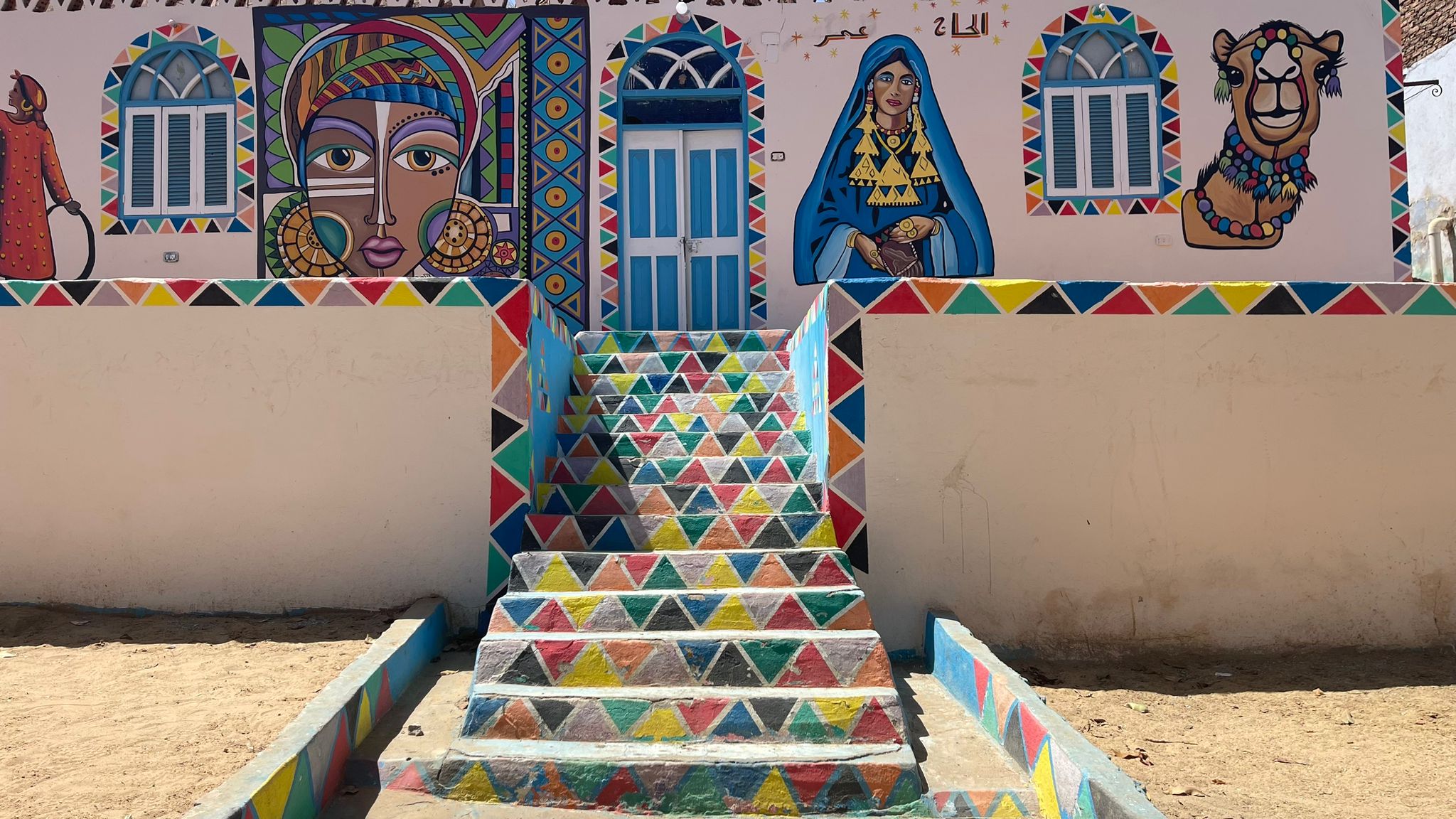
Aswan greeted us with stunning vistas of the Nile. A visit to the Philae Temple, dedicated to the goddess Isis, was a spiritual experience. The well-preserved reliefs and colossal statues spoke volumes about the artistry and devotion of the ancients. The Nubian Village tour that followed was a wonderful introduction to the vibrant community on the Nile's banks. The Nubian people, known for their colorful homes and warm hospitality, welcomed us with open arms. Exploring the village, we discovered intricately decorated houses, enjoyed traditional music, and learned about their unique way of life. 
The Road to Luxor

A scenic drive took us to Luxor, known as the "world's greatest open-air museum." En route, we stopped at the remarkable Kom Ombo and Edfu Temples, both dedicated to ancient Egyptian deities. Each temple unveiled a unique piece of Egypt's history. & felt like taking a step back in time! 

Our drive traced the iconic Nile River, Egypt's lifeline. Lush green fields and fertile farmlands flanked the road, showcasing the river's life-giving powers.  As we approached Luxor, the city's grandeur came into view. The sprawling Karnak Temple complex, even from a distance, was an awe-inspiring sight.

Luxor's Historical Riches

Luxor was a treasure trove of historical wonders. The Karnak and Luxor Temples left us in awe, and a visit to the Valley of the Kings allowed us to explore the tombs of pharaohs, beautifully adorned with hieroglyphics. Venturing into the tombs and witnessing their intricate wall paintings felt like stepping back in time.

A sunrise hot air balloon ride over Luxor was a breathtaking experience, offering panoramic views of the city's historical marvels. From there, we made our way to Sharm el Sheikh, a coastal paradise known for its coral reefs and water sports - we really looked forward to the opportunity to cool off a bit!

Exploring Dahab

A day trip to Dahab, a charming coastal town, was a highlight of our time in Sharm el Sheikh. The laid-back atmosphere, crystal-clear waters, and vibrant underwater life made for a perfect day by the Red Sea. The highlight was the famous Blue Hole, a natural sinkhole with crystal-clear waters. Equipped with snorkel gear, we plunged into the sea and was greeted by a kaleidoscope of colorful fish and vibrant coral formations. It was like swimming in an underwater paradise. 

Dahab's charming beachfront restaurants were quite delightful as well. Freshly caught seafood, aromatic Egyptian dishes, and a refreshing mint tea made for a great meal with a view of the Red Sea.
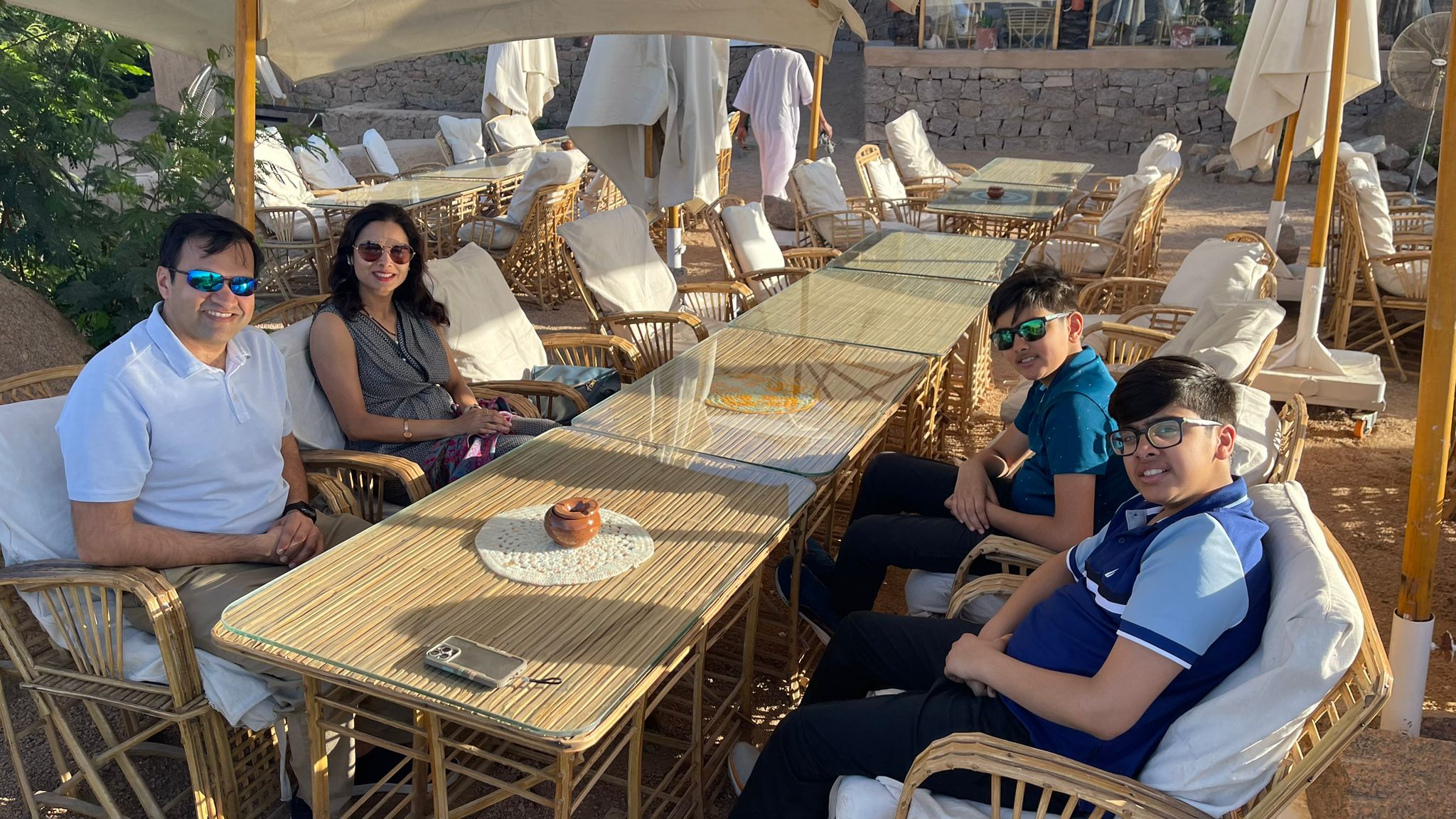
Sharm el Sheikh itself offered plenty to explore, from vibrant markets to relaxing beaches. Snorkeling in Ras Mohammed National Park and exploring the Old Market were among the day's adventures.

Return to Cairo

Leaving the coast behind, we returned to Cairo for a final leg of exploration. The city's hustle and bustle felt like a world away from the tranquil shores of Sharm el Sheikh. Of course, this was the historical crescendo of the trip as we were all set to see the iconic Pyramids of Giza.

The city's energy was infectious, a blend of modernity and ancient charm. The Egyptian Museum was a treasure trove of antiquities, with the highlight being the awe-inspiring Tutankhamun exhibit. We dedicated a whole day to exploring the Giza Plateau. Witnessing the Great Pyramid of Giza, the last standing wonder of the ancient world, was a humbling experience. The enigmatic Sphinx guarding the pyramids added an air of mystery to the already awe-inspiring landscape. I couldn't help but marvel at the architectural ingenuity of the ancient Egyptians.

As we prepared to depart from Cairo, I couldn't help but reflect on the incredible journey through Egypt's diverse landscapes and rich history. Egypt's timeless allure has left an indelible mark on all our heart, and I departed with memories to cherish forever. Egypt, with its blend of ancient wonders and natural beauty, is truly a traveler's paradise.

FAQ & Expert Tips

What are the must-visit attractions in Egypt?

Egypt boasts numerous must-visit attractions, each offering a unique glimpse into its rich history and culture. The Pyramids of Giza, including the Great Pyramid of Khufu and the Sphinx, stand as iconic symbols of ancient Egyptian civilization. Luxor's Karnak Temple complex and the nearby Valley of the Kings, where Tutankhamun's tomb was discovered, provide unparalleled insights into the country's pharaonic past. The Egyptian Museum in Cairo houses a vast collection of artifacts, including treasures from Tutankhamun's tomb. Additionally, the Abu Simbel temples, with their colossal statues of Ramses II, and the stunning beaches along the Red Sea coast, such as Sharm El Sheikh and Hurghada, offer diverse experiences for travelers.

What is the best time to visit Egypt?

The best time to visit Egypt largely depends on your preferences and the activities you plan to pursue. Generally, the peak tourist season occurs during the cooler months from October to April when temperatures are milder and more comfortable for outdoor exploration and sightseeing. This period is ideal for visiting ancient monuments, such as the Pyramids of Giza, Luxor's Karnak Temple, and the Valley of the Kings, as well as enjoying activities like Nile cruises and desert excursions.

If you're primarily interested in beach activities along the Red Sea coast, such as swimming, diving, and snorkeling, the summer months from June to August offer warm weather and clear waters. However, it's essential to be prepared for higher temperatures during this time, with inland areas experiencing hot and dry conditions.

Ultimately, the best time to visit Egypt depends on your interests and tolerance for weather conditions. Traveling during the shoulder seasons of spring (March to May) and autumn (September to November) can offer a balance between favorable weather and fewer crowds, allowing for a more relaxed and enjoyable experience.

What should I wear when visiting Egypt?

When visiting Egypt, it's advisable to dress modestly, especially when visiting religious sites or more conservative areas. Lightweight, breathable clothing that covers the shoulders and knees is recommended, particularly for women. Loose-fitting trousers or long skirts paired with tops that cover the shoulders are suitable options. Additionally, comfortable walking shoes are essential for exploring archaeological sites and navigating uneven terrain. To protect against the sun's intense rays, consider wearing a wide-brimmed hat, sunglasses, and sunscreen.

What currency is used in Egypt?

The official currency of Egypt is the Egyptian pound (EGP), abbreviated as LE (short for livre égyptienne in French). It's recommended to carry small denominations of Egyptian pounds for convenience when making purchases, especially in markets or smaller establishments. While credit cards are widely accepted in larger hotels, restaurants, and shops, it's advisable to carry cash for transactions in more remote areas or when purchasing from street vendors. Additionally, it's essential to exchange currency at authorized banks or exchange offices to ensure a fair rate of exchange.

As a rough estimate, budget travelers may aim to keep around $30 to $50 USD (or equivalent in EGP) per day for basic expenses, while those seeking more comfort and luxury may budget closer to $100 to $150 USD per day. However, these figures can vary widely depending on individual preferences and travel arrangements. It's essential to research and plan accordingly based on your specific itinerary and budgetary considerations. Additionally, be sure to monitor exchange rates and factor in any potential fees associated with currency exchange or ATM withdrawals.

What are the transportation options in Egypt?

Egypt offers various transportation options for travelers, including taxis, buses, trains, and domestic flights. In cities like Cairo and Alexandria, taxis are readily available and relatively inexpensive, although it's advisable to negotiate fares beforehand. Public buses operate within cities and between major destinations, while trains offer a more comfortable and scenic way to travel longer distances, such as between Cairo and Luxor. Domestic flights are also available for those wishing to cover large distances quickly, particularly when traveling to popular tourist destinations like Sharm El Sheikh or Aswan.

What is the food like in Egypt?

Egyptian cuisine is diverse and flavorful, influenced by centuries of history and cultural exchange. Staple ingredients include grains like rice and bread, legumes such as lentils and beans, vegetables, and a variety of meats, including lamb, chicken, and fish. Traditional dishes like koshari (a mix of rice, lentils, pasta, and spices), ful medames (slow-cooked fava beans), and grilled kebabs are popular choices. Street food vendors offer a wide array of snacks and treats, including falafel, kofta sandwiches, and sweet pastries like baklava. It's important to sample local specialties and flavors while also being mindful of food safety practices, such as drinking bottled water and eating at reputable establishments.

Are there any cultural customs or etiquette I should be aware of in Egypt?

While Egyptians are generally welcoming and hospitable, there are certain cultural customs and etiquette practices to be mindful of during your visit. When visiting mosques or religious sites, it's important to dress modestly and remove your shoes before entering. Public displays of affection should be avoided, especially in more conservative areas. Additionally, it's polite to ask for permission before taking photographs of individuals, particularly women, out of respect for their privacy.
  • 0
  • 0

Cart

  • {{ item.documentId.name }}